REVIEW · TIMISOARA
Weekly Guided Walking Tour – Tuesday, Thursday & Saturday
Book on GetYourGuide →Operated by Timisoara City Tours · Bookable on GetYourGuide
History walks fast here. Timisoara’s center tells its story through real street corners, so a guided walk becomes more than a stroll. I like that the route focuses on what you can still see today, from Ottoman-era traces to the last surviving fragment of the old city walls, and I like that you’ll connect those older layers to what happened in 1989—including where around 150,000 people gathered. If you want a first-time orientation to the city with strong context, this is a good fit.
The one thing to consider is simple: it runs rain or shine for these sessions, and it’s not suitable for people with mobility impairments. Plan on being outdoors for the full two hours in comfortable clothing, and you’ll be set.
In This Review
- Key highlights you’ll feel on the street
- Starting at Victory Square Outside the Opera House
- 2 Hours of 700 Years: How the Timeline Actually Works
- Ottoman Traces and the Former City Walls You Can Point To
- Unirii Square, Who Built It, and Why 2023 Matters
- The 1989 Revolution: Where 150,000 People Gathered
- Banat Region Context You Can Use After the Walk
- The Guide Matters: English, Attention, and Better Questions
- Price and Value: Is $25 for 2 Hours Worth It?
- What to Bring and When to Go: Rain Plans Included
- Who Should Book This Timisoara Walking Tour
- Should You Book This Tour?
- FAQ
- Where is the meeting point for the walking tour?
- Which days does the guided walking tour run?
- How long is the tour?
- How much does the tour cost?
- Is the tour offered in English?
- What is included in the price?
- What should I bring?
- Does the tour run in bad weather?
- Is the tour suitable for people with mobility impairments?
- Can I cancel or pay later?
Key highlights you’ll feel on the street
- Victory Square start outside the Opera House, so you get your bearings immediately
- 700 years of change turned into a walkable timeline across the historical center
- Ottoman times + former walls, with the one standing piece you can actually point at
- Unirii Square stories, including who built it and its link to European Capital of Culture 2023
- 1989 revolution focus, including the scale of the crowd that gathered there
- English guide Q&A, with real chances to ask questions and follow your interests
Starting at Victory Square Outside the Opera House
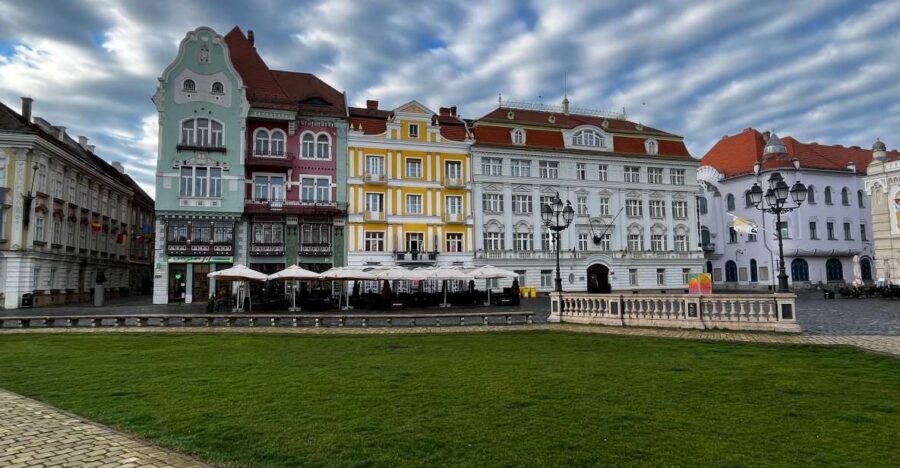
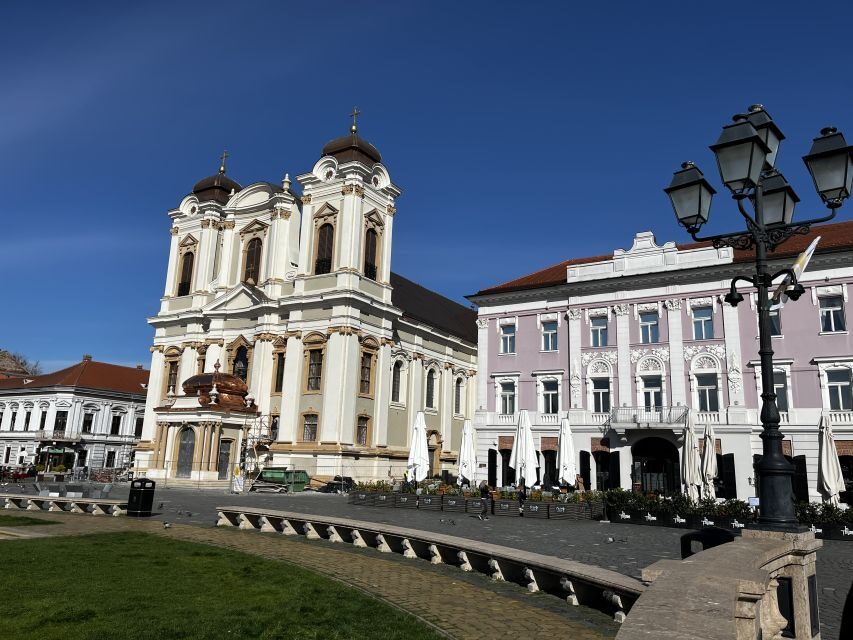
I love tours that start in a place you can find without stress. Here, you meet right in front of the Opera House on Victory Square, which is exactly the kind of central landmark that helps you show up on time and then get going. From the first minutes, the tour is set up like a guided walk through Timisoara’s layers rather than a long bus-style history lesson.
This also matters because Victory Square is a natural jumping-off point for understanding why the historical city center still feels like a single conversation. As you move from there, the guide can connect buildings and spaces to the eras you’re learning about, so it doesn’t feel like you’re collecting disconnected facts. You’re building a mental map as you walk.
You can also read our reviews of more walking tours in Timisoara



2 Hours of 700 Years: How the Timeline Actually Works
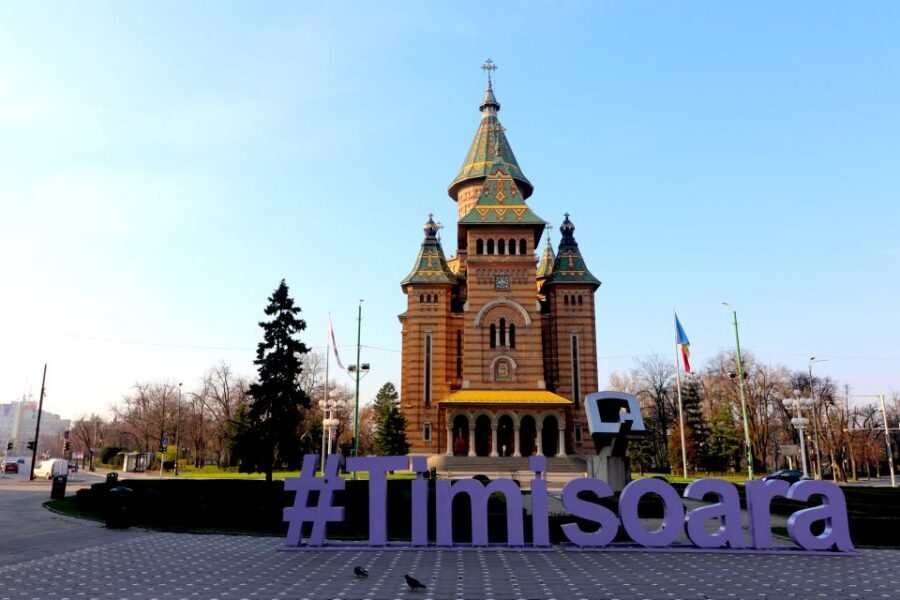
This tour is built around a tight time window: 2 hours. That means the guide has to pick the moments that explain the rest, and you benefit if you’re the type of traveler who likes clarity over overload. The big promise is exploring what happened across more than 700 years of history, and the route is designed to make that scale feel manageable.
Instead of trying to cover every single period in depth, you get anchored in the city’s most meaningful shifts—older empires and fortifications first, and then the much more recent turning point of 1989. The value for you is that you leave with a usable framework: you can look at a square, a street, or a surviving wall fragment and understand why it exists and what role it played.
Ottoman Traces and the Former City Walls You Can Point To
One of the most practical parts of this tour is the stop focused on Ottoman times. You’re not just hearing vague references to the past—you’re shown details that connect that period to the city’s physical structure and survival.
Then comes the wall segment. The tour includes seeing where the former walls of the city once were, plus the only piece that is still standing. That alone is worth it, because standing remnants are a rare thing in European city centers. When something survives, it stops being an abstract story and becomes a visual reference. You’ll know what you’re looking at later, which is the whole point of a street walk.
If you enjoy photos that mean something later, this is the section to slow down for. Stand where the guide asks, look at how the area works now, and listen for the explanation of what used to be there. That’s how the city’s older borders become real.
Unirii Square, Who Built It, and Why 2023 Matters
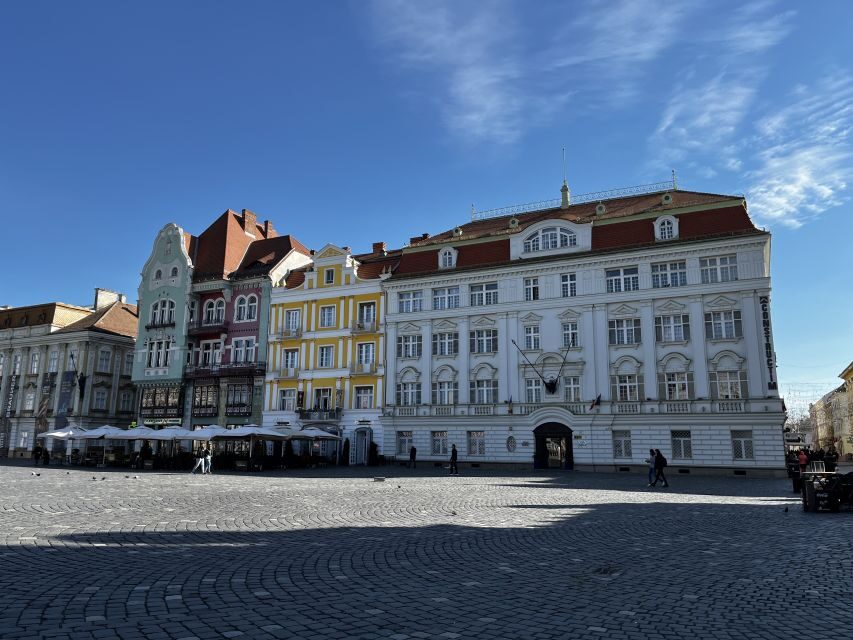
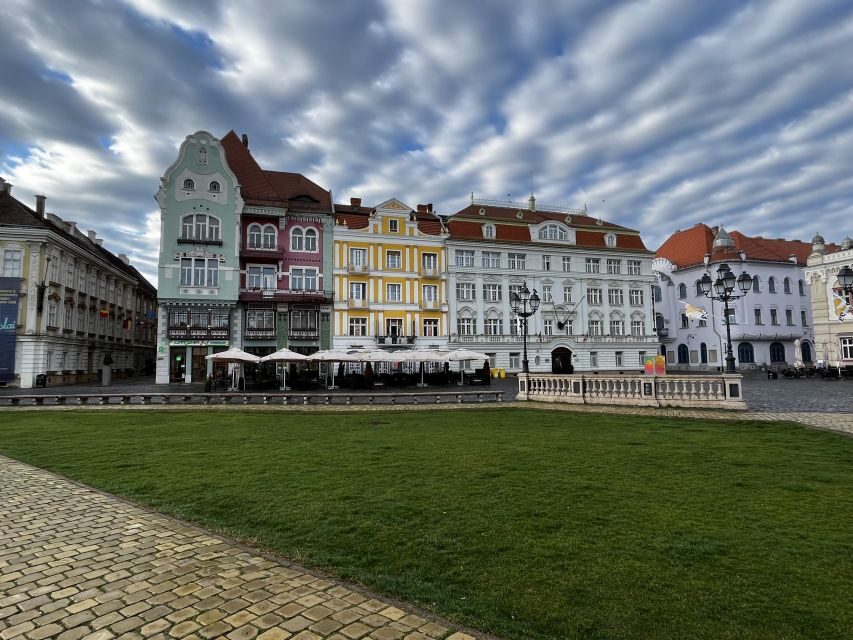
Unirii Square is a key thread in the tour. The guide will talk about who built the square and share the stories behind its importance. Since you’re walking with an English-speaking professional guide, this isn’t the kind of stop where you’re left guessing what you’re looking at. You’ll get the narrative, and you’ll know which details to pay attention to when you revisit later.
You’ll also hear how the square connects to the title European Capital of Culture 2023. Even if you don’t plan cultural events, this link is useful because it frames how Timisoara presents itself today, not just what it was centuries ago. I like this balance: older architecture is only half the story. The other half is what the city decided to celebrate and highlight in the present.
In practical terms, this stop gives you a big “anchor place.” Squares like this are where many historical moments play out, so once you understand Unirii, you understand the logic of where crowds gather and where the city’s identity shows.
The 1989 Revolution: Where 150,000 People Gathered
The most emotionally charged part of the walk is the revolution in 1989. The tour includes a specific detail that sticks with you: where more than 150,000 people gathered during those events. That kind of number changes how you interpret a space. A square stops being scenery and becomes a stage.
You’ll also hear stories about important people who had an impact throughout Timisoara’s history. That’s one of the best ways to learn without getting lost in dates. Names and roles help you connect the physical locations to human choices—who stood for what, who influenced outcomes, and how events rippled across time.
This is the section where your questions matter most. If there’s a part of 1989 that you’ve only heard in the abstract, ask the guide why certain things happened where they did. You’re not just listening—you’re filling in blanks in real time, while you can still look at the place that shaped the story.
You can also read our reviews of more guided tours in Timisoara



Banat Region Context You Can Use After the Walk
One of my favorite things about good walking tours is that they don’t just make you smarter for the moment. They set you up to explore on your own afterward. Here, you’ll learn about the beautiful region of Banat, and that context helps you understand why Timisoara feels the way it does.
Banat context also makes earlier stops land better. When you know the surrounding region’s background, you understand why cultures, buildings, and identities overlap the way they do. You’ll spot connections more quickly on your own—especially if you’re planning to go beyond the city center.
For first-timers in Timisoara, this is often the difference between a good “see and hear” tour and a tour that changes how you travel next.
The Guide Matters: English, Attention, and Better Questions
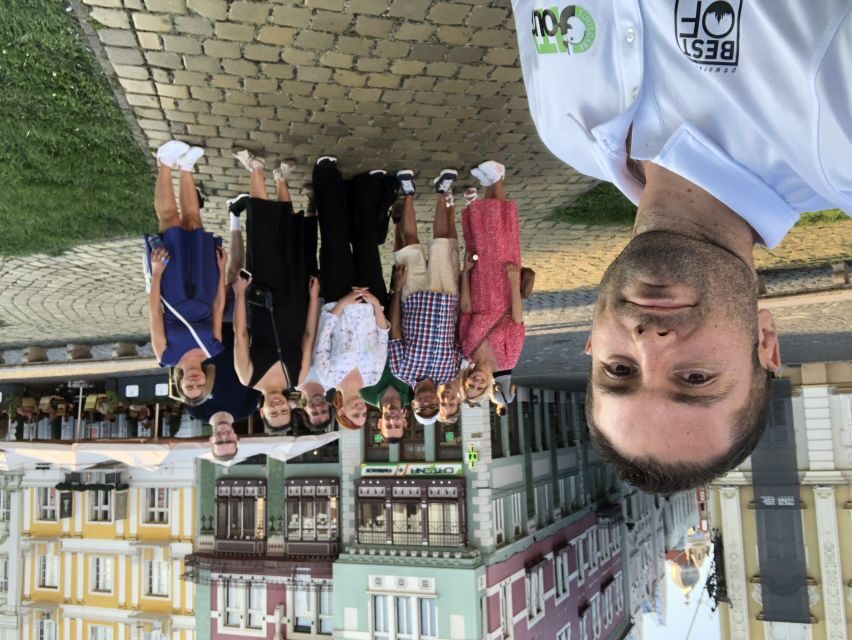
This is led by a professional English-speaking guide, and that’s more important than it sounds. In a two-hour walk, the guide has to explain clearly and keep the story moving. Based on past experiences with this activity, the guide approach seems to be a strong point. One guide named Andrei was praised for making history interesting and for being an excellent guide, and other feedback points to guides who were attentive and friendly.
What you should do when you join: ask questions early, not at the end. If you’re unsure what you’re looking at—like the meaning of a particular square or why the city walls mattered—raise it while you’re still at the right location. The tour is designed for Q&A, so you can steer your learning toward what interests you most.
If you like walking tours where you can interact, this one is set up for that. If you prefer silent museum-style reading, you might find the discussion-heavy approach a little more active than you expect.
Price and Value: Is $25 for 2 Hours Worth It?
At $25 per person for a 2-hour guided walk, this feels like solid value if you care about structure. You’re paying for a professional guide, an English-language explanation, and a curated route that connects multiple historical periods without wasting your time hopping around aimlessly.
The real question isn’t just the cost. It’s whether two hours can give you a starting point that helps you understand the rest of your trip. In this case, the tour’s focus—historical center plus Ottoman traces plus 1989—creates a timeline you can carry with you. That’s why the price makes sense: you’re not just buying a walk, you’re buying clarity.
Also, the overall rating is high. With a 5 out of 5 score from 49 reviews, there’s enough consistent feedback to suggest people usually get what they came for: an informative, well-paced experience.
What to Bring and When to Go: Rain Plans Included
This tour runs every Tuesday, Thursday, and Saturday for the weekly guided sessions. It happens rain or shine, so your best move is practical: wear comfortable clothes and shoes you can walk in for two hours.
Because the meeting point is outdoors on Victory Square, weather affects comfort more than most tours. If it’s wet or cold, you’ll want layers and something that helps you stay mobile. The good news is the schedule doesn’t stop for bad weather, so you don’t lose your plans waiting for sunshine.
Who Should Book This Timisoara Walking Tour
This is a great choice if you:
- Are visiting Timisoara for the first time and want a clear orientation
- Like history that points to visible places, not just facts on a page
- Want context for both older eras and 1989 without doing separate tours
It’s not suitable for people with mobility impairments. If walking for two hours in outdoor conditions is hard for you, it’s worth choosing a different format.
Should You Book This Tour?
If you want a guided route that connects Timisoara’s oldest layers to the turning point of 1989, this is an easy yes. The stops are built around places that matter—Victory Square, Ottoman-era references, the former city walls where possible, Unirii Square, and the revolution story tied to the scale of the 1989 gathering.
Book it if you appreciate strong explanations, live Q&A, and a timeline you can carry into the rest of your trip. Skip it only if you can’t handle two hours of outdoor walking, or if you prefer history delivered in a quieter, less interactive way.
FAQ
Where is the meeting point for the walking tour?
You meet right in front of the Opera House on Victory Square.
Which days does the guided walking tour run?
The tour runs every Tuesday, Thursday, and Saturday.
How long is the tour?
The duration is 2 hours.
How much does the tour cost?
The price is $25 per person.
Is the tour offered in English?
Yes. The guide speaks English.
What is included in the price?
A professional English-speaking guide is included.
What should I bring?
Wear comfortable clothes for walking.
Does the tour run in bad weather?
Yes. The tour takes place rain or shine.
Is the tour suitable for people with mobility impairments?
No, it is not suitable for people with mobility impairments.
Can I cancel or pay later?
You can reserve now and pay later, and you can cancel up to 24 hours in advance for a full refund.