REVIEW · TIMISOARA
Timisoara: Grand Communism Tour
Book on GetYourGuide →Operated by Timisoara City Tours · Bookable on GetYourGuide
Communism has a street address in Timișoara. This 3.5-hour Grand Communism Tour threads Nicolae Ceaușescu’s rule to the moment the system started cracking in December 1989, with stops tied to real places, not just names.
I really like the storytelling from the guides, especially when you get someone like Andrei, whose English is described as flawless, plus that extra-human touch when he shares family context. I also like the route’s balance: you see official locations and everyday life clues, starting from the misfit-energy of SCARTZ rather than the usual postcard spots.
One thing to consider: this is heavy, dark material, and you’ll also want to budget a separate entry fee for the Revolution Memorial (20 RON).
In This Review
- Key things you’ll get from this tour
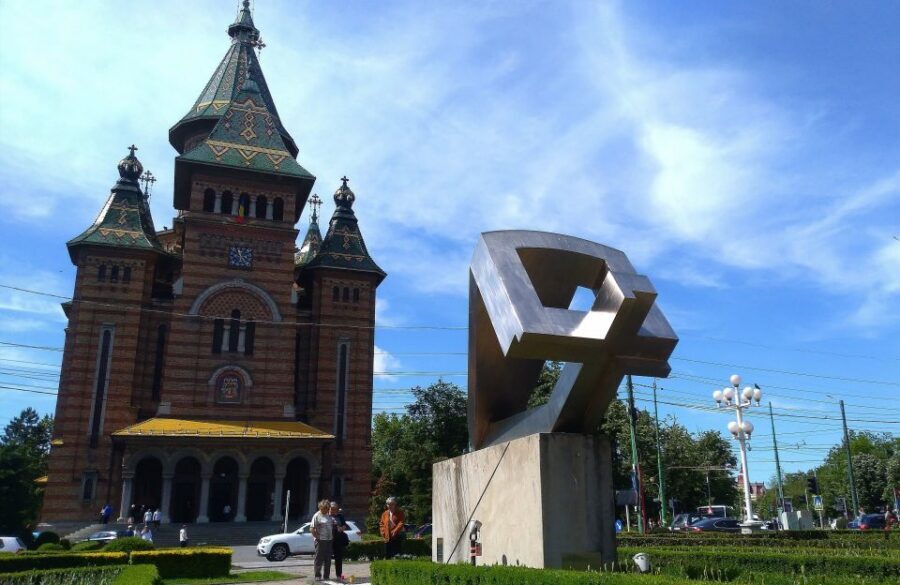
- Getting Oriented: Starting at the Orthodox Cathedral
- SCARTZ Club and the Communist Customer Museum Basement
- Nicolae Ceaușescu and the 50-Year Chain to 1989
- Anti-Communist Resistance Movement Monument in the 1950s–60s
- Reformed Hungarian Church: The December 1989 Uprising Start
- Cemetery of Revolution Heroes and the Final Days
- Revolution Memorial of Timisoara: What the Ending Teaches
- Price and Time: Does $70 Make Sense?
- Who Should Book This Tour (and Who Might Not)
- Should You Book the Timisoara Grand Communism Tour?
- FAQ
- How long is the Grand Communism Tour in Timisoara?
- How much does it cost?
- Where do I meet for the tour?
- Is this a small group tour?
- What languages is the tour available in?
- What’s included in the price?
- Is the Revolution Memorial entrance fee included?
- Is free cancellation available?
Key things you’ll get from this tour
- SCARTZ to a basement museum: the Communist Customer Museum is inside the SCARTZ club, which keeps history grounded and close.
- A clear 50-year timeline: you’ll connect geopolitics to what actually happened in Romania leading up to 1989.
- Resistance isn’t a footnote: you’ll visit the Anti-Communist Resistance Movement Monument for the 1950s–60s opposition.
- The uprising location: the Reformed Hungarian Church is tied to the start of December 1989 unrest.
- Final-stage reality: the Cemetery of Revolution Heroes brings weight to the last days of the Ceaușescu regime.
- A memorial that explains consequences: the Revolution Memorial of Timisoara focuses on the anti-Ceaușescu uprising’s role in ending the regime.
Getting Oriented: Starting at the Orthodox Cathedral
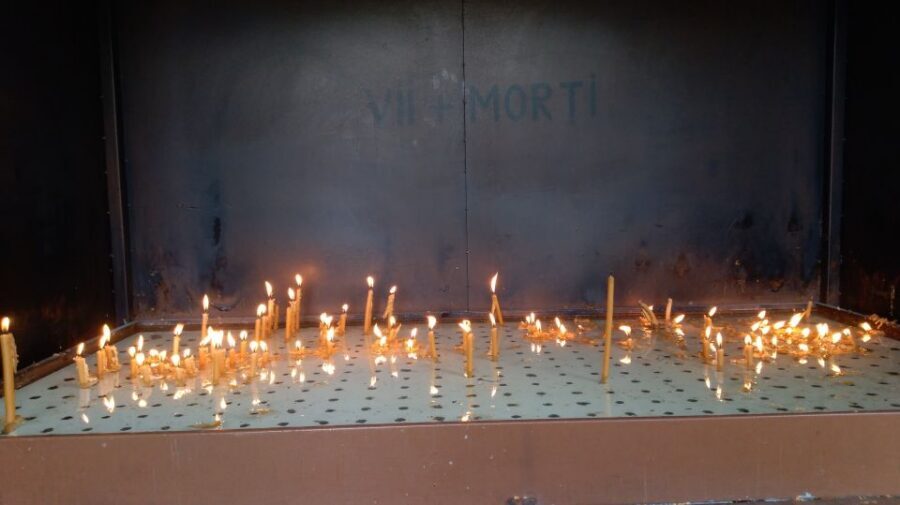
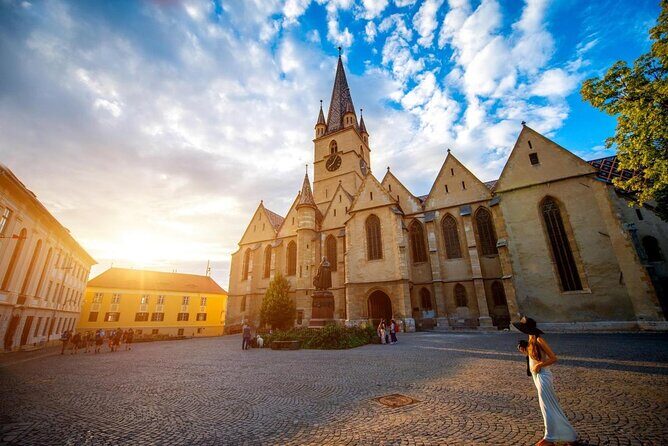
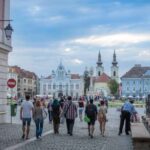
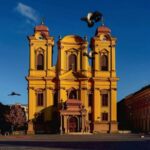
You meet in front of the Orthodox Cathedral, then get pulled into Timisoara’s story right away. That matters, because communist-era history can feel abstract until you’re standing in a real neighborhood and seeing how different communities sat next to each other.
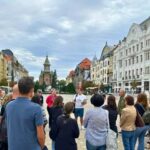
This tour runs about 3.5 hours in a small group capped at 10. That group size is a practical win: it’s easier to ask questions and get answers in English or Romanian without the whole thing turning into a lecture you can’t touch.
Also, the included transport between stops makes the schedule more realistic. You’re still walking enough to feel the city, but you’re not spending half the day commuting or guessing routes. If you’re the type who likes history with clear direction—what happened, where, and why—this format fits.
Bring comfortable shoes. You’ll be moving between multiple sites, including at least one indoor stop in a basement.
You can also read our reviews of more tours and experiences in Timisoara.

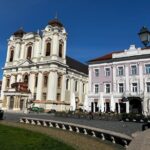

SCARTZ Club and the Communist Customer Museum Basement
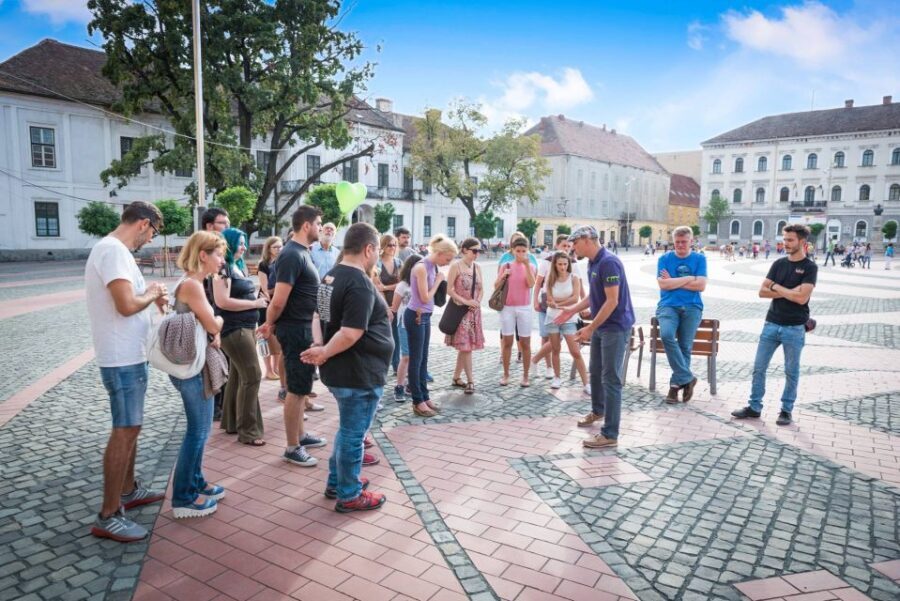
The tour begins at SCARTZ, a place with a reputation for oddball creativity and counterculture energy. Starting there isn’t random. It’s a useful contrast that helps you understand how Timisoara’s identity shifted over time—especially after a system that tried to control culture and everyday life.
From SCARTZ you’ll go to the Communist Customer Museum, located in the basement of the club. Basements tend to change the tone of a story. They’re enclosed. They feel stored-away, like memories you didn’t ask to keep. That’s the right setting for communist-era life, where rationing, shortages, and official messaging shaped daily routines.
What you’re really getting here isn’t just “objects in a room.” It’s the way your guide can translate how people lived—how they adapted, what they watched, and how they navigated rules. The museum stop also sets up later sites: once you understand the rhythm of daily life under communism, the political events you’ll hear about stop being distant.
Nicolae Ceaușescu and the 50-Year Chain to 1989
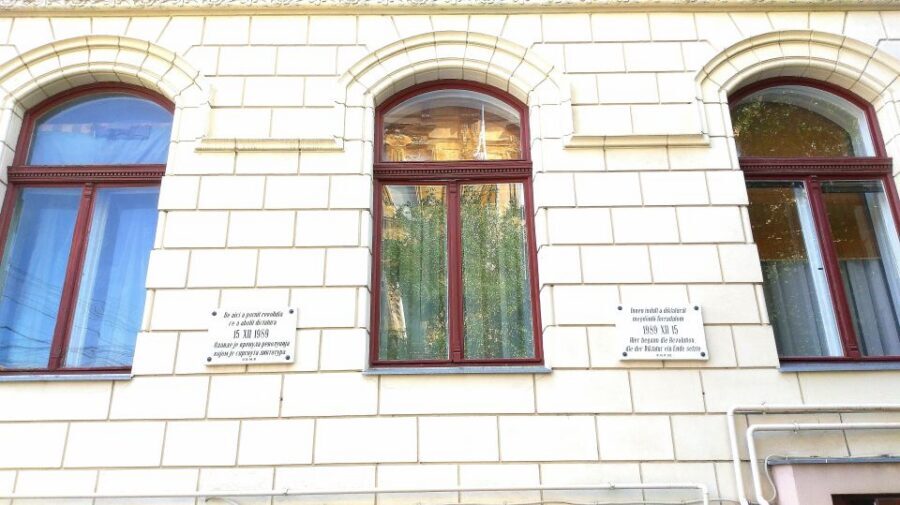
After the SCARTZ museum stop, your guide connects the dots across decades. You’ll hear about Nicolae Ceaușescu and how his long shadow ties into Romania’s 50-year geopolitical evolution, leading to the Romanian Revolution of 1989.
This is where the tour earns its name. Many “communism” tours jump straight to 1989 and treat everything before it like background noise. Here, you get the sense of cause and effect—how politics, external pressure, and internal control created a system that eventually generated resistance.
You’ll also notice how the guide’s style matters. In the tour’s best-rated experiences, the guide comes through as a storyteller rather than just a facts machine. That shows up in comments about guides like Andrei being engaging and about guides adding personal, lived context from their own families. Even when you already know the broad timeline, that human layer helps you understand how people interpreted events in real time.
For you, this section should feel like the backbone of the whole route. It gives meaning to why the next monuments and churches matter.
Anti-Communist Resistance Movement Monument in the 1950s–60s
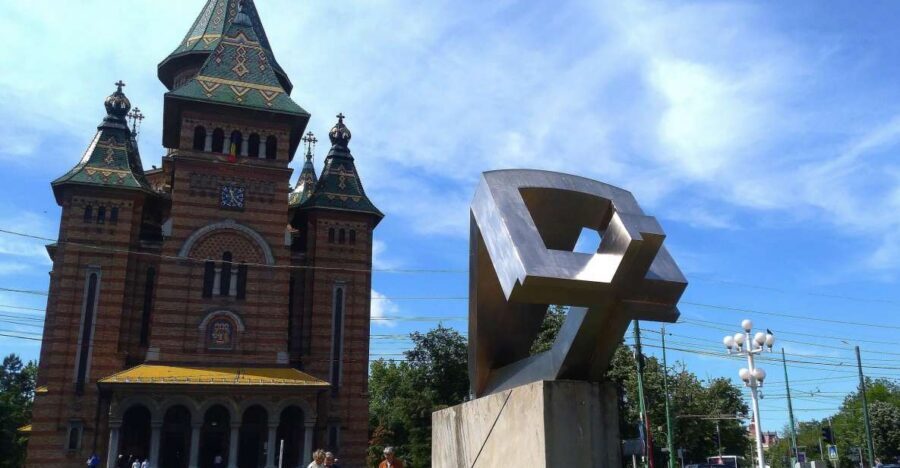
The tour then shifts to resistance. You’ll visit the Anti-Communist Resistance Movement Monument, and your guide explains how Romanians opposed communists harshly during the 1950s and 1960s.
This stop is valuable because it corrects a common misconception: that opposition only “suddenly happened” in 1989. Resistance existed earlier, even if it didn’t immediately change the system. Seeing a monument to that early opposition also shows you how regimes try to reshape the public record—and how memory tries to push back.
When a guide frames resistance like this, you start to recognize a pattern. The later uprising in Timisoara didn’t appear from nowhere. It grew out of decades of tension, fear, and courage. The monument helps you feel that continuity instead of treating 1989 as a single dramatic lightning bolt.
If you care about how revolutions are built, not just how they end, you’ll appreciate this segment. It turns the story from “regime vs. revolution” into “system vs. long-term opposition.”
Reformed Hungarian Church: The December 1989 Uprising Start
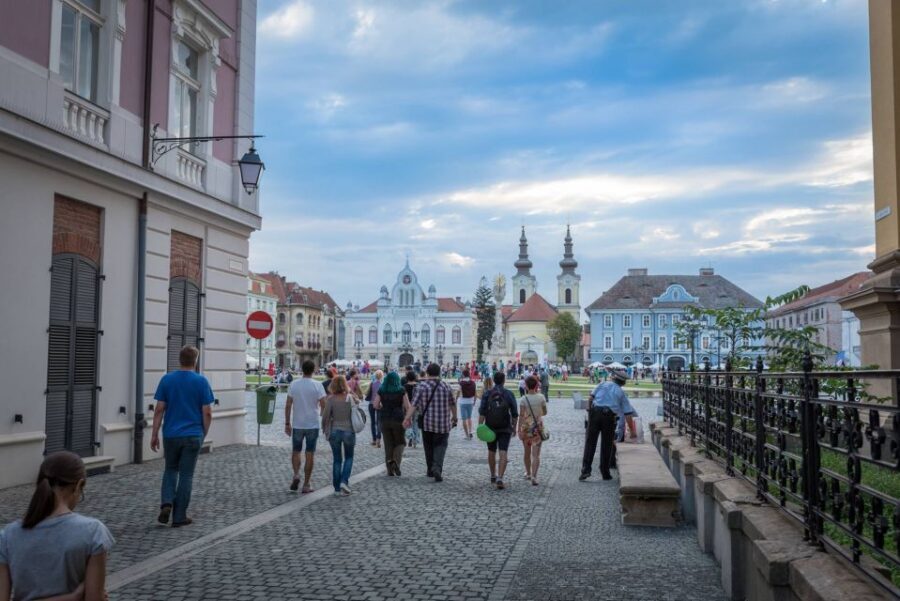
Next comes one of the most important location-based moments: the Reformed Hungarian Church. According to the tour, this is the place where the uprising started in December 1989.
You’ll also hear that the church served as the local headquarters of the former Communist Party. That detail is a real mind-set changer. It forces you to confront the uncomfortable fact that political power and community institutions can overlap. In other words, history doesn’t only unfold in government buildings. It spreads through spaces people recognize.
This is also where your guide’s tone becomes especially important. The uprising story needs clarity, and the tour is built to give it. You’ll learn how events escalated in Timisoara and why they became part of the broader endgame leading to the fall of Ceaușescu’s regime.
Practical tip: if you’re sensitive to heavy political themes, plan your pacing here. This stop is emotional and intense, and it makes sense to let the details land instead of rushing photos.

Cemetery of Revolution Heroes and the Final Days
After the uprising origin, the tour heads to the Cemetery of Revolution Heroes. This stop is designed for the last stage of the story: the final events that led to the end of Ceaușescu’s regime.
Cemeteries are never just about names. They’re about the cost of political change. Walking through a place like this shifts the history from headlines into consequences: people died, and the state that ruled for decades couldn’t ultimately prevent that reality.
What helps here is that the tour doesn’t separate “politics” from “people.” The same narrative you heard earlier about the chain of events becomes personal in this setting. If you’ve ever felt that history lessons become too clean, this is the part that pushes back against that.
You’ll also hear more about the Anti-Communist and Anti-Ceaușist Revolution of Timisoara, with emphasis on how Timisoara’s uprising tied into the end of the regime across Romania.
Revolution Memorial of Timisoara: What the Ending Teaches
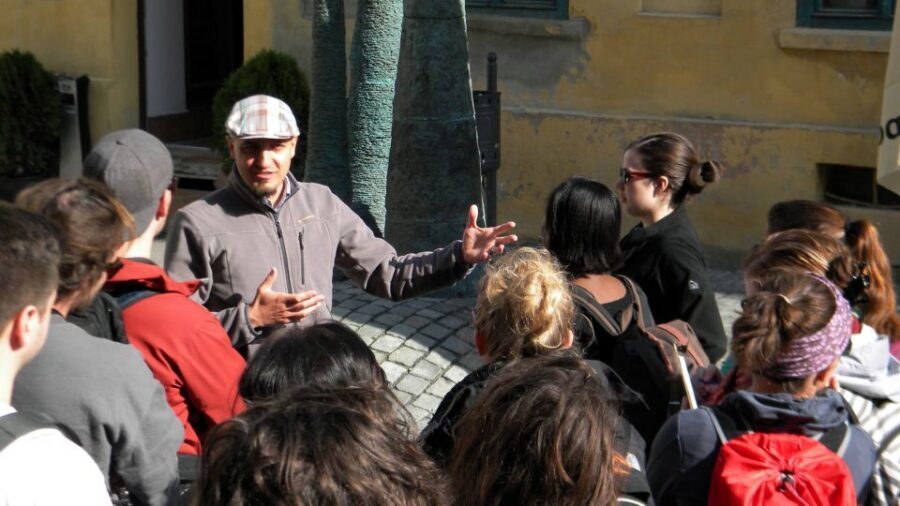
The tour ends at the Revolution Memorial of Timisoara. This site honors people involved in the anti-Ceaușescu revolution, which ultimately helped bring an end to the Ceaușescu regime in Romania.
Here’s what makes the ending worth it: the memorial ties your experience together. Earlier stops explain the system and the resistance. The cemetery brings the human cost. The memorial focuses on what the uprising achieved and why it mattered beyond the city.
One practical note: the Revolution Memorial entrance fee is 20 RON, and it’s not included in the tour price. That’s not a deal breaker, but it is a real extra cost you should plan for so you’re not surprised at the last stop.
Also, if you’re the kind of person who reads plaques slowly, give yourself time here. The tour ends after this visit, so you’ll want to absorb it instead of rushing through.
Price and Time: Does $70 Make Sense?
The price is $70 per person for a 3.5-hour tour with a guide and transportation between stops. On its face, it’s not cheap. The value comes from three things working together:
- You get multiple high-meaning stops in one compact loop—SCARTZ and its basement museum, resistance monument, the uprising-connected church, a cemetery, and the final memorial.
- You’re not doing the logistics yourself. Included transport between stops makes the schedule tight but doable, so you’re maximizing learning time.
- Small group size means you’re more likely to get back-and-forth explanations. The tour has a limit of 10 participants, and the feedback highlights guides who tell stories in a way that lands.
Compared with a “drive-by” city walk, this has more structure and more emotional weight. If that’s the kind of history you’re seeking—grounded in locations, not just words—then the cost usually feels fair.
Who Should Book This Tour (and Who Might Not)
Book this if you want a history experience that’s specific to Timisoara, with a clear storyline from Ceaușescu’s era to 1989. You’ll get the most from it if you enjoy asking questions and if you like guided context that explains how everyday life connects to political events.
Also, the guide language options are a plus. The tour runs with live guidance in English and Romanian, so you can choose what’s comfortable.
You might think twice if you want a light, upbeat outing. This is built around Romania’s darkest years, resistance, and the end of a harsh regime. It’s not misery for its own sake, but it’s not casual either.
Should You Book the Timisoara Grand Communism Tour?
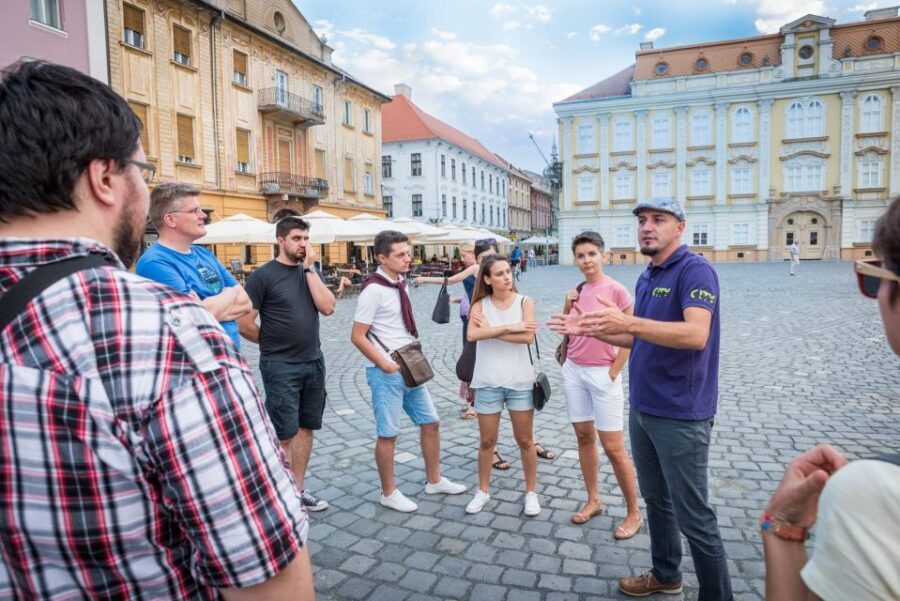
I think this tour is a strong choice if you’re going to Timisoara for more than just a weekend stroll. The combination of SCARTZ’s Communist Customer Museum stop, the uprising-connected Reformed Hungarian Church, and the closing memorial gives you a full arc: system → opposition → explosion → aftermath.
Because the group is small and the guide quality is a standout point (names like Andrei and Sergiu come up in feedback, with special praise for engaging explanations and strong English), it’s the kind of tour where you’re likely to leave with a better grasp of what 1989 meant and why it happened in Timisoara.
If the subject matter suits you—and you’re okay paying the 20 RON memorial entrance fee—this is an efficient way to understand the city’s most pivotal chapter.
FAQ
How long is the Grand Communism Tour in Timisoara?
The tour lasts 3.5 hours.
How much does it cost?
The price is listed as $70 per person.
Where do I meet for the tour?
You meet in front of the Orthodox Cathedral.
Is this a small group tour?
Yes. It’s limited to a small group of up to 10 participants.
What languages is the tour available in?
The tour guide provides live commentary in English and Romanian.
What’s included in the price?
The tour includes a tour guide and transportation between stops.
Is the Revolution Memorial entrance fee included?
No. The Revolution Memorial has an entrance fee of 20 RON, which is not included.
Is free cancellation available?
Yes. You can cancel up to 24 hours in advance for a full refund.