REVIEW · TIMISOARA
Timisoara: Jewish Heritage Walking Tour
Book on GetYourGuide →Operated by Timisoara City Tours · Bookable on GetYourGuide
Timisoara has a Jewish story worth slowing down for. On this Jewish Heritage Walking Tour, you follow the city’s timeline with a special focus on Jewish life past and present, guided in English (and Romanian). I especially liked seeing the Moorish synagogue and then getting oriented to the Status Quo synagogue in Fabrikstadt, because the guide explains not just what you’re looking at, but why it matters.
One thing to keep in mind: at $70 you’re paying for the guide and the route, but admission tickets aren’t included. Also, the Jewish cemetery stop at the end may be possible, but it’s not guaranteed.
In This Review
- Key highlights at a glance
- A 2.5-hour walking tour that reads Timisoara differently
- Meeting at Strada Alba Iulia 2: easy start, clear direction
- City-center Jewish Quarter: getting the map in your head
- Moorish synagogue: architecture you can actually recognize
- Fabrikstadt and the Status Quo synagogue: why the building carries weight
- Jewish townsmen and city buildings: seeing the city’s fingerprints
- The Stolperstein in Romania: a small marker with a huge lesson
- What about the Jewish cemetery stop at the end?
- Price and value: $70 for a private, themed guide
- Best for you if you like context, not checklists
- Practical tips before you go
- Should you book this Timisoara Jewish Heritage Walking Tour?
- FAQ
- How long is the Timisoara Jewish Heritage Walking Tour?
- What is the meeting point for the tour?
- How much does the tour cost?
- Is the tour private or shared?
- What languages are available for the guide?
- Are admission tickets included?
- What should I bring?
- Will the Jewish cemetery be visited?
- Can I cancel for a full refund?
- Is there an option to reserve without paying right away?
Key highlights at a glance
- Small Jewish Quarter focus in the city center, so you get real context instead of random photo stops
- Moorish synagogue on the route, with an architecture-forward look
- Status Quo synagogue in Fabrikstadt, including why the building is so important for the community
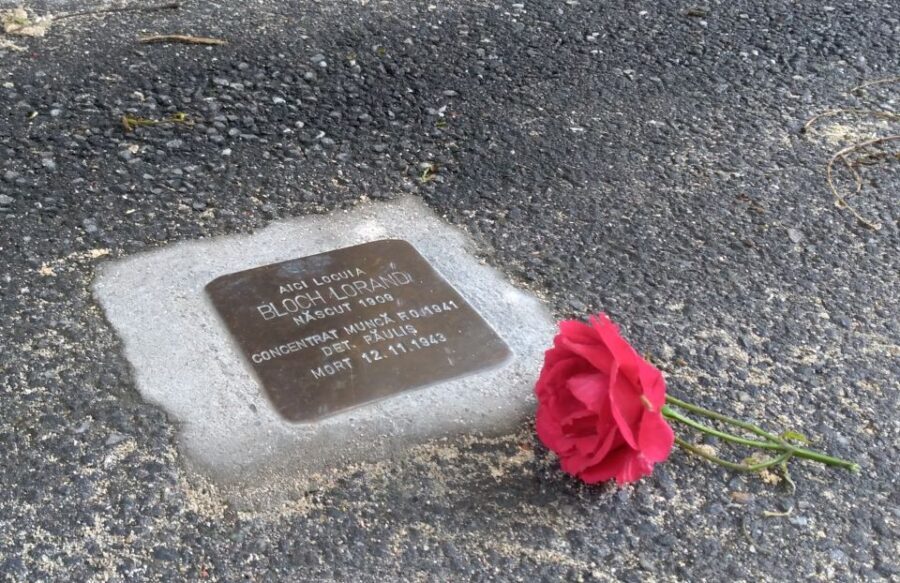
- Only Stolperstein in Romania on this tour, with names and dates tied to Holocaust victims
- City buildings financed and designed by Jewish townsmen, helping you read Timisoara differently
- Private group pacing, with a live guide in English or Romanian
A 2.5-hour walking tour that reads Timisoara differently
This isn’t a museum-on-a-timetable tour. It’s a walk where each stop acts like a chapter. You start in the city center, then move to Fabrikstadt, and the story stays anchored on Jewish heritage and the lived reality of a community that shaped parts of Timisoara’s look and identity.
I like that the tour is only 2.5 hours. You get enough time to feel the route, hear the context, and still keep the rest of your day open for exploring on your own. The guide also frames what you see with past and current events, which helps the sites feel relevant rather than stuck in the past.
You’ll be in a private group. That usually means fewer distractions and more room for questions, especially if English is your primary comfort language and you want the guide to repeat or explain an architectural detail.
You can also read our reviews of more walking tours in Timisoara



Meeting at Strada Alba Iulia 2: easy start, clear direction
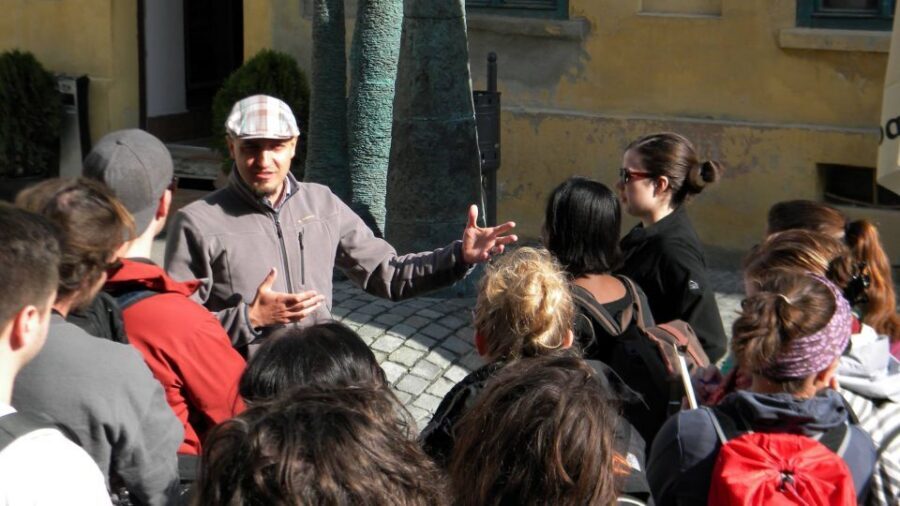
You meet your guide in front of the Tourist Information Center at Strada Alba Iulia 2, Timișoara 300077. This is the kind of meeting point that’s practical: it’s central and designed for visitors, so you can get oriented fast before walking begins.
Plan on comfortable shoes. This is a walking tour, and your comfort matters more than anything else. You don’t want sore feet cutting into your attention when the tour is asking you to look closely at buildings and memorials.
If you’re trying to fit this into a tight schedule, do check starting times when you book. The tour notes that start times depend on availability, so your best move is to pick a slot that lines up with your energy level and the rest of your sightseeing plan.
City-center Jewish Quarter: getting the map in your head
The route begins by exploring Timisoara with a focus on the small Jewish Quarter in the city center. That’s an important choice. If you only visit stand-alone landmarks, you miss the neighborhood logic: how people lived close together, how community life shaped streets, and how buildings became part of a shared identity.
Here, the guide helps you connect details in the streets to the bigger story of Jewish presence in Timisoara. You’re not just collecting facts. You’re building a mental map—where things were, why they were there, and how the community’s story moved through time.
This kind of neighborhood framing also makes the later stops click. When you reach Fabrikstadt and see the Status Quo synagogue, you’re not starting from zero. You’re already thinking about the city as a network of community spaces.
Moorish synagogue: architecture you can actually recognize

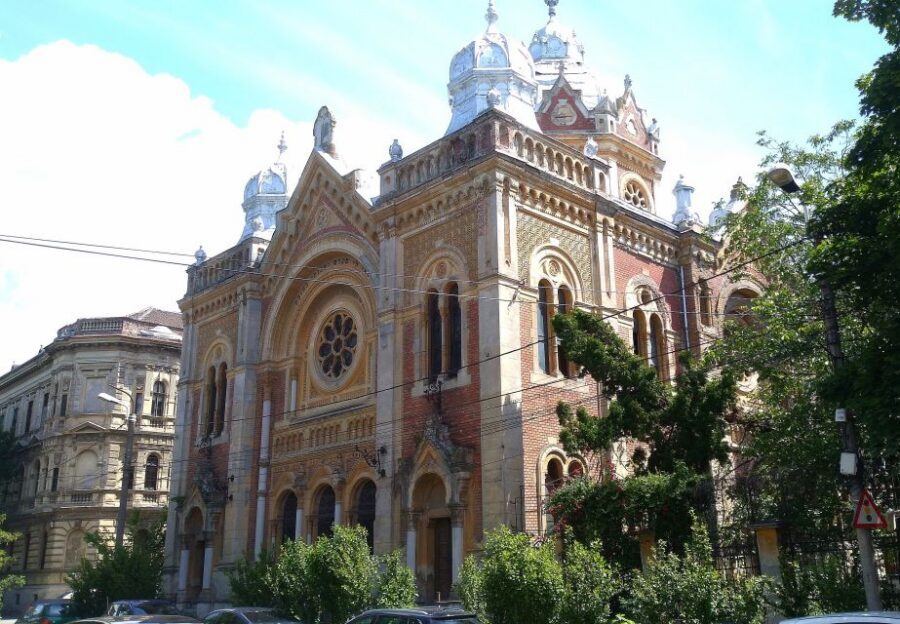
One of the highlights is the Moorish synagogue. The tour doesn’t treat it as a generic landmark. You get to see a style choice that clearly signals how the synagogue wanted to be seen, and you’ll hear the story behind its place in Timisoara’s Jewish landscape.
What I like about this stop is that it gives you a visual anchor early on. After a few minutes, you start noticing details because you have context for them. Even if you’re not the type who reads every plaque, the guide’s framing helps you look with intention.
And because this is a walking tour, you get quick transitions. That matters when you’re seeing multiple religious buildings in one outing. You’re not shuttling around with long gaps between viewpoints—you’re staying in flow.
Fabrikstadt and the Status Quo synagogue: why the building carries weight

Next comes Fabrikstadt, where you’ll visit the impressive Status Quo synagogue. The tour specifically calls out the synagogue’s story and architecture, and that’s where the guided component becomes more than nice-to-have.
Synagogues are more than places of worship. They’re community statements. They show what a group valued, how it organized itself, and how it wanted the broader city to understand it. Here, the guide helps you see the building as evidence of Jewish civic life, not just a historical relic.
The value of this stop isn’t only the building. It’s the explanation of why the synagogue is important and how its architecture fits into the larger narrative of Timisoara. When you finish, you’ll likely feel like you can point at the building and say, I know what this represents, not just what it looks like.





Jewish townsmen and city buildings: seeing the city’s fingerprints
The tour also includes a point that often gets overlooked on heritage walks: a number of Timisoara’s stunning buildings were financed and designed by Jewish townsmen. That detail changes how you look at the city.
Instead of treating Timisoara’s architecture as anonymous, you start noticing patterns in names, styles, and influences. Even when you can’t identify every building’s backstory right away, the guide’s framing teaches you what to pay attention to next.
This is also why a focused heritage tour can be so useful. You’re not only learning facts about Jewish sites. You’re learning a method for reading the city.
The Stolperstein in Romania: a small marker with a huge lesson

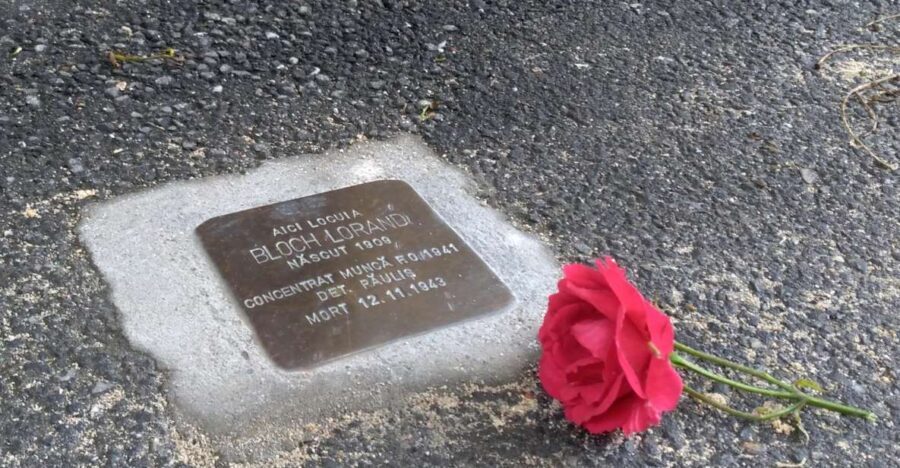
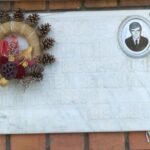
The tour’s emotional pivot is the stop at the only Stolperstein in Romania. The guide explains what Stolpersteine are—small monuments made of iron or copper, engraved with the name and life dates of Holocaust victims.
This is one of those moments where the pace tends to matter. The size of the marker contrasts sharply with the weight of what it represents. You’re looking at something physically small, but it’s pointing to a history of enormous violence under the Nazi regime during World War II.
What I find most powerful is the personalization built into the design: names and dates. It turns a massive crime into something specific and human. That doesn’t make the subject lighter—it makes it clearer.
If you’re sensitive to heavy topics, plan for it. But if you’re ready to learn with respect, this stop is one of the reasons the tour is worth it.
What about the Jewish cemetery stop at the end?
Depending on availability, it may be possible to visit the Jewish cemetery of Timisoara at the end of the tour. The key word here is may. It’s not guaranteed, so you should treat it as an optional bonus, not a promise.
If it happens, a cemetery visit can add a different kind of context—one tied to memory, family, and local continuity. If it doesn’t, you still get the core route through the city center Jewish Quarter, the two synagogues, and the Stolperstein stop.
Either way, the guide’s focus stays consistent: you leave with a clearer picture of Jewish community life in Timisoara, and not just a list of places you visited.
Price and value: $70 for a private, themed guide
Let’s talk value in plain terms. The tour costs $70 per person for a 2.5-hour private walking experience. You’re paying for a live guide, a focused route, and English or Romanian interpretation.
Admission tickets are not included, so your true cost depends on whether the guide adds any paid entries along the way. That’s not a dealbreaker—just something to factor in. If the synagogues you visit require tickets, budgeting ahead helps you avoid surprises.
The biggest value lever here is focus. You’re not doing a generic city walk. You’re getting Jewish heritage in Timisoara, including architecture, neighborhood context, and the Stolperstein memorial that’s unique in Romania. For many people, that combination of sites and interpretation is what makes the price feel fair.
Best for you if you like context, not checklists
This tour suits you best if you:
- want a guided explanation of Jewish heritage sites in Timisoara (not just photos)
- enjoy architecture-aware stops like the Moorish synagogue and the Status Quo synagogue
- want a route that includes both religious landmarks and a Holocaust memorial
- prefer a private group pace and a chance to ask questions
It might be less ideal if you only want surface-level sightseeing. This outing includes heavy subject matter and places where you’ll need a few extra moments of attention.
And if you’re traveling with kids, you’ll want to use your judgment. The tour touches Holocaust-related history through the Stolperstein. It’s educational, but it’s still heavy.
Practical tips before you go
Bring comfortable shoes. That’s the only hard requirement listed, but it’s also the one that will matter most.
Also plan around the tour’s time limit. With 2.5 hours, the guide keeps things moving. You’ll have time to absorb, but you won’t have hours at each stop. Think of it as a guided framework that makes your later independent exploring better.
Finally, arrive on time at Strada Alba Iulia 2. Start matters. A walking tour runs like a clock. You don’t want to miss the initial orientation that helps you understand what you’ll see next.
Should you book this Timisoara Jewish Heritage Walking Tour?
I’d book this tour if you want Jewish heritage in Timisoara explained with care, and you’re excited to see more than one synagogue plus the Stolperstein memorial that’s rare in Romania. The private format and bilingual live guide make it easier to understand architectural and historical references without getting lost in translation.
Don’t book it expecting a ticket-based bargain. Since admission tickets aren’t included and the cemetery stop depends on availability, you’ll get best results when you plan for a guided walk plus possible paid entries. If you can accept that, this is a strong way to spend 2.5 hours in Timisoara with focus, meaning, and excellent sight selection.
FAQ
How long is the Timisoara Jewish Heritage Walking Tour?
It lasts 2.5 hours.
What is the meeting point for the tour?
Meet your guide in front of the Tourist Information Center at Strada Alba Iulia 2, Timișoara 300077.
How much does the tour cost?
The price is $70 per person.
Is the tour private or shared?
This experience is a private group.
What languages are available for the guide?
The live tour guide is available in English and Romanian.
Are admission tickets included?
No. Admission tickets to attractions are not included.
What should I bring?
Wear comfortable shoes.
Will the Jewish cemetery be visited?
It may be possible to visit the Jewish cemetery of Timisoara at the end of the tour, but it is not guaranteed.
Can I cancel for a full refund?
Yes. You can cancel up to 24 hours in advance for a full refund.
Is there an option to reserve without paying right away?
Yes. You can reserve now and pay later.