REVIEW · TIMISOARA
Timisoara Dream Tour in Elisabetin Neighborhood
Book on GetYourGuide →Operated by Timisoara Dream Tours · Bookable on GetYourGuide
If you like architecture with a pulse, go. This Elisabetin walk turns Timișoara’s Art Nouveau Secession details into real stories, from the 1989 revolution spark near Maria Square to the statues and façades you’d miss wandering alone. I especially loved pairing the street-level building details with the political and neighborhood context, and I liked how the route stays calm and readable. One possible drawback: you’ll be on your feet for the full 2.5 hours, and you’re not allowed to bring luggage or large bags.
For $30 per person, you get a guided tour in Romanian, English, or French plus paper flyers with extra info. It runs rain or shine, so plan for weather and bring water, since food and drinks are not included. You’ll meet with a guide wearing a red coat, and you’ll finish back in the Balcescu area.
In This Review
- Key highlights worth showing up for
- Why Elisabetin Feels Different From Central Timișoara
- Meeting at Mocioni Square and Getting Your Bearings
- Maria Square to Piața Sfânta Maria: Where 1989 Began Nearby
- Piața Plevnei and the Gherghe Doja Statue Moment
- Along Strada Gheorghe Doja: Reading the Neighborhood’s Main Artery
- Carmen Sylva Park: The Greek-Catholic Church and Laszlo Szekely
- Bulevardul Mihai Viteazu and the Faculty of Mechanics Stop
- Piața Bălcescu Finish: Catholic Church and Monastery Buildings
- Price and Value: Is $30 Worth 2.5 Hours?
- What I Think This Tour Is Best For
- Should You Book the Timisoara Dream Tour in Elisabetin?
- FAQ
- How long is the Elisabetin Dream Tour?
- How much does the tour cost?
- Where do I meet the guide?
- What languages are offered?
- Does the tour run in bad weather?
- Is food or drink included?
- Are you allowed to bring luggage or large bags?
- What’s included in the price?
- Where does the tour finish?
- Can I cancel or book without paying today?
Key highlights worth showing up for
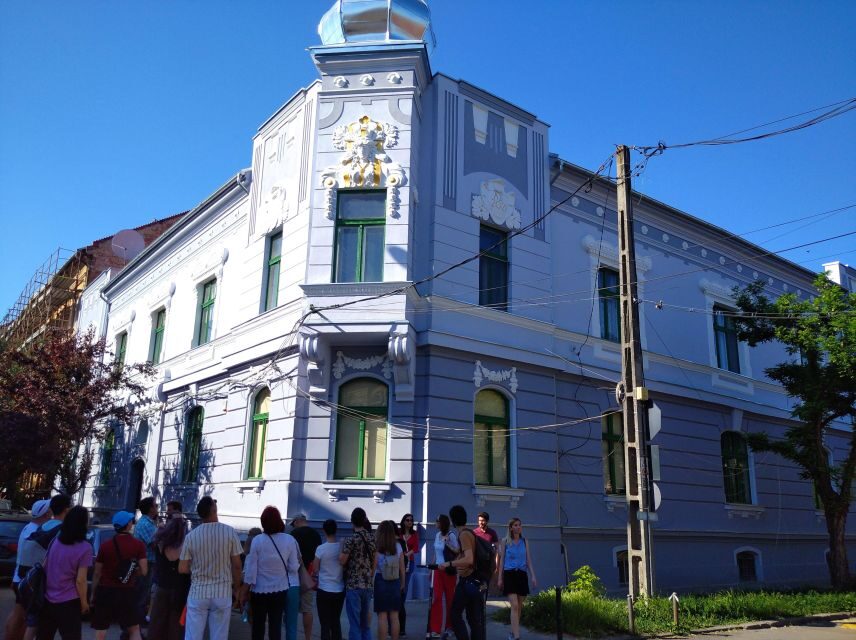
- Art Nouveau (Secession) architecture you can actually spot and explain
- Romanian Revolution context from 1989 near the Protestant church area
- Piața Plevnei with the statue of Gherghe Doja in an Art Nouveau square
- Carmen Sylva Park and the Greek-Catholic church plus Laszlo Szekely statue
- Balcescu Square finale with the Catholic church and monastery buildings
Why Elisabetin Feels Different From Central Timișoara
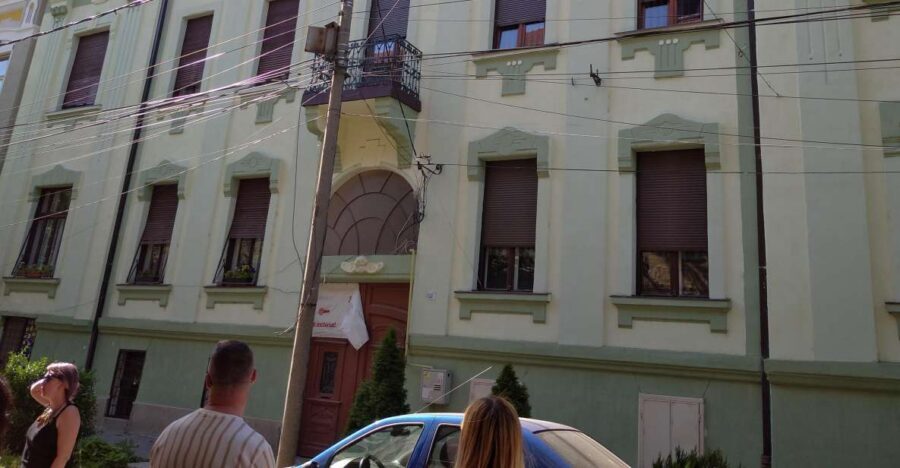
Elisabetin is a quieter, more refined residential neighborhood than the main tourist lanes, and that difference matters. The streets give you time to look up. You’re not just passing buildings; you’re learning how to read them.
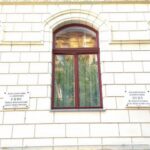
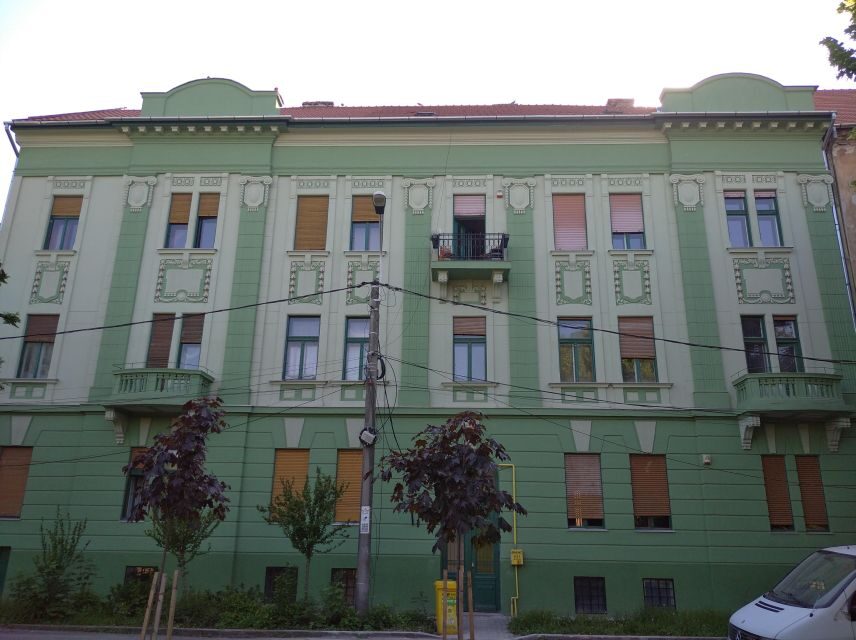
This tour focuses on the Art Nouveau Secession style, which shows up in facades, ornamental details, and the way entire squares feel designed rather than accidental. When you notice these patterns, Timișoara stops looking like a single city sight and starts looking like a connected design story.
You can also read our reviews of more tours and experiences in Timisoara.


Meeting at Mocioni Square and Getting Your Bearings
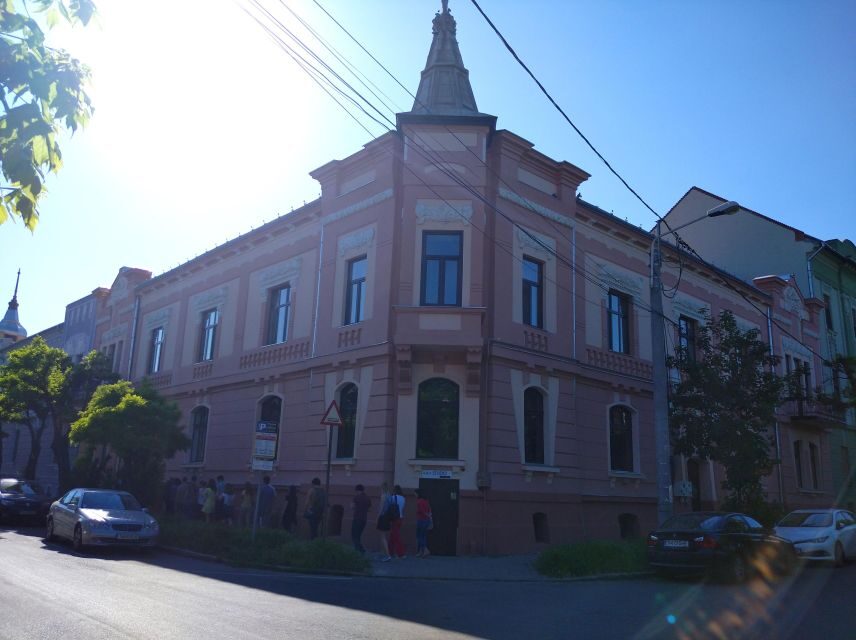
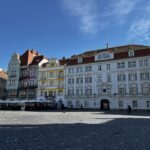
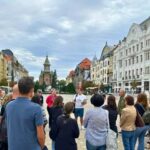
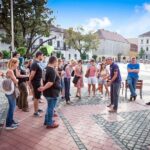
You start at Piața Alexandru Mocioni (Mocioni Square), and your guide will be wearing a red coat, so you can spot them quickly. The tour lasts about 2.5 hours, and it’s set up as a walking route, not a ride with occasional stops.
A practical note: large bags and luggage aren’t allowed, so travel light. Also, it’s rain or shine, meaning you’ll want shoes that handle wet sidewalks and a jacket you can move in.
Maria Square to Piața Sfânta Maria: Where 1989 Began Nearby
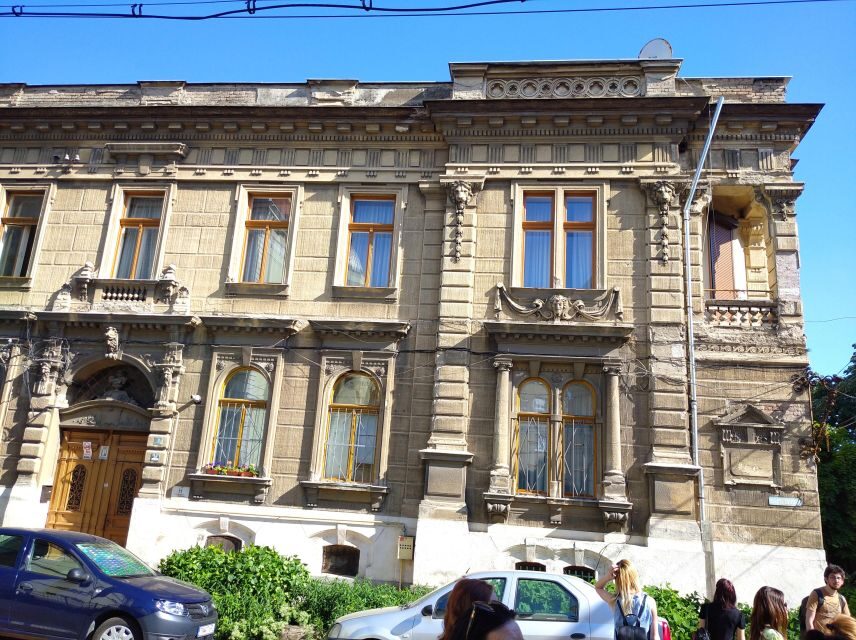
You’ll get oriented around the area of Piața Sfânta Maria, where the story connects to the Romanian Revolution from 1989. The key detail here is that the revolution began not far from this neighborhood area, near the Protestant church.
What I like about this stop is the way it stops being abstract. Instead of reading about the revolution in a textbook, you’re seeing a setting that helps you understand why a residential district could become part of something historic. Even if you already know the big facts, this kind of location-based storytelling makes the timeline feel more real and human.
At this stage in the walk, the guide sets the tone: you’re there to notice both architecture and the people who used these streets. That balance stays with you through the rest of the tour.
Piața Plevnei and the Gherghe Doja Statue Moment
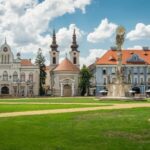
Next comes Piața Plevnei, where the Art Nouveau theme becomes much easier to see because you’re standing in an open designed space. In the middle of the square is the statue of Gherghe Doja, which gives you a clear focal point while you look at the surrounding buildings.
This is one of those stops where you’ll probably catch yourself glancing up and around more than you planned. The square works well for photographs because it combines a central monument with the surrounding architecture, so you can frame both the statue and the style at once.
If you like history that has visible markers in the street environment, this is a strong payoff stop. It’s not just decorative. The square’s focus makes the neighborhood feel like a place with a past that’s still present.
Along Strada Gheorghe Doja: Reading the Neighborhood’s Main Artery
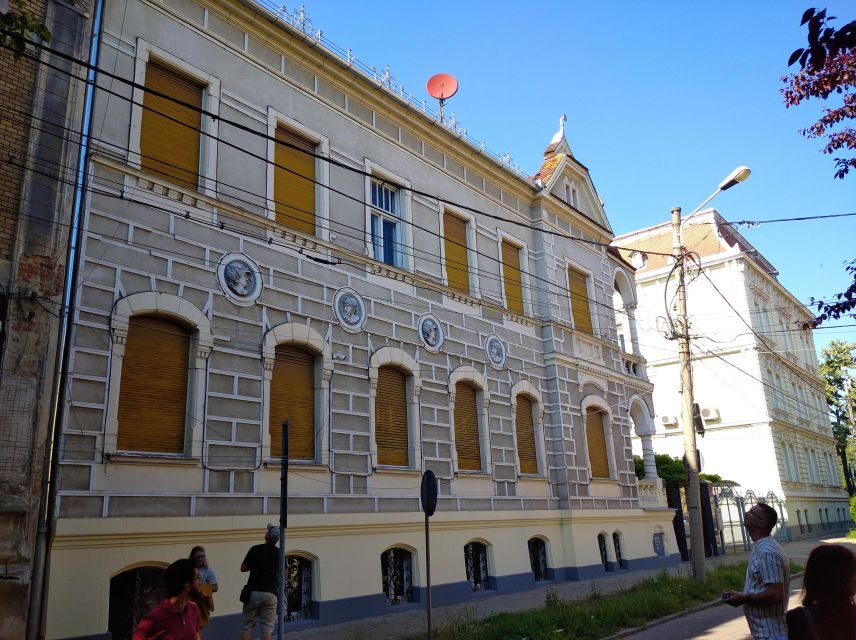
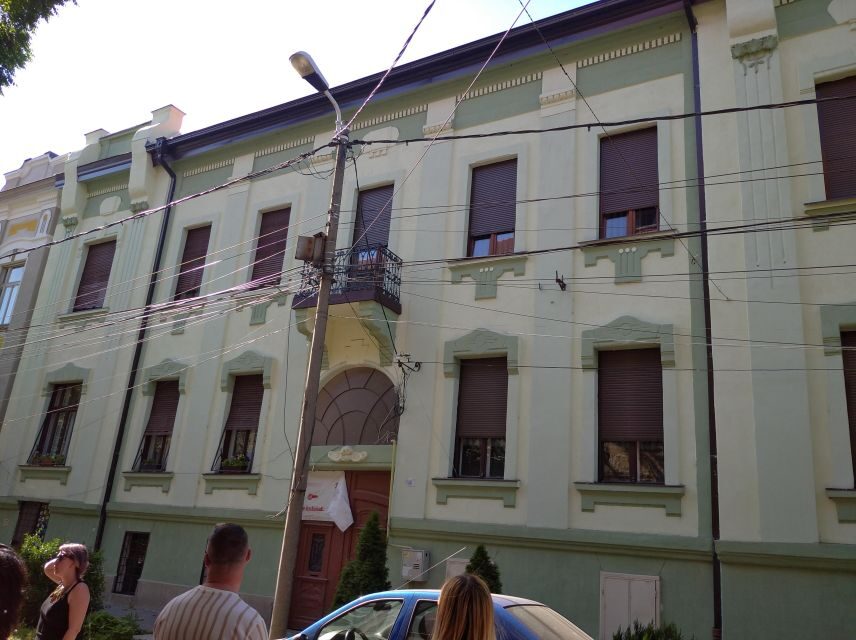
Then you follow Gheorghe Doja Street, the main artery of the route. This section is about momentum: you walk, the buildings come in sequence, and you start to recognize what the guide is pointing out.
The benefit here is simple. When you see multiple Art Nouveau-style facades on the same line of walking, you stop treating style as a single landmark and start seeing it as a neighborhood pattern. It becomes less of a museum feeling and more of a real city walk.
You’ll also get a sense of everyday scale. These are the kinds of buildings people live with. That changes your perspective from admiration to understanding. You’re learning what “Secession” means when it’s not behind glass.

Carmen Sylva Park: The Greek-Catholic Church and Laszlo Szekely
After that city-street stretch, the tour heads to Carmen Sylva Park, which gives your legs and your eyes a different kind of space. Parks break up architecture-heavy walking, and this one feels like a natural pause before the final big squares.
Here you’ll find a Greek-Catholic church and, in the park, a statue of Laszlo Szekely, described as the chief architect and creator of the modern Timișoara. Even if you’re not a design expert, this stop helps you connect names to the built environment.
I like that the guide links architecture to city shaping rather than treating it as style only. When you hear Szekely’s role in the modern city idea, the Art Nouveau details start to feel purposeful. They’re not just pretty. They’re part of how the neighborhood and city were trying to look and function at a turning point.
Bulevardul Mihai Viteazu and the Faculty of Mechanics Stop
Next you reach Bulevardul Mihai Viteazu, including a stop near the Faculty of Mechanics area. This part is useful because it broadens the scope beyond the smaller residential feel you had earlier.
You’ll admire representative buildings on Mihai Viteazu Boulevard, and you’ll also catch part of Tudor Vladimirescu Street. That shift matters. It shows you how the same design thinking can appear across major streets, not only within the quiet neighborhood core.
A small practical tip: this is a great time to slow down and look both ways. On broad boulevards, details can sit higher up on facades or on corners, and you’ll miss them if you only watch the road ahead.
Piața Bălcescu Finish: Catholic Church and Monastery Buildings
The tour ends at Piața Nicolae Bălcescu (Balcescu area), with a final look at the Catholic church and the monastery building there. This closing section feels like a visual conclusion: the walk ends where the architecture becomes more formal and public-facing.
It’s also a nice way to wrap up the theme of “neighborhood life.” Earlier you were in residential streets and designed squares. Now you’re at an institutional cluster—church, monastery—where the neighborhood’s story expands into broader community structures.
If you want an easy win for souvenirs, use this finale to grab a couple of last photos without rushing. The tour pacing usually gives you enough time to appreciate the scene before you finish.
Price and Value: Is $30 Worth 2.5 Hours?
At $30 per person for about 2.5 hours, the value is solid if you enjoy two things: noticing architectural details and hearing what those details meant locally. The tour isn’t built around quick photo stops. It’s structured to connect buildings to events and people.
What you get is modest but meaningful: a live guide plus flyers with extra info. Since food and drinks are not included, it’s worth planning ahead with water and a light snack before you start, especially if you’ll walk through multiple squares.
Also, the small-group feel matters. The route is designed for walking and conversation, so you’re not just standing around in crowds. That makes the stories land better, and you tend to remember more when you walk through the places where things happened.
What I Think This Tour Is Best For
This tour fits you best if you want an off-center side of Timișoara. It’s ideal for people who love architectural styles like Art Nouveau / Secession and want to learn how to spot them in real time.
It’s also a good choice if you’re interested in Romanian modern history and want location-based context near the 1989 revolution beginnings. If you like your sightseeing with a clear narrative thread, this route gives you that from stop to stop.
If you hate walking, you’ll probably find this challenging. It’s not a long trek, but it is continuous, and you’ll want comfortable shoes.
Should You Book the Timisoara Dream Tour in Elisabetin?
Yes, if you want a high-value city walk that blends architecture with place-based history in a neighborhood that doesn’t feel like a postcard loop. The route hits the big visual anchors you should see in Elisabetin—Piața Plevnei with Gherghe Doja, Carmen Sylva Park with the Laszlo Szekely statue, and the final church and monastery at Balcescu Square—without turning it into a rushed checklist.
Book it with confidence if you’re traveling at a relaxed pace and you like learning while you walk. Skip it only if you need a mostly seated experience or you’re traveling with bulky luggage you don’t want to manage.
FAQ
How long is the Elisabetin Dream Tour?
It takes about 2.5 hours.
How much does the tour cost?
The price is $30 per person.
Where do I meet the guide?
Meet at Mocioni Square. Your guide will be wearing a red coat.
What languages are offered?
The live guide speaks Romanian, English, and French.
Does the tour run in bad weather?
Yes. It takes place rain or shine.
Is food or drink included?
No. Food and drinks are not included.
Are you allowed to bring luggage or large bags?
No. Luggage or large bags aren’t allowed.
What’s included in the price?
You get flyers with interesting information.
Where does the tour finish?
It ends in the Balcescu area at Piața Nicolae Bălcescu.
Can I cancel or book without paying today?
You can cancel up to 24 hours in advance for a full refund. You can also reserve now and pay later, keeping your plans flexible.