Skip the big boulevards for a quieter Bucharest.
This 2.5-hour walking tour threads the story of modern Bucharest through architecture and neighborhood history, starting at the National Theatre and ending near Bulevardul Magheru. I love how the guide turns confusing layers into clear pictures: how Ottoman influence shaped life here, then how mahallas formed distinct quarters, and later how war and Ceausescu-era demolition changed the city. I also like the built-in rhythm of snacks and refreshment pauses, so you’re not just marching between photo stops. One consideration: it’s still a walking tour, so bring comfortable shoes and expect moderate fitness effort.
Small groups keep it human. With a maximum of 12 people and an English-speaking guide, you get real back-and-forth rather than rushed talking. You’ll start at 10:00 am at Ion Luca Caragiale National Theatre, then finish at a landmark you can easily regroup from—KFC on Bulevardul General Gheorghe Magheru 28–30. If you like Bucharest best when it’s slower and more local, this format fits.
In This Review
- Key takeaways before you go
- Bucharest Through Layers: Ottoman Influence to Mahallas and Demolition
- Teatrul National Ion Luca Caragiale: Where the Tour Starts with Architecture and Story
- Strada Bătiștei and Mahallas Neighborhoods: The City’s Social Map
- A small caution on this section
- Parcul Ion Voicu: Belle Époque Mansions and a Breathing Pause
- Refreshment Breaks and Snacks: What’s Actually Included
- Local Guides Turn Streets into a Conversation (Andrea, Ioana, Mircea Constantin, Roxana)
- Price and Value: Why About $46.86 Can Make Sense
- Where You Meet, Where You End, and How to Plan Your Day
- Final Thought: Should You Book This Hidden Bucharest Walk?
- FAQ
- How long is the Unique Tour of Hidden Bucharest?
- What time does the tour start and where is the meeting point?
- What is included in the price?
- Are admission tickets required at the main stops?
- Is the tour offered in English?
- Do I need hotel pickup or drop-off?
- How big is the group?
- What’s the cancellation window for a refund?
Key takeaways before you go
- Mahallas explained in plain terms so the neighborhoods make sense fast
- Ottoman influence without the usual tourist oversimplification
- Strada Bătiștei and surrounding quarters reveal how cultures and buildings overlap
- Belle Époque calm at Parcul Ion Voicu, with a softer pace than major avenues
- Snacks included, plus refreshment breaks that feel practical, not staged
- Maximum 12 travelers, so questions and detours are easier
Bucharest Through Layers: Ottoman Influence to Mahallas and Demolition
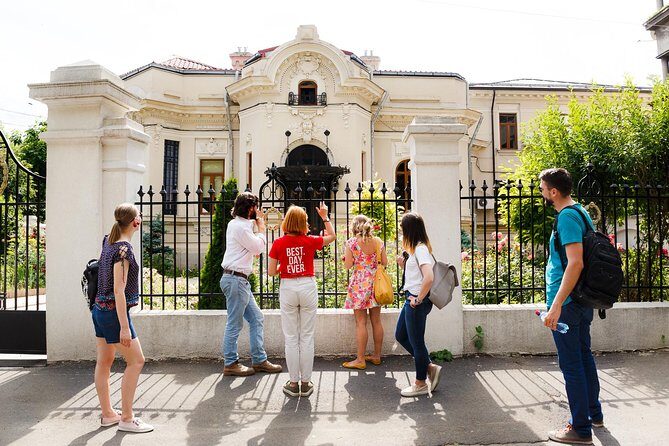
Bucharest is often sold as grand boulevards and big monuments. This tour takes a different angle: how the city grew in pockets, why those pockets mattered, and how later events cracked and reshaped them.
A key idea you’ll hear is that Bucharest’s relationship with the Ottoman Empire was complicated. It wasn’t an Ottoman town, but it shared patterns you’d recognize in areas under Ottoman influence. That helps you understand why certain social and urban “rules” show up in everyday street life and building layouts, not just in textbooks.
Then comes the mahallas concept. Mahallas were small quarters that formed around religious places, often with communities that were fairly similar in background—ethnic, social, or religious. As Bucharest expanded, those mahallas didn’t vanish; they blended into larger neighborhoods. Later modernization, earthquakes, wars, and Ceausescu’s demolition projects pushed many areas into decline, while others adapted and kept going in changing forms. It’s the kind of story that makes the city feel less random when you walk it.
For you, the payoff is simple: once you understand how Bucharest organized itself, you can look at streets, courtyards, and architectural styles and spot the “why” behind what you see.
You can also read our reviews of more tours and experiences in Bucharest.
Teatrul National Ion Luca Caragiale: Where the Tour Starts with Architecture and Story
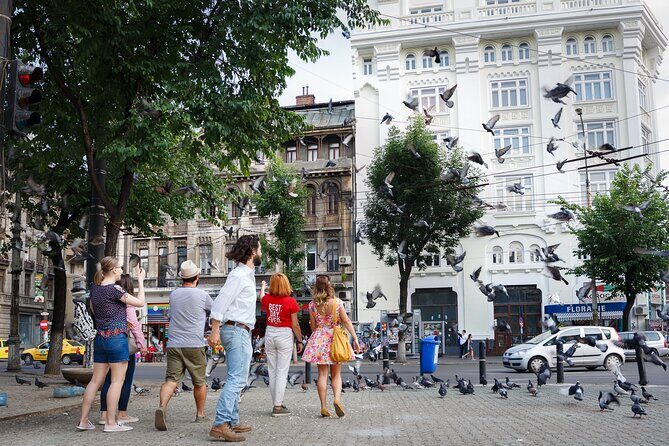
Your tour begins at Ion Luca Caragiale National Theatre on Bulevardul Nicolae Bălcescu 2. It’s a smart starting point because it’s central and iconic, but the focus isn’t just on the building you see from the street.
Expect the guide to connect architecture with the city’s bigger plot—how Bucharest’s evolution is shaped by shifting influences and changing priorities. This is where you’ll get your baseline for what to look for later: not only styles, but also how styles can sit side by side when history didn’t move in a straight line.
One practical bonus: at this stop, admission is listed as free, so you’re not stuck deciding whether to buy a ticket before you even get the narrative.
If you’re the type who gets restless on tours that only point and name, this stop sets up the “explain the pattern” approach. The theatre makes an easy visual anchor, then the tour walks away from it into more intimate streets.
Strada Bătiștei and Mahallas Neighborhoods: The City’s Social Map
After the theatre, you shift into the older texture of Bucharest through Strada Bătiștei. This is the part of the walk that helps you understand Bucharest as a patchwork of quarters.
Here’s what makes Strada Bătiștei special in this tour: you’ll learn how mahallas formed, why they clustered around religious buildings, and how they evolved as Bucharest grew. The point isn’t academic trivia. It’s how to read the city’s geography like a social map.
As neighborhoods fused and expanded, you start seeing layers: communities linked to different ethnic or religious groups, then later waves of modernization, earthquakes, and wars. And then—big turning point—Ceausescu-era demolition projects that altered whole areas.
The walk through this zone often highlights several quarters that include:
- Armenian Quarter
- Mantuleasa
- Old Jewish Quarter & Bătiștei
- Plus additional surrounding areas such as Olari, Ioanid-Gradina, and Icoanei (commonly covered on this route)
You’ll also get help noticing architecture that reflects cultural mixing rather than one “pure” style. That matters because Bucharest’s look can feel contradictory until someone explains how it got that way: different influences sharing the same blocks, and buildings changing roles over time.
Admission is also listed as free at this stop, which keeps the tour smoother if you’re traveling on a tight schedule.
A small caution on this section
Some parts of Bucharest work best when you’re ready for quiet streets and occasional detours. If you prefer a strictly timed, never-changing route, be aware the guide may adjust the walking flow to follow what’s most relevant for the group and the story being told.
Parcul Ion Voicu: Belle Époque Mansions and a Breathing Pause
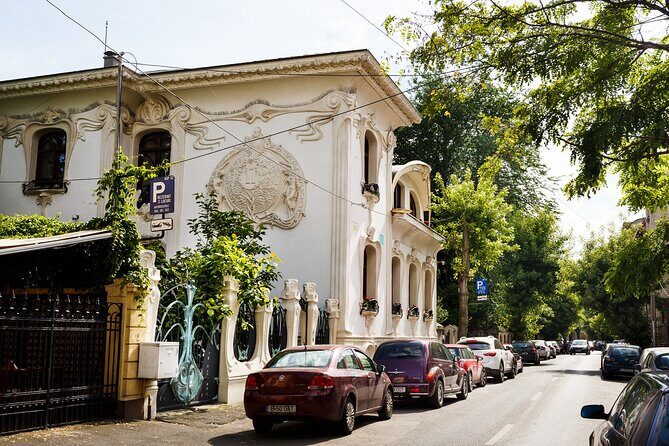
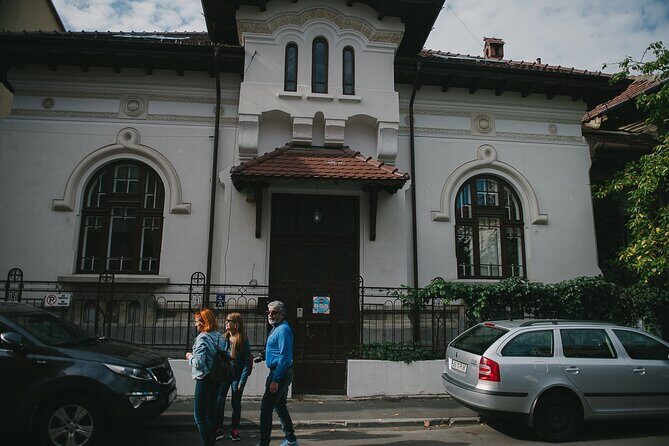
The tour’s third stop is Parcul Ion Voicu, where you’ll see a Belle Époque area with mansions dating back to the end of the 19th century. This shift is more than scenery. It’s a change in pace.
Belle Époque Bucharest isn’t just about ornament. It hints at an era when the city looked outward, built with confidence, and attracted styles from across Europe. By the time you reach the park, you’ve already heard the darker chapters—war, political reshaping, and demolition. So when you see these mansions, the contrast hits harder: you’re looking at evidence of what Bucharest tried to be, not just what it survived.
You’ll likely also connect this area to the tour’s theme of mixed influences. The guide’s job is to help you see the details that casual walkers miss—proportions, façades, and what survived versus what didn’t.
This stop is listed with free admission, so you’re not stuck paying to step into a slice of history.



Refreshment Breaks and Snacks: What’s Actually Included
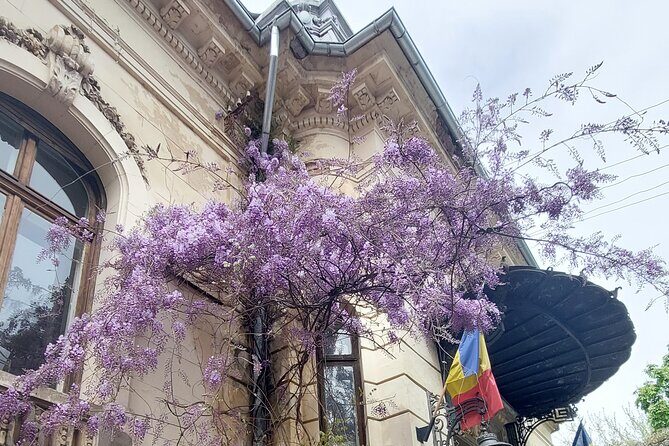
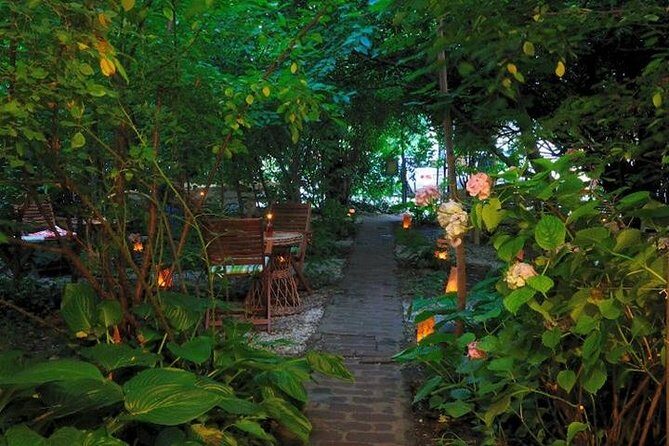
The tour includes snacks and a local guide. It also highlights refreshments in summer gardens and historic tea houses as part of the experience. Practically, that means you’re not doing this as a pure “walk only” plan. You’ll have chances to cool down, regroup, and keep your energy up.
A couple of points that matter for your comfort:
- Alcoholic drinks are not included, but you can buy them on your own.
- If it’s hot, bring water and plan to rely on the guide’s timing for breaks. On very hot days, guides have been known to make hydration a priority.
- Comfortable shoes are the real MVP. The route is about street-level discoveries, not wheelchair-friendly museum corridors.
If your idea of a great city walk includes a pause where you can actually talk, check photos, and ask questions without feeling rushed, the snack-and-refresh rhythm fits well.
Local Guides Turn Streets into a Conversation (Andrea, Ioana, Mircea Constantin, Roxana)
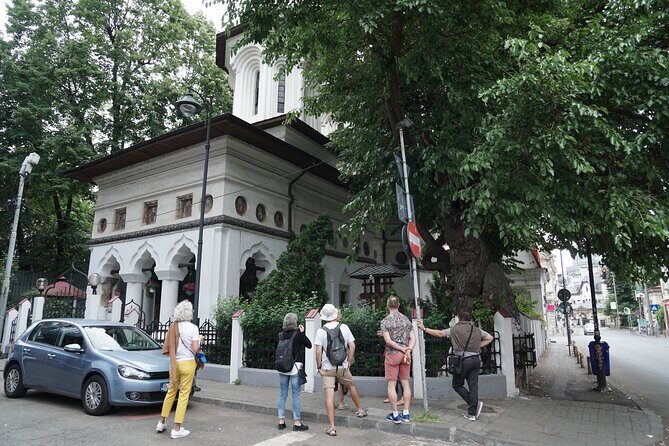
This tour’s quality largely depends on the guide’s storytelling style, and the good news is that this group consistently gets praised for it. Guides such as Andrea, Ioana, Mircea Constantin, Roxana, and LaLa are mentioned by name in the strongest feedback, and the common theme is passion plus context.
Here are the kinds of things guides do that make a difference for you:
- They explain how neighborhoods worked, then point out buildings and details tied to that explanation.
- They identify architecture styles and connect them to history, so you can recognize patterns as you walk.
- They adapt when needed—like slowing down for photos, taking extra time for specific questions, or adjusting when someone can’t walk the full distance.
One thoughtful example from guide behavior: on Easter, a guide brought a traditional Romanian cake to try. Another common pattern: guides bring pastries at the start or offer specific local food recommendations at the end. These little touches don’t change the big story, but they make the tour feel like you’re being shown your way through Bucharest by someone who actually lives there.
Price and Value: Why About $46.86 Can Make Sense
At about $46.86 per person, this isn’t a bargain tour, but it also doesn’t play the “pay more for the privilege” game. You’re paying for three things that add real value:
- A local guide for ~2.5 hours
This isn’t just directions. You’re getting a structured explanation of Ottoman influence, mahallas, and how later events reshaped neighborhoods.
- Small-group format (max 12)
That’s where Q&A becomes possible and where the walk feels interactive instead of scripted.
- Snacks included
Even small inclusions matter when you’re walking. You don’t have to hunt for a snack mid-route.
Free admission is listed for the major stops, which reduces the “surprise costs” feeling some walking tours have.
One tradeoff: hotel pickup and drop-off aren’t included. You’ll meet at a central starting point and end near KFC on Bulevardul Magheru, which is convenient if you’re comfortable using public transport or short taxis.
Where You Meet, Where You End, and How to Plan Your Day
You’ll meet at Ion Luca Caragiale National Theatre, Bulevardul Nicolae Bălcescu 2, București 010051. Start time is 10:00 am. The tour ends at KFC, Bulevardul General Gheorghe Magheru 28–30, București 010336.
That matters for planning because the end point is still in the core area. After the walk, you’re well-placed to continue exploring nearby neighborhoods, grab a proper meal, or connect to public transport without needing to backtrack.
Also note:
- It’s near public transportation.
- Confirmation is received at booking.
- The tour is offered in English.
- Travelers should have moderate physical fitness.
If you’re building your Bucharest schedule, think of this as a “get your bearings fast” tour—especially helpful after you land, before you decide which neighborhoods you want to revisit on your own.
Final Thought: Should You Book This Hidden Bucharest Walk?
If you want Bucharest in a way that feels more like discovering than checking boxes, I’d book it. This tour helps you understand why the city looks the way it does—especially through mahallas, cultural overlap, and the city’s later disruptions. The small group size and the guide-led storytelling style are the big reasons it works, and the included snacks keep it practical.
You might skip it if:
- you hate walking and want mostly indoor stops,
- you need a perfectly fixed route with no flexibility,
- or you’re only interested in the most famous sights.
If your goal is to see the quieter streets where history left visible fingerprints, this is a strong match.
FAQ
How long is the Unique Tour of Hidden Bucharest?
The tour lasts about 2 hours 30 minutes.
What time does the tour start and where is the meeting point?
It starts at 10:00 am. You meet at Ion Luca Caragiale National Theatre, Bulevardul Nicolae Bălcescu 2, București 010051.
What is included in the price?
Snacks and a local guide are included.
Are admission tickets required at the main stops?
Admission is listed as free for the main stops in the tour.
Is the tour offered in English?
Yes, it is offered in English.
Do I need hotel pickup or drop-off?
No. Hotel pickup and drop-off are not included.
How big is the group?
The tour has a maximum of 12 travelers.
What’s the cancellation window for a refund?
Free cancellation is available up to 24 hours in advance of the experience start time for a full refund.