Timisoara is best understood one square at a time. This 3-hour downtown walk strings together the city’s major architectural styles—Seccession, Baroque, and later Art Nouveau touches—plus tight photo stops and a real explanation of how the place fits together. I love the guide energy here: Ioan Harangus is known for knowing building names on the spot and sharing history in a way that helps you plan the rest of your trip. One thing to consider is that it’s a walking tour with several short stops, so if you want long museum time in each place, you may feel the pace is a bit brisk.
What makes this tour practical is that the timing is built around seeing the highlights without wasting hours. The itinerary balances big landmarks (like major cathedrals and theaters) with quieter squares where you can pause, grab a coffee, and reset. The only real drawback is the structure: after a full route, you’ll still want to come back on your own for deeper viewing—because the goal is orientation and highlights, not a slow museum day.
In This Review
- Key things to know before you go
- Why a 3-hour downtown loop works in Timișoara
- Meeting at the Three Holy Hierarchs Metropolitan Cathedral
- Piata Victoriei: Secession palaces and landmark storytelling
- Piața Libertății: the Nepomuk monument and an easy photo circuit
- Piața Sfântul Gheorghe: a small square for a reset
- Piața Unirii: Baroque beginnings with later style layers
- Maria Theresia Bastion: the last citadel piece and optional exhibits
- Price and value: what $35.49 buys you (and why it’s fair)
- What you’ll feel after the tour: instant orientation, less guessing
- Who this tour suits best (and who might want to adjust)
- Should you book the Timisoara Downtown Dream Tour?
- FAQ
- How long is the Timisoara Downtown Dream Tour?
- Where does the tour start and end?
- What language is the tour offered in?
- How much does it cost?
- Is admission included for stops?
- How big is the group?
Key things to know before you go
- Small group (max 15): easy questions and a calmer pace than mass tours
- English guided tour: focused commentary built for understanding what you’re seeing
- Mobile ticket: straightforward day-of entry
- Most stops are admission free: only one stop lists an included ticket
- Professional, architecture-minded guides: Ioan Harangus is repeatedly praised for building-name accuracy
Why a 3-hour downtown loop works in Timișoara
If you only have a day (or a half day) in Timisoara, a well-planned center walk is the smart move. This tour doesn’t try to cover everything. It targets the big visual clues that tell you how the city evolved: the grand civic area, the religious anchors, and the fortification piece that still survives.
I like this format because it gives you a mental map fast. You’re not just collecting photos—you’re learning what each square represents. That matters later, when you’re wandering on your own and trying to connect buildings you saw in passing. A route like this is how you stop feeling lost, even in a city where the streets and styles can look unfamiliar at first.
And yes, there’s a photo angle here. The stops are timed so you can look up at facades, turn around for angles, and frame the main sights in the surrounding square space rather than only at street level.
You can also read our reviews of more tours and experiences in Timisoara.



Meeting at the Three Holy Hierarchs Metropolitan Cathedral
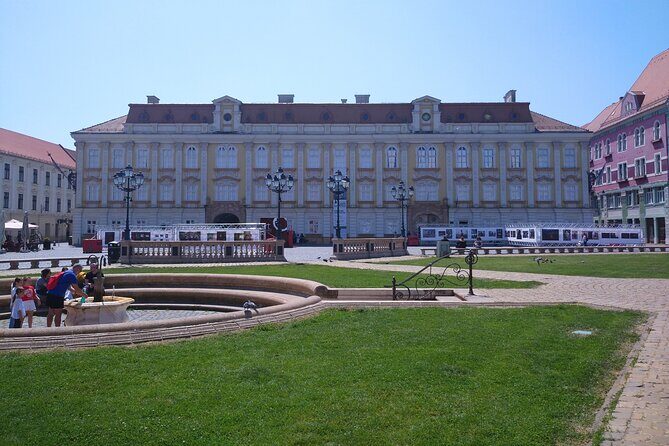
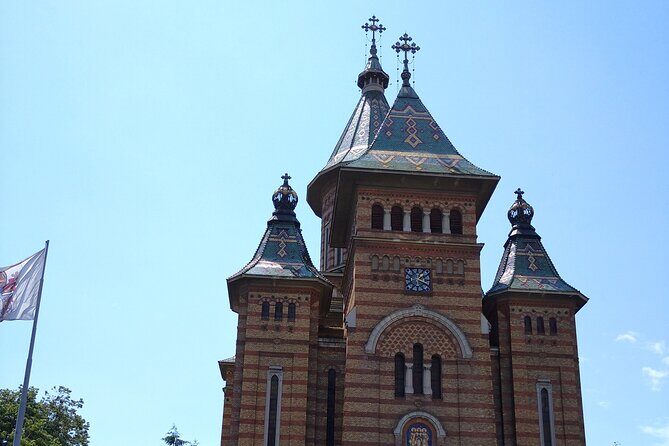
The tour starts at the Three Holy Hierarchs Metropolitan Cathedral on Bulevardul Regele Ferdinand I in Timișoara. Using a landmark like this as your meeting point is helpful—big buildings are easier to find, and you’ll likely pass by the area again later.
You’ll also be happy if you’re the type who likes to travel light: the tour uses a mobile ticket, and it’s designed to run as a smooth walking loop that returns you to the same meeting point. That reduces the usual stress of ending somewhere random and needing extra transit.
One more practical note: the tour is marked as being near public transportation. So if you’re arriving from further out, getting to the start point is generally easier than for tours that hide in quieter outskirts.
Piata Victoriei: Secession palaces and landmark storytelling
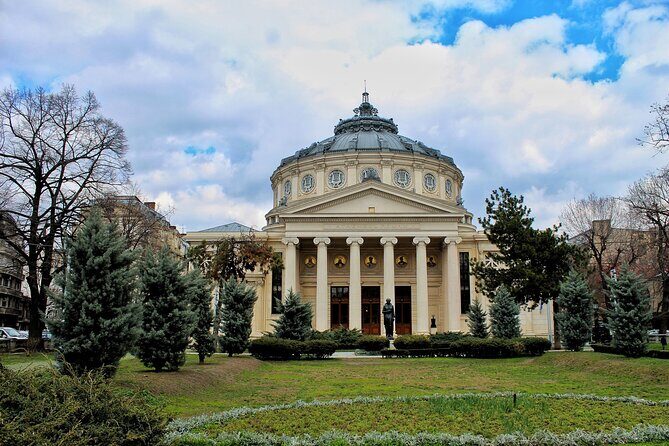
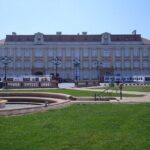
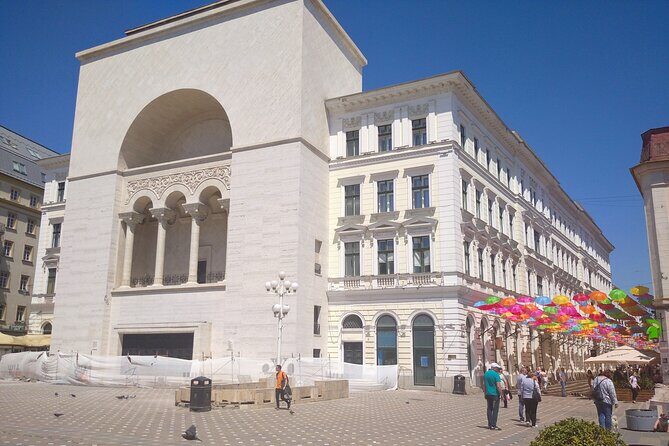
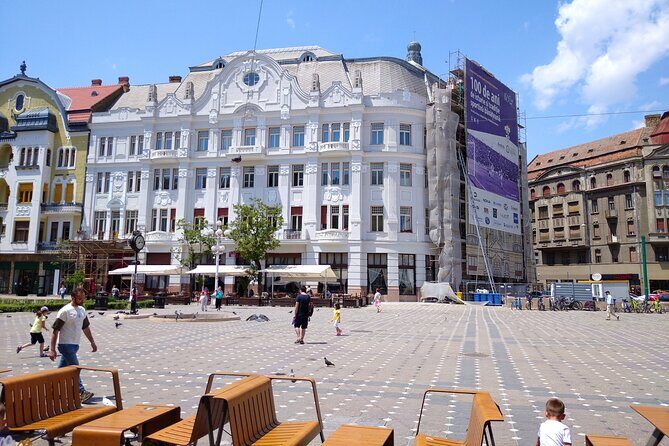
Your first stop is Piata Victoriei, and it’s a strong opener. This square is where Timisoara shows off its “grand civic” face: Seccession-style palaces, the Orthodox Cathedral, the National Theatre building, and the nearby Huniade Castle.
You’ll get about 40 minutes here, with an admission ticket included for something at this stop (the specific venue is part of the plan). That’s a big advantage. Many walking tours spend all their time outside; here, you’re given time to step into at least one paid component without needing to scramble for tickets later.
Why this stop is worth your attention: it’s the square that helps you read the city’s architecture as a timeline rather than separate attractions. Seccession here isn’t just decoration—it signals a period when the city was shaping its identity through dramatic facades and civic prestige.
Watch-outs and how to make it better:
- Arrive ready to look up. Most of what you’ll “get” from Piata Victoriei comes from the buildings’ fronts and rooflines.
- If you’re a photographer, treat this as your warm-up square. Take a few wide shots first, then return for close details once you understand what the guide is pointing out.
Piața Libertății: the Nepomuk monument and an easy photo circuit
Next is Piața Libertății, and this is where the tour turns into a photo-friendly walk through a historic square. You’ll spend about 40 minutes here, and this stop is listed as admission free.
The anchor is the Nepomuk magnificent monument in the middle of the square. Around it, you’ll see other beautiful buildings framing the open space, and the plan explicitly includes time for photos.
This is a nice contrast after Piata Victoriei. Instead of scanning for architectural complexity, you can focus on the “stage” feeling of a central monument: the buildings act like a background wall and the square acts like a courtyard.
How to enjoy this stop:
- Stand in a few different positions around the monument. Even small angles change how much facade you capture.
- Use the guide’s explanations to decide which building you want to focus on for your next photo. You’ll waste less time shooting and more time getting the right shots.
If you’re the sort of person who loves learning just enough to make your self-guided exploring smoother, this is one of the best value parts of the route. You’ll walk away understanding why the square matters historically, not only what it looks like.
Piața Sfântul Gheorghe: a small square for a reset
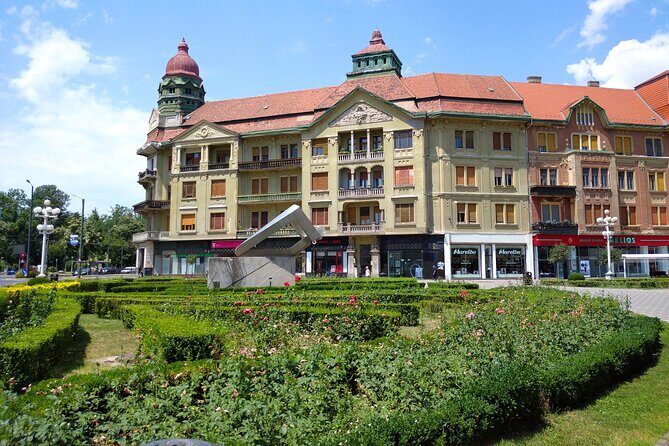
After two larger civic squares, Piața Sfântul Gheorghe feels refreshingly small and pitoresque, with about 30 minutes on the clock. This stop is also admission free, and it centers on the statue of Sfantu Gheorghe.
This is the tour’s breathing space. Instead of rushing through more landmark façades, you can step back and enjoy the human scale of the square. The plan also suggests a quick coffee or tea break, which is a big deal on a 3-hour walking route. Your feet will thank you, and your brain will be ready for the last stretch.
Practical tip: plan to drink something here if you tend to get “tour tunnel vision.” Once you’re hydrated and comfortable, the rest of the walk feels less like running errands and more like wandering with purpose.


Piața Unirii: Baroque beginnings with later style layers
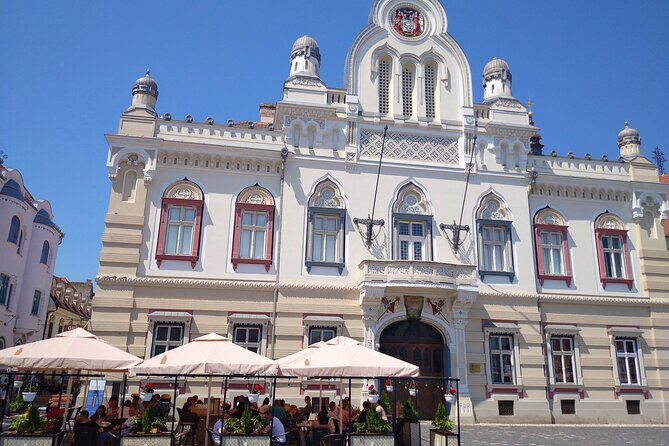
The next stop is Piața Unirii, and this is one of the most instructive parts of the tour. The square is described as being built mainly during the 18th century in a baroque style, with buildings that later adopted other styles over time, including Art Nouveau and classicist influences.
You get about 40 minutes, and again, this stop is listed as admission free. The guide focus here is on learning the history of many of the buildings around the square, such as House Bruck, House Miksa Steiner, the Catholic Cathedral, the Barowue Palace (National Art Museum), the Serbian Orthodox Church, and more.
This stop matters because it teaches you how cities evolve without losing their core identity. If you keep seeing different architectural styles in one walk, it usually means the city kept growing and changing. Piața Unirii is where that becomes obvious, even if you’re not an architecture specialist.
What I like about this stop’s structure:
- It’s a “see it all at once” square. You don’t have to chase separate locations to understand the city’s blend of eras.
- It helps you pick out landmarks later. After this, it’s easier to recognize the big players even when you pass them casually.
If you want to get extra value: after the tour, come back at a different time of day. Even without adding a second guided visit, you’ll be able to match the buildings you learned to their real-world look in morning or evening light.
Maria Theresia Bastion: the last citadel piece and optional exhibits
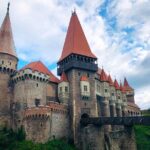
The tour ends at Maria Theresia Bastion, the only bastion remaining from the Timisoara citadel. It’s marked as recently renovated and gives you time for a tour on the bastion itself, plus optional expositions and explanations about how the fortresses evolved over time.
You’ll spend about 30 minutes here, and this stop is admission free in the tour listing. That’s a great balance: you get the context of defensive architecture without being stuck paying extra on top of your tour ticket.
Why this stop earns its place at the end: the first half of the tour is mostly about civic squares and religious buildings—what people built when they felt secure enough to invest in grand public life. A bastion is the reminder of the other side of urban history: protection, boundaries, and change. It rounds out the story.
How to plan your time here: if you’re even slightly curious about fortifications, use your optional time. If you don’t, you can still get plenty out of the explanations and the views from the bastion area.
And yes, ending near a surviving fortress element also makes it feel like the tour is giving you closure. You don’t just leave with more photos. You leave with a stronger sense of how Timisoara shaped itself for survival and status.
Price and value: what $35.49 buys you (and why it’s fair)
At $35.49 per person for about 3 hours, this tour sits in the “good value for serious sightseeing” zone. The main reason is balance: you’re paying for a guided route that organizes multiple squares into a coherent experience, plus one stop with an admission ticket included.
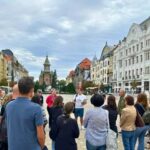
Also, with a maximum of 15 travelers, the guide can keep the pacing reasonable and still answer questions without losing the group. That matters for a tour like this, where architecture details can be hard to notice unless someone points them out clearly.
Language is another value point. It’s offered in English, and the reviews underline that the guides communicate history and names well. Ioan Harangus, in particular, is praised for being helpful, friendly, and professional, with a knack for sharing history around the area—and for giving practical advice that helps you navigate after the tour.
If you’re deciding between doing everything on your own or taking one guided hit to get oriented, this price often makes sense because it saves you time and confusion. A walking tour can be cheaper than multiple paid tickets, but the biggest savings are in headspace: you don’t have to figure out what matters first.
What you’ll feel after the tour: instant orientation, less guessing
The best part of a city-center walking tour is what happens later—when you’re no longer staring at a map every ten minutes. One review highlights that after a one-on-one city center tour with Ioan Harangus, the person was able to find their way back to places for better light shots, without using a map.
That’s the goal here. You’ll leave knowing the key squares, the major landmarks, and the architectural “why” behind what you saw. Even if you don’t follow a strict schedule afterward, you’ll wander with more confidence because the city will feel connected instead of random.
Another helpful detail from the feedback: the guides tailor to interests and share cultural updates. That can turn a standard walking tour into something more current—especially if you enjoy hearing what’s happening in town beyond the monuments themselves.
Who this tour suits best (and who might want to adjust)
This tour works especially well for you if:
- you want a first-day orientation in Timisoara’s center
- you enjoy architecture and square-level history
- you’d rather have someone else organize the route than spend time deciding what to see first
- you like taking breaks but still want a structured plan
It may feel less ideal if:
- you want long museum time or deep, indoor-only explanations at every stop
- you dislike walking for 3 hours total
- you’re looking for a “one building, one deep ticket” style experience
The nice thing is that the itinerary includes a natural café break possibility at Piața Sfântul Gheorghe, so it’s not all standing and scanning. You’ll have at least one built-in chance to slow down.
Should you book the Timisoara Downtown Dream Tour?
If you like learning in small, clear chunks—standing in a square, looking at the buildings around you, and understanding how the city got that way—then yes, I’d book it. For $35.49 you get a guided route that helps you connect multiple architectural eras across the center, plus the reassurance of a guide who’s praised for being professional and name-accurate.
Book it especially if this is your first time in Timisoara or if you want to do one “anchor experience” that makes the rest of your stay easier. Even if you return later to explore more, this tour gives you the framework to do it smart.
FAQ
How long is the Timisoara Downtown Dream Tour?
The tour is listed as approximately 3 hours.
Where does the tour start and end?
It starts at the Three Holy Hierarchs Metropolitan Cathedral on Bulevardul Regele Ferdinand I, Timișoara, and it ends back at the same meeting point.
What language is the tour offered in?
The tour is offered in English.
How much does it cost?
The price is $35.49 per person.
Is admission included for stops?
Piata Victoriei includes an admission ticket, while the other listed stops are admission free on the tour plan.
How big is the group?
The tour has a maximum size of 15 travelers.