Romania’s power palace is easier than you think. This fast-track Palace of Parliament tour gets you through the maze with help, and it focuses you on the building’s most dramatic interior moments—while you learn why this place became such a symbol of Romania’s modern history.
Two things I really like: the English-guided visit keeps the scale of the building from becoming mind-numbing, and the fast-track setup helps you avoid the main headache—figuring out ticket entry and timing in a huge, high-security site. The one drawback to plan around is time: expect a lot of waiting for security and check-in, and the actual guided look inside is short compared to how massive the Palace is.
In This Review
- Key Takeaways at a Glance
- Why the Palace of Parliament feels like a different city
- Price and what $39.53 buys you (and what it doesn’t)
- Meeting point, timing, and the walk you’ll likely do
- The ID and security rules that can ruin your day
- Entering the Palace: what the first hour actually feels like
- What you’ll see inside: marble scale and formal spaces
- English guide quality and group size: how it affects your enjoyment
- When this tour is a great fit (and when it’s not)
- Handling the waiting: my strategy for feeling like you got your money’s worth
- Who runs what inside the Palace
- Should you book this fast-track guide?
Key Takeaways at a Glance
- Fast-track entry support helps you get in without getting stuck in logistics
- English guide orientation keeps the experience clear in a building that can swallow you
- Strict passport/ID rules mean you must show the right document or you lose your slot
- Short interior tour: the highlights are focused, but you won’t see everything
- Small groups (up to 15 per booking) make it easier to follow along
Why the Palace of Parliament feels like a different city
The Palace of Parliament in Bucharest isn’t just big. It’s the kind of place that makes you slow down and start thinking in scale instead of sight-seeing boxes. It’s described as Europe’s biggest administrative building and the second largest building in the world after the U.S. Pentagon, and once you’re inside, you feel that weight immediately: long corridors, heavy materials, formal spaces, and lots of room for history to echo.
What I like about a guided, fast-track approach here is simple. Without help, it’s easy to waste time wandering, asking questions late, or missing the part you actually came for. With a guide, you’re pushed toward the important rooms and given the context so it doesn’t become a marble-only photo stop.
And yes, the tour is indoors. So rain or shine, it’s basically the same experience. That matters in Bucharest when the weather can change your day plan.
A few more Bucharest tours and experiences worth a look



Price and what $39.53 buys you (and what it doesn’t)
At about $39.53 per person, you’re paying for three practical things:
First, you’re paying for a reserved entry path. The Palace can be hard to manage if you don’t speak Romanian or you’re trying to make last-minute plans.
Second, you’re paying for an escort or host who helps you get checked in properly, then gets you moving to the actual tour portion.
Third, you’re paying for the English-guided component that turns the building into a story you can follow, instead of random rooms.
What you should not expect for this price is a long, slow, everything-including “state tour.” The guided portion is short, and you’re mostly there to see selected interior spaces rather than a full run of every corner. Also, your time includes security and waiting, so the clock can feel longer than the 1-hour listing suggests.
If you’re the type who wants every detail and every room, you might still feel the time limit. If you want the key highlights without stress, this price starts to look much more reasonable.
Meeting point, timing, and the walk you’ll likely do
Your tour starts at Bulevardul Națiunile Unite 4, București 030167, Romania, and it ends back at that same point.
The biggest timing rule is this: arrive at least 30 minutes early. That isn’t optional fluff. You’re going to need time to check in and verify your ID documents before you even get moving.
One more detail to keep in your head: what you book as the tour time is the time you start inside the Palace. The meeting/check-in happens earlier, so don’t plan to “show up close.” Plan to show up early.
Also, expect some walking before the guided portion fully starts. In this area, the check-in and the Palace entrance aren’t always on top of each other, and you’ll likely do a short walk as part of the process. Comfortable shoes are not a suggestion here.
The ID and security rules that can ruin your day
This is the part you absolutely should treat like airport-level seriousness, because that’s exactly how it works.
To enter, everyone must carry an official valid ID card if you’re an EU member, or a passport if you aren’t. A driver’s license is not accepted. If you show up without the correct document, your tour can be cancelled automatically without refund. That’s brutal, but it’s also the cleanest way to understand the system.
Security also includes scanning of you and your bag. So wear something comfortable, and keep your packing simple.
Practical tip: if you travel with a wallet full of cards, don’t rely on memory at the door. Bring the correct document and make sure it’s easy to reach. Also, plan mentally for lines and a security process that can take time.
Some people also report that you may be able to leave your bag with the tour guide office and pick it up later. Don’t assume that’s guaranteed for every day, but it’s a useful idea if you’re worried about what to carry.
Entering the Palace: what the first hour actually feels like
This is a 1-hour visit on the schedule, and that hour can feel like two separate phases.
Phase one is the “sorting yourself out” phase: check-in, ID verification, security, and getting your group moving. That can involve waiting around. In a building like this, that’s normal. The security is mandatory, and it’s not just a quick checkpoint.
Phase two is the guided interior portion. Once you’re inside, you’ll get an organized route so you don’t drift off in a complex building. The whole point is to prevent the classic mistake: walking into an enormous place with no plan and then ending up with a pile of photos and not much understanding.
The tour is described as covering a selection of impressive interior spaces rather than the entire operational story of the institution. So if you’re hoping for a big, process-heavy explanation of how Parliament works day-to-day, this isn’t that style.
Instead, it’s more about what the building represents and what the spaces look and feel like: formal rooms, grand interior design, and the kinds of details that explain the building’s reputation.
You can also read our reviews of more guided tours in Bucharest



What you’ll see inside: marble scale and formal spaces
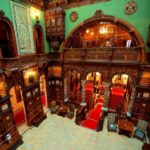
Once the official tour starts, you’re guided through a sequence of rooms and halls designed for very visible state-level events. Expect to see lots of marble, big surfaces, dramatic interior design, and formal areas where the scale is the main character.
The best way to think about it is this: the Palace is like a giant stage. The tour focuses you on the scenes that make the building famous, not every storage room or side corridor.
Some people mention additional structure to the visit, like one guide focusing on areas outside and another handling the interior portion. Your experience can vary by timing and staffing, but either way, you should expect the guiding to revolve around the building’s design choices and the historical context behind them.
If you go in expecting the plenary hall and behind-the-scenes political details, you might feel disappointed. If you go in expecting architecture with context, the visit makes more sense—and the price starts to feel more like a ticket into a controlled, guided route.
English guide quality and group size: how it affects your enjoyment
The tour is offered in English, which is a big deal here because the Palace is not the easiest place to navigate on your own if you’re working with limited language.
Group size matters too. The booking size is capped at 15 people, but the experience can run with a maximum of 40 travelers depending on how operations are scheduled. In practice, that means you’ll likely do fine in a guided group, but you should still be prepared for moments when the pace feels more like a controlled flow than a classroom discussion.
One practical lesson from this kind of building: if you’re at the back, you’ll hear less. If you care about the guide’s explanations, try to stay closer to the front at the start of the interior portion. It can make the difference between learning the story and only seeing the surfaces.
When this tour is a great fit (and when it’s not)
This tour fits you if:
- You want easy entry and a guide route instead of wrestling with ticket timing
- You value an English explanation over a silent photo walk
- You’re okay with a short highlight visit rather than an all-day deep tour
It’s less ideal if:
- You’re expecting a long, detailed walk through every major parliamentary space
- You want lots of time to stop, look up close, and linger room-to-room
- You dislike structured security-and-wait setups
You should also know it’s not accessible for people with walking impediments and it’s not suitable for people with serious health problems, since the site involves walking and stairs.
Children must be accompanied by an adult, which is worth planning for in advance. And dress code is simply comfortable clothing, which makes sense for a building where you’ll be moving and standing in lines.
Handling the waiting: my strategy for feeling like you got your money’s worth
A lot of frustration with Palace tours isn’t the building. It’s the time gap between check-in and the moment you’re finally inside.
My advice: treat the waiting like part of the ritual, not wasted time. Bring what you need for standing around (water is a question mark depending on site rules, so don’t assume), and arrive early so you’re not stressed. The tour requires that you show up 30 minutes before, and that extra time makes the whole experience smoother.
Then once you’re inside, switch gears. Forget trying to see everything. Focus on the key spaces you’re guided to and let the context connect the dots. That mindset is what turns a short interior tour into a satisfying one.
If you’re the type who gets bored in formal rooms, this might still feel like a lot of the same materials and design. But if you like scale, symbolism, and how architecture communicates power, you’ll likely enjoy it more than you expect.
Who runs what inside the Palace
This experience is set up with an escort/host plus a guided tour. In many cases, the escort gets you checked in and into the right flow, and then the official Palace staff guide handles the deeper tour inside.
That two-step structure is why fast-track helps. You don’t have to guess when to move, where to stand, or how to transition from check-in to the official start.
Should you book this fast-track guide?
Book it if you want a low-stress way in with an English explanation, and you’re happy with a focused look at the most famous interior spaces. At around $39.53, the value is strongest when you’d otherwise struggle with timing, language, or entry rules.
Skip or reconsider if you need a long, wide-ranging tour with lots of operational detail, or if you’re sensitive to waiting. Also, if your travel documents are even slightly uncertain, do not guess. This tour enforces the ID rules strictly, and showing up without the right document can end your day with no refund.
If you’re prepared, though, this is one of the smartest ways to see a building as huge as the Palace of Parliament without turning your visit into a logistics problem.