REVIEW · TIMISOARA
Timișoara Highlights – Walking Tour
Book on GetYourGuide →Operated by Armand Iftode Mihai PFA · Bookable on GetYourGuide
A walk like this keeps Timisoara from feeling like a list. You get a tight 2-hour route that connects Ottoman echoes, Habsburg defenses, and the 1989 revolution, with quick stories and real city details instead of museum time. I especially like how the guide turns squares and walls into a timeline you can actually remember.
What I like most is the mix of storytelling tools: conquests and revolutions, plus fun facts and local personalities, not just dates. You’ll also hear the city’s cultural “how did we get here” story, with repeated nods to how many cultures and languages have moved through Timisoara over roughly 700 years.
One thing to consider is simple: it’s still a walking tour. If your group has very limited mobility or small kids who can’t do 2 hours on foot, plan carefully and wear comfortable shoes.
In This Review
- Key points before you lace up
- A Two-Hour Story Walk Through Timisoara’s Mixed Empires
- Meeting at the Oldest Building: Setting the Tone Fast
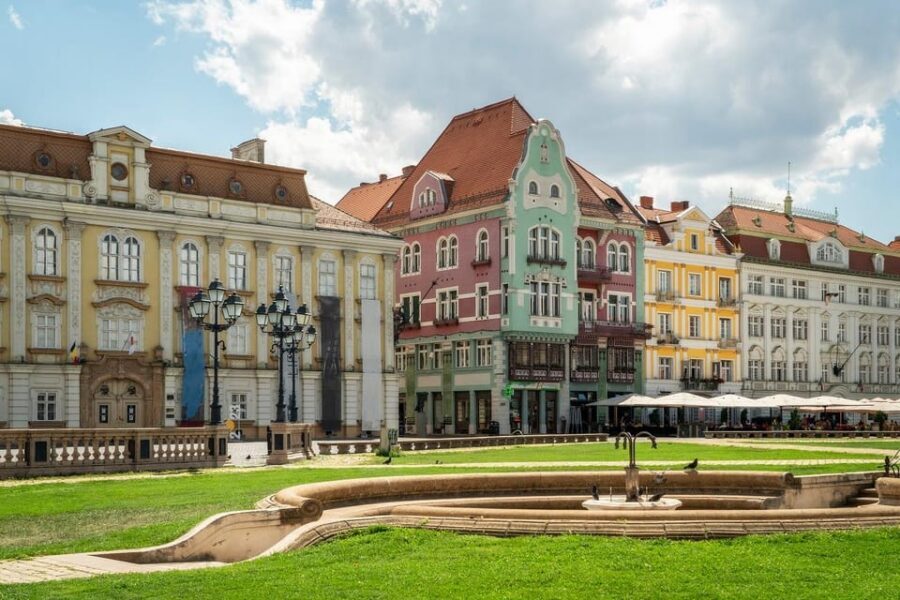
- Liberty Square: Ottoman Echoes and Later Revolutionary Memory
- Saint George Square Fun Facts: Learn the Names Behind the Stones
- Old City Walls in the Habsburg Era: Seeing Defense as Design
- Union Square to the Synagogue: A Broader View of Timisoara
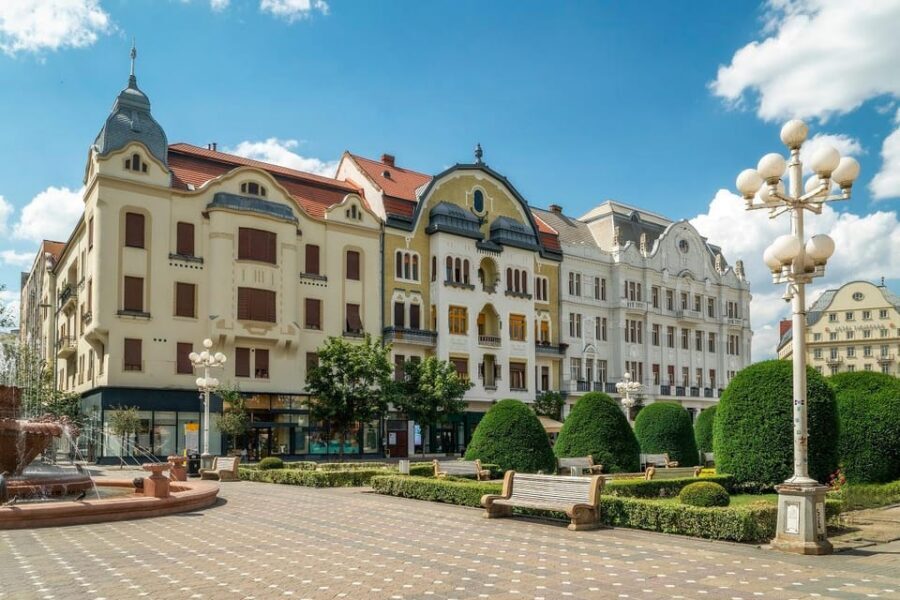
- Victory Square and the 1989 Revolution: History With Momentum
- Price and Value: What $35 Buys You (and What It Doesn’t)
- The Guide Factor: German, English, Romanian, and Armand’s Style
- Who This Tour Suits Best (and Who Might Want a Different Plan)
- Should You Book the Timișoara Highlights Walking Tour?
- FAQ
- How long is the Timișoara Highlights walking tour?
- How much does the tour cost?
- Where does the tour start?
- Is this tour mainly outside, or does it include museums?
- What languages are the guides available in?
- Is the tour wheelchair accessible?
- Can I cancel, and how far in advance?
Key points before you lace up
- Start at the oldest building in Timisoara, so you get context immediately.
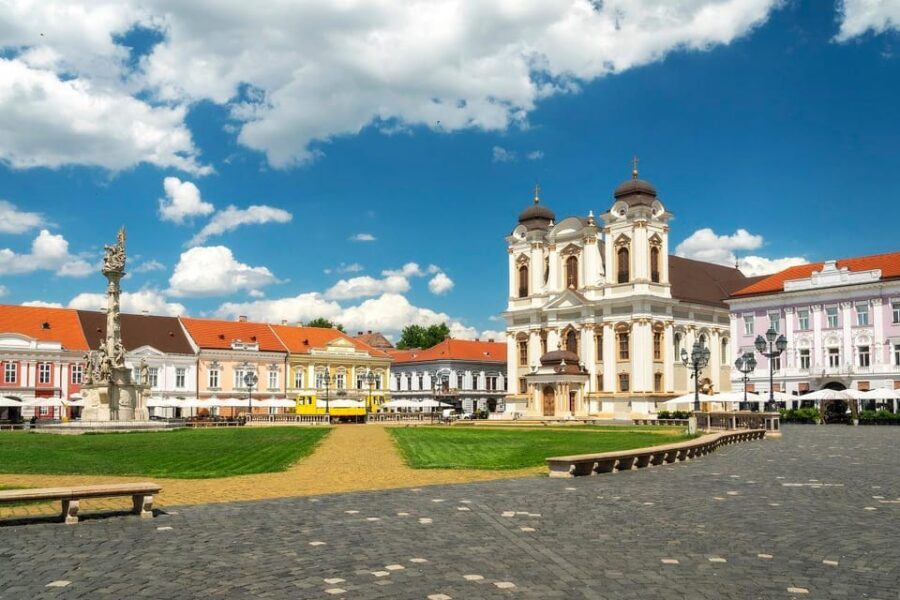
- Liberty Square connects eras, from Ottoman-period impressions to later revolutionary memory.
- Saint George Square is for facts and characters, the kind you’ll repeat later.
- You walk the old city walls from the Habsburg era—history you can physically trace.
- You’ll reach the Synagogue after Union Square, giving the tour a wider “who lived here” view.
- Victory Square brings the 1989 revolution into focus, with story momentum rather than a dry lecture.
A Two-Hour Story Walk Through Timisoara’s Mixed Empires
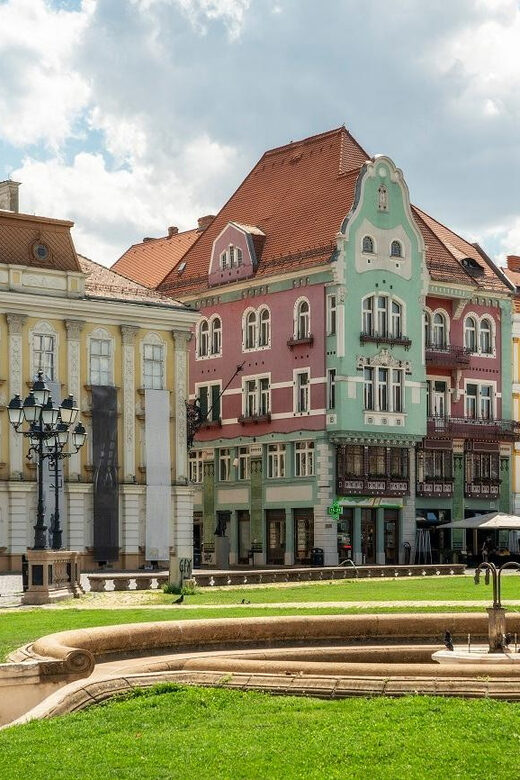
Timisoara can feel like a city made of layers, and this tour is built for exactly that. In two hours you cover several key spots in the center and hear how different powers and communities shaped what you see today.
I like that it doesn’t try to do everything. Instead, it picks the places that help you understand how the city changed—politically, culturally, and in everyday life—without dragging you into ticket lines or long museum detours.
You’ll also get a guide who uses multiple languages up front. The tour opens with greetings like Guten Tag! Bună ziua! Jó napot! Dobro jutro!—a nice hint that you’re in a city where language and identity have always been part of the story.
You can also read our reviews of more walking tours in Timisoara



Meeting at the Oldest Building: Setting the Tone Fast
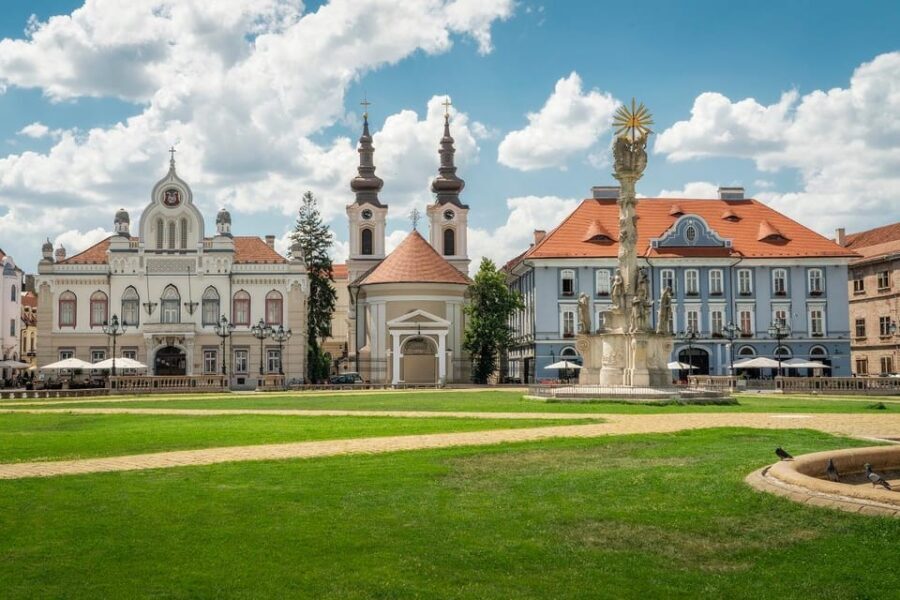
The tour starts at the oldest building in Timisoara, which is a smart move if you’re trying to get oriented quickly. Instead of beginning with a random landmark, you begin with the idea of time: what’s old, what survived, and why the center matters.
From there, the walking rhythm is light and practical. You get enough movement to feel like you’re touring a real neighborhood, while the guide keeps the pace story-driven so it doesn’t turn into a casual stroll with no point.
This start also helps you notice details you might otherwise miss. Even if you don’t consider yourself a history person, you’ll start paying attention to architecture cues and how they connect to periods the guide talks about.
Liberty Square: Ottoman Echoes and Later Revolutionary Memory
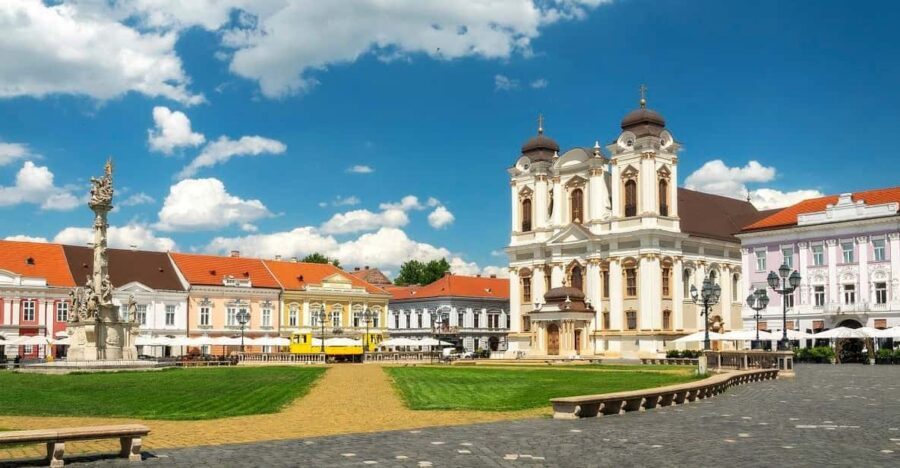
Liberty Square is one of the tour’s anchors. The guide leads you in a way that treats the square like a chapter—first with Ottoman-era impressions and later as a return point for the revolution story.
For me, the value here is how the tour builds contrast. You’re not just seeing “a pretty square.” You’re hearing how Timisoara sat under different influences and how that left marks in the city’s feel, design, and identity.
Expect the guide to tie Liberty Square to broader themes: conquests, shifts in power, and the way cities absorb outside forces and then keep reinventing themselves. It’s a great setting for learning because it’s open, central, and easy to imagine events unfolding around you.
Saint George Square Fun Facts: Learn the Names Behind the Stones
After the Liberty Square material, you’ll move to Saint George Square, where the tour leans into fun facts and personalities. This is the part that makes the history more human—less about rulers only, more about characters and local stories you can connect to real locations.
I like this stop because it breaks the “big events” rhythm. When a tour only talks about major wars or governments, you end up with memorized dates. Here, you get smaller, memorable details that make the bigger events easier to hold in your head.
You’ll likely hear how different eras shaped the square and what that says about everyday life. Even if your history background is light, the guide keeps it understandable and often makes it feel like you’re overhearing a local who’s telling you the story properly.
Old City Walls in the Habsburg Era: Seeing Defense as Design
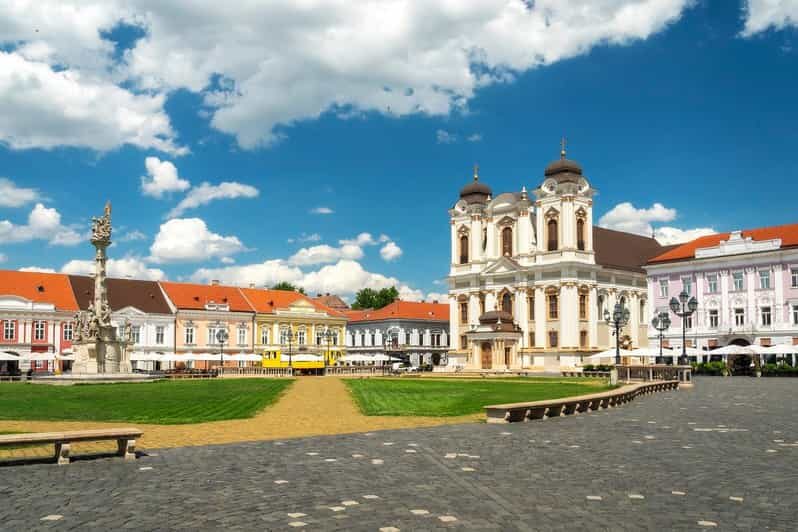
Then you step into the old city walls from the Habsburg era. Walls are one of those things that look straightforward from a distance, but once you start walking around them, you understand they’re not only about stone—they’re about control, security, and how a city planned for threats.
This is a high-value stop for architecture fans and for anyone who likes “why” questions. The guide helps you read the walls as a response to specific pressures at the time, not just as a scenic leftover.
A drawback to watch for: wall sections can mean uneven ground or longer sightlines while you listen. Bring shoes that can handle normal city-center walking comfortably, and you’ll be fine.





Union Square to the Synagogue: A Broader View of Timisoara
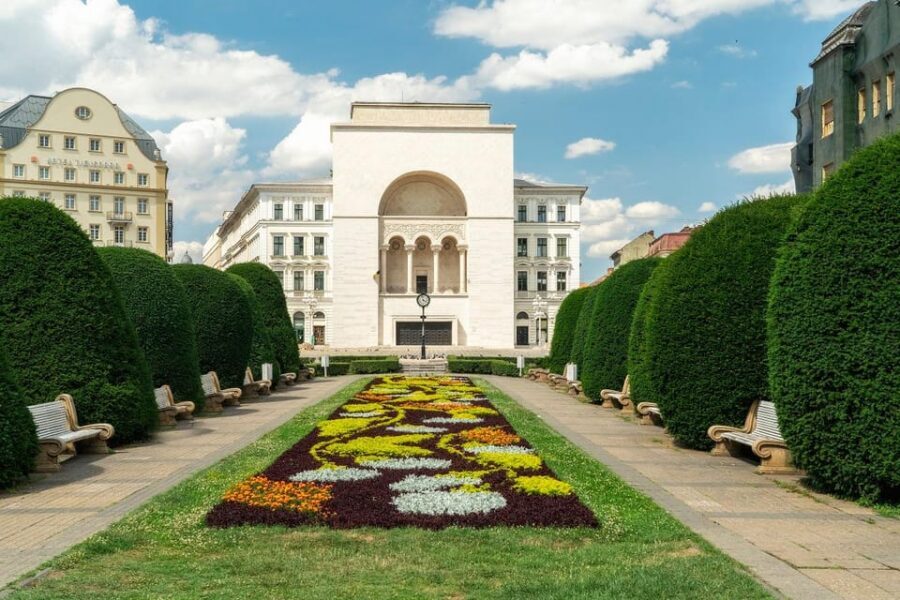
Next you’ll head toward Union Square, and then on to see the Synagogue. This is important because it widens the story beyond who was ruling and focuses more on who was building community.
You’ll get a sense of coexistence in the city’s physical layout. Even without going inside any museums, standing near major religious landmarks helps you understand that cultural life in Timisoara wasn’t limited to politics—it also lived in everyday rituals and community spaces.
If you care about the social side of history, this stop is one of the most meaningful parts of the route. It adds depth to the idea that Timisoara’s mix of cultures isn’t a modern trend—it’s been shaped for generations.
Victory Square and the 1989 Revolution: History With Momentum
The tour loops back to Liberty Square and then finishes at Victory Square with the 1989 revolution. Ending here gives the walk emotional weight. Instead of stopping with architecture or old empires, you end with a modern turning point that still matters.
In the experience’s best moments, the guide doesn’t treat the revolution as a single speech or one headline. You hear it as a chain of events that connects to earlier power struggles and shifting identities across the city.
This is the part that often works especially well for families and teens. If you’re traveling with a younger person, it’s the story segment that tends to feel most relevant because it includes real stakes, real change, and a timeline that makes sense even for first-time visitors.
Price and Value: What $35 Buys You (and What It Doesn’t)
At $35 per person for 2 hours, the value comes from what’s included: you’re not paying extra for museums or tickets. The tour stays in the city center, focused on guided walking, so your time is spent learning the city rather than budgeting for entrances.
That matters if you’re on a tighter schedule. Instead of picking between museums, you can use this tour to build a foundation. Then, if you want, you can choose later what to explore on your own.
It’s also a good “first day” or “first contact” option. You’ll leave with a mental map of the center and an understanding of why those squares and walls matter. For many travelers, that reduces the guesswork when planning the rest of the stay.
The Guide Factor: German, English, Romanian, and Armand’s Style
A lot of the success here comes down to the guide, and the name Armand Iftode Mihai PFA shows up again and again in positive feedback. People highlight his ability to blend history with local legends and present it like a story, not a slideshow.
You can also expect humor. That’s not just a comfort thing; it changes how the information sticks. When facts are tied to an entertaining narrative, you tend to remember them longer—and you’re more likely to ask questions.
The guide works in German, English, and Romanian, which is a practical win if your group includes different language backgrounds. And based on what families appreciated, the Q&A feels flexible enough to handle questions from kids and teens without talking down.
Who This Tour Suits Best (and Who Might Want a Different Plan)
This walking format is ideal if you want a guided orientation of the center and like learning through landmarks and stories. It’s especially good if you care about how a city’s political shifts show up in the streets—Ottoman-era impressions, Habsburg-era fortifications, and the revolution at the end.
It also fits well for families when kids can handle a steady walk. One of the strongest themes from feedback is that the guide answered younger visitors’ questions in a way that made them feel included.
The one group that should think twice is anyone who can’t comfortably do a full 2-hour walk. Even though the tour is wheelchair accessible, accessibility specifics beyond that aren’t stated here, so it’s smart to consider your group’s day-to-day mobility before committing.
Should You Book the Timișoara Highlights Walking Tour?
I’d book it if you want the city’s “why” in a compact package—no museum tickets, a clear route, and stories that connect the Ottoman, Habsburg, and 1989 revolution chapters. At $35 for two hours, it’s the kind of activity that gives you more value when you treat it as your foundation for the rest of your trip.
You might skip it if you already plan to spend hours in museums and prefer an all-day, deep-immersion format. This tour is focused and short, so it won’t replace a full museum day—it complements one.
If you like tours where the guide’s personality matters, and you want history delivered through squares, walls, and real places, this one is a strong fit.
FAQ
How long is the Timișoara Highlights walking tour?
The tour lasts 2 hours.
How much does the tour cost?
The price is $35 per person.
Where does the tour start?
You meet at the oldest building in Timișoara.
Is this tour mainly outside, or does it include museums?
It’s a walking tour in the city center and it does not include entering any museums. No extra tickets are necessary.
What languages are the guides available in?
The live guide speaks German, English, and Romanian.
Is the tour wheelchair accessible?
Yes, the tour is wheelchair accessible.
Can I cancel, and how far in advance?
You can cancel up to 24 hours in advance for a full refund.