REVIEW · BUCHAREST
Check out the Parliament in Bucharest and explore the Communist dictatorship
Book on GetYourGuide →Operated by S.C. VIAGGIARE BUCAREST S.R.L. · Bookable on GetYourGuide
Bucharest’s power rooms start with a monastery walk. This tour strings together old religious landmarks and the grim symbols of the Communist dictatorship, ending with a guided look inside the Palace of Parliament—famously the largest administrative building in Europe and extremely heavy by world-record standards.
I especially like the small-group feel, because the guide can actually pace the story and answer questions without rushing. I also like that you get an Italian live guide who ties the stops into one clear explanation instead of a list of dates.
One consideration: the Parliament entrance ticket isn’t included, and the building runs strict, airport-style checks plus ID requirements, so you’ll want to plan a bit of extra time and travel light.
In This Review
- Key things to know before you go
- Meeting Caru cu Bere: setting the tone fast in Bucharest
- Stavropoleos Monastery, then the Court of Appeal: old faith and old authority
- Down toward Dambovita and Piața Constituției: streets that help explain the regime
- Antim Monastery stop: a quiet reset before the Palace scale hits
- Palace of Parliament inside: the scale, the symbolism, and the details that make it stick
- What the guide will help you notice
- Privileged access, not just outside photos
- A quick reality check on tickets
- Price and value: what you’re actually paying for
- Italian guiding in small groups: why the language matters here
- Practical logistics: how to keep the day smooth
- Who should book this Parliament tour (and who shouldn’t)
- Should you book?
- FAQ
- Does the tour include the Parliament entrance ticket
- What language is the live guide
- How long is the tour
- Where do we meet the guide
- What do I need to bring or have with me
- Is there free cancellation
Key things to know before you go
- Small-group pacing: enough time for context at each stop, not just photo ops
- Italian live guide: story-first explanations, with tours available daily
- Privileged interior access: you don’t just stand outside the building
- Security that feels like an airport: bring ID and expect checks
- A smart route through Bucharest: monasteries and major squares before the Palace
Meeting Caru cu Bere: setting the tone fast in Bucharest
The tour meets at Caru cu bere on Strada Stavropoleos 5, and the guide will be easy to spot with a professional identification card. This matters more than it sounds. In Bucharest, landmarks cluster and streets twist; having a clear meeting place keeps the day calm and lets you focus on the theme.
I like how the start point is in the middle of things. You’re not whisked across town. You walk, you notice street-level details, and the guide builds momentum toward the Palace of Parliament—so by the time you’re standing in the shadow of that giant building, the story already has legs.
The whole walk is designed for a 2.5-hour experience. That’s long enough to understand what you’re looking at, but short enough that you’re still fresh for the Palace interior portion.
You can also read our reviews of more tours and experiences in Bucharest.
Stavropoleos Monastery, then the Court of Appeal: old faith and old authority
Early on, you stop at Stavropoleos Monastery for a short guided look. This first stop gives you a sense of Bucharest’s deeper roots, the kind of spiritual and cultural gravity that existed long before the Communist era. Even when the explanation is brief, you’ll usually leave with a better feeling for why this city builds its identity in layers, not in a single moment.
Then the route moves toward the Court of Appeal, another quick guided stop. It’s not there for legal trivia. It’s there for contrast. When you later see how the Ceausescu regime used architecture to project control, it helps to have already seen how authority shows up in other forms—through institutions, buildings, and public spaces.
At these shorter stops, the guide’s job is to point your attention in the right direction. I’d come in with a simple mindset: this is context, not a museum marathon.
Down toward Dambovita and Piața Constituției: streets that help explain the regime
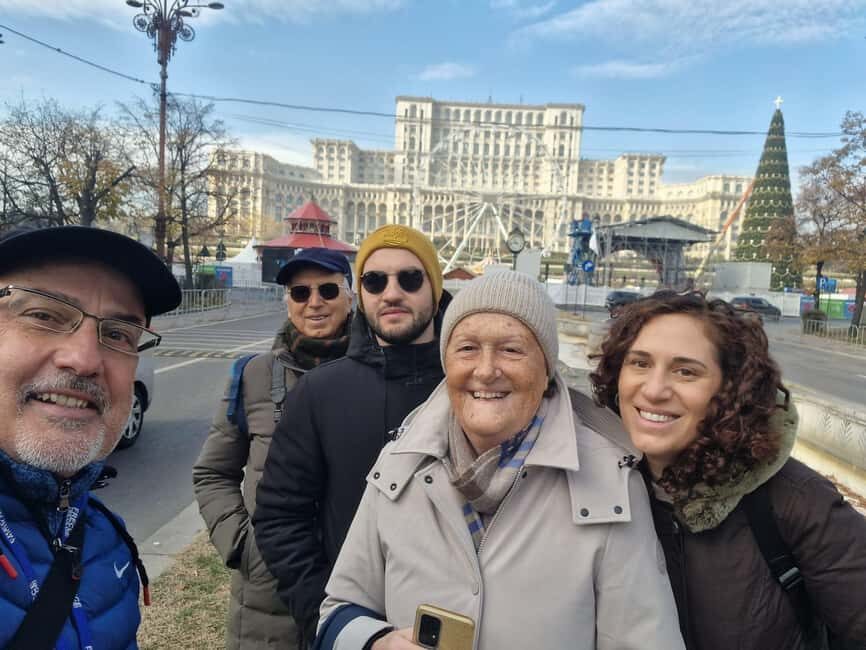
Next comes Dambovita and then Piața Constituției. These stops work like visual chapters. You’re walking through the parts of Bucharest that act like stages—spaces where people move, gather, and notice what the city wants them to notice.
In a tour about the Communist dictatorship, it’s easy to focus only on the Palace. But the most useful moments often happen outside the main building. You’ll get a chance to understand how large, formal spaces can shape behavior: where people pause, how they line up, how the city organizes sightlines.
You’ll also get a better sense of why this area became so symbolic. Big regimes like big gestures, and the guide will connect that idea to what you’re about to see inside.
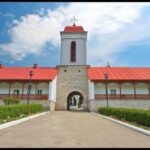
Antim Monastery stop: a quiet reset before the Palace scale hits
You then visit Antim Monastery with a guided component. I like this placement. The Palace of Parliament can feel overwhelming—visually and emotionally—because everything inside is engineered to impress and control.
A monastery stop right before that gives you a mental reset. It softens the pace and lets the tour breathe. Plus, it keeps you from turning the day into one long stare at power. You’ll end up with more than one lens for the same city.
This is also where comfortable shoes earn their keep. The walking pace is steady, and the stops are short. You’ll want your feet to feel good so you can actually enjoy the explanations.
Palace of Parliament inside: the scale, the symbolism, and the details that make it stick
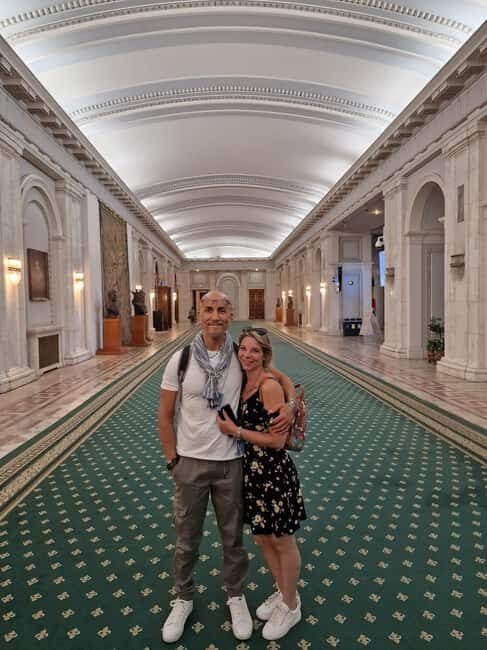
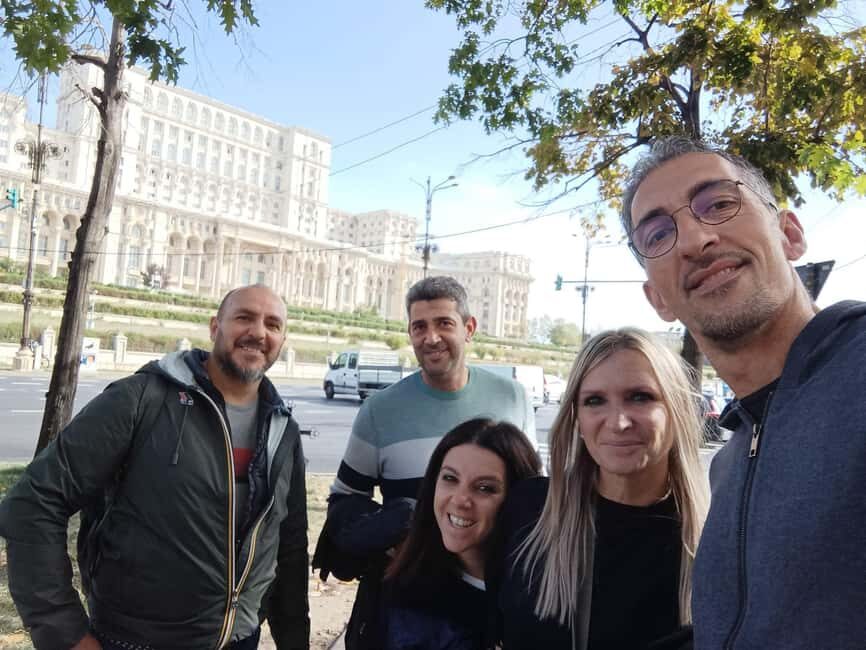
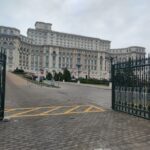
The highlight is the Palace of the Parliament, where the cult of personality around Nicolae Ceausescu is taken to an extreme. The building is the largest administrative structure in Europe and among the heaviest in the world. Those facts are impressive—but what you’ll really remember is how the interior experience is built to dwarf you.
The guided visit runs about 1 hour, which is a good length for this kind of site. Too short, and you’d miss the meaning. Too long, and you might feel lost in the sheer size. This timing usually hits the sweet spot: enough time to understand what the spaces were designed to communicate.
What the guide will help you notice
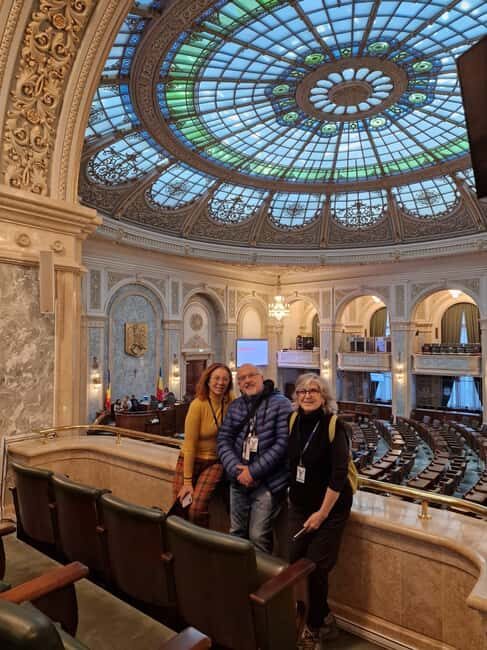
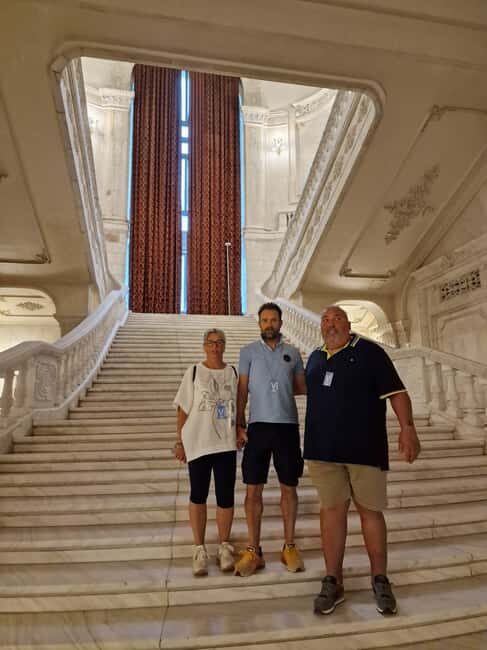
Inside, the tour focuses on the Palace’s “peculiarities”—its record-breaking, oversized furnishings and its huge, austere spaces. Your guide’s real value is in translating scale into story. It’s not just that the rooms are big. It’s that they were meant to project permanence and dominance.
You’ll also hear how the building became a central symbol of the dictatorship. Architecture here isn’t neutral. It’s political messaging in stone and marble.
Privileged access, not just outside photos
The tour description points to privileged access and guided interior discovery. Translation: you’re not just standing at the perimeter trying to guess what matters. You’re inside, with a guide showing you the elements that connect to the regime.
A quick reality check on tickets
Entrance to the Parliament is not included in the tour price, so you’ll buy the ticket on site with card or local cash currency. Plan for this step. The building also requires you to present ID at the entrance, and security checks operate like an airport.
So the interior visit is the payoff, but your day is run by logistics too. Bring your ID, and keep your bag situation simple.
Price and value: what you’re actually paying for
The tour price is $41 per person for about 2.5 hours. On paper, that sounds straightforward. The real value is what you get bundled in:
- A walking tour for small groups
- A certified guide in Italian
- Guided stops that connect multiple sites into one theme
What’s not bundled: the Parliament entrance fee and your own food and drinks. That’s normal for major attractions in Europe, but it’s important to budget so there are no surprises at the door.
If you’re the type of traveler who likes to understand why a building exists, not just what it looks like, this format is a strong deal. You’re paying for interpretation and for access to the interior experience in a way that’s hard to replicate on your own—especially if your Italian is limited and you’re relying on the guide to explain what you’re seeing.
Italian guiding in small groups: why the language matters here
This is an Italian live tour, and the content is sometimes shown in its original language. The upside is clarity and continuity: the guide isn’t constantly switching modes. The pacing is built for short guided moments at multiple stops, then one focused, longer visit at the Palace.
Language matters at the Palace because you need context quickly. The building’s symbolism is not obvious if you’re just looking around. A well-told explanation turns the scale into meaning.
The reviews highlight that guides like Giuseppe and Giuseppe Spadaro were praised for clarity and patience, with Dana also specifically mentioned as very good at explaining. Another guide name you might see is Filippo DiCataldo. Even if your guide is someone else, the guiding standard seems consistent: they aim to connect the sites rather than recite numbers.
Practical logistics: how to keep the day smooth
This tour works best if you travel light and on foot.
Bring:
- Comfortable shoes (you’ll walk between multiple stops)
Don’t bring:
- Weapons or sharp objects
- Luggage or large bags
- Alcohol and drugs
- Unaccompanied minors
It’s also not suitable for children under 3 years.
At the Parliament entrance, expect airport-like checks. You must show a passport or ID card. From time to time, the Parliament may cancel organized visits for unforeseen institutional reasons, so if you’re on a tight schedule, keep a little flexibility.
One more practical point: the tour includes guided segments at several places, so having your phone charged helps if you want to mark spots for later.
Who should book this Parliament tour (and who shouldn’t)
Book it if:
- You want a guided explanation of the Communist dictatorship through the most famous building linked to it
- You like walking tours that connect multiple stops, not just one big ticket site
- Italian is your comfortable travel language (or at least you’re fine following an Italian guide)
You might skip it if:
- You don’t want security checks and ID requirements on your itinerary
- You prefer fully self-guided museum time instead of a set route and timing
Should you book?
Yes—if you’re going to see the Palace of Parliament anyway, this is a smart way to do it. The best part isn’t just the gigantic interior. It’s the lead-in: monasteries, major institutions, and public spaces that make the dictatorship theme click before you enter.
For the best experience, come with comfortable shoes, bring your ID ready for checks, and budget the extra Parliament entrance ticket cost. If you do that, you’ll end up with a Bucharest visit that feels like a story, not a checklist.
FAQ
Does the tour include the Parliament entrance ticket
No. The Parliament entrance fee is not included, and you buy the ticket on site (by card or in local cash currency).
What language is the live guide
The tour guide is live in Italian, and some content may be shown in its original language.
How long is the tour
The duration is about 2.5 hours, including the guided walking stops and the Palace visit.
Where do we meet the guide
You meet the guide in front of Caru cu bere at Stavropoleos Street 5, Bucharest. The guide will have a professional identification card and you should enter the location indicated on your navigator.
What do I need to bring or have with me
Wear comfortable shoes. You must also have your passport or ID card for the Parliament entrance.
Is there free cancellation
Yes. You can cancel up to 24 hours in advance for a full refund.