REVIEW · BUCHAREST
Roma Culture, Realities and Slavery History, Walking tour
Book on GetYourGuide →Operated by I TRAVEL IN ROMANIA · Bookable on GetYourGuide
Roma history in Bucharest is not a postcard story. This 3-hour guided walk pairs real places with plain talk about slavery, discrimination, and what Roma culture looks like in Romania today. I especially like how the guide separates myths vs truths as you move from landmark to landmark.
You also get a strong mix of settings: the haunting former slave market area, the calm pull of Cișmigiu Gardens, and the seriousness of a Holocaust memorial stop. One thing to consider: this tour covers persecution and genocide themes, so it’s moving and heavy, not a light city stroll.
In This Review
- Key things I’d bookmark before you go
- Meet at Ion Creangă Theatre and get oriented quickly
- Romana Square and the former slave market: the hardest, most important start
- The Romanian Athenaeum: using arts and pride to talk about perception
- Cișmigiu Park: myths and truths under the trees
- Holocaust memorial stop: remembrance that includes Roma victims
- Communist-era traces: how policy shaped daily life
- Finish at Mesteshukar ButiQ and (optionally) make your own piece
- Price and value: why $30 makes sense for what you get
- Should you book this Roma Culture, Realities and Slavery History tour?
- FAQ
- Where do I meet the tour?
- How long is the walking tour?
- How much does it cost?
- Is the tour offered in English?
- What is included in the price?
- Is the jewelry workshop optional?
- Are food and drinks included?
- Where does the tour end?
- Can I cancel for a full refund?
- Is there free cancellation and flexible booking?
Key things I’d bookmark before you go
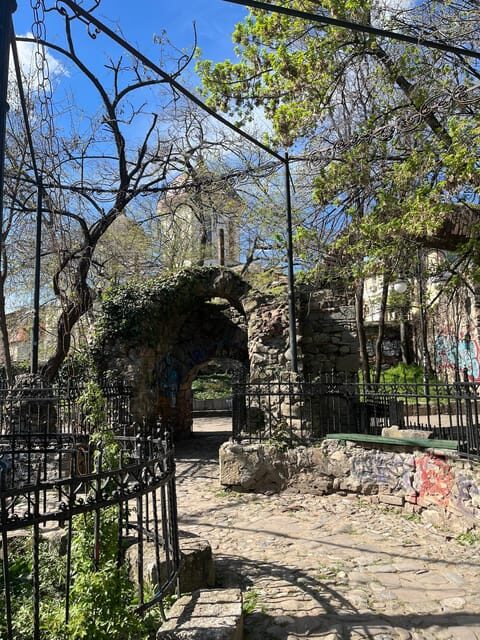
- Former slave market site as the tour’s emotional anchor, with context for how slavery shaped identity
- Romanian Athenaeum stop to connect the arts with shifting perceptions
- Cișmigiu Park as a calmer 30-minute reset while myths get challenged
- Holocaust memorial photo and remembrance stop, including the loss of Roma lives
- Communist-era traces on streets to explain what Roma life looked like under that system
- Optional Roma jewelry workshop at Mesteshukar ButiQ, with a hands-on piece to take home
Meet at Ion Creangă Theatre and get oriented quickly
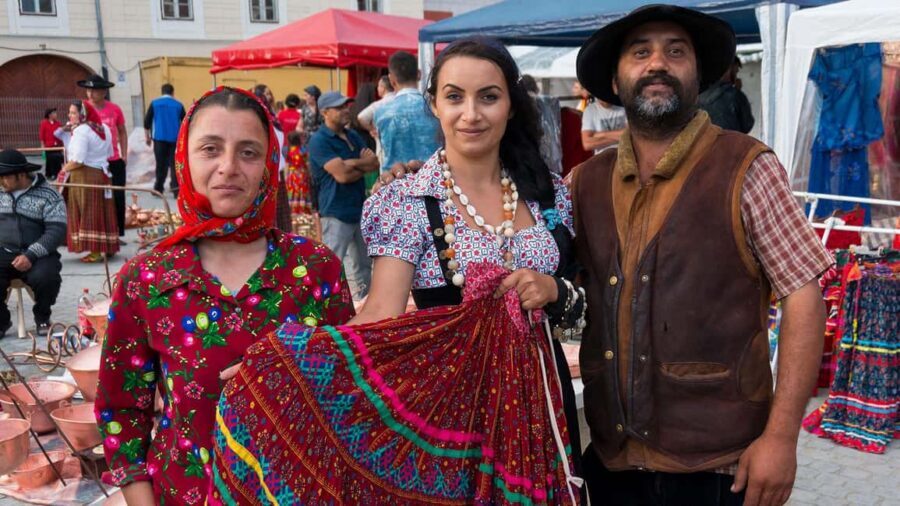
The tour meets at a small square in front of Teatrul „Ion Creangă” (Sala Mare). It’s a short walk, about 3 minutes, from Piata Romana metro station, which makes it easy to plug into any Bucharest day.
I like that the schedule feels paced for walking and thinking, not rushing. The tour lasts around 3 hours, and you’ll spend time seated or paused when needed, which matters on city walks that include emotionally intense stops.
The tour is led in English by a live guide. Based on what past tour leaders are known for, you can expect clear explanations, humor used carefully, and a tone that doesn’t treat Roma culture as entertainment.
You can also read our reviews of more walking tours in Bucharest


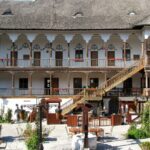
Romana Square and the former slave market: the hardest, most important start
The first major historical stop happens near Romana Square, where you visit the site of an old slave market. This is the kind of place that makes Bucharest feel close to the human cost of history, not just the architecture.
Your guide frames what slavery meant in Romania’s long, complicated relationship with Roma communities—how people were traded, how that violence fed stereotypes, and how the impact didn’t end when legal slavery ended. You’re also taught to listen for the difference between what’s repeated as a story and what’s supported by evidence.
Practical tip: this is the moment to slow down, look around, and let the guide’s context land. If you’re the type who wants answers, ask questions. If you’re the type who gets overwhelmed, it’s okay to take in the facts quietly. Either way, this stop is why the tour exists.
The Romanian Athenaeum: using arts and pride to talk about perception
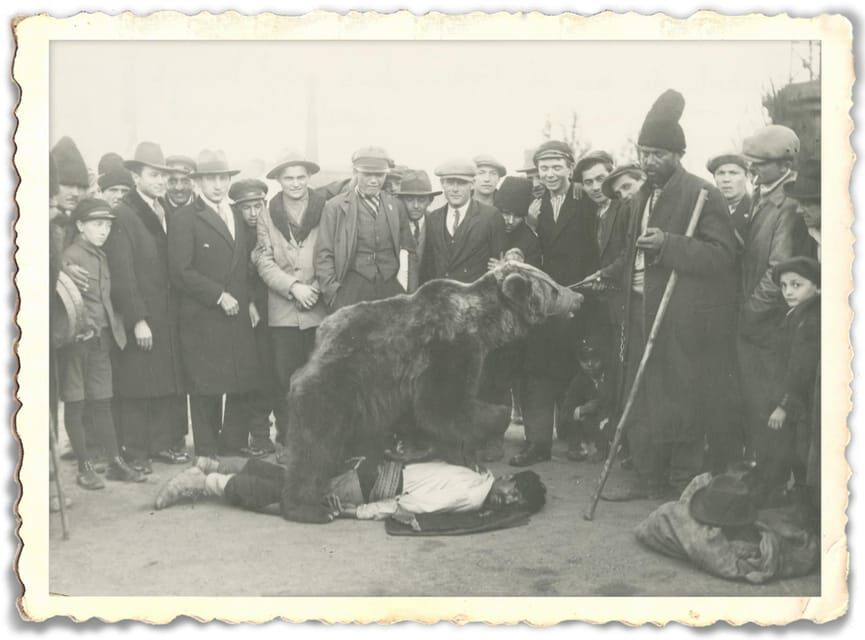
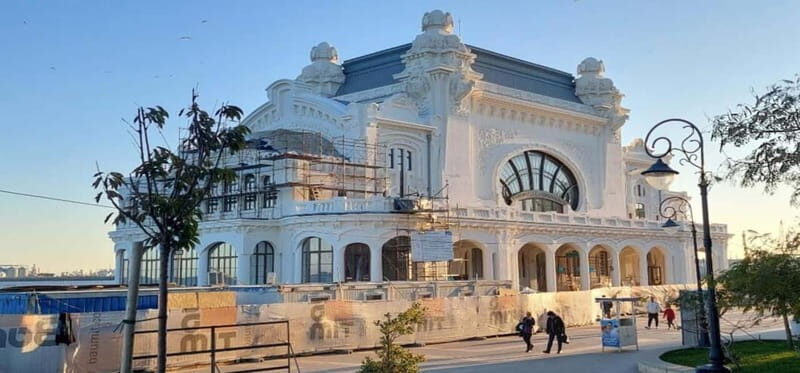
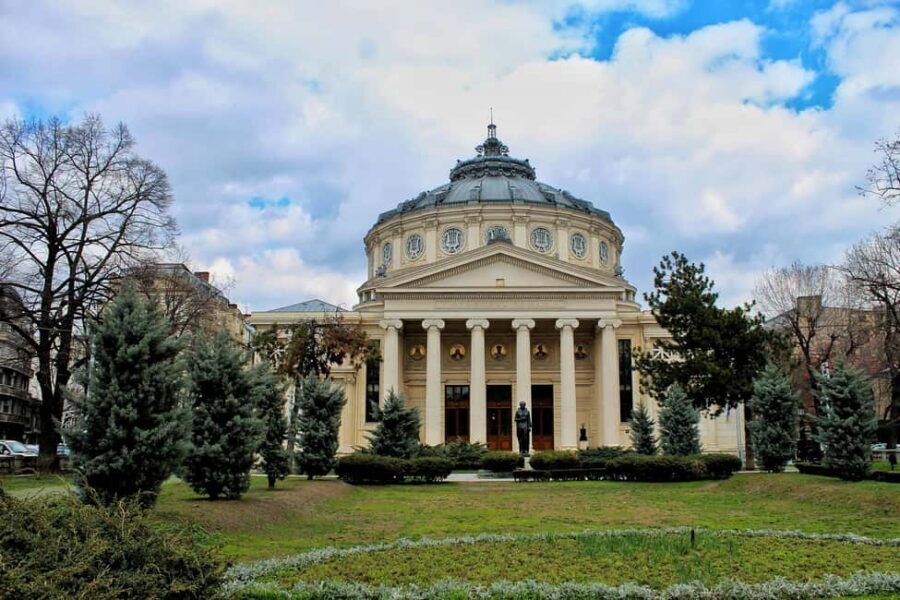
From there, you pass the Romanian Athenaeum—one of Bucharest’s best-known cultural symbols. Even if you only see the exterior, it’s an effective teaching tool: the guide uses the building and what it represents to talk about how arts and national pride can shape perceptions of Roma people.
This part works because it moves beyond the usual single-story approach. You’ll hear how stereotypes can get reinforced through cultural storytelling, and how Roma contributions and visibility have been treated inside wider Romanian society. You’re not just learning “facts”; you’re learning how society thinks.
If you’re an architecture fan, note the contrast: majestic national art and culture right next to the social realities the guide is putting on the map for you.
Cișmigiu Park: myths and truths under the trees
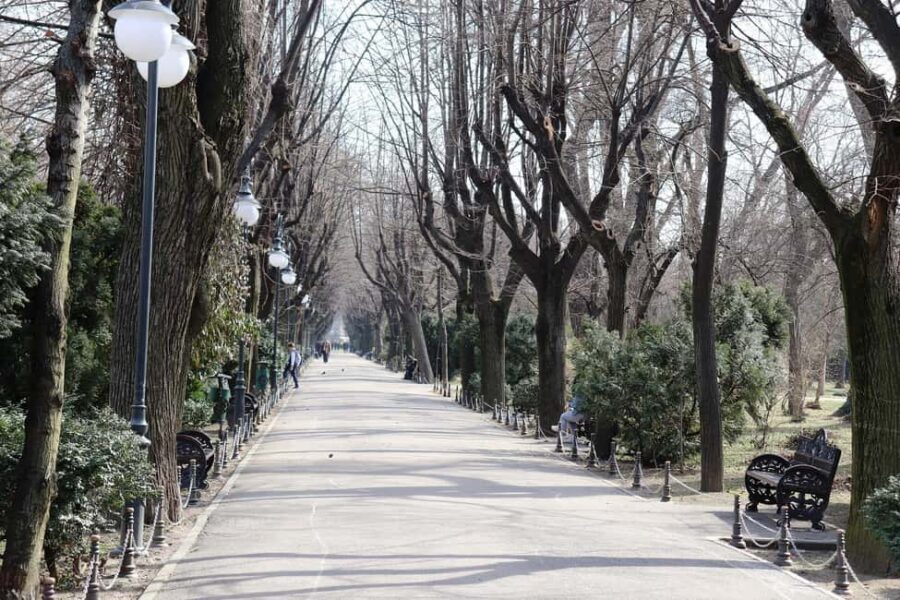
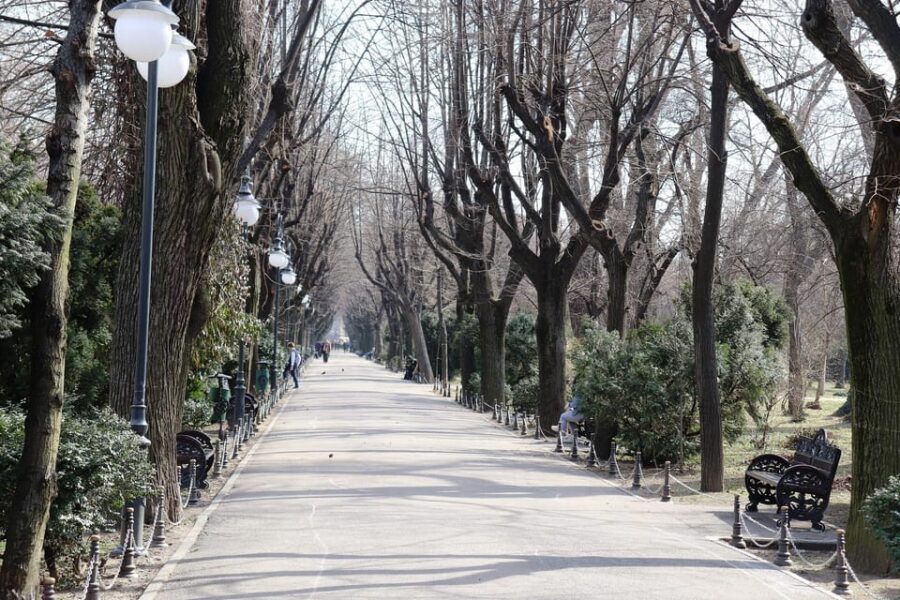
After a couple of shorter city segments, you get to Cișmigiu Gardens, Bucharest’s oldest and largest park. The tour allots about 30 minutes here, which gives you time to walk slowly, stop, and absorb the guide’s myth-vs-truth explanations in a quieter setting.
I like this design. It’s easier to process tough history when you can step out of the street-corner intensity and into green space. The guide uses the park atmosphere to explain traditions and cultural identity without reducing them to stereotypes.
You may also find this is where the tour becomes most useful for everyday life after your visit. You start noticing how casual assumptions form—and how to challenge them with better context.
Holocaust memorial stop: remembrance that includes Roma victims
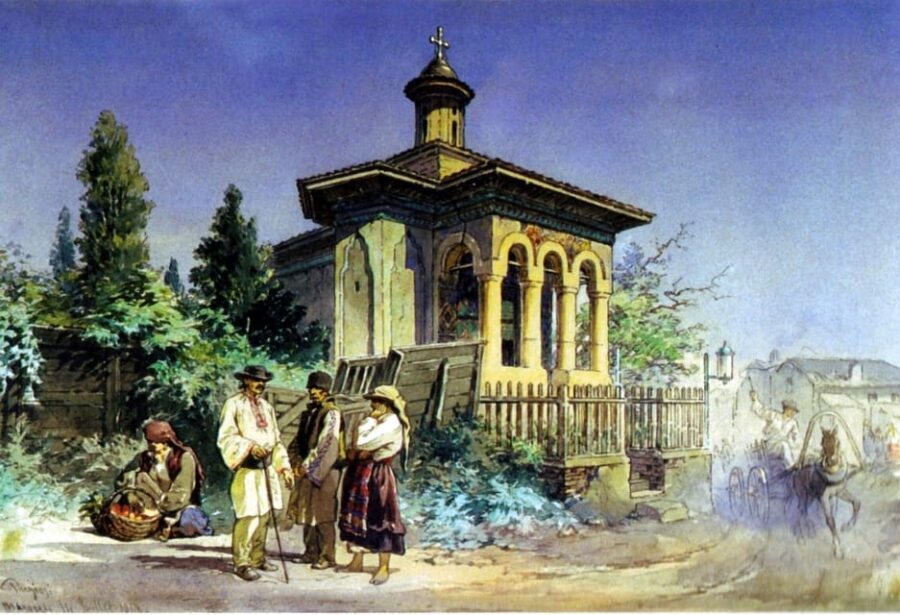
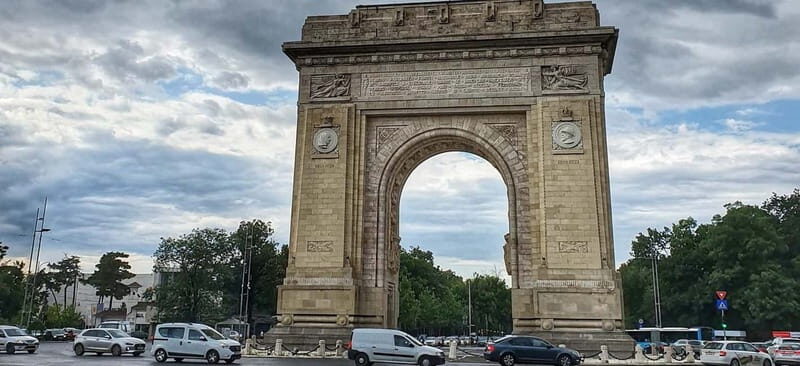
The tour includes a stop at an important Holocaust memorial in Romania. You’ll have a photo stop and a guided explanation, with time to pay respects to victims of persecution and genocide, including the thousands of Roma lives lost.
This is not the “quick look, photo, move on” kind of moment. The guide helps you understand why Roma history must be part of how you remember the Holocaust in Romania—not as an afterthought, but as a central chapter.
Bring a respectful attitude. If you want to stay in silence for a minute longer than the group, you can. This stop deserves it.
You can also read our reviews of more historical tours in Bucharest




Communist-era traces: how policy shaped daily life
Later, you’ll walk through city areas that reflect Romania’s communist past. Your guide connects these street traces to real impacts on Roma communities—explaining the kinds of challenges that came from the Communist regime and how those pressures affected Roma life.
This part matters because it explains why prejudice can be structural, not just personal. You’ll hear how social treatment, public policy, and forced social change can damage communities for decades.
The tone here often includes stories about resilience, too. That balance is important. Learning about suffering should never erase agency, creativity, and survival.
Finish at Mesteshukar ButiQ and (optionally) make your own piece
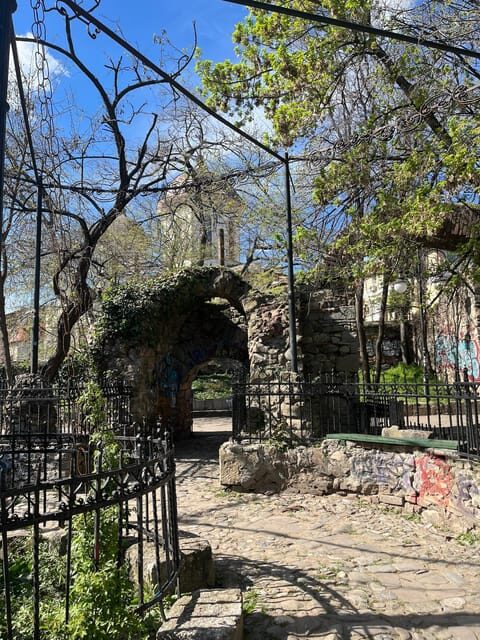
The tour ends at Mesteshukar ButiQ [MBQ]. This is where the experience can shift from information to hands-on culture.
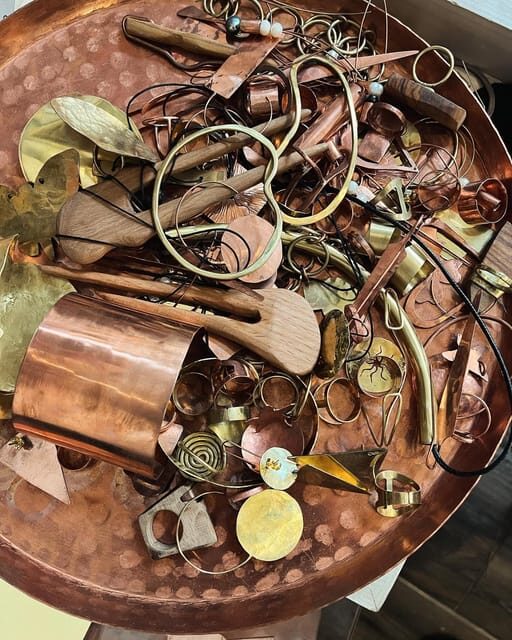
If you choose the optional add-on, you can take part in a Roma jewelry workshop with an authentic Roma craftsman in a traditional workshop setting. You’ll craft your own piece, and the option also includes transportation as part of the add-on.
I like this ending because it turns learning into a tangible souvenir that isn’t mass-produced. It also keeps you from leaving Bucharest with only heavy history in your head. You finish with something you made—slowly, carefully, and with real craft skill in front of you.
Price and value: why $30 makes sense for what you get
At $30 per person for about 3 hours, this tour is good value if you want more than a generic city highlights route.
What you’re paying for is the guide’s focus: Roma culture and society in Romania, slavery history, myth vs reality, the Holocaust memorial context, and the communist-era effects—all tied to walkable locations in Bucharest. That’s a lot of historical interpretation in a compact time window.
Food isn’t included, so you’ll likely want to use the scheduled local café break to buy water or a snack if you need it. (The tour does give you that built-in pause, about 15 minutes, so you’re not walking on empty.)
Should you book this Roma Culture, Realities and Slavery History tour?
Book it if you want a focused walk that connects Roma history to specific Bucharest places, and if you like guides who explain what’s true versus what’s been repeated as rumor. It’s also a strong choice if you care about respectful, empathetic context, not just facts read off a page.
Skip it or think twice if you’re looking for a carefree, entertainment-first route. This walk includes slavery and genocide themes, and it’s designed to treat them seriously.
If you can handle heavy topics with maturity, you’ll leave with clearer context for Romania—and for the kinds of prejudice you’ll keep running into anywhere.
FAQ
Where do I meet the tour?
Meet in the small square in front of the Ion Creangă Theatre (Sala Mare), about 3 minutes walking distance from Piata Romana metro station.
How long is the walking tour?
The tour lasts about 3 hours.
How much does it cost?
The price is $30 per person.
Is the tour offered in English?
Yes. The guide provides the tour in English.
What is included in the price?
The tour includes a guide and a walking tour. If you select it, the jewelry workshop and transportation are included too.
Is the jewelry workshop optional?
Yes. There is an optional jewelry workshop add-on where you craft your own piece at a traditional workshop.
Are food and drinks included?
No. Food and drinks are not included, though there is a scheduled break at a local café.
Where does the tour end?
The tour finishes at Mesteshukar ButiQ [MBQ].
Can I cancel for a full refund?
Yes. You can cancel up to 24 hours in advance for a full refund.
Is there free cancellation and flexible booking?
The tour offers free cancellation up to 24 hours in advance, and there is a reserve now & pay later option.