REVIEW · BUCHAREST
Bucharest: City Highlights Guided Walking Tour
Book on GetYourGuide →Operated by Bike The City Bucharest · Bookable on GetYourGuide
Bucharest clicks into focus fast on foot. This 2.5-hour highlights walk mixes fresh air in Cismigiu Gardens with big, unforgettable architecture all the way to the Palace of Parliament.
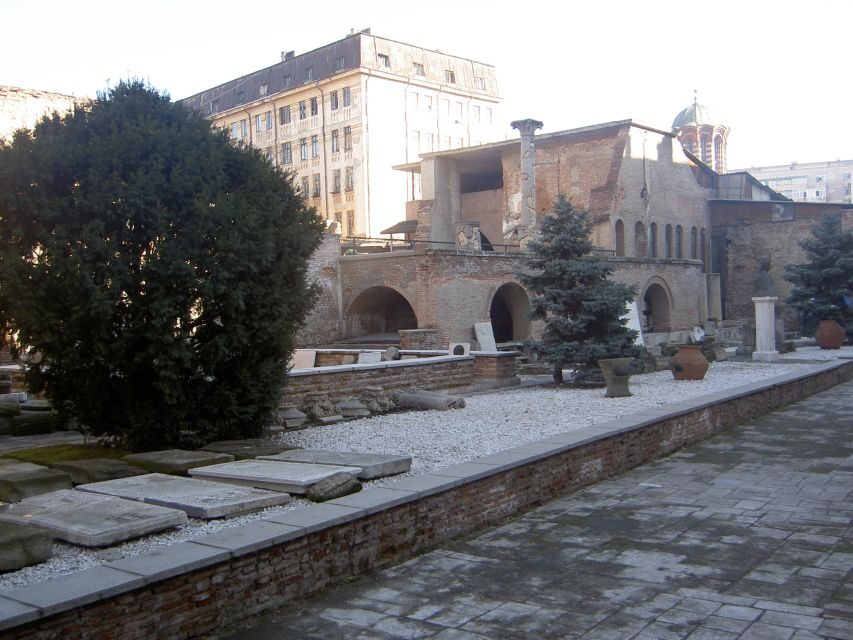
I especially like the way the walk starts with places that explain how Bucharest grew, before the city turns into a stage set. You begin around Old Princely Court, Manuc’s Inn, and Stravopoleos Church, and you also see why Bucharest has only three remaining caravanserais.
One drawback to plan for: it runs rain or shine, and you do a lot of walking in one go. If weather is miserable, dress for it and keep your shoes truly comfortable.
In This Review
- Key takeaways before you go
- Old City Center to Parliament: what the 2.5 hours really covers
- Meeting at Hanu’ Lui Manuc: an easy start point with a local feel
- Old Princely Court, Manuc’s Inn, and Stravopoleos Church: Bucharest’s earlier chapter
- Revolution Square and the former financial district: how modern Bucharest took shape
- Calea Victoriei: Telephone Palace, Royal Palace, Atheneum, and the art of grand facades
- Cismigiu Gardens: the break that makes the rest of the city easier to enjoy
- Ceaușescu’s Palace and Union Boulevard: the Communist-era scale comparison that sticks
- Palace of the Parliament finale: a heavy building and a practical end point
- Price and value for $21: where this tour earns its money
- Rain or shine: what to do when the weather turns
- Who should book this walking tour in Bucharest
- Book it or pass: should you choose this tour?
- FAQ
- Where is the meeting point for the tour?
- How long is the Bucharest city highlights walking tour?
- What does the tour cost?
- What is included in the price?
- Is food and drink included?
- What sights will the tour cover?
- What language is the tour guide speaking?
- Does the tour run only in good weather?
- What should I bring?
- Is the tour wheelchair accessible?
Key takeaways before you go
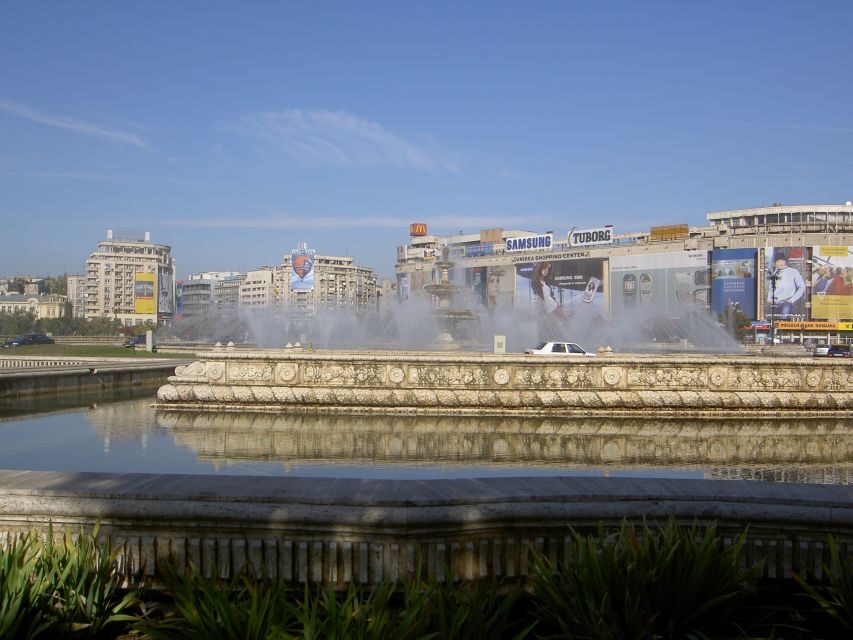
- Cismigiu Gardens pause: Bucharest City Hall shows up near the end, and you get the city’s oldest park as a reset.
- Caravanserais you can actually count: Bucharest has only three left, and the tour builds that story into your route.
- Calea Victoriei architecture hits: Telephone Palace, National Military Circle, the Royal Palace, and the Romanian Atheneum are all on the way.
- Revolution Square + former financial district: you get the city’s modern turning points, not just pretty facades.
- Ceaușescu’s Palace and Union Boulevard: the tour connects the Communist-era scale to a famous comparison with Champs-Élysées.
- Palace of Parliament finale: you finish at a building described as the second largest and heaviest in the world.
Old City Center to Parliament: what the 2.5 hours really covers
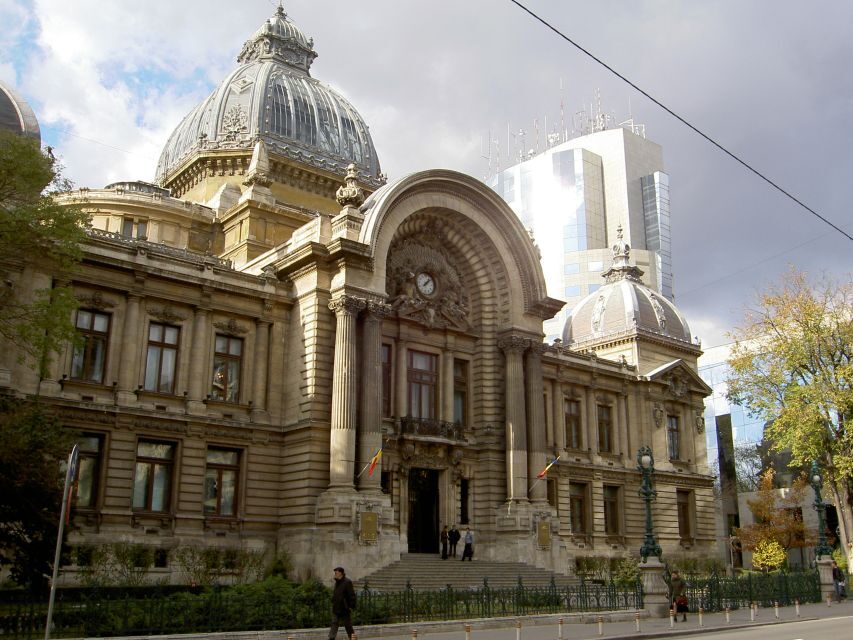
This is a guided walking tour designed to give you a fast mental map of Bucharest. You start in the old city center, then work outward through historic squares, grand boulevards, and a park break, finishing at the Palace of Parliament.
Along the way, you’ll move from early landmarks (Old Princely Court, Manuc’s Inn, Stravopoleos Church) to the star boulevard of Bucharest, Calea Victoriei. Then you pass into the 20th century with stops connected to the Communist era, including Ceaușescu’s Palace and Union Boulevard.
The itinerary also includes Revolution Square and the former financial district, so the city’s political and economic shifts aren’t left out. Your guide keeps it in English and focuses on how each stop fits the bigger story—how Bucharest looks the way it does.
You can also read our reviews of more walking tours in Bucharest


Meeting at Hanu’ Lui Manuc: an easy start point with a local feel
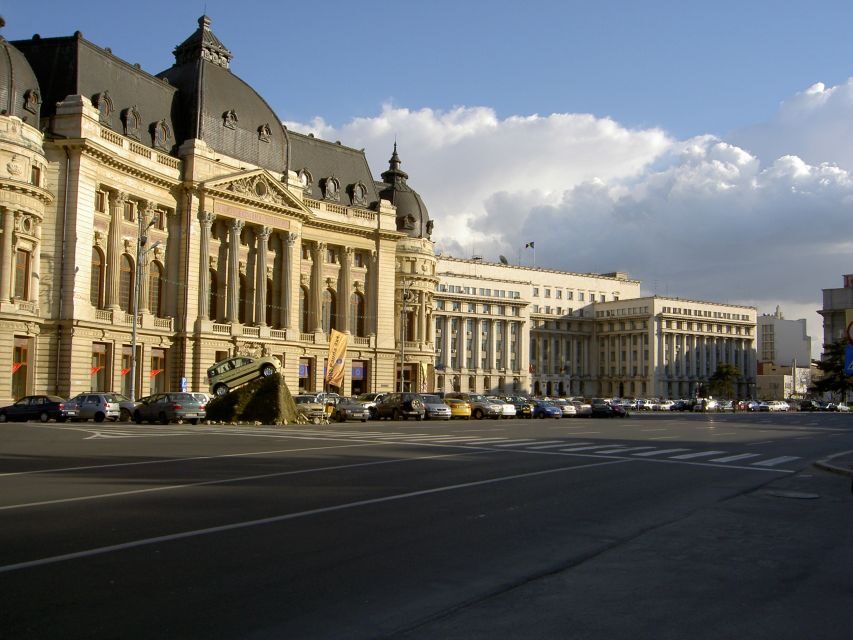
You meet your guide in front of Hanu’ Lui Manuc restaurant. It’s a clear, central landmark that’s simple to find, which matters on a first day when you’re still learning which streets connect where.
From what people highlight, the guides also tend to set a welcoming tone quickly. Names that come up often include Ed, Lucía, and Dan—and multiple guests praise how the guides manage the group so everyone feels included and heard, even when the streets get busy.
One practical bonus: some guides are also known for sharing recommendations after the tour (for example, via WhatsApp). That can help you turn your first-day walk into a better second-day plan—so you’re not stuck guessing where to go next.
Old Princely Court, Manuc’s Inn, and Stravopoleos Church: Bucharest’s earlier chapter
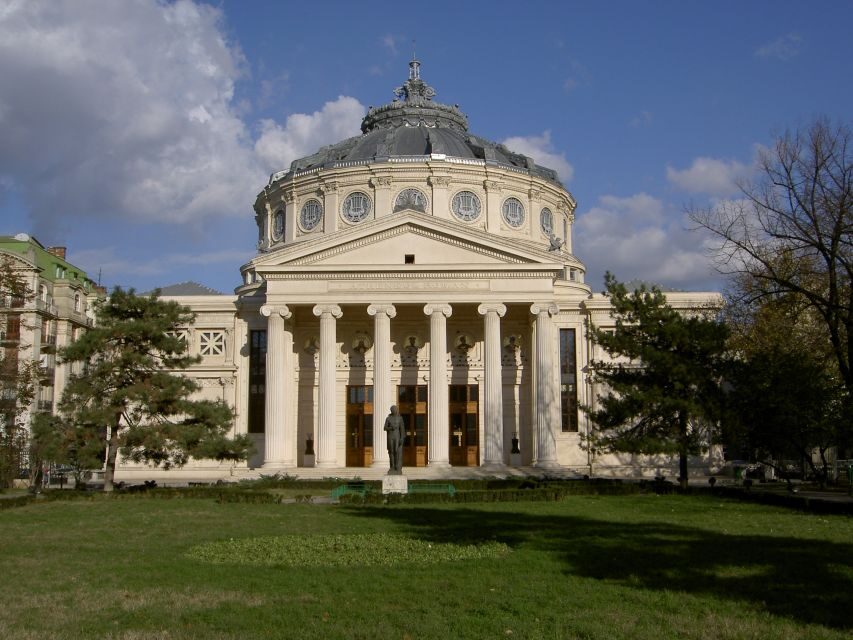
The tour begins at the oldest witnesses of Bucharest’s birth and development: Old Princely Court, Manuc’s Inn, and Stravopoleos Church. This matters because it anchors the rest of the walk. Without this early context, the city’s grand buildings can feel like disconnected photos.
Here’s what makes these stops useful. Old Princely Court gives you a sense of the city’s origins and changing power centers. Manuc’s Inn is one of the remaining caravanserais, which are inns built for merchants and travelers—so you’re seeing a commercial-era function, not just a pretty courtyard.
Then you reach Stravopoleos Church, noted in the tour highlights as one of the oldest and most well-preserved monasteries in Bucharest. If you like architecture, pay attention to the way religious sites sit inside the city fabric. It’s a reminder that Bucharest’s growth wasn’t only about palaces and governments.
Revolution Square and the former financial district: how modern Bucharest took shape
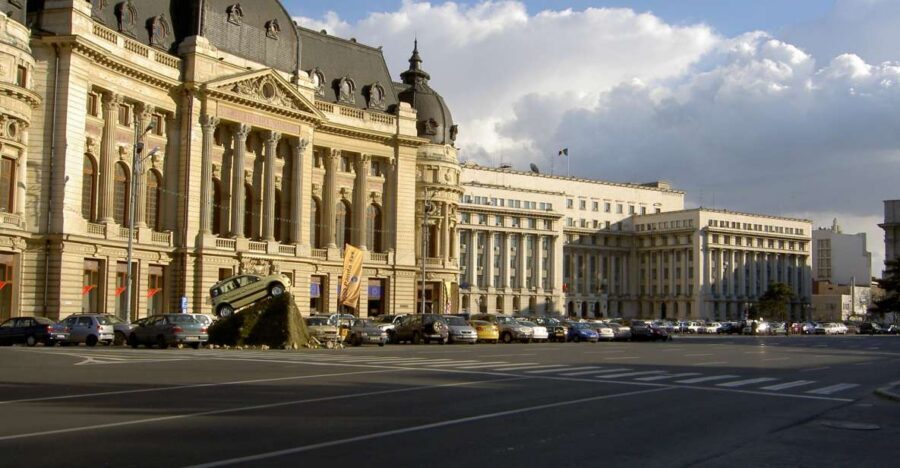
You also explore Revolution Square and the former financial district. Even if you’ve read about Romania’s 20th-century history, seeing the spaces in person helps the timeline click into place.
Squares like Revolution Square are where a city compresses meaning—public life, political shifts, and collective memory. Your guide’s job here is to connect what you’re seeing to why it matters, so you can look beyond the monument or facade and understand the role the area played in turning points.
The former financial district adds another layer. It helps you see Bucharest not just as a backdrop of revolutions, but as a place built on institutions: money, administration, and the systems people relied on.
Calea Victoriei: Telephone Palace, Royal Palace, Atheneum, and the art of grand facades
After the older center, the tour heads to Calea Victoriei, Bucharest’s most famous boulevard. This is where the city becomes dramatic—architecture as a kind of public storytelling.
The tour route includes several standout buildings:
- National Military Circle
- Telephone Palace
- Royal Palace of Bucharest
- Romanian Atheneum
- and more along the same stretch
Why this is a big deal for your day: a boulevard tour is the easiest way to learn a city’s visual language. One set of buildings can reflect one era’s ideas about power, culture, and national identity. Another can look related at first glance, but feel totally different when you know what to watch for.
A simple tip: on this stretch, pause often. Pick a spot on the sidewalk, look across the street, and compare facades. You’ll get more from the walk when you slow down for five good minutes instead of rushing forward.
You can also read our reviews of more guided tours in Bucharest




Cismigiu Gardens: the break that makes the rest of the city easier to enjoy
Midway through the tour, you get a calm reset in Cismigiu Gardens, including a stroll where you can breathe. The tour highlights call it the oldest park in Bucharest, and that age matters here: it feels less like a planted green space and more like a long-running part of daily city life.
This stop also cools down your brain. When you’ve been taking in monuments and architecture, a park break lets you regroup and start noticing everyday details again—how people move through streets, how the city sounds change, and where locals tend to pause.
At the end of this section, Bucharest City Hall is part of what you can spot as you move through the area. It’s a nice connection point: you’re coming from early landmarks, then shifting to modern government-era presence, and the park gives you the breathing room to keep up.
Ceaușescu’s Palace and Union Boulevard: the Communist-era scale comparison that sticks
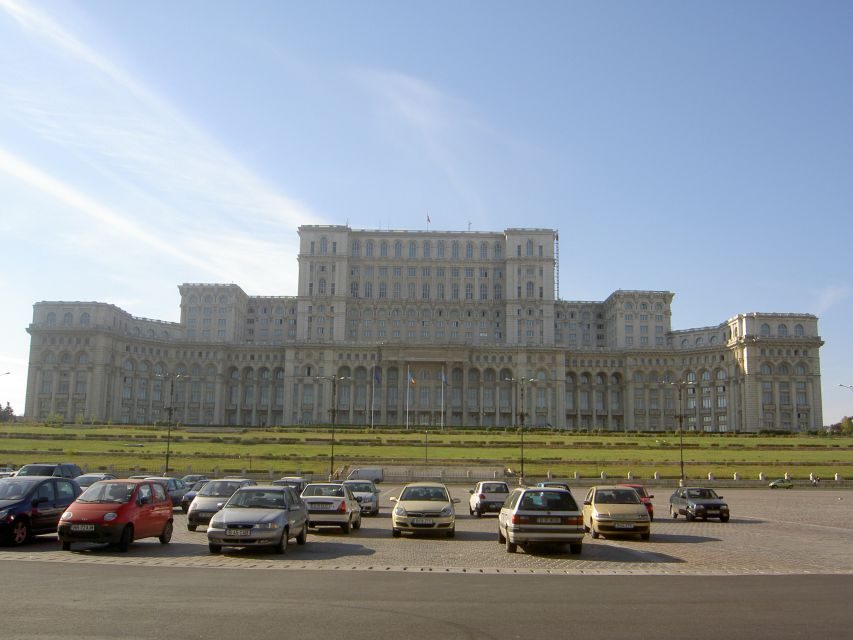
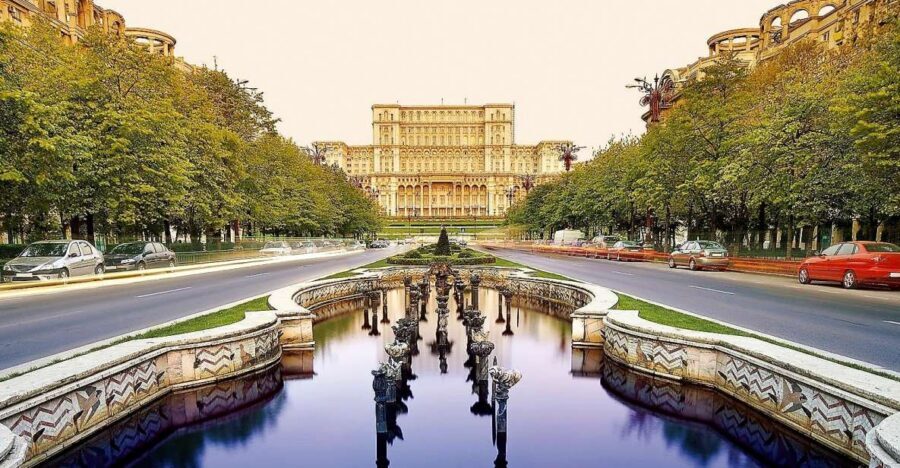
Next the walk moves into the 20th century and the Communist era. You’ll see Ceaușescu’s Palace and Union Boulevard, which the tour notes was designed to be longer and wider than the Champs-Élysées.
That comparison is more than trivia. It’s a clue about intentions: bigger, louder, harder to ignore. When you stand close to monumental structures like Ceaușescu’s Palace, you start to understand why Bucharest’s architecture feels so forceful in parts—scale becomes a political statement.
Also, this is where the guide’s storytelling really matters. Guests consistently praise the way guides make complex history understandable and keep the pace friendly. If you’re the type who likes your facts explained without getting stuck in a textbook mode, this section is where the tour tends to reward you.
Palace of the Parliament finale: a heavy building and a practical end point
The tour ends at the Palace of Parliament, described in the highlights as the second largest and heaviest building in the world. Even without stepping inside, finishing here does something smart: it gives you a dramatic visual anchor for your whole trip.
Practically, this ending point is also useful. Once you’ve seen where the building sits, you can plan your next moves with more confidence—whether you want to return, pair it with nearby sights, or just get your bearings for evenings and dinners.
If you’re a photo person, this is the moment to slow down. Look back along the route you just walked. It helps you understand the logic of the city: old center to boulevard to institutions to monumental government space.
Price and value for $21: where this tour earns its money
At $21 per person for 2.5 hours, this is priced like an efficient orientation walk rather than a museum-heavy day. The ticket isn’t just paying for distance—it’s paying for a local guide who can connect landmarks into a story you can remember.
This tour includes a walking tour and a local guide, and the route is packed with major sights: old landmarks, Calea Victoriei icons, Cismigiu Gardens, Communist-era structures, and a Parliament finish. For many first-timers, the value comes from coverage plus context.
Also, the guide quality shows up in the details. Many people highlight clear English, good pacing, and storytelling with humor. Names like Ed and Lucía are repeatedly mentioned as guides who make the city feel alive rather than like a list of stops.
Food and drinks aren’t included, so plan to handle that separately. If you want a café break, bring your own timing and choose a spot you like rather than treating the tour like a meal deal.
Rain or shine: what to do when the weather turns
The tour takes place rain or shine. So your main job is making sure you’re comfortable enough to enjoy the walking pace when the street conditions change.
Bring comfortable shoes and dress in layers so you can adjust when clouds or cold wind show up. If snow or deep chill hits, you’ll want thermal basics under your outer layer. People in recent cold-weather tours describe the guide checking on everyone and keeping things moving safely, which is exactly what you want when the weather gets nasty.
Finally, keep your phone ready but steady. You’ll pass many photo-friendly facades on Calea Victoriei, and the park stop gives you better light and calmer scenes than the road itself.
Who should book this walking tour in Bucharest
This one fits best if you’re:
- visiting Bucharest for the first time and want a clear “how the city works” introduction
- interested in architecture, from older religious sites to grand boulevards
- trying to connect modern sights to Romania’s 20th-century shifts
- traveling solo and want an easy way to talk to a local guide while walking
It can also work well with families, as long as kids can handle steady walking. One common theme in the feedback is that the guide keeps the group engaged, including younger participants.
If you hate walking or want a slow, sit-down museum day, you might feel rushed. This tour is designed to move. You’re getting orientation and context in one session, not lingering for hours in one building.
Book it or pass: should you choose this tour?
If it’s your first day in Bucharest and you want fast clarity—old town to boulevard to park to Communist-era scale—you should book this. The route makes it easy to understand what you’ll want to return to later, and the guide style is repeatedly praised for keeping things friendly, organized, and easy to follow in English.
Skip it if you’re looking for food-focused experiences or long museum time. Also think twice if weather and walking distance are your biggest deal-breakers.
For most people, $21 for a well-led 2.5-hour highlights walk is strong value, especially when you want your next day in Bucharest to feel less random.
FAQ
Where is the meeting point for the tour?
Meet your guide in front of Hanu’ Lui Manuc restaurant.
How long is the Bucharest city highlights walking tour?
The tour lasts 2.5 hours.
What does the tour cost?
It costs $21 per person.
What is included in the price?
The price includes the walking tour and a local guide.
Is food and drink included?
No. Food and drinks are not included.
What sights will the tour cover?
You’ll see Old Princely Court, Manuc’s Inn, Stravopoleos Church, Calea Victoriei, Revolution Square, the former financial district, Cismigiu Gardens, Ceaușescu’s Palace, Union Boulevard, and end at the Palace of Parliament.
What language is the tour guide speaking?
The tour is in English.
Does the tour run only in good weather?
No. The tour takes place rain or shine.
What should I bring?
Comfortable shoes.
Is the tour wheelchair accessible?
Yes, the tour is wheelchair accessible.