REVIEW · BUCHAREST
Snagov Monastery, Ceaușescu Mansion, & Village Museum – 6h
Book on GetYourGuide →Operated by Nicolas Experience Tours SRL · Bookable on GetYourGuide
Snagov feels like a curveball from Bucharest. You get the Snagov Monastery on an island about 40 minutes out (with the famous Dracula-tomb stop), then swing straight into power and propaganda at the Ceaușescu Mansion. I especially like how the day keeps flipping the mood: quiet water views and simple life at the monastery and village houses, then suddenly giant political architecture and 1989’s shock.
Two big wins for me: the Village Museum shows Romanian traditions through real homes and tools, and the private format means your guide can pace the stories instead of rushing through them. One thing to consider: it’s a tight 6-hour loop with city walking and multiple timed stops, and entrance fees (about 17 euro per person) plus food and drinks are not included.
In This Review
- Key highlights at a glance
- Why This 6-Hour Bucharest Contrast Tour Feels So Worth It
- Dimitrie Gusti National Village Museum: Romanian Homes, Tools, and Everyday Meaning
- Snagov Monastery on the Island: Dracula’s Tomb Stop Without the Long Haul
- Ceaușescu Mansion (Spring Palace): Private Life Behind the Political Machine
- Calea Victoriei and Revolution Square: The Street Where Old Bucharest Meets 1989
- Romanian Athenaeum, CEC Palace, and the Palace of the Parliament: How to See Big Icons Without Getting Lost
- Price and Logistics: What You’re Actually Buying for $254
- Who This Tour Suits Best
- Should You Book Snagov Monastery, Ceaușescu Mansion, and the Village Museum?
- FAQ
- How long is the Snagov Monastery, Ceaușescu Mansion, and Village Museum tour?
- How much does this tour cost?
- What’s included in the price?
- Are meals included?
- What entrance fees should I expect?
- Where do I get picked up?
Key highlights at a glance
- Snagov Monastery on an island: guided visit and photos, with the site linked to Dracula’s tomb
- Ceaușescu Mansion (Spring Palace): see how Nicolae and Elena Ceaușescu lived, plus the enlarged mid-century design
- National Village Museum: wooden, adobe, and stone village houses from across Romania
- Victory Avenue contradictions: Royal Palace area versus the Communist-era buildings tied to 1989
- Revolution Square + Senate Palace connection: the setting for the December 1989 upheaval
- Private car and licensed guide/driver: a small-group feel with flexibility during the day
Why This 6-Hour Bucharest Contrast Tour Feels So Worth It
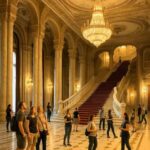
Bucharest can be a mind-bender: elegant older streets, Communist-era monuments, and then quick escapes to calmer countryside. This tour is designed for exactly that. You spend a day moving through three different “Romanias” without having to plan a thing.
What makes it work is the timing. The monastery is close enough that you’re not losing half your day to transit, and the rest of the schedule stacks major sights in a way that’s easy to understand as one story: daily life, then power, then the moment that power collapsed. A private car helps too. You’re not stuck waiting around with a large group, and you can request changes after the tour starts.
The price is not budget-level, but it makes sense if you value comfort and direct guiding. You’re getting a private vehicle for your group, a licensed guide/driver available throughout, car expenses covered, and skip-the-ticket-line convenience where it’s included. The extra cost is mainly entrance fees (around 17 euro per person) and your own meals.
You can also read our reviews of more museum experiences in Bucharest


Dimitrie Gusti National Village Museum: Romanian Homes, Tools, and Everyday Meaning
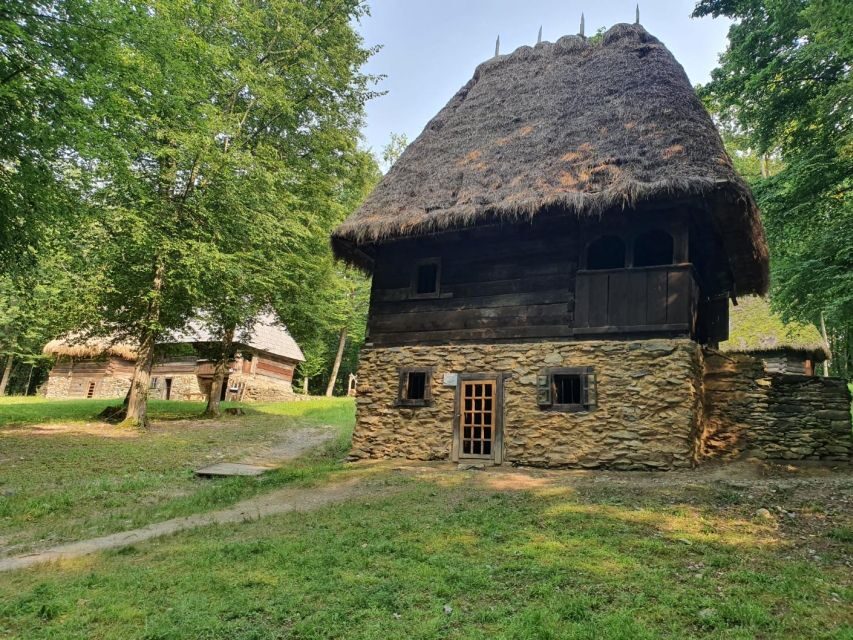
The day starts with the National Village Museum, and it’s a smart opening because it grounds you before the darker political stops. This isn’t just a pretty outdoor museum. You’ll walk through traditional Romanian houses—large or small—built from wood, adobe, stone, and other materials, representing areas around the country.
What I like most here is the focus on how people actually lived. The museum explains how villagers created an ecological, sustainable way of life in their backyard—practical building choices, the way spaces relate to living needs, and how homes were part of daily social and spiritual harmony. You also get to see national symbols like the mill and the wooden church. Even if you’re not the type to chase every artifact, these elements give you a quick mental map of what mattered in village life.
A practical tip: wear shoes that handle walking outdoors. The museum visit is guided, but you’ll still want comfortable footing for paths and courtyards. Also, don’t rush your first stop—if you can, spend time looking at details in the structures and materials before your brain shifts to the next contrast.
Snagov Monastery on the Island: Dracula’s Tomb Stop Without the Long Haul
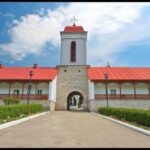
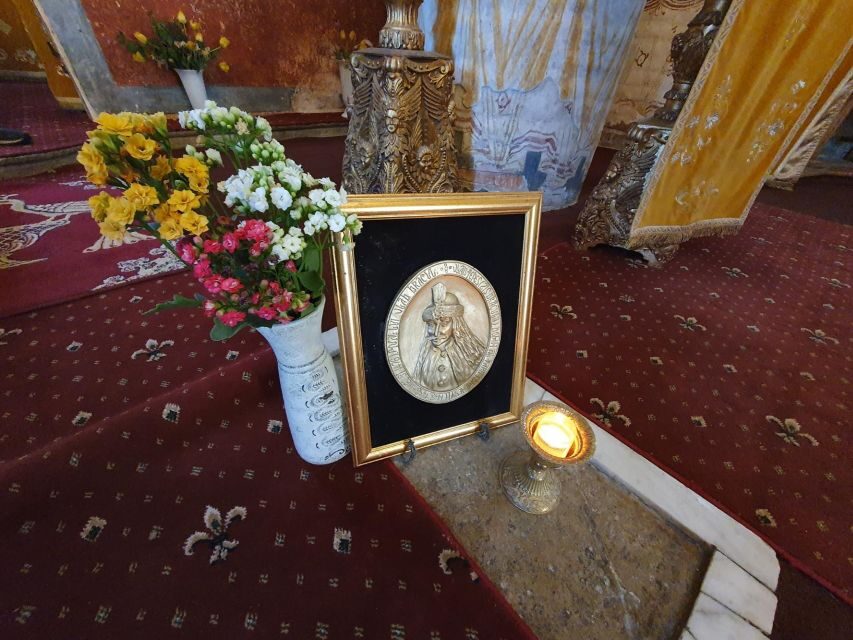
Then comes the surprise: Snagov Monastery. It’s roughly 40 minutes from Bucharest, and the “on an island” part changes everything. Instead of an urban church stop, you get a place shaped by water and distance.
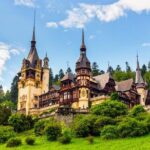
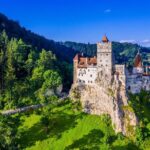
The headline in this stop is the site linked to Dracula’s tomb. If you’re into Romanian legends, this is the kind of stop that turns a story into a physical place you can photograph and talk about. Even if Dracula isn’t your main interest, the monastery setting itself is a reset from the city pace: calmer, quieter, and easier to slow down for a guided tour.
Timing is also a gift here. You get about an hour for the visit and photos, which is enough to see the main area with guidance, without feeling like you’re trapped in one location. If you dislike rushing, be ready with a good photo plan: bring your camera stance early so you’re not scrambling once you get your bearings.
Ceaușescu Mansion (Spring Palace): Private Life Behind the Political Machine
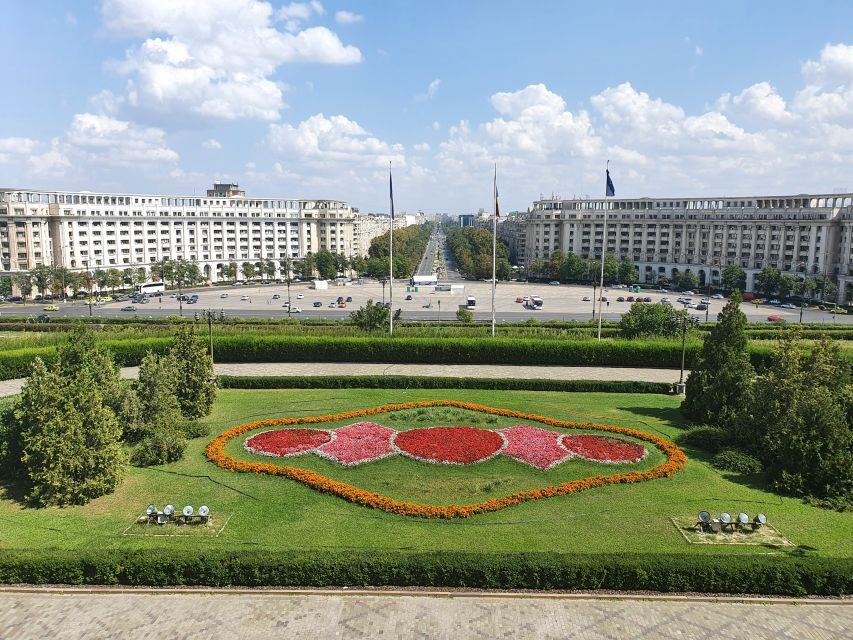
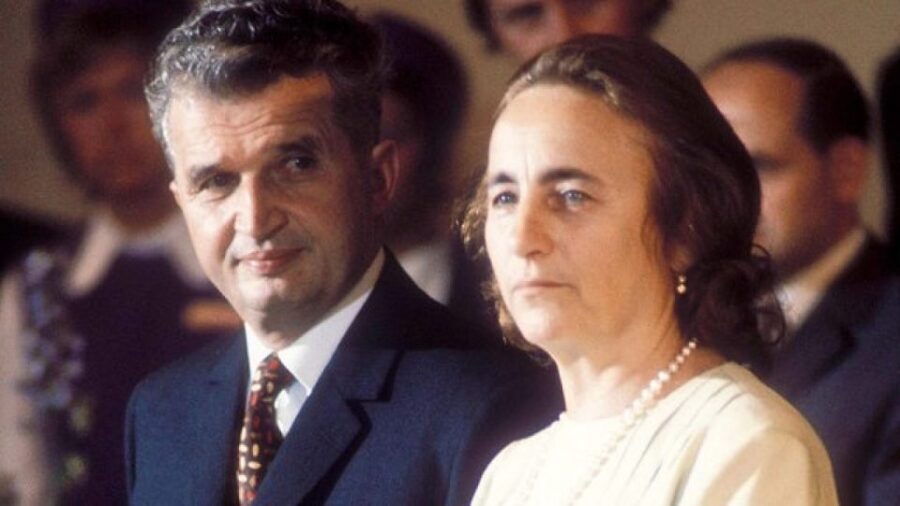
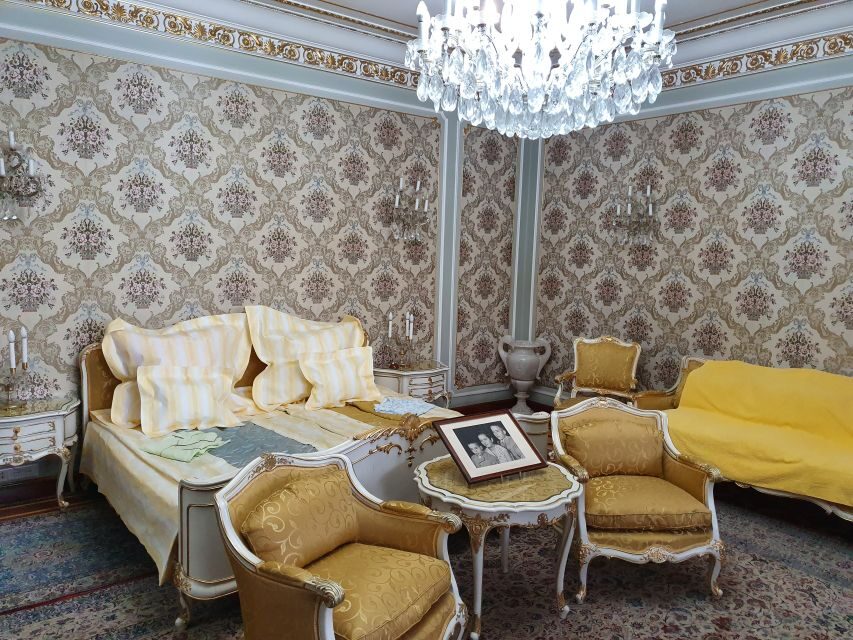
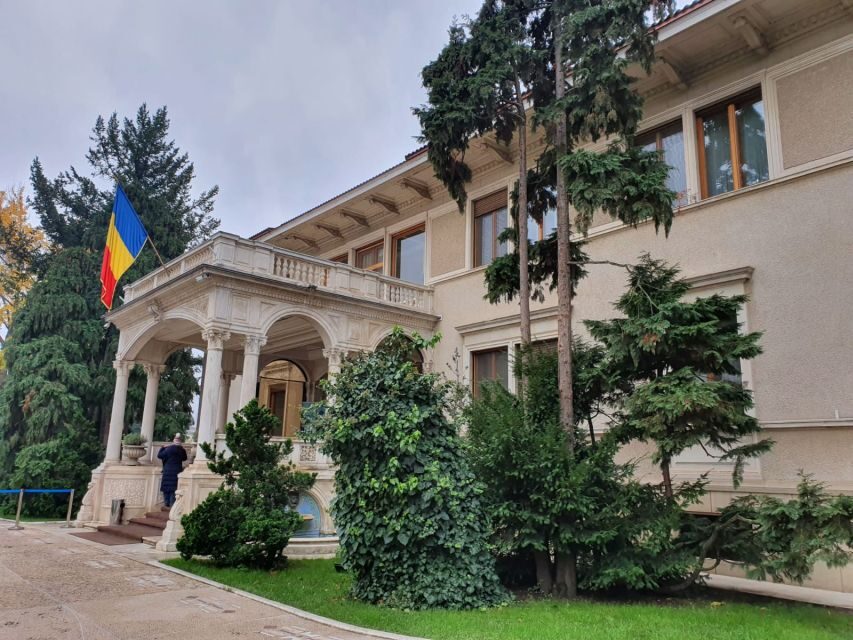
Next is the House of Ceaușescu, known for years as the Spring Palace. This is where the tour turns from atmosphere into real personal context. Nicolae and Elena Ceaușescu lived here for a quarter of a century (1965–1989), alongside their children, Nicu, Zoia, and Valentin.
The mansion was built in the mid-1960s and enlarged between 1970 and 1972. What you’ll learn from your guide is how the family’s residence reflected an entire system of priorities—power, image, and control—wrapped in architecture and landscaped grounds.
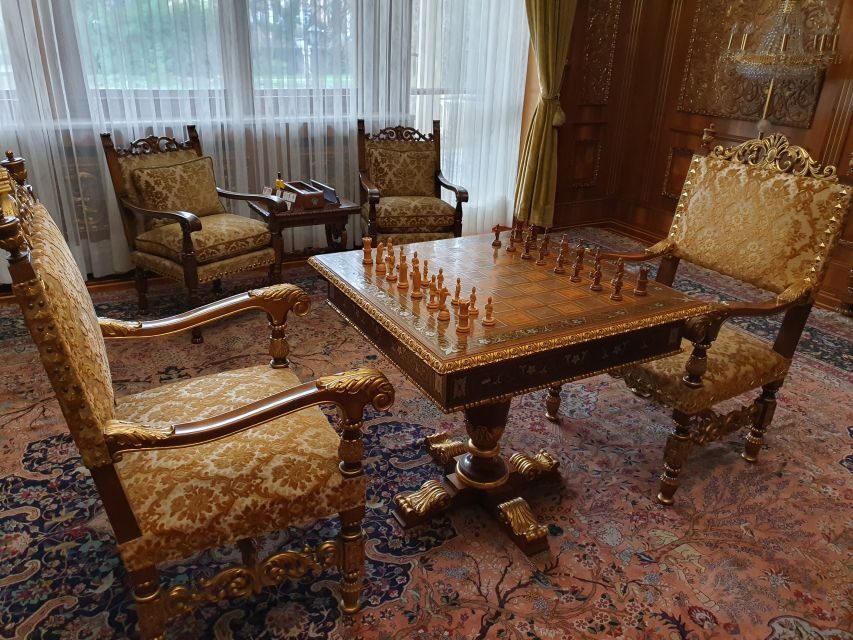
I also like that the design story has names attached to it. You’ll hear about Aron Grimberg-Solari as a key architect figure for the residence and Robert Woll for the interior-related furniture design, plus landscape work attributed to Teodosiu. Those details matter because they stop the story from being only political. You see that big decisions involved specific people, specific planning, and a whole aesthetic of authority.
A consideration: this stop can feel emotionally intense. You’re looking at the everyday “home” side of a dictator’s life while also knowing the wider historical outcome. A good guide helps you keep your footing—explaining what you’re seeing without turning it into a lecture you can’t process.
Calea Victoriei and Revolution Square: The Street Where Old Bucharest Meets 1989
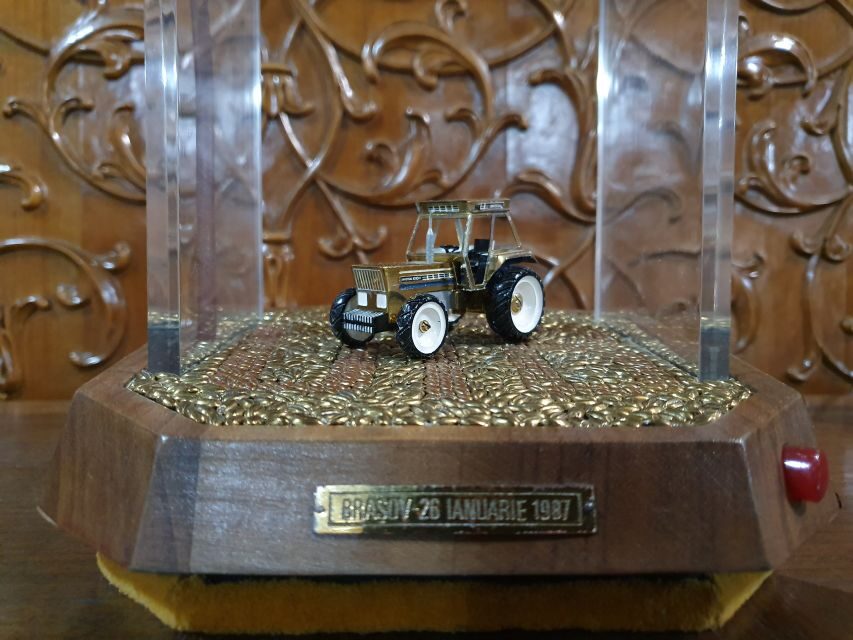
After the mansion, you head to Calea Victoriei (Victory Avenue). This part of the tour is excellent for seeing contradictions in one walk-and-drive rhythm. On one side you have the Royal Palace area; on the other, major Communist Party structures and the wider setting of the Revolution Square moment.
Your guide will point out the way history overlaps here—churches with an Orthodox feel nearby, plus music shops, museums, theatres, tea shops, and retail. You also get to place Revolution Square into your mental map: the setting where Nicolae Ceaușescu fled by helicopter, and where the December 1989 events unfolded.
Then there’s the Senate Palace connection. You’ll see the building that housed the Communist Central Committee and the scene tied to where the revolution started in December 1989. It’s not just “a landmark.” It’s a location loaded with tension, with the kind of details that make you slow down and look up at the architecture differently.
One practical note: the tour builds in guided time at Revolution Square, but it also gives you some open moments on the avenue for shopping and pacing. Use those breaks well. Grab water, step away from your guide for a few minutes, and make sure you can handle the later city stops.
Romanian Athenaeum, CEC Palace, and the Palace of the Parliament: How to See Big Icons Without Getting Lost
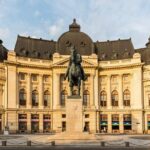
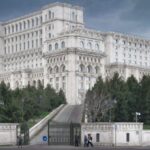
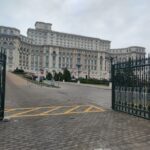
The final stretch is classic Bucharest scale. You get guided visits and walking time around the Romanian Athenaeum, the CEC Palace, and the Palace of the Parliament area, plus photo stops. These aren’t quick photo-bomb visits. You’ll get enough time to understand what each landmark is and how it fits into the city’s story.
Here’s why I think this part is valuable: if you come to Bucharest without a plan, it’s easy to treat these buildings as random “big sights.” With a private guide, the connections start to click—how architecture signals political systems, cultural pride, and public life.
The Palace of the Parliament stop deserves a quick mention. Even with limited time, you get the chance to step close, look at it from a guided viewpoint, and see why it dominates conversations about Communist-era construction. It’s one of those places where your photos look more dramatic once you’ve stood there and felt the scale.
As you wrap up, the tour also includes a final block of time back in Bucharest for photos and a bit of personal wandering. That’s a smart buffer. It helps you end the day with choices, rather than exiting with everything compressed into the last minute.
Price and Logistics: What You’re Actually Buying for $254
Let’s talk value in plain terms.
You’re paying about $254 per person for a private car used only for your group, plus a licensed guide/driver who stays with you throughout. Car costs like gasoline, parking, and road tolls are covered. The tour is listed as 6 hours and includes skip-the-ticket-line convenience.
What you should budget separately: entrance fees are about 17 euro per person, and food and drinks aren’t included. That’s normal for a sightseeing tour, but it’s the part people sometimes forget. Bring cash or a card ready for small expenses, and plan to eat after the tour or during a break you can control.
One more detail that matters: pickup. You’re picked up in Bucharest, and the driver holds a sign with your last name. That reduces the classic arrival-stress problem, especially if you’re new to the city.
Also, this format comes with flexibility. The tour description notes you can request changes regarding the daily itinerary even after it starts. That’s useful if you move slower, want an extra few minutes at a museum detail, or want to adjust your pacing.
Who This Tour Suits Best
This one fits best if you want three things at once:
- You like guided context, not just looking at buildings
- You enjoy contrasts: simple village life, personal dictatorship-era living, and the city’s political turning point
- You prefer a private setup where timing and pacing feel controlled
It may be less ideal if you hate walking outdoors or you’re expecting a relaxed day with lots of free time. It’s structured, and it moves. You’ll have some personal time on Victory Avenue, but the core is guided and scheduled.
Also, if you’re traveling as a pair or small family, the private car cost often feels more reasonable, because you’re not paying for one big group experience.
Should You Book Snagov Monastery, Ceaușescu Mansion, and the Village Museum?

If you’re only going to do one “big story” day trip from Bucharest, I’d book this. It gives you a coherent sequence: traditional life first, then the private residence tied to a political system, then the city streets and squares where the December 1989 upheaval plays out in your mind.
The strongest reason to choose it is the combination of quality guiding and private convenience, paired with stops that don’t feel like the same thing three times in a row. You get an island monastery stop that feels like a break, a mansion stop that forces you to look at power through personal spaces, and major Bucharest landmarks that finish the day with scale.
Just go in with the right expectations: it’s a packed 6 hours, with entrance fees and meals on you. If you can accept that, you’ll walk away with a much clearer sense of Romanian life before, during, and after the dictatorship era.
FAQ
How long is the Snagov Monastery, Ceaușescu Mansion, and Village Museum tour?
The tour duration is 6 hours.
How much does this tour cost?
The price is $254 per person.
What’s included in the price?
It includes a private car for your group, a licensed guide/driver available throughout the tour, skip-the-ticket-line where included, and car expenses like gasoline, parking, and road tolls.
Are meals included?
No. Food and drinks are not included.
What entrance fees should I expect?
Entrance fees are not included and are about 17 euro per person based on the itinerary.
Where do I get picked up?
Pickup is included in Bucharest, and the driver will hold a sign with your last name.