Bucharest can feel like two cities at once. This walking-and-tram food tour pairs Communist-era streets with Armenian Quarter architecture, then lands you at Obor Market for real Romanian eating. You finish at Piața Unirii with full context for what you just saw.
I love the small-group size (max 12), because the guide can actually slow down, answer questions, and keep the pace friendly. I also like the food lineup: tuica brandy, beer, cheese samples, mici with mustard, and a warm Wallachian doughnut to close things out.
One thing to consider: you will be served a shot of tuica, so if alcohol is a no-go for you, plan your experience accordingly (non-alcohol drinks are part of the mix, but the tuica shot is included).
In This Review
- Key Highlights
- National Theatre Start: Getting Your Bearings Fast (Teatrul Național București)
- Biserica Batiștei and Strada Batiștei: Old American Embarrassment Meets Local Strolls
- Armenian Church Area and the Tram to Obor: Seeing Past and Present Collide
- Obor Market Tastings: Tuica, Cheeses, and Peasant-Platter Comfort
- Mici to Doughnut: The Wallachian Sweet Finish at Piața Unirii
- Small-Group Care, Guide Power, and How to Get the Most From It
- Should You Book the Hidden Markets Bucharest Food and Tram Tour?
- FAQ
- Where do I meet the guide?
- How long is the Bucharest Hidden Markets walking tour?
- What’s the group size?
- What’s included in the food and drink tastings?
- Is there a non-alcohol option?
- Can the tour handle dietary restrictions?
- Do we ride public transit?
- Is the tour suitable for children?
- Can I cancel or pay later?
Key Highlights
- Tram ride through Communist Bucharest to connect buildings you see with the country that lived inside them
- Armenian Quarter architecture where European and Ottoman influences sit side by side
- Obor Market tasting start with tuica, platters, cheeses, and seasonal produce
- Mici moment: iconic grilled sausage with mustard plus cold beer
- Wallachian doughnut finish so you end the tour feeling properly satisfied
National Theatre Start: Getting Your Bearings Fast (Teatrul Național București)
The tour begins at the National Theatre (Teatrul Național București), right on the stairs in front of the main entrance. If you’re using Uber, use Bd. Nicolae Bălcescu 2 so you don’t waste time hunting the exact spot.
What I like about this start is that it anchors everything. You’re not just eating your way around Bucharest; you’re learning the city’s logic—where power used to sit, how streets were shaped, and why certain neighborhoods feel like they belong to different eras. Several guides listed for this tour (like Angelica, Alex, and Bogdan) are praised for adding stories at each step, not just facts on a script.
Practical tip: arrive a few minutes early and be ready to walk. This tour moves at a pace that works best if you skip a heavy breakfast—because the tastings are not tiny “snacks,” they’re meant to keep you going.
You can also read our reviews of more walking tours in Bucharest


Biserica Batiștei and Strada Batiștei: Old American Embarrassment Meets Local Strolls
From the theatre area, you head toward Biserica Batiștei and then Strada Batiștei, where the vibe shifts from grand landmarks to smaller streets with bigger meaning. Strada Batiștei is described as once feeling like the city’s St Germain—an old-school European-style street with a past you can almost feel in the façades.
One standout detail: you’ll see an old American embassy building that is now treated as a forgotten landmark. That contrast hits hard in Bucharest. It’s a reminder that political relationships change, but the buildings keep standing—sometimes quietly, sometimes with a weird kind of ghost-story energy.
This section is great if you like architecture mixed with human context. If you prefer pure museum-style touring, you might find this part more about street-level impressions and guide commentary than about entering sites. But that’s also the point: it helps you understand Bucharest as a living city, not a postcard collection.
Armenian Church Area and the Tram to Obor: Seeing Past and Present Collide
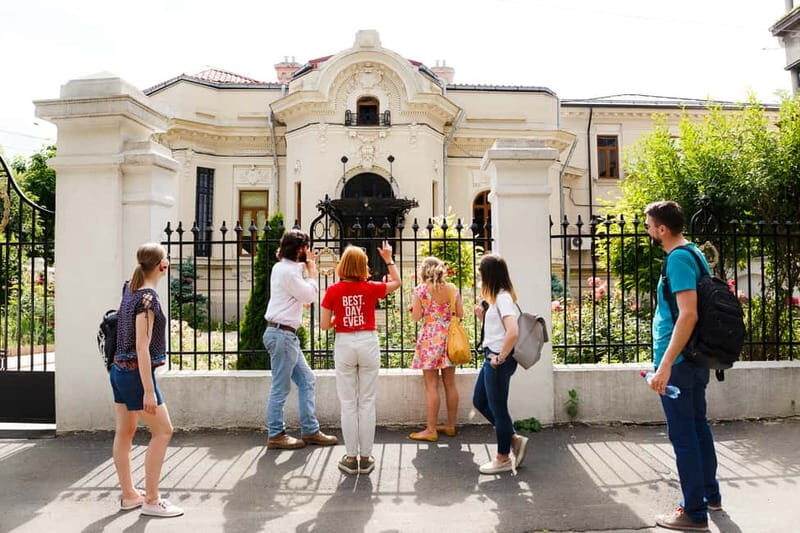
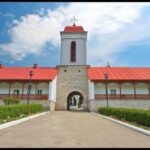
Next comes the Armenian Quarter, grouped around the Armenian Church. This is where the tour earns its “hidden markets” label in a smart way: you’re not just getting off the main drag—you’re stepping into a neighborhood where European and Ottoman architecture overlap.
Even if you’re not an architecture nerd, you’ll likely enjoy this because the guide ties the shapes and styles to what people built, traded, and influenced over time. Guides such as Angelica, Michaela, and Daniel are frequently praised for making those connections clear, and for steering the tour with easy confidence even when guests pepper them with questions.
Then you hop on the tram toward Obor Market. That ride matters more than it sounds. Public transit shows you how a city actually moves—who uses it, how people thread between neighborhoods, and how Communist-era street planning still shapes everyday routes.
Small downside to plan for: you’ll spend time outdoors while moving between stops. With a 5–5.5 hour duration, comfortable shoes are not optional. Think practical, not cute.
Obor Market Tastings: Tuica, Cheeses, and Peasant-Platter Comfort
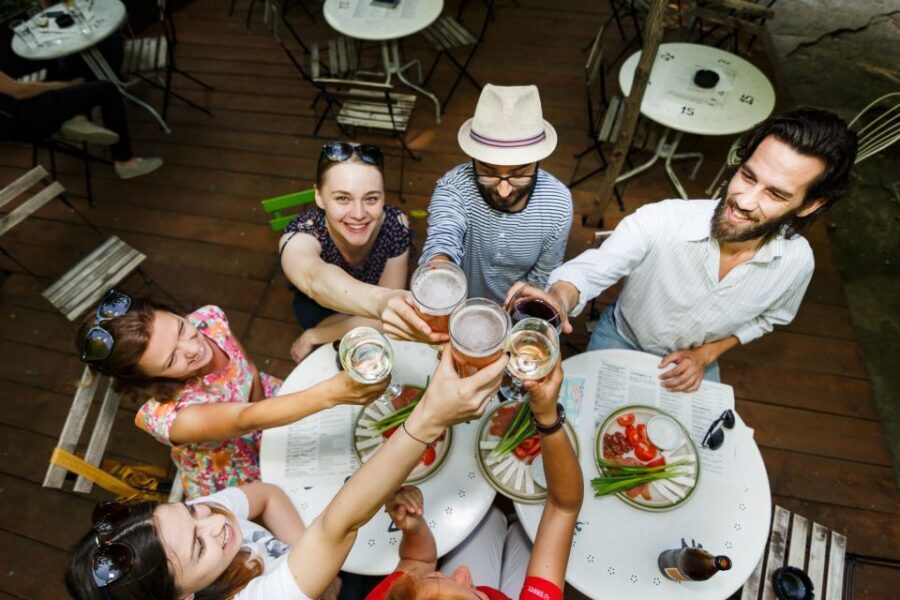
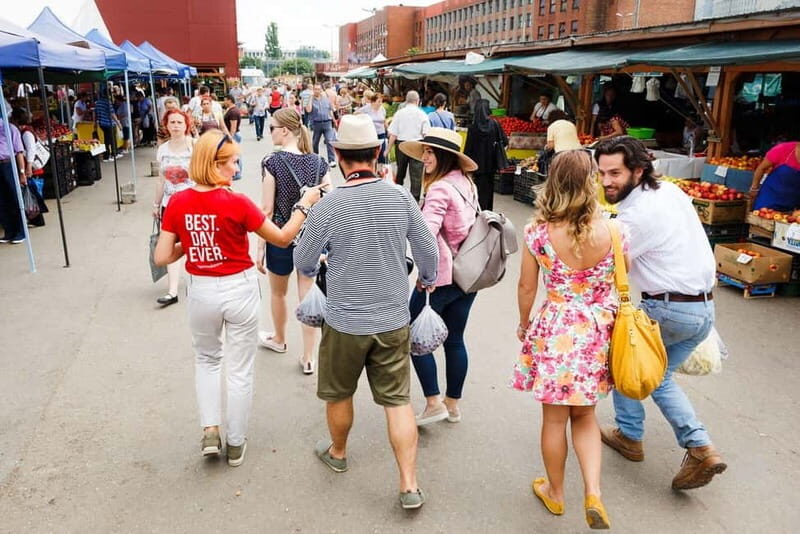
When the tour reaches Obor Market, it’s basically time to stop watching and start tasting. Obor is described as Bucharest’s largest peasant market, and that’s a big deal for value: instead of eating at a “tour restaurant,” you’re sampling food culture at one of the city’s actual food hubs.
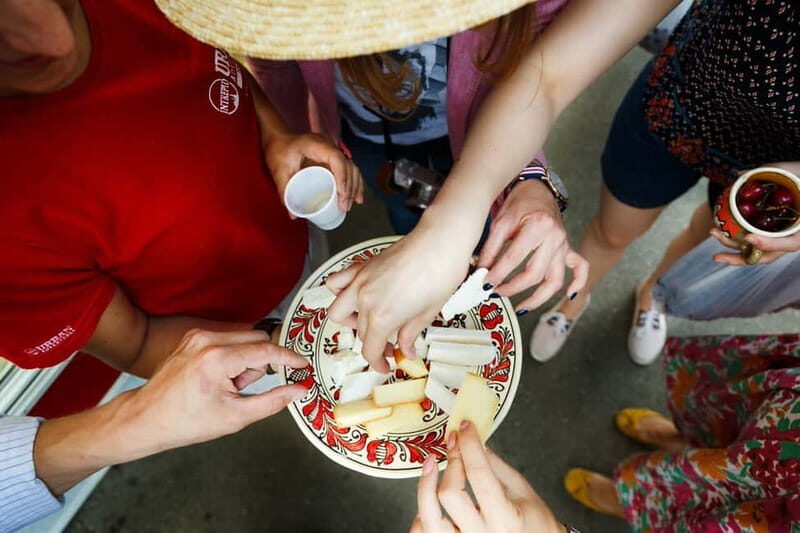
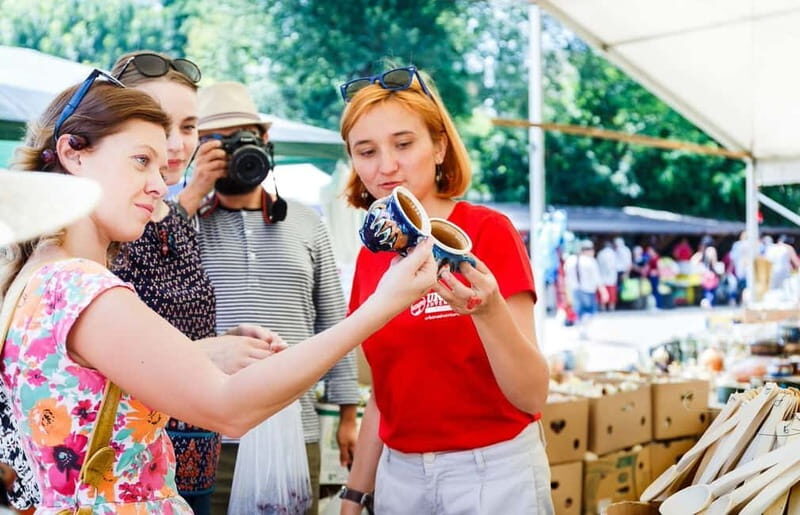
Your first tasting includes tuica (Romanian brandy) plus a Romanian peasant platter with dips, sausages, and local cheeses, paired with a drink of your choice. You’ll also get a selection of local cheeses and produce, which is the part I especially like if you want to learn what’s local without needing a grocery-store crash course.
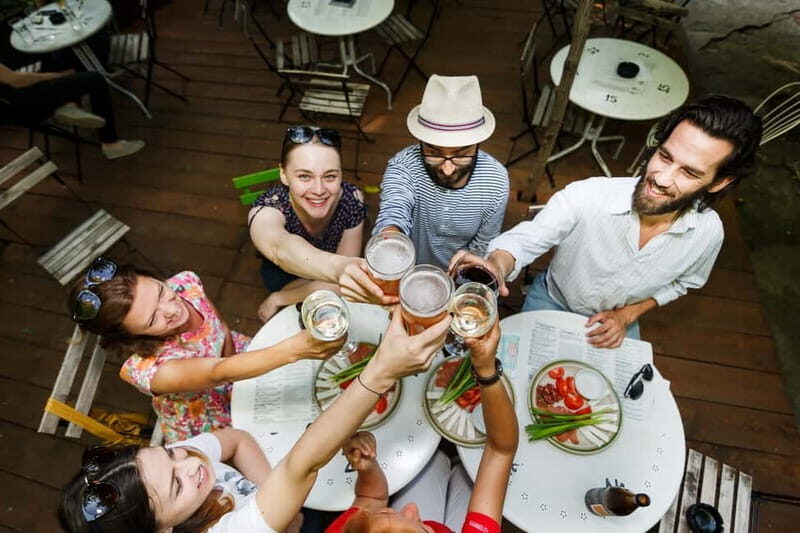
Then you move to mici—the grilled sausage that’s practically a Romanian signature. You’ll get two mici (served with bread and mustard) plus cold beer. This is where the tour becomes hands-on. You’ll taste the flavor combination you’ll keep hearing about—mustard’s bite against the grilled, peppery intensity of mici—while beer cools it down.
One more practical note: come hungry, but don’t overdo it at breakfast. Several people explicitly warn that you get plenty of food throughout, and that you’ll feel happier if you’re starting with an empty-ish stomach.
Mici to Doughnut: The Wallachian Sweet Finish at Piața Unirii
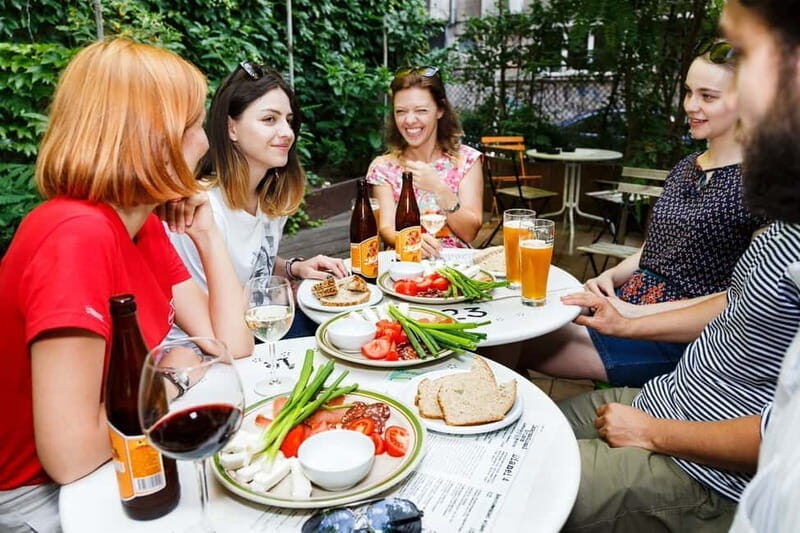
After the market and the main savory run, the tour ends with a warm Wallachian doughnut. It’s the right kind of finish: a quick sweet reset after beer, brandy, cheese, and sausage. You’ll leave with something you can actually remember by taste, not just by photos.
The tour finishes at Piața Unirii, which is a smart landing zone. It’s central enough that you can pivot into your own evening plans without fighting logistics. If you want to keep the momentum, you’ll have a better sense of where to wander next because you’ve just connected architecture, transit, and everyday food culture.
Also, you’ll likely feel a little more comfortable ordering Romanian staples on your own after this. Tuica and mici can be intimidating on a menu if you don’t know the context. Here, you see what goes with what—bread, mustard, cheeses, and a drink pairing—so you can replicate the experience later.




Small-Group Care, Guide Power, and How to Get the Most From It
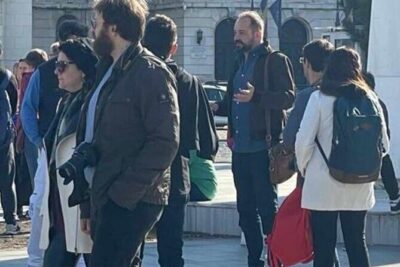
This is a max-12 small-group tour, and that’s not just a comfort perk—it changes the whole feel. With fewer people, the guide can keep the group moving without rushing and can answer random questions without turning your tour into a slideshow. You’ll also get more personal attention, which matters when you’re tasting alcohol like tuica and want to know what you’re eating.
A lot of the strong feedback centers on the guides. Names that come up often include Angelica, Alex, Bogdan, Daniel, and Michaela, with guests praising friendly, lively hosting and clear explanations. The common thread is how they connect details: architecture to history, food to daily life, and markets to what Bucharest does now—not only what it did before.
Value-wise, the tour is built around “included eating.” For about $100 per person over 5–5.5 hours, you’re getting a guide, a guided walking route, tram tickets, and multiple tastings that include 3 beers (or non-alcohol drinks like soft drinks/coffee/tea), tuica, two mici, a Wallachian doughnut, and several cheese/produce samples plus bread. That’s a lot to be included for one set price, especially if you’d otherwise spend separately on transport and a few meals.
Before you go, a couple of practical facts from the operator: the tour is carbon neutral and run by a B Corp certified company committed to using travel as a force for good. Dietary needs like vegetarian/vegan and gluten-intolerant can be accommodated if you notify them at least 24 hours ahead. Children under 6 aren’t permitted, so it’s geared toward adults and older kids.
Should You Book the Hidden Markets Bucharest Food and Tram Tour?
If you want Bucharest off the usual checklist—markets, transit, and food you can’t fake at home—this is a great fit. It’s especially worth booking early in your trip because it teaches you how to read the city: streets, architecture, and neighborhoods all connect once you’ve tasted them.
Skip it only if you strongly dislike alcohol, because tuica is included, or if you want a more low-walking, sit-down-only experience. Otherwise, I’d book it for the combination of Obor Market tastings, the tram ride, and the guide-led context that makes Bucharest feel personal instead of confusing.
FAQ
Where do I meet the guide?
Meet on the stairs of the National Theatre (Teatrul Național București) in front of the main entrance. The listed address is Nicolae Bălcescu 2, București (use Bd. Nicolae Bălcescu 2 in Uber).
How long is the Bucharest Hidden Markets walking tour?
The tour runs about 5 to 5.5 hours.
What’s the group size?
It’s a small-group tour with a maximum of 12 people.
What’s included in the food and drink tastings?
You’ll get a platter with local cheeses, meats, seasonal vegetables, and homemade bread, plus street snack, 2 mici with bread and mustard, a selection of local cheeses and produce, a Wallachian doughnut, 3 beers (or soft drinks and coffee/tea), and a shot of tuica.
Is there a non-alcohol option?
Yes. The tour includes non-alcoholic choices such as soft drinks and coffee/tea, and those are included alongside the beer option.
Can the tour handle dietary restrictions?
Yes. The operator can cater to dietary needs such as vegetarian/vegan and gluten intolerant. Notify at least 24 hours in advance about allergies or sensitivities.
Do we ride public transit?
Yes. Tram tickets are included, and you’ll take a tram as part of the route toward Obor Market.
Is the tour suitable for children?
Children below age 6 are not permitted on this tour.
Can I cancel or pay later?
Free cancellation is available up to 24 hours in advance for a full refund, and you can reserve now & pay later.