REVIEW · BUCHAREST
Bucharest: Charm of the Belle Époque Private Tour
Book on GetYourGuide →Operated by Unveil Romania Travel Planner · Bookable on GetYourGuide
Bucharest turns theatrical on a Belle Époque walk. I love the long, grand stroll along Victory Avenue and how the guide turns stone and ornament into real stories from everyday life. I also love the way the tour links architecture to people—so you’re not just looking, you’re understanding.
You’ll spend part of the time in the Old City pedestrian area, weaving through cobblestone streets lined with baroque-style elegance, vintage cafés, and places with names that echo a century of nightlife. One possible drawback: meals and snacks aren’t included, so plan to grab coffee or something light before or after.
I’ve seen firsthand how much difference a good guide makes, and this one can be excellent. In past bookings, guides named Michael and Emma impressed with engaging storytelling and strong city-and-Romania context, which really helps you read Bucharest like a living page.
In This Review
- Key moments that make this tour worth your time
- Starting with Victory Avenue: Bucharest’s grand “main street” mood
- The architecture lesson you’ll actually remember
- Old City on foot: cobblestones, vintage cafés, and Belle Époque nightlife
- Palaces, music, and power: the big landmark cluster
- Capsa Restaurant and Lafayette Galleries: status you can walk through
- Former cabarets and theaters: how nightlife shaped the city’s image
- Pace, group size, and what to do before you go
- What you’re paying for: $104 for a story-driven private walk
- Who this tour suits best (and who might want something else)
- Book it or pass: my straight recommendation
- FAQ
- How long is the Bucharest Belle Époque private tour?
- What does the tour cost?
- Is this tour private?
- What languages is the guide available in?
- Is hotel pickup and drop-off included?
- Are meals or snacks included?
- Is it wheelchair accessible, and can I cancel for free?
Key moments that make this tour worth your time
- Victory Avenue, the Paris-of-the-East boulevard feeling—a walk with real drama and big-city polish
- Old City streets, cobblestones, and vintage café culture—the Belle Époque vibe is right there on foot
- Brancovenesc meets neoclassic, Art Nouveau, baroque, and Byzantine—a style mix you can actually spot
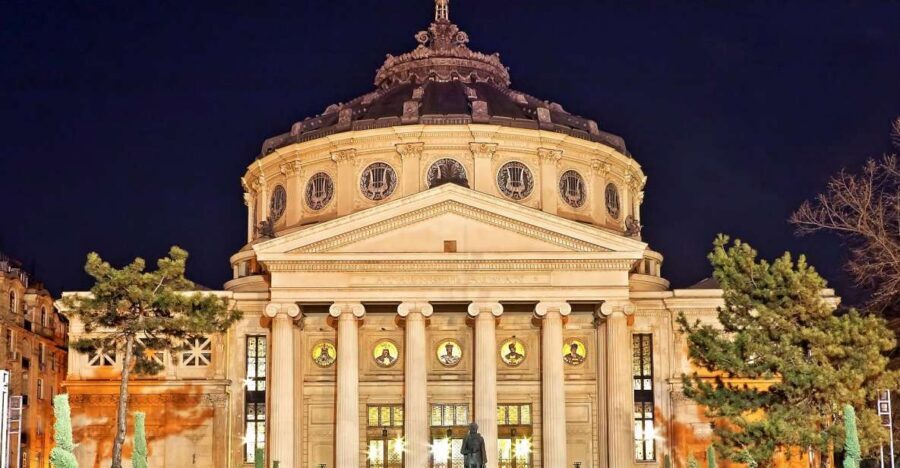
- Palace and music stops—including the Athenaeum music hall and a landmark tied to a major 20th-century composer
- Capsa Restaurant and Lafayette Galleries—social status, artists, and the pull of Paris fashion
- Former cabarets, theaters, dance halls, inns, and beer houses—one theme, many doors into the same era
Starting with Victory Avenue: Bucharest’s grand “main street” mood
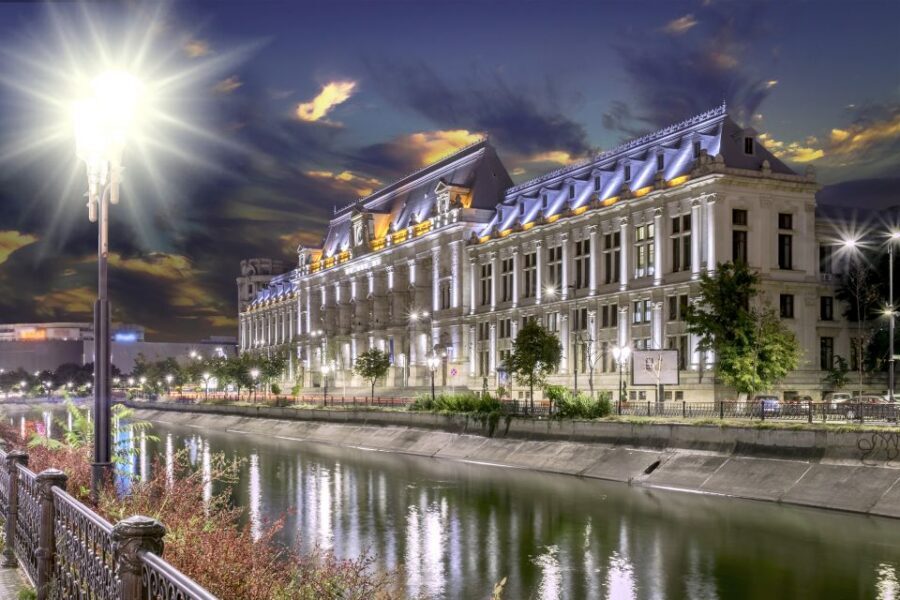
The tour’s story starts with one of Bucharest’s most photogenic stretches: Victory Avenue (also known as Victory Boulevard). It’s often compared to the Champs-Élysées feel because it has that boulevard rhythm—wide views, long sightlines, and buildings that look like they were built to be admired.
But the best part is how the guide uses that street to set the era’s social tempo. In the late 1800s and early 1900s, Bucharest’s growth was tied to royal ambition and European connections. The tour leans into the idea of a city where the West met the East, and you can feel that in the mix of styles and in the confidence of the architecture along the boulevard.
If you love “readable” cities—places where you can connect streets to power, culture, and everyday life—this opening makes sense fast. You’re not waiting for the tour to become interesting; it starts with a strong sense of place and direction.
You can also read our reviews of more private tours in Bucharest



The architecture lesson you’ll actually remember
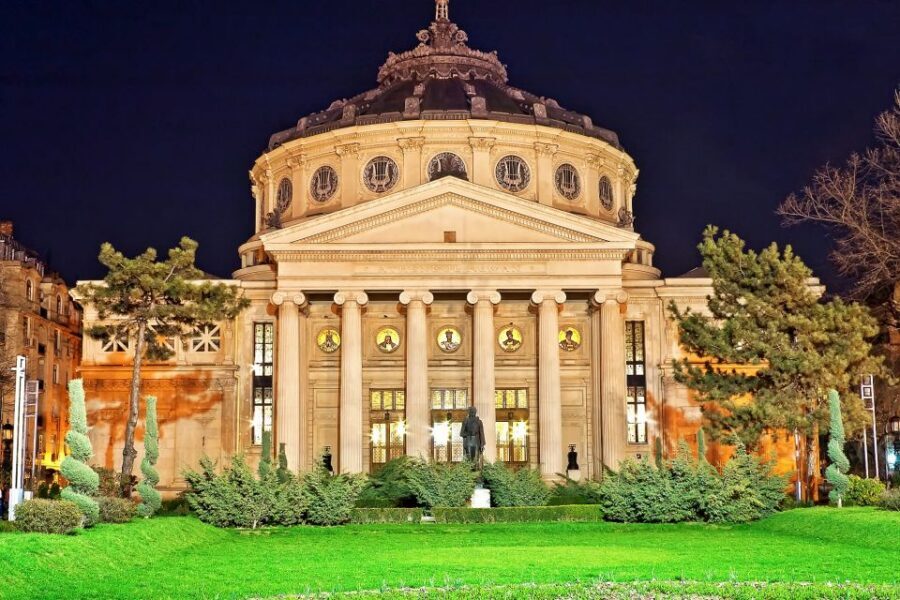
This isn’t a cold list of buildings. It’s a guided story about why Bucharest looks the way it does during the Belle Époque era. You’ll see a blend of styles: Neoclassical, Art Nouveau, Baroque, and Byzantine, all blended with Brancovenesc influences that are tied closely to Romanian architectural identity.
Here’s what I like about this approach: once you know the tour’s “style lens,” you start noticing details you would otherwise miss—shape of windows, ornamental flourishes, the feel of symmetry versus flourish, and the way certain façades aim for grandeur. It’s the difference between snapping photos and actually learning what you’re looking at.
The guide’s job is to connect those styles to a bigger picture: Bucharest’s cultural boom. You get a sense of how King Carol the 1st helped drive the city’s rise, and how family ties and European connections fed the momentum. That context matters because it explains why the city adopted design languages with such ambition.
Old City on foot: cobblestones, vintage cafés, and Belle Époque nightlife
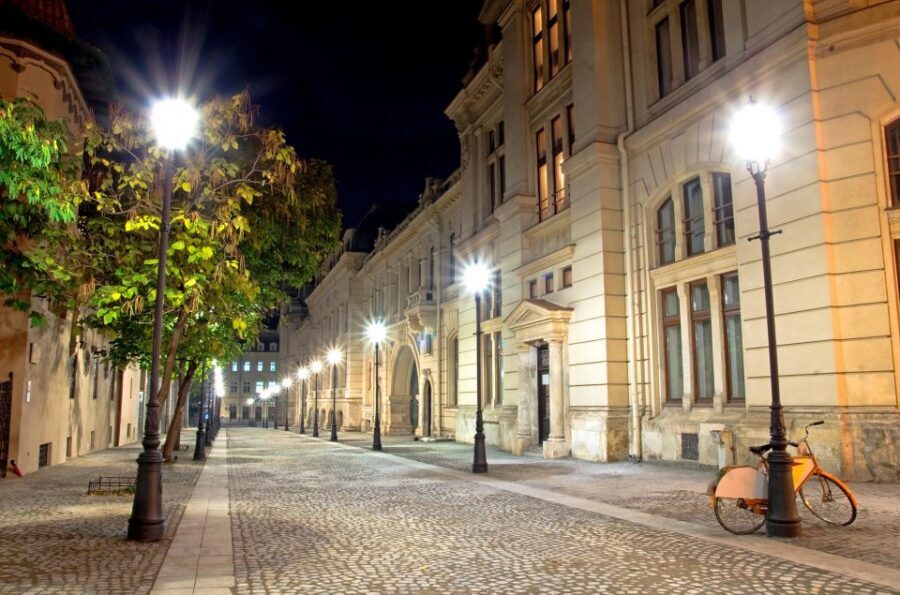
After the boulevard energy, you’ll move into Bucharest’s Old City pedestrian area. This is where the tour’s theme shifts from royal and public grandeur to the social life of the era.
Expect cobblestone streets, classic street lamps, and café scenes that feel vintage even today—more intimate than the boulevard, and easier to imagine as a place where people actually lingered. The tour highlights the look and mood: 18th-century house settings, baroque elegance nearby, and the sense that the city’s past hasn’t been erased. In some places you’ll find buildings that housed cabarets, theaters, dance halls, or inns and beer houses that kept a century-old tradition going.
You don’t need to be a nightlife historian to enjoy this part. The guide frames it like culture in motion. You’ll hear how balls, fashion, letters, and dance trends fit into the same scene as architecture and street life—tango and Charleston dances, for example, and the kind of glamour that produced late-night gossip and love notes.
Practical note: cobblestones are charming but slow you down. Wear shoes you can walk in comfortably for several hours, because this tour is built for strolling.
Palaces, music, and power: the big landmark cluster
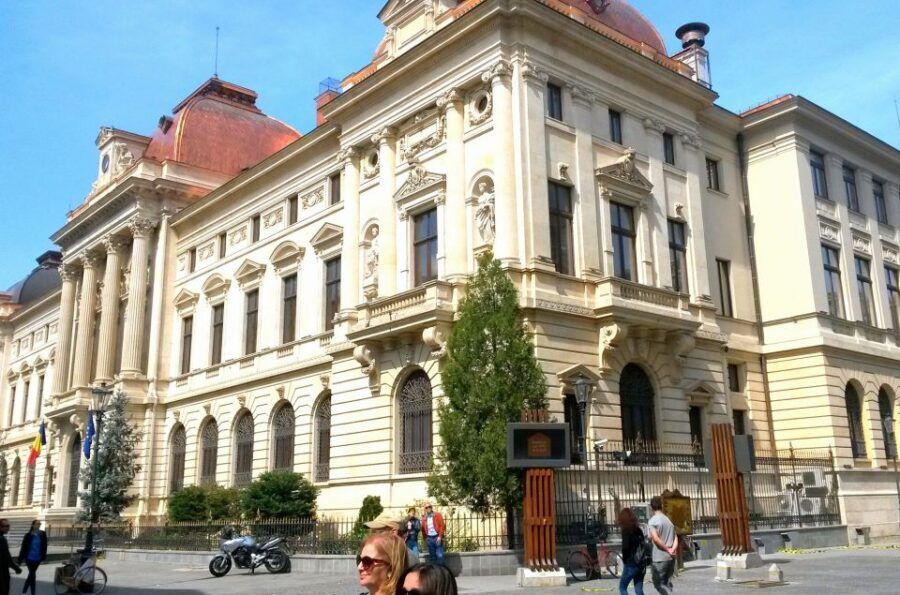
Along the way, the tour focuses on high-profile buildings tied to the city’s elite culture. Some stops are famous for their architecture, but the guide pushes you to see them as power centers and cultural meeting points.
You’ll get a highlight set that includes:
- The Athenaeum music hall, a key venue for Bucharest’s musical identity
- The former Royal Palace, which gives you a direct feel for how the monarchy shaped the city
- A palace connected to one of the most famous 20th-century composers, which helps you connect the Belle Époque era with the cultural output that came after
- Capsa Restaurant, known as a classic meeting spot for noblemen and artists
- The former Lafayette Galleries, associated with the latest Paris fashion
What makes these stops click is the way they overlap. Music, royalty, restaurants, and shopping don’t feel separate—you start seeing them as one system. People went from performance spaces to conversation hubs to the latest trends. That’s why these buildings matter: they were stages for culture.
Capsa Restaurant and Lafayette Galleries: status you can walk through
Capsa Restaurant is one of those places that instantly tells you something about a city’s social structure. The tour presents it as a meeting place for noblemen and artists, so you understand it as more than a meal stop. It’s a symbol of patronage, conversation, and creative energy—where culture wasn’t just performed, it was discussed and funded.
Then there are the Lafayette Galleries, tied to Paris fashion updates. This is the Belle Époque habit in motion: importing style and turning it into local identity. If you care about how cities consume and transform trends, this stop will feel especially satisfying.
Even though you’re walking past these places rather than spending hours inside, the guide makes them legible. You’ll be able to point out what kind of building it is and why it mattered.






Former cabarets and theaters: how nightlife shaped the city’s image
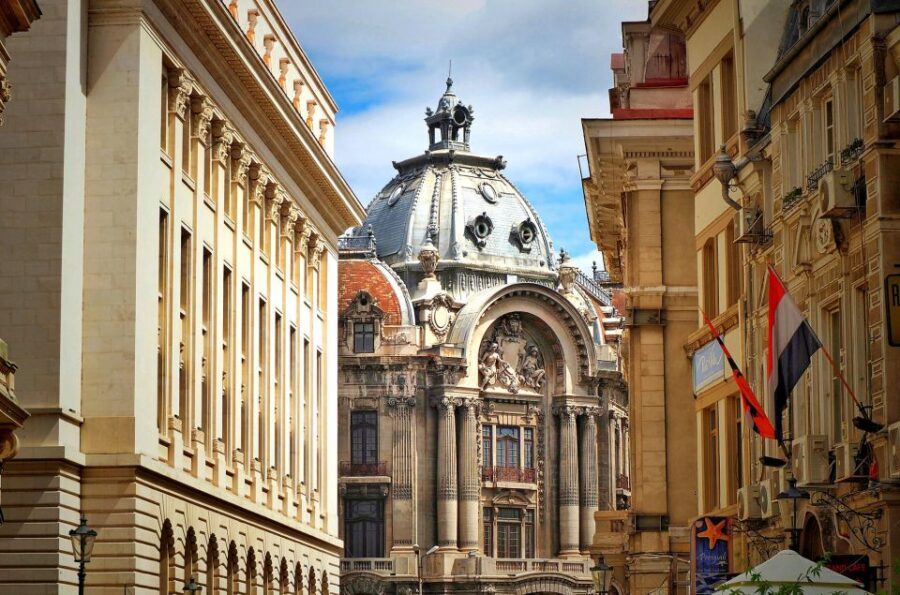
One of the most fun parts of the tour is how it treats entertainment buildings as part of the city’s cultural backbone. You’ll pass former cabarets, theaters, dance halls, and also older inn/beer-house types of venues where traditions lasted.
This matters because Bucharest’s Belle Époque wasn’t only about official ceremonies or grand performances. It was also about after-hours life—where fashion, flirtation, and letters could circulate as quickly as ideas.
The guide’s “story” structure helps you connect these entertainment spaces to the palaces and public buildings you saw earlier. So instead of thinking: boulevard culture over here, nightlife over there—you get a single timeline of how people actually lived.
Pace, group size, and what to do before you go
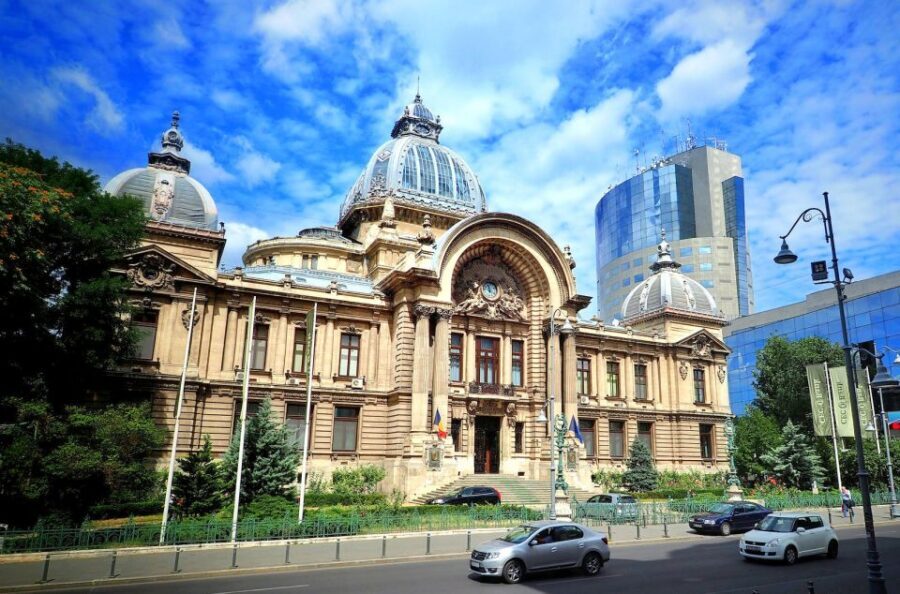
This is a private group tour, and it runs 4 hours. That combination usually means you get a calmer pace than large-group walking tours and more room for the guide to answer questions mid-route.
Hotel pickup and drop-off are included by car. That matters in a city like Bucharest where getting from one area to another can eat time—here, you keep more of your energy for walking and listening.
Here’s my best advice to get the most out of it:
- Bring comfortable walking shoes for cobblestones
- Have a small plan for food after the tour, since no meals or snacks are included
- If you like photos, keep your phone ready early. The Victory Avenue section tends to produce the easiest “wow” shots, and the guide’s explanations make those shots more meaningful later
What you’re paying for: $104 for a story-driven private walk
At $104 per person for a 4-hour private tour, this isn’t a “cheap and cheerful” option. But it’s also not priced like a luxury limousine experience. The value comes from the structure and the guide-led storytelling, not from adding bells and whistles.
You’re getting:
- Hotel pickup/drop-off by car
- A professional English-speaking guide
- A route designed as a timeline, not random stops
If you enjoy walking tours that explain how cities work—politics, culture, architecture, and everyday life—this price starts to feel fair. If you only want a short highlight loop with minimal speaking, you might find it more than you need. But for architecture lovers and culture geeks, the guided context is exactly the product you’re paying for.
Who this tour suits best (and who might want something else)
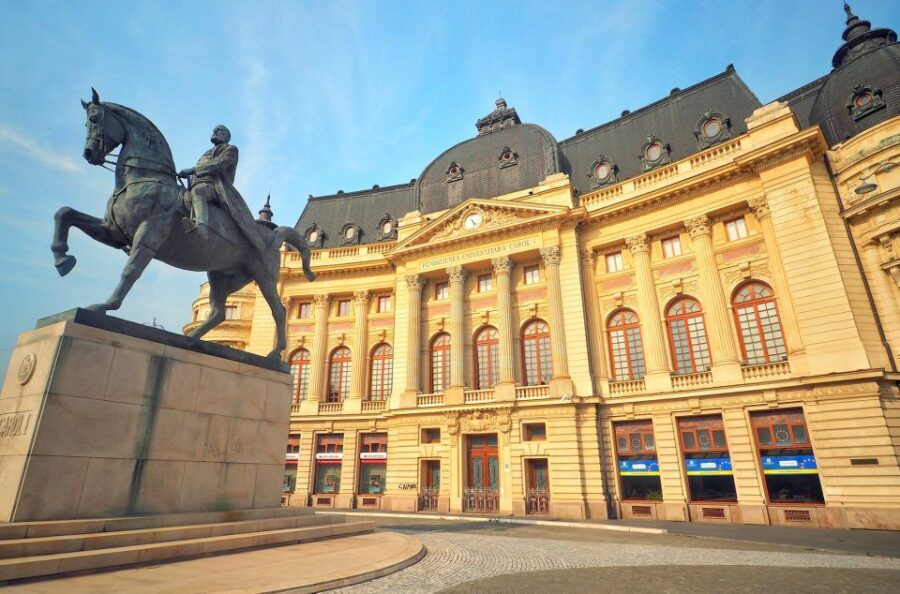
This Belle Époque private tour is a strong match for you if:
- You love European-style architecture and want help seeing the differences between design eras
- You like tours that treat buildings as evidence of social life
- You want an English-speaking guide who can connect Romanian context to what you see outside
It may feel like more than you need if:
- You’re not interested in architecture details or cultural context and only want quick views
- You need the tour to include food or want long breaks built in
Book it or pass: my straight recommendation
I’d book this tour if you want Bucharest to make sense fast—especially the Belle Époque phase where architecture and social culture were tightly linked. The story approach, the focus on major landmarks like the Athenaeum and the former Royal Palace, and the Old City scenes with cafés and historic entertainment venues make it feel like a coherent experience rather than a grab bag.
If you’re the type who enjoys walking tours with a strong narrative thread, this one fits nicely. Just plan your snacks in advance because the tour doesn’t include meals.
FAQ
How long is the Bucharest Belle Époque private tour?
It lasts 4 hours.
What does the tour cost?
The price is $104 per person.
Is this tour private?
Yes. It is a private group.
What languages is the guide available in?
The tour is available in English and Romanian, and the guide provides professional English-speaking guidance.
Is hotel pickup and drop-off included?
Yes. Pickup and drop-off by car are included. You wait in your hotel lobby near reception, or downstairs in front of your accommodation for apartments.
Are meals or snacks included?
No. Meals and snacks are not included.
Is it wheelchair accessible, and can I cancel for free?
Yes, it is wheelchair accessible. You can cancel up to 24 hours in advance for a full refund, and you can reserve now and pay later.