REVIEW · BUCHAREST
Private 8 Day Romania UNESCO Tour
Book on Viator →Operated by Visit Transilvania Travel · Bookable on Viator
UNESCO Romania in eight days can feel like speed. Still, a private guide and a tight route make it one of the easiest ways to see the key sites without getting lost in the details. I especially like the breadth of UNESCO stops across very different regions, and I like how much of the trip is built around local food and craft experiences, not just big-name sights.
The main thing to consider is that this is a very full schedule with long drives between regions. You’ll see a lot of churches, fortresses, towns, and museums, so if you want slow travel and lots of free time, this route may feel intense.
In This Review
- Key highlights worth your attention
- Day 1 in Bucharest: Palaces, Revolution Square, and Cozia Monastery
- Sibiu to Sibiel: Old-town walking plus a wagon-and-home-cooked dinner evening
- Day 2 to Hunedoara and Alba Iulia: Corvin Castle and the Union city
- Day 3: Cluj-Napoca to Maramures wooden churches and village workshops
- Day 4 in Maramures: Merry Cemetery, Sapanta-Peri, Sighet options, and Botiza time
- Day 5: Carpathian road to Bucovina painted monasteries and black pottery
- Day 6: Voronet and the “blue” Last Judgment plus Red Lake and Bicaz Gorges
- Day 7: Sighisoara old town and the fortified church stop near Prejmer
- Day 8: Bran Castle, Peles Castle, and the return to Bucharest
- Price and logistics: is $2,315.49 per person good value?
- Who this UNESCO Romania tour is best for
- Should you book this tour?
- FAQ
- FAQ
- Is this a private tour or a group tour?
- Where does the tour start and when?
- Which parts of the trip are UNESCO-focused?
- Are entrance tickets included in the tour price?
- What meals are included?
- What kind of accommodation will you have?
- What happens on the last day?
Key highlights worth your attention
- Private guide for the whole trip, with a “ask anything” style of pacing
- UNESCO clusters across Transylvania, Maramures, and Bucovina (wooden churches and painted monasteries)
- Countryside nights in local guest houses/pensions, with dinner included on several days
- Hands-on culture touches, like craft visits and a Sibiu-area horse-drawn wagon tour
- Medieval towns you can walk, including Sibiu and Sighisoara
- Big scenery moments on the Carpathian road, including Bicaz Gorges and Red Lake
Day 1 in Bucharest: Palaces, Revolution Square, and Cozia Monastery
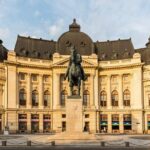
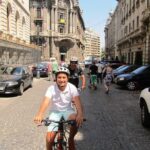
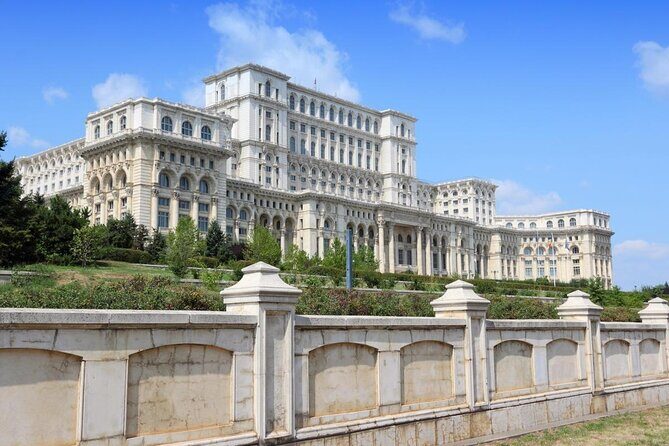
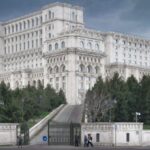
Bucharest is the kind of city where you can feel the push-pull of old and new fast. You start in the morning at your hotel with a 9:00 AM meet-up, then roll into a panoramic drive that includes landmarks such as Parliament Palace, Revolution Square, the Athenaeum, the Royal Palace, and Triumph Arch.
The Revolution Square stop matters because 1989 isn’t just a museum fact. Seeing where the anti-communist revolution began gives context for how modern Romania formed, and your guide can connect the dots as you move through the city.
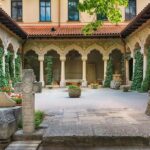
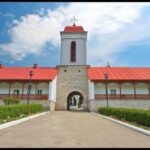
After the city orientation, the day pushes out toward the UNESCO-listed Cozia Monastery, built at the end of the 14th century. It’s a strong example of Romanian church architecture, and it’s also tied to Wallachian ruler Mircea the Old. One practical bonus: the admission is listed as free, so you spend money where it counts elsewhere.
The rest of the day shifts into Transylvania at a good pace, and you end with time in the Sibiu Old District, where you get a walking tour through medieval squares, bridges, and the web of churches that define the town’s multi-faith character. You’re not just looking at buildings here; you’re learning why the city grew and how its defensive structures shaped daily life.
You can also read our reviews of more private tours in Bucharest

Sibiu to Sibiel: Old-town walking plus a wagon-and-home-cooked dinner evening
Sibiu is a treat because it’s walkable and photogenic, but it’s also layered. You’ll cover highlights like the Big Square and Small Square, the Staircase Tower, Lier’s Bridge, and the area around the main Catholic and Orthodox churches.
A big reason I like this stop is that it blends “pretty town” with real structure: fortifications, medieval walls, and the way the streets curve around the old city core. If you’re the type who enjoys seeing how towns work, not just how they look, Sibiu fits.
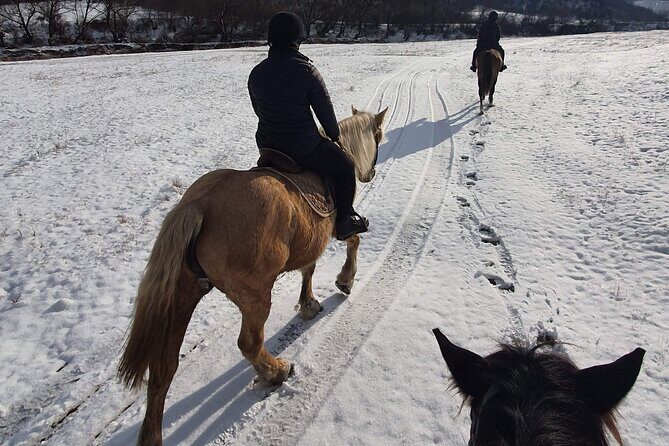
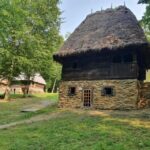
Then you drive into the countryside near Sibiu for the Sibiel village experience, where old architecture and traditions are presented in a hands-on way. There’s a horse-driven wagon tour of the village, and you’ll sit down for a home-made dinner using traditional products. That wagon portion is more than a novelty. It’s a gentle way to slow down after city time and understand how rural life sits next to tourism in this part of Romania.
Day 2 to Hunedoara and Alba Iulia: Corvin Castle and the Union city
The second day turns into castle country. First up is Castelul Corvinilor (Hunyad Castle) near Hunedoara, described as the biggest medieval castle in Romania and dated to the 15th century. It was once a residence of the Transylvanian governors. Even if you’re not a castle fanatic, it’s hard not to appreciate the scale and the gothic medieval feel.
This stop also comes with a practical note: the admission is listed as not included. So budget for it as part of your overall entrance fees.
From there you head to Alba Iulia, a city with long roots and major historical weight. You’ll see Roman ruins tied to one of the larger Roman cities in the area, plus the role Alba Iulia played as the city of the Union. The visit includes both Orthodox and Catholic cathedrals, and a fortification system built in a Vauban style. If your Romania interest runs deeper than Dracula vibes, this is a great day for understanding how different peoples and eras stacked up here.
You finish in Cluj-Napoca, staying at a 4-star hotel or similar (as listed). That kind of city night is a helpful contrast to the countryside days ahead.
Day 3: Cluj-Napoca to Maramures wooden churches and village workshops
On Day 3 you start in Cluj-Napoca with a walking tour of the biggest city in Transylvania. Expect a focused route through major landmarks like St Michael’s Cathedral and Union Square, plus Museum Square, the Orthodox Cathedral, and the National Theatre area. You’ll also pass the Matei Corvin’s statue, which is a quick reminder of the region’s medieval power.
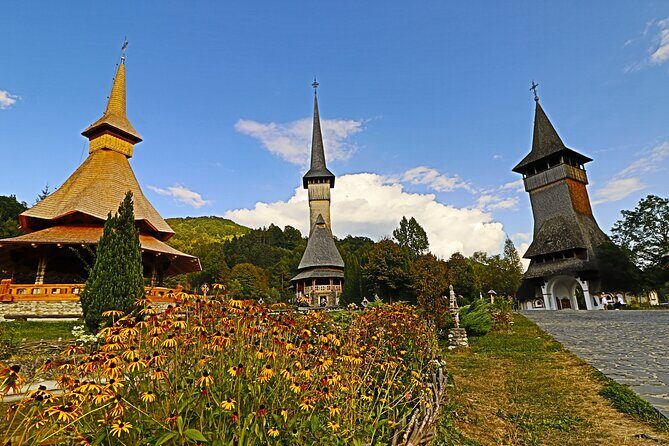
Then the trip pivots north toward Maramures, the wooden church region of Romania. This is one of those UNESCO zones where the architecture feels like a living craft tradition rather than a frozen monument.
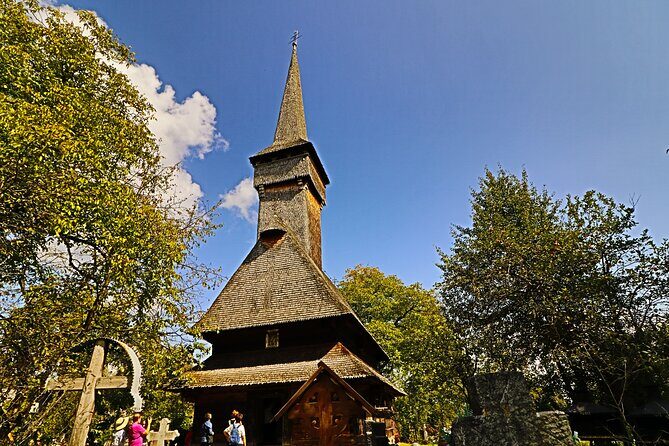
You’ll visit Surdesti Wooden Church (UNESCO), built in wood structure (listed as 1766), and noted for a very tall tower. Admission is not included, so treat it as one more paid entry in your budgeting.
Next comes Desesti with the Church of the Holy Paraskeva (UNESCO). Again, admission is not included. These sites give you a chance to compare how different wooden churches interpret the same religious and community goals. Watch the proportions, the tower height choices, and the sense of how these churches served as landmarks.
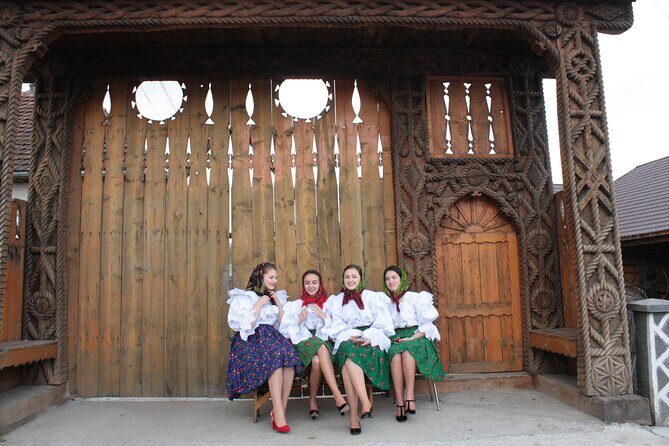
The day also builds in local life beyond churches. You’ll spend time with craftsmen and traditional settings—like a weaver or wood carver, plus traditional household scenes. The idea is simple: don’t just see wooden buildings; see the skills and daily work that made them possible.
You end the day in Botiza village, with dinner and an overnight in a local pension. If you like travel that feels human-scale, this is a key reason the trip gets strong satisfaction scores: you’re not only “touring,” you’re also living inside the rhythm of the region for at least a couple nights.
Day 4 in Maramures: Merry Cemetery, Sapanta-Peri, Sighet options, and Botiza time
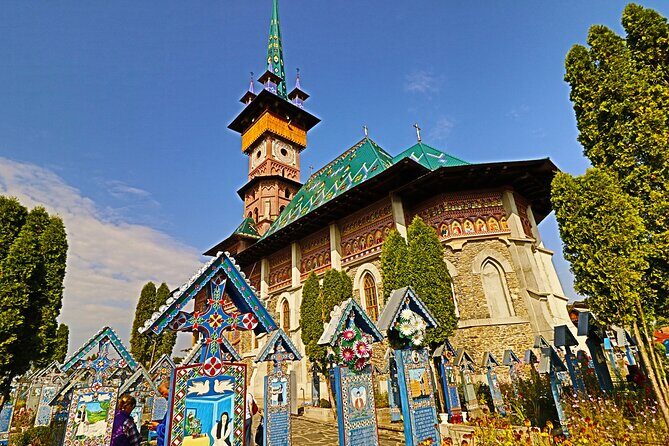
Day 4 continues Maramures with a distinct emotional tone. First you visit Sapanta Merry Cemetery (UNESCO), famous for brightly colored tombstones with funny poems. It’s a rare cemetery experience: instead of only grief, you see personality and community memory in a very direct way.
Right there in the same broader area, you also see Sapanta-Peri, described as the highest wooden church in the world and listed in the Guinness Book. Admission is included here. Whether you’re wowed by heights or not, it’s still an impressive way to understand why wooden architecture was such a big deal in this region.
If you pass through Sighet, there’s an optional stop to visit the Communist Prison Museum. This is the kind of choice that matters if you want to tune the trip toward history or keep it lighter.
In the afternoon, the Maramures Woman Museum in Dragomiresti adds a different angle: how people lived, what traditions mattered, and how symbols are carved into the wooden gates. The museum admission is listed as not included. It’s also a good pace-break between outdoor church visits.
Later, you visit Bogdan Voda Wooden Church (UNESCO) with its painted frescoes on wood. The admission is listed as free. This is one of those places where you’ll want time to look carefully, because the fresco effect in wood feels different than what you’d see in stone churches.
You return to Botiza for leisure time. Since free time isn’t the star of this tour overall, that little buffer in the village is worth using for a walk or just resting your feet.

Day 5: Carpathian road to Bucovina painted monasteries and black pottery
Day 5 is a major scenery shift. You cross the Carpathians heading northeast to Bucovina, known for the painted monasteries. The drive includes a stop in Ciocanesti, described as a scenic village with decorated houses and a tradition of painted eggs. There’s an optional local museum visit with listed free admission for the stop itself.
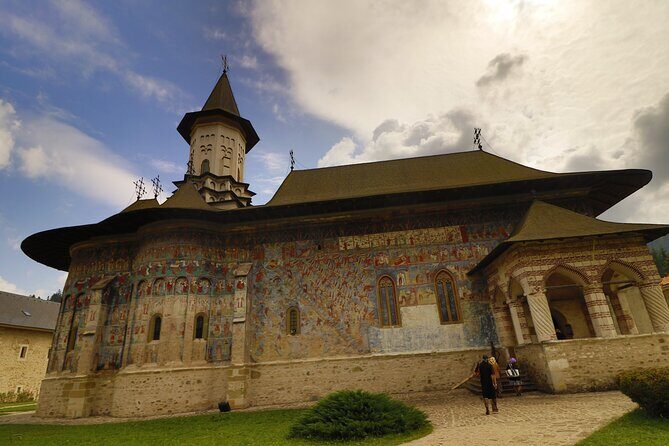
Then you start the UNESCO-painted monastery run with Moldovita Monastery (UNESCO). The tour notes that the original interior and exterior frescoes are preserved, and that it’s dated to the 1530s under Prince Petru Rares. Admission is not included for this stop.
You also add a cultural craft stop with the Museum of painted eggs (via Lucia Condrea), listed as not included. Even if you’re not into museums, this one helps connect the style of painted religious art with folk tradition. The point isn’t just to see art; it’s to see how the same instincts show up in multiple forms.
Next is Sucevita Monastery, described as fortress-like with towers and watch roads. The stop has admission not included. This is where the painted monastery idea feels almost military: thick walls, defensive shape, and then the fresco drama.
To round the day, you visit Ceramica neagra Marginea, a black pottery family workshop using old technology. That’s listed as free for admission. This is one of the most “feel it in your hands” moments on the trip because you’re looking at a living craft process rather than only a building.
Day 6: Voronet and the “blue” Last Judgment plus Red Lake and Bicaz Gorges
Day 6 starts with one of the most famous names in Bucovina: Voronet Monastery, founded in 1488 by Stephen the Great. The tour describes its frescoes as famous for a blue background color and a well-preserved presentation of the Last Judgment. The stop is listed as not included for admission, so factor that into your extra costs.
After the monastery time, you cross back toward Transylvania with a scenic route through the Carpathians. The day includes Bicaz Gorges and Red Lake. These are listed as free admissions, and the key value here is contrast: after wood and fresco detail, you get big-scale geography breaks.
If you tend to get “churched out” after a few days, this natural day-reset can be a relief. It also makes the rest of the medieval-town segments more enjoyable, because you’re not staring at architecture back-to-back nonstop.
You finish in Sighisoara. That’s a smart end to the day because the old-town medieval vibe is easier to take in after a dramatic travel day.
Day 7: Sighisoara old town and the fortified church stop near Prejmer
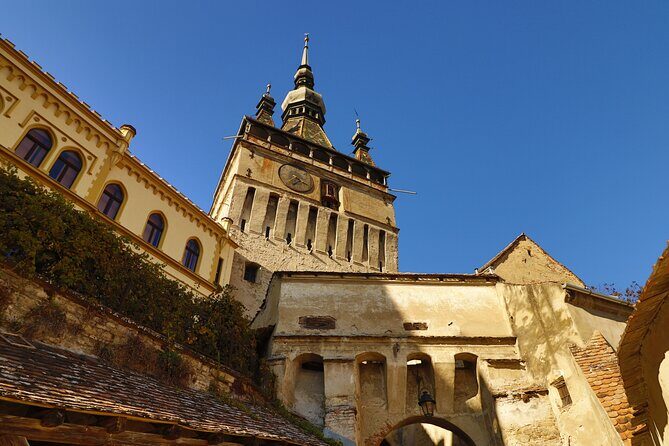
Sighisoara is the kind of place where you can feel medieval life without trying too hard. You start with a walking tour of the UNESCO old town, sometimes called the Pearl of Transylvania. The tour notes that the citadel was built in the 13th century by German (Saxon) settlers and that the old town is one of Europe’s best preserved medieval towns.
This part is where the walking becomes genuinely rewarding. You’re not only passing sights; you’re moving through the logic of a walled, defended town.
After that, you drive through charming Transylvanian villages and make a stop in Saschiz for natural home-made jams, chutneys, and syrup tasting. The tasting portion is listed as included for admission. It’s a simple food moment, but it’s also a chance to bring home something that feels like it belongs to the region.
Next is the Peasant Fortified Church at Prejmer (UNESCO). The tour calls it a unique defensive and religious structure dating to the 13th century. Admission is not included for this stop. This is a strong “why the buildings looked this way” moment: the fortification shape makes more sense once you’ve seen it in context.
In the afternoon you reach Brasov for a walking tour of the medieval center. You’ll cover Concil Square, the Black Church area, White and Black Towers, Weaver’s Bastion, and Ecaterina’s Gate. Black Church is listed as not included admission, while the general walking tour is free for admission.
You also visit the Black Church (Biserica Neagra) and then the Weavers Bastion (Bastionul Tesatorilor) portion of the defensive system. This day is a very “medieval defense” theme, which pairs nicely with the Prejmer fortified church.
Day 8: Bran Castle, Peles Castle, and the return to Bucharest
On the final day you get two big-name castle experiences—plus the practical reality of fitting them into a single day without rushing too hard.
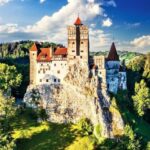
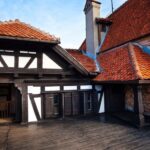
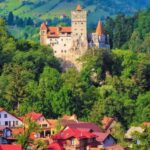
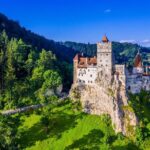
First is Bran Castle, built in the 14th century with a role controlling access in Transylvania. It’s famous today because of the Dracula legend. Admission is not included, so budget for it. Even if you don’t care about the legend, the castle still delivers a classic medieval fortress feeling.
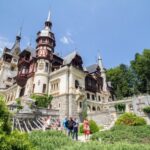
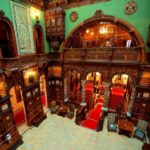
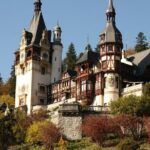
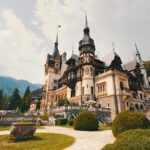
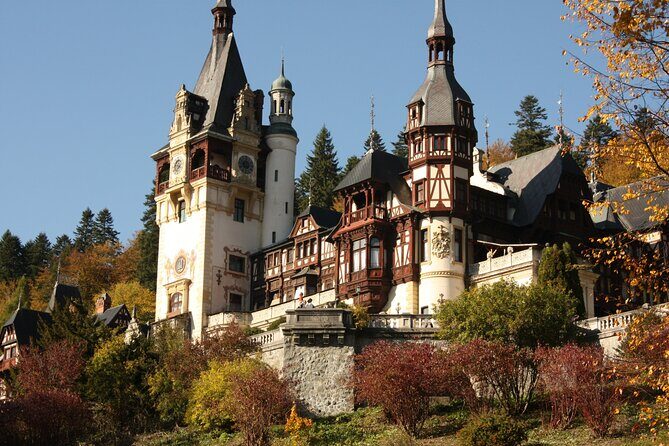
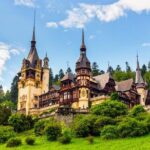
Then you head to Sinaia for Peles Castle, described as the former summer residence of the Romanian kings. The tour also calls it one of the nicest royal residences in Europe. Admission is not included here as well. Peles tends to be a satisfying finale because it’s less fortress and more royal residence, a different mood from the fortified churches.
Finally, you return to Bucharest and drop off around 16:00 at the airport or a hotel. That timing matters because it helps you plan a smooth departure day without guessing whether you’ll make your flight.
Price and logistics: is $2,315.49 per person good value?
At $2,315.49 per person for an 8-day private tour, the value comes from three big buckets:
- You’re paying for a private guide and private transport across multiple regions, not just for a list of attractions.
- You get included meals and lodging for seven nights, including breakfasts (7) and three dinners.
- You’re getting cultural add-ons that are often charged separately on smaller group tours, like the horse wagon tour in the Sibiu area, the visits to local craftsmen, and the jam/chutney/syrup tasting.
Entrance tickets are not fully included. The tour notes about 85 euros for entrances overall, and several stops list admission as not included. So I’d treat that as a realistic extra budget even if you plan to be frugal elsewhere.
The tour also includes transport by car or minibus, and it’s positioned as near public transportation with most travelers able to participate. That last line matters if you want flexibility, but remember this is still an 8-day touring plan, so you’ll want to be comfortable with travel days.
What you might find hard is the rhythm: church stops, fortified towns, castles, then more museums. If you truly love architectural detail and culture, you’ll enjoy the density. If you want long downtime, build in extra time in Bucharest either before or after this trip.
Who this UNESCO Romania tour is best for
This tour is a strong match if you want Romania in a single sweep with a guide who can explain what you’re seeing and answer questions on the spot. It’s also ideal if your main goal is UNESCO sites across wooden churches and painted monasteries, plus the medieval towns of Transylvania.
It’s less ideal if you’re the type who wants a slow, open-ended trip. The schedule is full, and some days are heavier on interior visits and church viewing. You’ll still have a few breaks (like village leisure time in Botiza), but the default pace is brisk.
Should you book this tour?
Yes, if you’re aiming for the highest concentration of UNESCO World Heritage stops across northern and central Romania, and you want a private guide to connect art, architecture, and local tradition. I’d also recommend it if you like a mix of big monuments and smaller human-scale moments, like the craftsmen visits, wagon ride, and regional food tastings.
I’d think twice if you get exhausted by back-to-back sightseeing or if you want lots of free evenings. This trip is built to cover ground and deliver variety, and that’s a feature for many people, but it’s not a relaxed weekend vibe.
FAQ
FAQ
Is this a private tour or a group tour?
It’s a private tour, meaning only your group participates. You travel with a private tour guide and private transportation throughout.
Where does the tour start and when?
The tour starts in Bucharest with a meet-up at your hotel at 9:00 AM.
Which parts of the trip are UNESCO-focused?
UNESCO sites included in the route are Cozia Monastery, Surdesti Wooden Church, the Church of the Holy Paraskeva (Desesti), Sapanta Merry Cemetery, Bogdan Voda Wooden Church, the Bucovina painted monasteries (including Moldovita and others on the painted monasteries theme), Sighisoara, and the Peasant Fortified Church at Prejmer.
Are entrance tickets included in the tour price?
Not fully. The tour lists entrance tickets as not included for many stops, and it estimates about 85 euros for entrances as per the itinerary.
What meals are included?
Breakfast is included for 7 days, and dinner is included for 3 days.
What kind of accommodation will you have?
You get 7 nights in double/twin rooms. The tour specifies a local guest house overnight near Sibiu on Day 1, a 4-star hotel or similar in Cluj-Napoca on Day 2, and local pensions for at least the Maramures nights (including Botiza).
What happens on the last day?
The tour ends in Bucharest at about 16:00, with drop-off to the airport or to a hotel in Bucharest.