REVIEW · BUCHAREST
Bucharest: Communism and History Guided City Walking Tour
Book on GetYourGuide →Operated by I TRAVEL IN ROMANIA · Bookable on GetYourGuide
Bucharest’s communist past is easier on foot. This 3-hour walk turns big landmarks into a clear story of how communism shaped daily life, with the House of the People (Parliament) placed in context and Secret Police influence shown through real street-level sites. One watch-out: you’ll be walking in rain or shine and the meeting point involves a hill climb from Piata Unirii.
If you’re in Bucharest for the first time, this tour is a strong way to get your bearings fast. You cover the timeline in order, from religion and power shifts to 1989, and you end in Revolution Square with the whole story pulled together. It’s not a museum day. It’s a city-walk explanation day.
In This Review
- Key highlights you’ll actually feel on this walk
- Entering Bucharest’s communist story from the Patriarchal Cathedral
- The nationalisation and neighborhood changes you can see with your own eyes
- The House of the People (Parliament): the symbol, explained from outside
- Antim Monastery and the buildings that survived destruction
- A short break with an Alimentara grocery-store moment
- Calea Victoriei: where communist symbols meet the city’s beauty
- Caru cu bere and a few well-placed stories
- The “less famous” stop that links the timeline together
- Ending at Revolution Square: the 1989 turning point
- Price, pace, and practical value for your Bucharest day
- How to choose this tour in your Bucharest itinerary
- Should you book the Bucharest Communism and History guided walking tour?
- FAQ
- Where does the tour start?
- What’s the closest metro station to the meeting point?
- How long is the tour, and how much walking is involved?
- Will you go inside the House of the People (Parliament)?
- Is the tour in English?
- Is the tour weather-dependent?
- What should I bring?
- What’s included in the price?
- Who should avoid this tour?
Key highlights you’ll actually feel on this walk

- Outside looks at the House of the People with Ceaușescu-era construction context
- Street-level “nationalisation” changes tied to real neighborhood clues
- Marks of Secret Police power shown at a specific communist-era site
- Buildings that were moved to survive including Antim Monastery
- Daily-life moments like an old Alimentara grocery-store stop
- A full 1989 Revolution storyline ending at Revolution Square
Entering Bucharest’s communist story from the Patriarchal Cathedral
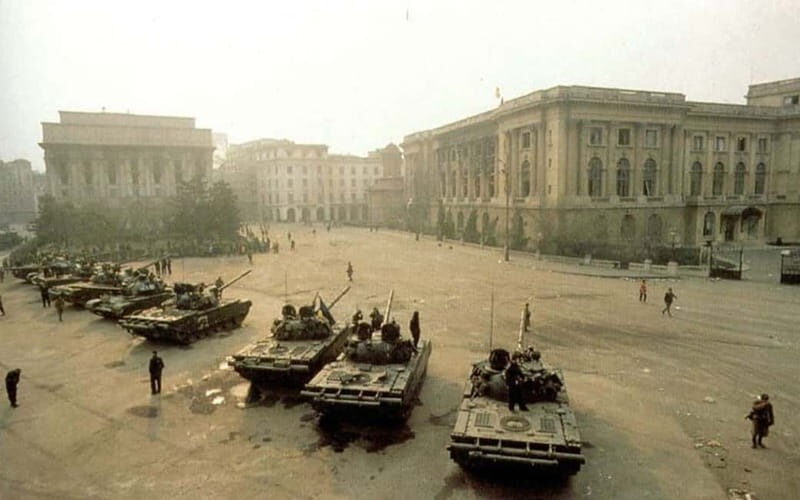
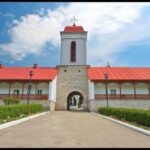
You start at the Patriarchal Cathedral, a fitting first stop because the tour uses religion as an entry point into the regime’s mindset. The guide explains how faith, state control, and political power rubbed against each other as communism tightened its grip.
Then you’re not just learning dates. You’re learning cause and effect. From there, the route shifts into nearby streets where you can spot the effects of nationalisation—the kind of change that doesn’t stay on paper. It changes who owns what, how daily life works, and what people are allowed to do.
This is a good start point for two reasons: it puts you on the hill early (so you’re warmed up), and it makes the rest of the walk make more sense. When the tour later connects communist symbols to fear and control, you’ll already understand why power needed both buildings and people.
You can also read our reviews of more walking tours in Bucharest

The nationalisation and neighborhood changes you can see with your own eyes
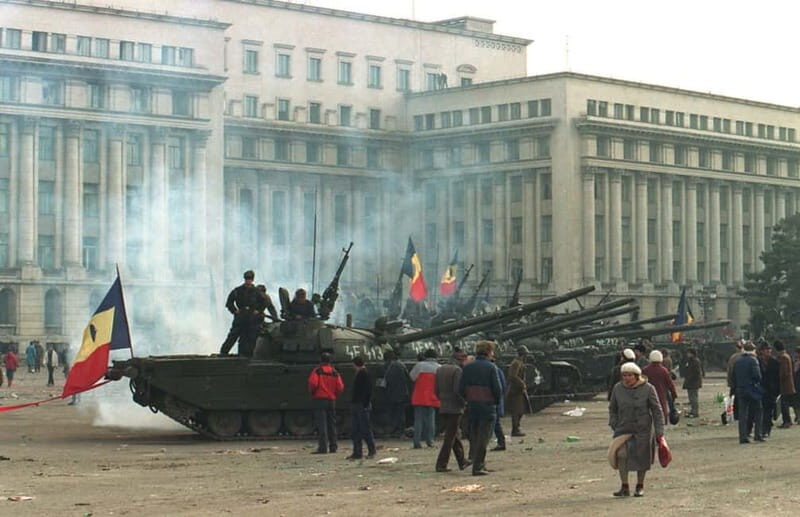
After the cathedral, the route continues through a nearby neighborhood where you’ll see the results of nationalisation. This part matters because it moves the story away from slogans and toward the lived reality of how systems reshape a city.
You’ll also learn the “why” behind the changes. How regimes reorganize property often comes with a bigger goal: controlling economic life, limiting independence, and making it harder for communities to resist.
I like this approach because it gives you a city-reading skill you can keep using. Even after the tour ends, you’ll look at Bucharest differently—not as a collection of sights, but as a place shaped by policy decisions.
The House of the People (Parliament): the symbol, explained from outside
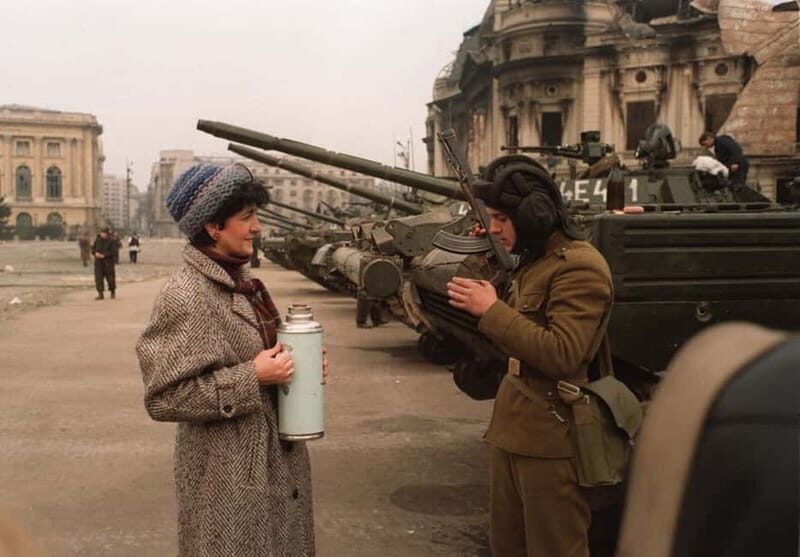
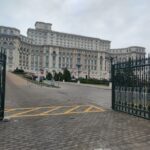
Next comes one of Bucharest’s most famous photo targets: the House of the People, now the Parliament building. You won’t go inside here—you’ll view it from the street—but that’s actually the point. The guide uses the outside view to talk about what the building meant, and why it was built at such scale.
This is where the tour connects the megaproject to the dictator behind it: Nicolae Ceaușescu. You’ll get insight into the construction and the ambition (and propaganda) behind that symbol of communism.
A outside-only stop sounds limiting until you realize what a guide can do with context. Seeing the building at street level, with the surrounding city framing it, helps you understand how “power” was meant to feel physical and permanent.
Tip: bring your camera, but also take a few slow minutes just to look. The tour’s explanation turns the building from an image into a message.
Antim Monastery and the buildings that survived destruction
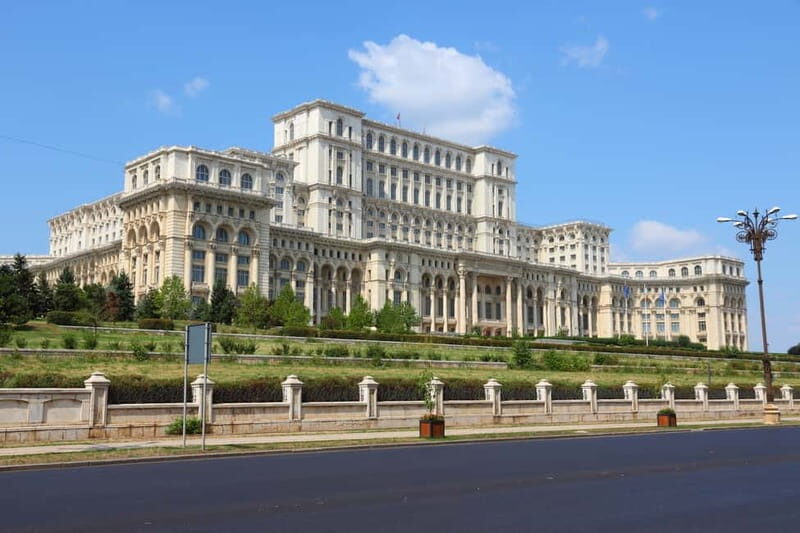
As you keep walking, you’ll reach places tied to the city’s worst damage during the communist years. The guide explains the idea of buildings being moved to avoid destruction, and one of the named examples is Antim Monastery.
This stop adds balance to the story. When you only hear about demolitions and control, it can feel like a one-way tragedy. The monastery angle shows another truth: people found ways to protect what they could, even under heavy pressure.
Even without going deep into architectural details, this part gives you a strong visual takeaway. Bucharest is full of “how did this survive?” moments. This tour helps you connect that survival to the larger political timeline.
A short break with an Alimentara grocery-store moment
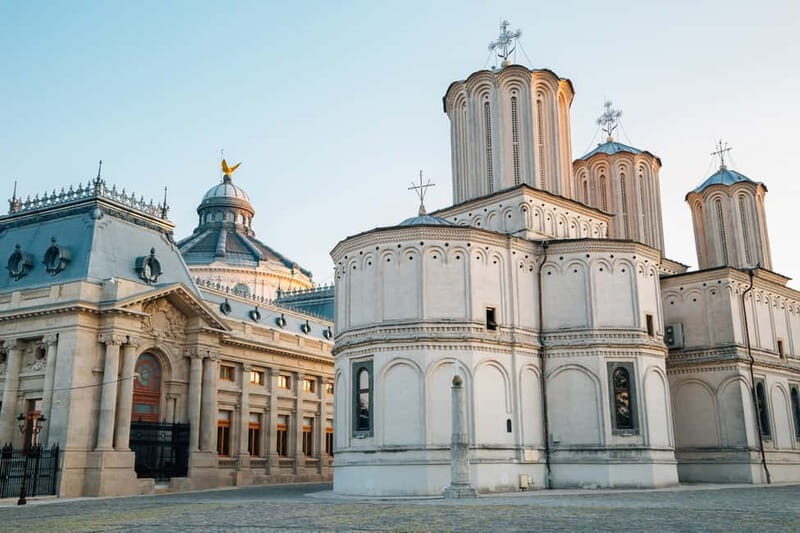
Halfway through, you get a break time around a local café. It’s practical—everyone needs a reset—but it also makes the story land. You’ll go from heavy political themes to something more human, like the next stop’s look at everyday routines.
Then comes a clever, very grounded moment: the tour points out an old Alimentara (a grocery store). The guide uses it to talk about everyday challenges and the limits people faced. You don’t just hear about rationing or shortages in theory. You get the feeling of what daily errands turned into under the system.
And you get a communist-type snack during the tour. It’s a small thing, but food works well for this kind of history. It gives the guide an easy path to explain daily life without turning the whole walk into a lecture.
You can also read our reviews of more guided tours in Bucharest
Calea Victoriei: where communist symbols meet the city’s beauty
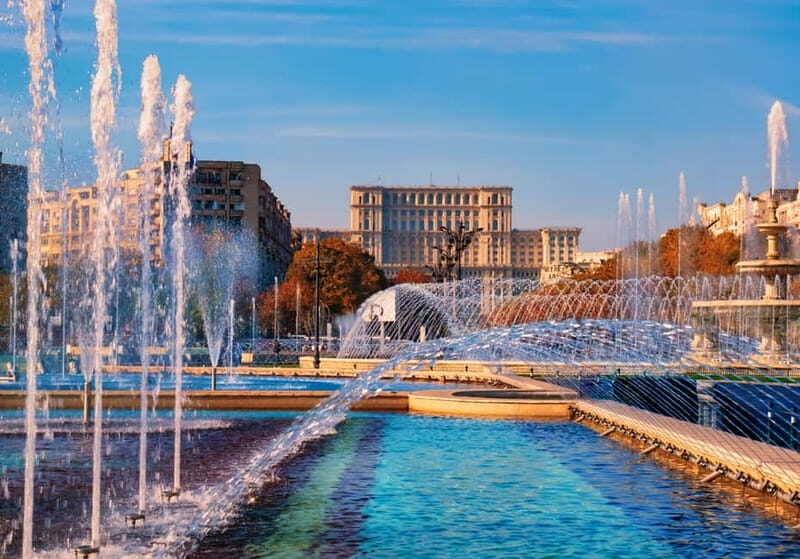
The tour then moves along Calea Victoriei, one of Bucharest’s most beautiful streets. This contrast is useful. You see a grand boulevard, but the guide keeps tying what you’re seeing to what the regime left behind.
You’ll also see communist symbols along the way, including a reference to a center used by the Secret Police for torture. Hearing that history while standing in a real city street changes the tone fast. The building doesn’t look different, but the meaning does.
This is one of the tour’s most intense segments, so pace yourself. Take your time with the explanations, and don’t feel rushed to keep walking fast just to “get to the next photo.” The point here is understanding.
Caru cu bere and a few well-placed stories
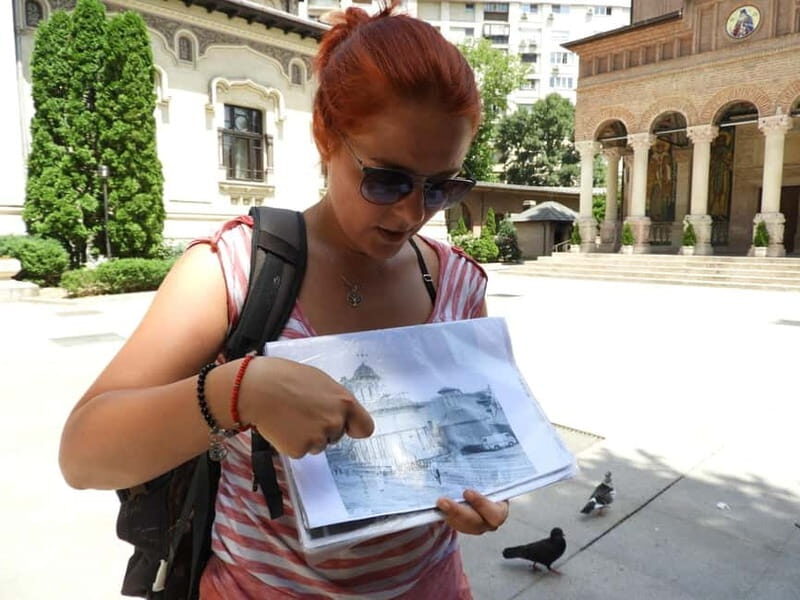
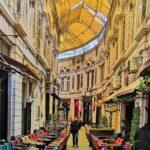
At Caru’ cu bere, you’ll have a guided sightseeing stop. It’s a chance to connect the official side of history with the social side of Bucharest—the kind of place where people gather, talk, and eat.
I like that the tour doesn’t freeze everything in the communist years only. It helps you see how Bucharest carried the past forward into ordinary public life. Even when the guide stays focused on the communist timeline, you still get breaks in tone that make the full walk easier to digest.
The “less famous” stop that links the timeline together
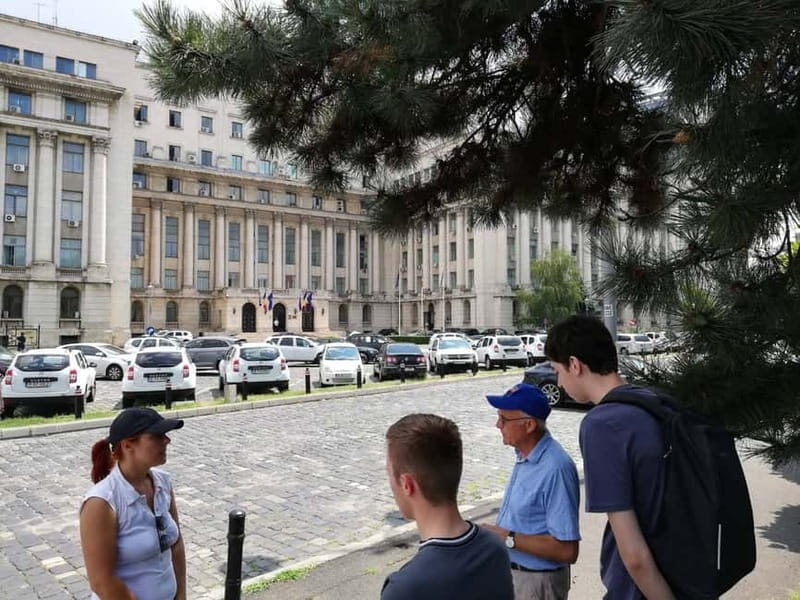
You’ll also make a shorter stop at a lesser-known location described as a hidden surprise in the route. The goal isn’t the spotlight. The goal is function: it marks a specific moment in the timeline and helps the story flow cleanly from one major era to the next.
This kind of stop is underrated on city walks. When everything is a big landmark, the timeline can feel jumpy. A quieter stop gives the guide room to connect the dots between politics, control, and changes you can still notice today.
If you like history that shows up in everyday corners, you’ll probably enjoy this part.
Ending at Revolution Square: the 1989 turning point
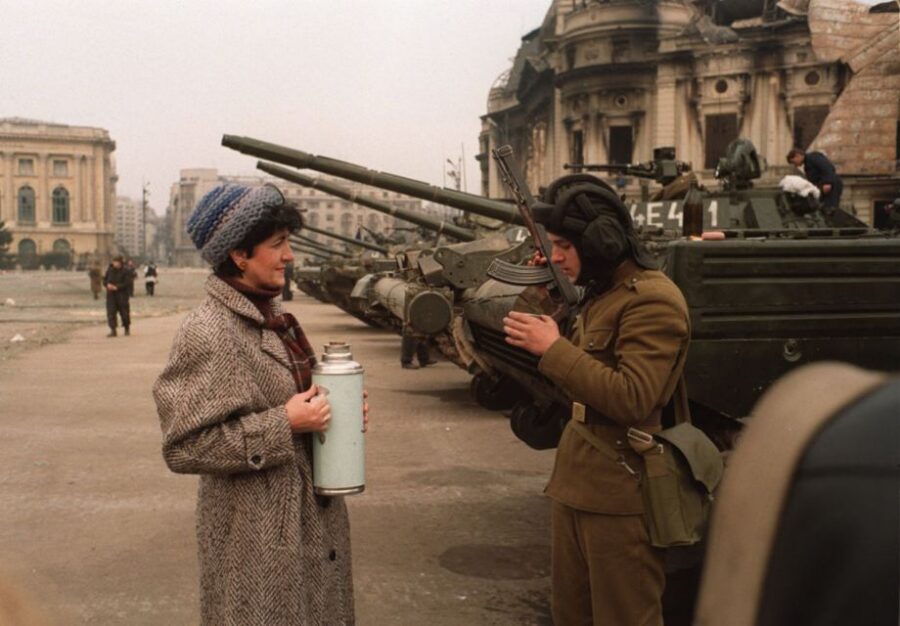
The tour finishes at Revolution Square, where the guide explains the end of the communist regime in 1989 and how democracy began afterward. This ending is important because it gives you closure. You’re not just seeing signs of the past—you’re learning what changed and why people fought for that change.
You also get a “full picture” style overview built from earlier stops: religion and control, nationalisation effects, the heavy symbolism of Ceaușescu’s era, the secret police shadow, and the everyday pressure.
I’d treat this ending as your checklist. If you leave thinking about how power worked, how fear operated, and how daily life got squeezed, then the tour did its job.
And if you still feel curious, you’ll have plenty of pointers for what to read next.
Price, pace, and practical value for your Bucharest day
At about $31 per person for roughly 3 hours, this tour offers good value if your goal is context. Bucharest has plenty of things you can see on your own, but this kind of walking storyline is what you’d struggle to assemble correctly from random guidebooks.
The pace is a normal walking pace, with a short break and time for photos at major viewpoints. The route includes around 15 objectives, so you’re not spending the day stuck in traffic or repeating the same areas.
Two practical notes that matter:
- Wear comfortable shoes. The route is mostly on foot and includes climbs (the meeting point is up a hill from Union Square).
- This tour isn’t suitable for wheelchair users and people with back problems, based on the walking format.
Also, it runs in rain or shine. If the weather becomes dangerous (heavy rain, blizzard conditions, extreme wind/heat), the tour can be canceled or rescheduled. Bring layers, and if you’ve got a small umbrella, it won’t hurt.
How to choose this tour in your Bucharest itinerary
This is the right pick if you want:
- A first-day orientation to Bucharest that explains what shaped the city
- A clear timeline from the communist era through 1989
- Street-level history focused on power, fear, and daily life—not just famous buildings
It’s less ideal if you want a light, carefree stroll with minimal politics. This walk deals with difficult subjects, including secret police torture sites, so keep expectations grounded.
If you’re the type who enjoys asking questions, you’ll likely get a lot out of the guide format. Many guides for this tour are praised for answering questions clearly and using visual supports like pictures to make the story easier to follow. You’ll also hear lots of human-scale details, including small examples tied to how people fed families and navigated rationing pressures.
Should you book the Bucharest Communism and History guided walking tour?
If you care about understanding the city behind the postcard views, I’d book it. The price is fair for a guided, three-hour structure that connects major monuments (like the Parliament building) with everyday life clues and the final story at Revolution Square.
Do it early in your trip if you can. Getting the timeline in place makes everything else you see in Bucharest feel more meaningful. And if you’re a careful planner, be ready for walking, hill climbs, and weather changes.
If you prefer history with a softer tone, or you have mobility limits, consider other Bucharest options. But for most first-time visitors who want real context, this tour earns its reputation.
FAQ
Where does the tour start?
The tour meets in front of the Patriarchal Cathedral.
What’s the closest metro station to the meeting point?
The closest metro station is Piata Unirii (Union Square). You’ll need to climb the hill to reach the cathedral.
How long is the tour, and how much walking is involved?
The tour lasts about 3 hours and is a walking route through Bucharest.
Will you go inside the House of the People (Parliament)?
No. You only see the House of the People from the outside.
Is the tour in English?
Yes, the live guide speaks English.
Is the tour weather-dependent?
It runs rain or shine, but it can be canceled and refunded or rescheduled if conditions are unsafe (like heavy rain, blizzard, extreme wind, or extreme heat).
What should I bring?
Bring comfortable shoes for walking.
What’s included in the price?
The tour includes the guided walking experience, a communist-type snack, and sightseeing of about 15 objectives. Your own coffee or other items during the break are not included.
Who should avoid this tour?
It’s not suitable for wheelchair users or people with back problems, based on the walking format.