REVIEW · CLUJ NAPOCA
Cluj-Napoca: Communist Era Walking Tour
Book on GetYourGuide →Operated by Curly Guide · Bookable on GetYourGuide
Communism shows up in everyday streets. A guided walk through Cluj-Napoca turns Communist-era architecture into lived history you can actually see. You’ll follow the city’s built ideas—then notice how they clash with older facades nearby.
I love the way the guide’s stories make the past feel specific, not textbook. With licensed leadership and English/French/Polish options, the walk links everyday details—like censorship, state control, and shortages—to what you’re standing in front of.
The only real catch: this is a 3-hour walking experience on uneven city ground. It’s not suitable for wheelchair users or people with mobility impairments, and you’ll want comfortable shoes for changing weather.
In This Review
- Key highlights you shouldn’t miss
- Why Cluj-Napoca’s Communist past is easiest to understand on foot
- Union Square meeting point: where the route begins and why it matters
- Apartment blocks and historic facades: the contrast you’ll keep noticing
- Old industrial spaces: where ideology met production
- Marasti neighborhood and former propaganda centers: how power was designed
- Censorship, queues, and resistance: the stories that bring the era to life
- The Communist-era market stop: why “daily life” matters
- What to bring and how to make the most of the walk
- Price and value: what $74 gets you for 3 hours
- Who should book this tour (and who should skip it)
- Final call: should you book this Communist-era walking tour?
- FAQ
- How long is the Cluj-Napoca Communist Era walking tour?
- Where do we meet for the tour?
- Which languages are available?
- Is food included?
- What should I bring?
- Is the tour suitable for wheelchair users or mobility impairments?
Key highlights you shouldn’t miss
- Start in front of the Matei Corvin Statue near Union Square and get oriented fast
- A licensed live guide in English, French, or Polish for a tight, focused route
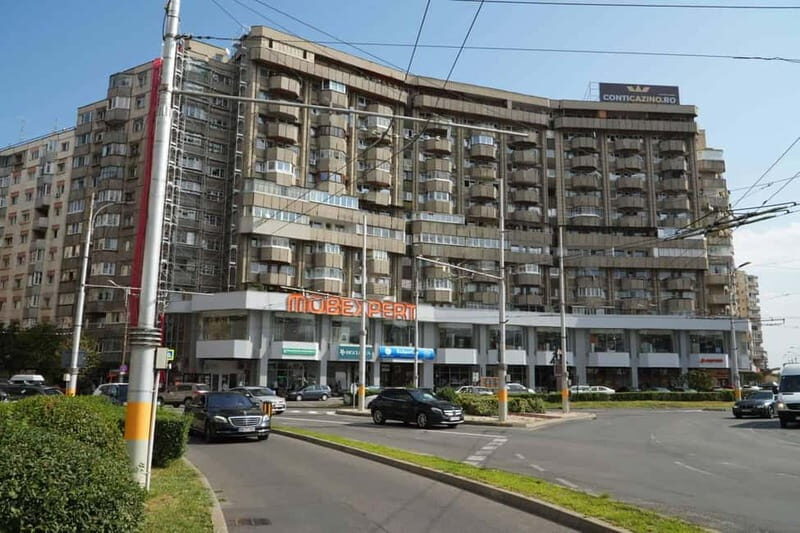
- Apartment blocks vs. historic facades for quick photo contrasts
- Marasti neighborhood and former propaganda centers tied to how the regime operated
- Censorship, queues, confiscation, and collectivization explained through city examples and guiding visuals
- A stop at a Communist-era market to ground the story in daily life
Why Cluj-Napoca’s Communist past is easiest to understand on foot
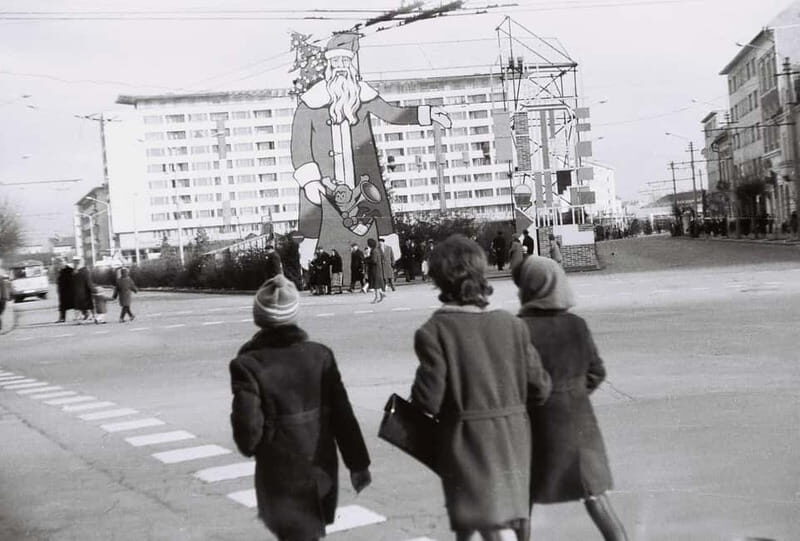
Cluj-Napoca doesn’t need museum walls to explain the Communist era. The city’s politics show up in its form—how neighborhoods were planned, how housing was standardized, and how certain spaces were reserved for the powerful. On a walking route, you can shift your attention block by block: first the uniform apartment patterns, then the older facades that remind you what came before.
This kind of tour also helps you connect big themes to small realities. You’ll hear how government-controlled media shaped what people could say and see. You’ll also learn how the state’s vision pushed industry and production—meaning factory life, labor demands, and the rhythm of daily life were part of the ideology, not separate from it.
And since you’re walking, the comparisons hit harder. You don’t just read about “standardization.” You look at it, then look again at what it replaced, and you start spotting the texture of the era: repetition, practicality, and the blunt logic of planning at speed.
You can also read our reviews of more walking tours in Cluj Napoca
Union Square meeting point: where the route begins and why it matters
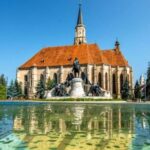
You’ll meet in front of the Matei Corvin Statue, close to Union Square. That’s a smart start because it gives you an anchor point in the city center before the walk begins moving through different “layers” of time.
Expect the guide to set the stage early—what Communist authorities wanted to build, what the regime feared or controlled, and why Cluj looked the way it did. You’ll also get photo-friendly moments right away, which helps if you’re the type who likes to capture context before you start filling in details.
One practical note: there’s no hotel pickup or drop-off, so plan to arrive on foot or by your own local transport. Since this is a 3-hour block, being early matters. You’ll get more out of the first explanation if you’re not rushing to find the group at the last second.
Apartment blocks and historic facades: the contrast you’ll keep noticing
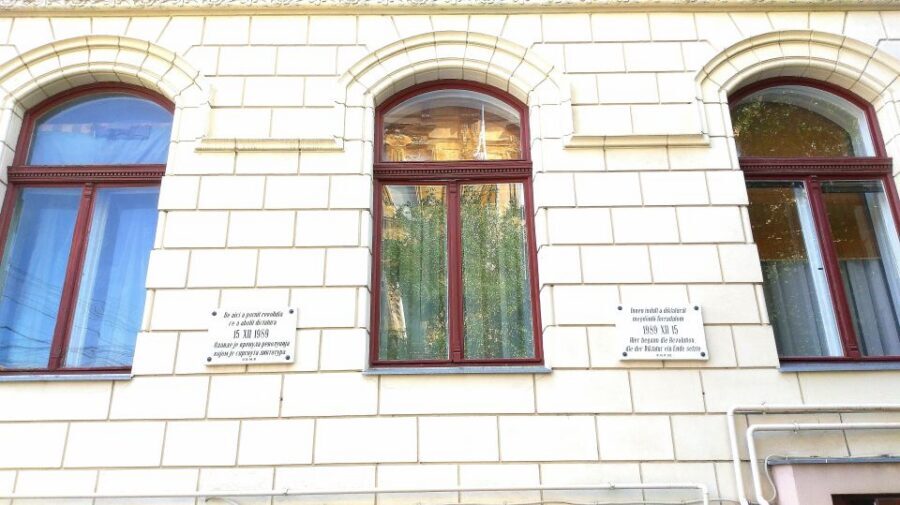
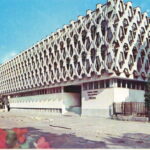
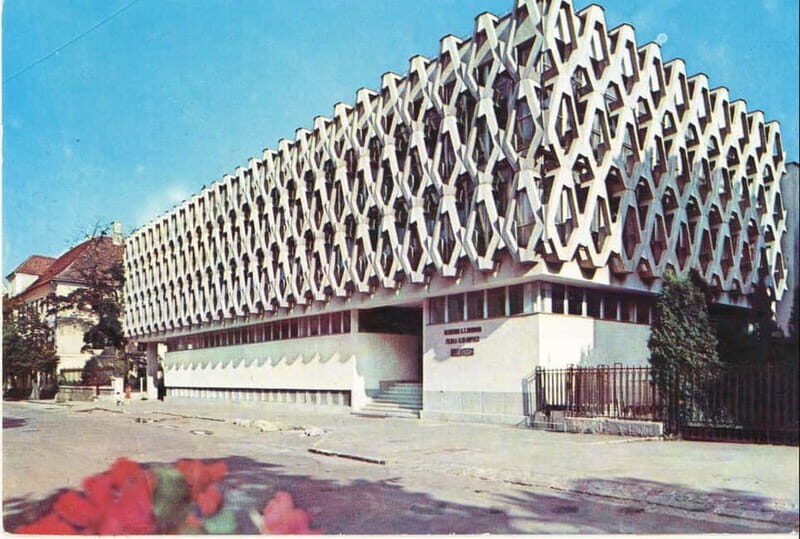
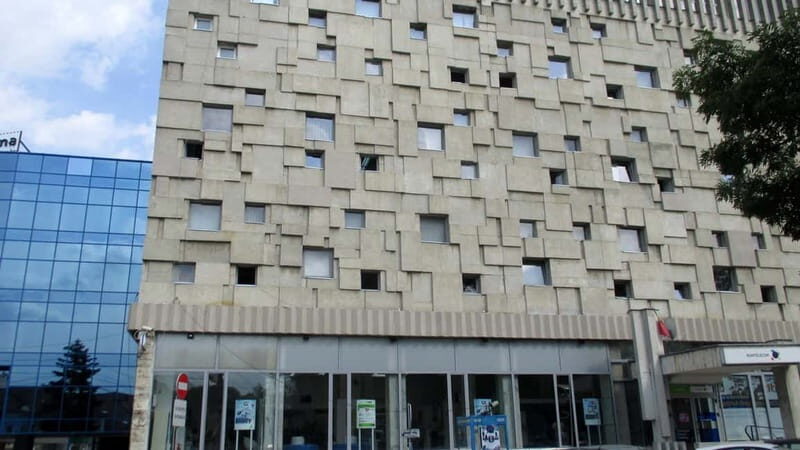
One of the best parts of this walk is the ongoing visual “argument” between two styles. On one side, you’ll see standardized housing—apartment blocks shaped by planning logic that prioritized function and speed. On the other, you’ll encounter historic facades that look personal, older, and shaped by earlier city growth.
When the guide talks about Communist housing and the communities that formed around it, the architecture stops being background. You start thinking about daily life: where people gathered, how they adjusted, and what it meant to live in spaces designed by a state rather than by local tradition.
For your photos, this contrast is gold. Try stepping back to capture whole streetscapes, then move in for repeating patterns—windows, balconies, and the general rhythm of construction. Even if you’re not a “photo person,” these details help you remember what the guide explained.
Possible drawback for some people: if you’re expecting a purely architectural tour with only building facts, this route is more human than that. The buildings are the stage, but the center of gravity is how life worked under the regime.
Old industrial spaces: where ideology met production
As the walk continues, you’ll pass through areas tied to the city’s industrial story—places connected to the state’s emphasis on production and output. The point isn’t to treat industry as a separate topic. The guide ties factories and labor directly into how the regime pushed its priorities.
This is where the tour becomes more than visual. You’ll hear about the consequences of confiscation and collectivization, and how those policies shaped what people could own, how work was organized, and what that meant for families over time. The guide also connects those shifts to the way people adapted—because even strict systems still had to function in real life.
If you like learning through cause-and-effect, you’ll enjoy this section. You’ll start to see how “control” wasn’t just about politics or media. It was built into the economy, and the economy built daily routines.
For balance, it’s good to remember this era didn’t only produce buildings. It produced pressure, limits, and fear—so be prepared for topics that are heavy by nature. The walk handles these themes through explanation rather than sensationalism, but it still lands as real history.
Marasti neighborhood and former propaganda centers: how power was designed
The walk spends time around Marasti, plus what you’ll hear described as former propaganda centers. That matters because propaganda wasn’t only a poster on a wall. It was about space—where messages were produced, where officials operated, and how the regime reinforced hierarchy.
You’ll also learn that some of these spaces catered to Communist elites. Even if you don’t know the political terms in advance, you can feel the difference when the guide points out what changed, who those environments were for, and how they worked as instruments of control.
This is one of the more memorable sections because it forces you to ask a practical question: who built it, who used it, and who was meant to stay outside it? When you think in those terms, the architecture turns into evidence.
For pacing, this isn’t a long museum-style stop. It’s a walking tour with explanations at each place, so you won’t get stuck waiting around. You also get enough time to notice details before the route moves on.

Censorship, queues, and resistance: the stories that bring the era to life
What makes this tour stand out is how the guide connects political mechanisms to everyday scenes. You’ll hear about censorship and government-controlled media—then see how that control affected people’s ability to speak, publish, and even form collective understanding of reality.
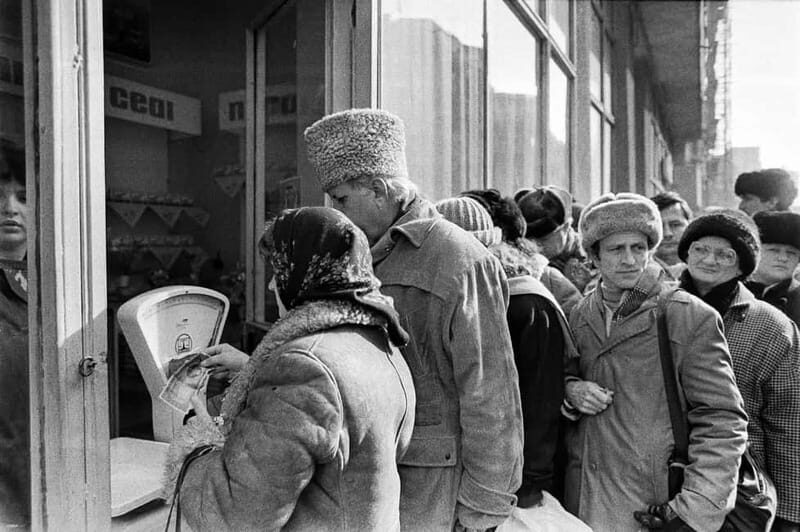
The guide also covers shortages and lines, including references to queues. Even without specific “numbers,” this topic is powerful because it explains behavior. When resources are limited and controlled, people learn to wait, adapt, and trade information carefully.
One review also highlighted how the guide addressed church-related figures who challenged Communist power in Cluj, plus the consequences that followed. That’s not a random detour. It’s part of how resistance took shape—sometimes through institutions, sometimes through pressure, sometimes through public defiance.
And yes, the walk can touch on violent events, including mention of a massacre involving anti-Communist protesters in Cluj. That’s not the kind of thing you forget once you’ve heard it explained in context. If you prefer light entertainment only, this may feel too serious. If you want understanding, it’s exactly the point of a historical walking tour.
The Communist-era market stop: why “daily life” matters
Near the middle or later part of the route, you’ll get a glimpse of a Communist-era market—short, but meaningful. This is one of those stops that helps you stop thinking only in politics and start thinking in routines.
When the guide links confiscation, collectivization, and state planning to what people bought and how they waited for supplies, the market becomes more than a location. It becomes an example of how policy shows up in your hands and stomach, not just on official documents.
If you like tours that feel grounded, this is where you’ll appreciate the structure. It’s the reminder that most people didn’t experience history as speeches. They experienced it through purchases, shortages, and the slow, practical negotiations of survival.
What to bring and how to make the most of the walk
This is a walking tour, so your comfort controls how much you enjoy it. Bring comfortable shoes, and plan for changing weather since the route is outdoors.
A camera is worth it here. You’ll want to capture:
- the photo contrast between standardized blocks and older façades
- street-level angles that show repetition and planning style
- scenes tied to markets and the types of spaces the regime used
Water is recommended, too. Don’t wait until you feel tired before you drink. Three hours is long enough to get dehydrated if the day is warm.
And one simple rule: no smoking during the tour.
Price and value: what $74 gets you for 3 hours
At $74 per person for a 3-hour walking tour, you’re paying for a guided narrative plus a licensed expert who can connect architecture to political reality. The value isn’t only the sights—it’s the explanations that help you read the city instead of just passing through it.
The tour also runs as a private group, which usually means you get a more focused experience than large join-in crowds. If you like asking questions or hearing the guide tailor points to what you care about, that format helps.
You’ll also want to budget for food separately, since food and drinks are not included. That’s normal for a walking tour, but it affects your planning. If you’re mapping your day, consider having lunch before or after so you can stay present during the walk.
Who should book this tour (and who should skip it)
Book this if you:
- enjoy architecture and want the meaning behind what you see
- like history that explains everyday life, not just dates
- want a focused route around Marasti, Communist planning, and propaganda-related spaces
- care about understanding how censorship and control shaped real behavior
Skip it if you:
- need a wheelchair-accessible option or have mobility limitations, since it’s not suitable for wheelchair users
- want a light, casual walk with only pleasant stories
- dislike history topics that include political violence and heavy consequences
The language options also help. The guide is available in English, French, and Polish, which makes the tour accessible if you want full understanding rather than partial guesswork.
Final call: should you book this Communist-era walking tour?
I think you should book if you want a clear, guided way to understand how Communist-era decisions shaped Cluj-Napoca’s streets, housing, and public spaces. The route’s biggest strength is that it teaches you how to read the city in real time—buildings as evidence, stories as context.
You’ll get the most out of it if you show up ready to walk, bring a camera, and listen for the cause-and-effect connections the guide makes. If your schedule allows flexibility, note that you can cancel up to 24 hours in advance for a full refund, and you can reserve now and pay later. That reduces the stress of planning.
If you’d rather avoid heavy political topics entirely or you can’t handle a long outdoor walk, then pass and choose something easier. Otherwise, this is the kind of tour that changes how you see the city after you leave.
FAQ
How long is the Cluj-Napoca Communist Era walking tour?
The tour runs for 3 hours.
Where do we meet for the tour?
Meet in front of the Matei Corvin Statue.
Which languages are available?
The live guide offers English, French, and Polish.
Is food included?
No. Food and drinks are not included.
What should I bring?
Bring comfortable walking shoes. Water is recommended, and a camera helps because there are many photo opportunities along the route.
Is the tour suitable for wheelchair users or mobility impairments?
No. It is not suitable for people with mobility impairments or wheelchair users.