REVIEW · CLUJ NAPOCA
Private Sighisoara and wine tasting tour from Cluj
Book on GetYourGuide →Operated by GetaClujTour · Bookable on GetYourGuide
A trip like this works because it connects legend to real streets. You start with Sighișoara Fortress, a UNESCO site and one of Europe’s last lived-in medieval citadels, then you shift to the Tarnava Valley for a guided tasting that actually teaches you what you’re drinking. I especially like the way the day blends story and place, and I also like the structured 7-wine tasting with palate cleansers that keep you from getting lost in the glass.
Here’s the one thing to watch: it’s not a sit-and-sip kind of day. Expect cobblestones, hills, and up to about 350 steps in Sighișoara, with some sections without handrails.
In This Review
- Key things that make this day work
- From Cluj to Transylvania in one day: what the timing feels like
- Sighișoara Fortress: where the Dracula stories have real geography
- The Church on the Hill climb (and why it’s worth planning for)
- Clock Tower note
- Saxon streets and medieval life: how to use your free time
- Lunch in Sighișoara: the cultural reset between fortress and wine country
- Tarnava Valley drive: rolling hills and the lead-up to the tasting
- Winery stop: how the 7-wine tasting actually teaches you
- Expect aromatic, crisp styles with a cool-climate focus
- What to pay attention to during the tasting
- Price and value: what $295 per person buys you (and what it doesn’t)
- Guide impact: why a good storyteller changes the whole day
- Practical tips: what to bring so the day feels easy
- Who should book this tour, and who should pass
- Should you book Private Sighișoara and wine tasting from Cluj?
- FAQ
- What is the duration of the tour?
- Where is pickup available?
- How long is the Sighișoara portion, and is there free time?
- How many wines are tasted during the winery visit?
- What physical demands should I expect?
- Approximately how many steps will there be in Sighișoara?
- Is the tour suitable for wheelchair users?
- Are any key sights closed on specific days?
Key things that make this day work
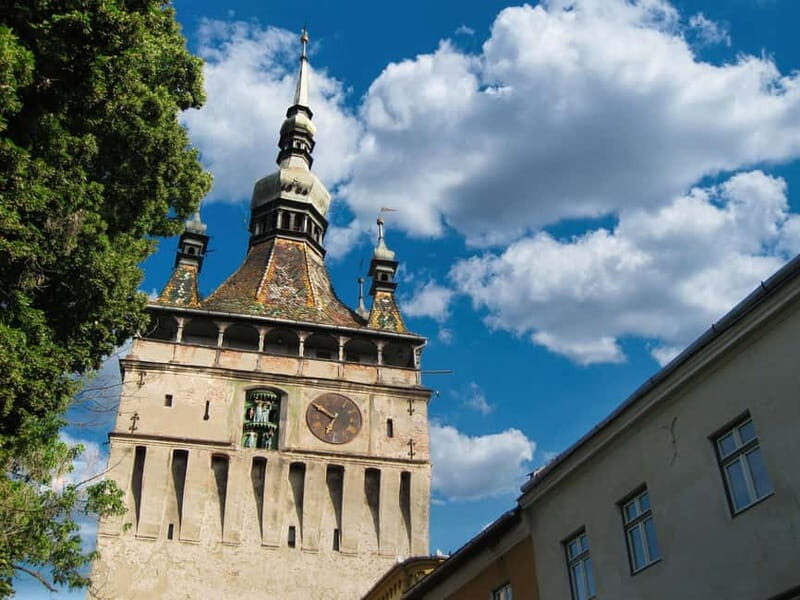
- UNESCO Sighișoara Fortress with enough time to walk, pause, and absorb the medieval layout
- Church on the Hill and the Covered Staircase climb for hands-on views and photo-friendly angles
- Dracula-linked legends of Vlad the Impaler explained in context, not just as spooky lines
- Saxon culture stop-throughs, from medieval heritage to traditional local flavours at lunch time
- Seven wine varieties from cool-climate terroir, including Feteasca Regala
- A private English/French guide who can keep the story coherent all day, especially in the tight van schedule
From Cluj to Transylvania in one day: what the timing feels like
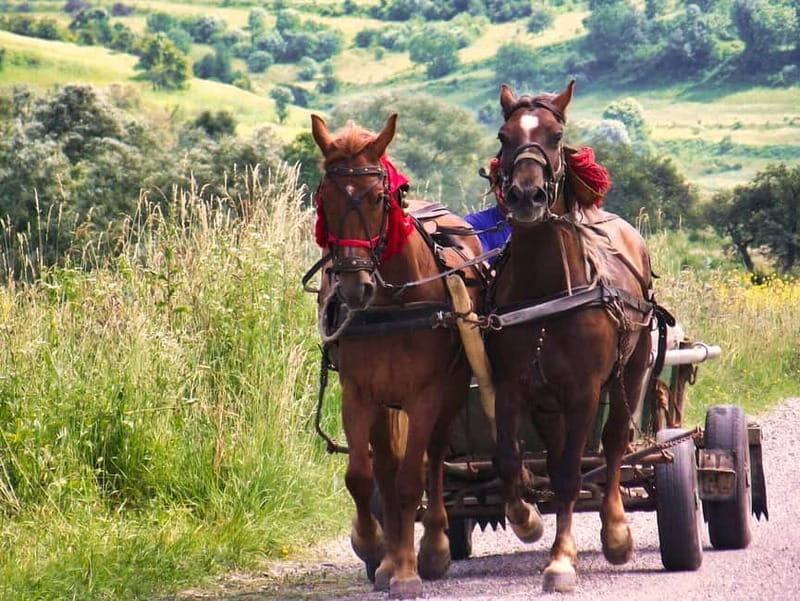
This is a full-day private tour, planned for people who want a lot of Romania in one go without doing the logistics themselves. You’re picked up in Cluj-Napoca (and also Turda, if that’s where you’re staying) and then you head out by private van.
The drive is part of the experience. It gives you time to get your bearings, plan your walking strategy for Sighișoara, and mentally switch gears from modern Romania to Saxon medieval streets. The schedule is built around that one big anchor stop: Sighișoara Fortress, then lunch, then a wine-focused afternoon in the Tarnava Valley.
If you’re the type who likes days with momentum—early start, clear plan, no wandering by accident—this works well. If you hate moving around constantly, you might find the walking and transfers tiring.
You can also read our reviews of more food & drink experiences in Cluj Napoca
Sighișoara Fortress: where the Dracula stories have real geography
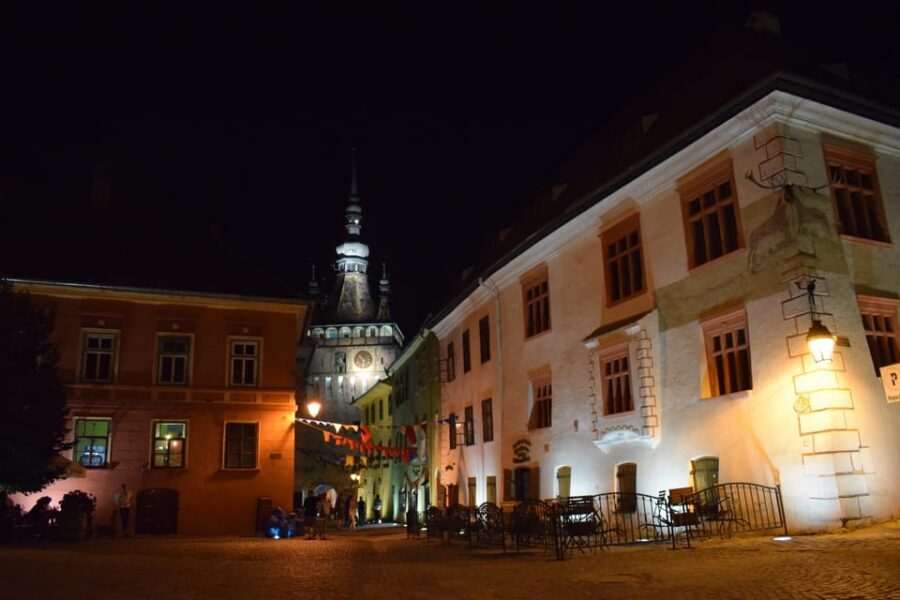
Sighișoara Fortress is the reason most people care about this day. It’s a UNESCO World Heritage site and still one of those rare places where medieval layouts haven’t been wiped out by modern redevelopment. The tour time is generous enough that you’re not just speed-walking for a stamp and a photo.
Your guide brings the legends into the streets. Instead of treating Dracula as a cartoon monster, the focus is on the stories and the names that keep showing up in Transylvanian folklore—plus the legends tied to Vlad the Impaler. What I like about this approach is that it gives the story a sense of location. You’re not just hearing Dracula trivia. You’re learning why Sighișoara shows up in the larger Transylvanian narrative.
The Church on the Hill climb (and why it’s worth planning for)
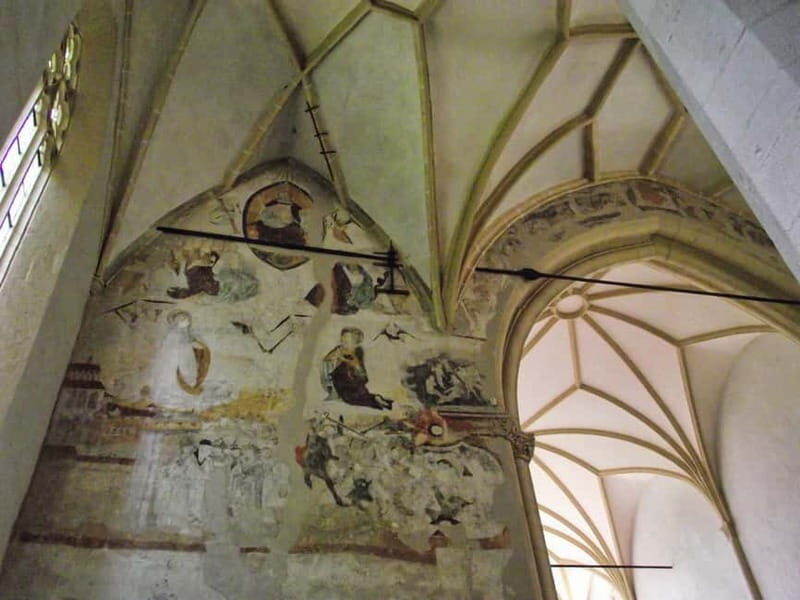
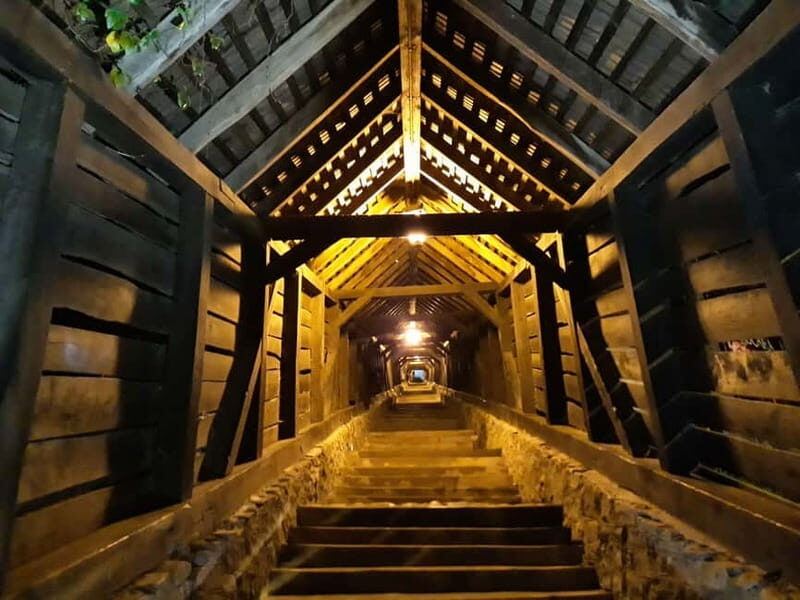
One of your main guided segments includes climbing the historic Covered Staircase up to the Church on the Hill. This is where the day becomes physical in the best way: you feel the elevation, you see the rooftops from above, and you understand how medieval city design helped with defense and visibility.
Yes, it means steps. The route can involve up to 350 steps, and the description notes that some sections don’t have handrails. If you have any knee or balance issues, I’d take that seriously and wear shoes that grip well on stone.
Clock Tower note
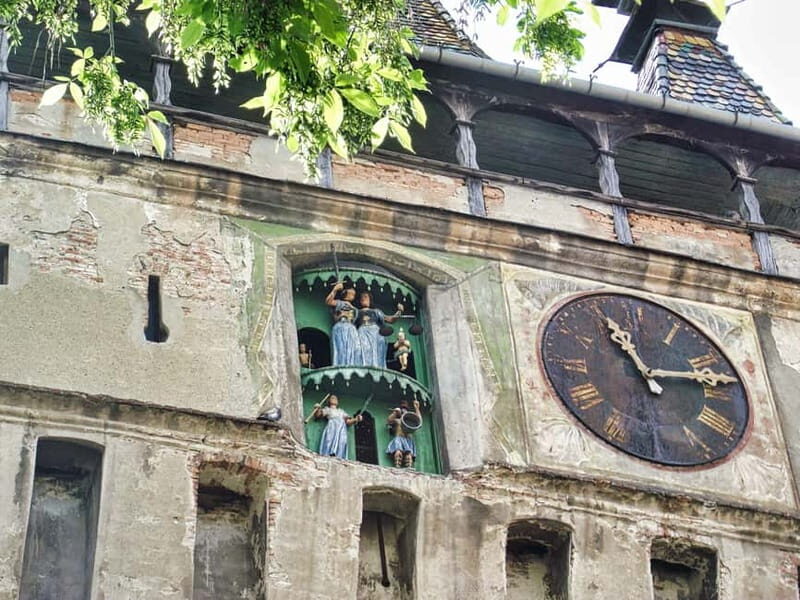
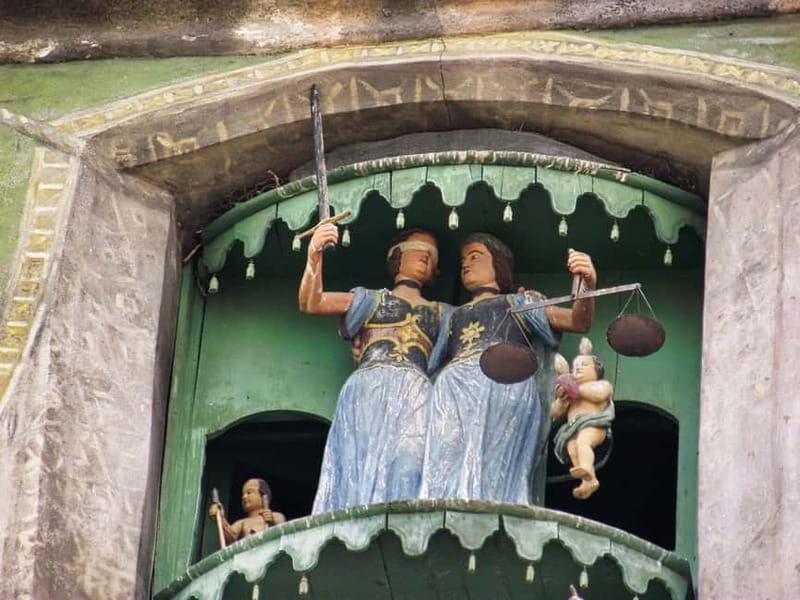
The Clock Tower is closed on Mondays. If your trip lands on a Monday, you’ll still get the fortress experience, but the tower portion won’t run. It’s worth planning your expectations so you’re not disappointed halfway through the morning.
Saxon streets and medieval life: how to use your free time
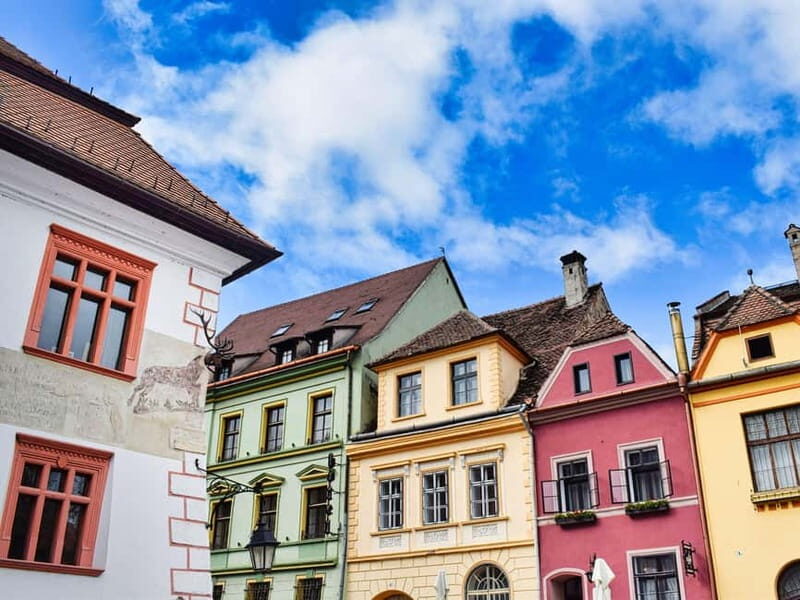
After the guided walk, you get free time as part of the fortress block. That matters because Sighișoara isn’t only a guided-history stop. It’s also a place where the details reward slow looking: old stonework, tight lanes, and the way buildings follow the hill.
For your free time, I recommend treating it like a short self-guided loop:
- Start by picking one direction and following it until you hit a landmark.
- Take photos at viewpoints, then move on. Don’t stand in one spot for 30 minutes, because the steps add up.
- If you see small local food options, this is usually when you’ll spot something more “Saxon village” than “tourist menu.”
This is also the part where Saxon culture becomes more than a label. You’ll hear how Saxon heritage shaped what people built and how they lived, then you’ll connect it to flavours later over lunch and on the tasting table.
You can also read our reviews of more private tours in Cluj Napoca


Lunch in Sighișoara: the cultural reset between fortress and wine country
Lunch is built into the Sighișoara portion of the day. That timing is smart. You get a break from hills and cobblestones before the drive into the Tarnava Valley.
While the exact restaurant and menu aren’t specified here, the intent is clear: lunch should help you connect the medieval Saxon influence with traditional local tastes. In practical terms, you’ll want to eat something that won’t wreck your palate for the wine tasting later. Think: light-to-medium meals, not greasy and heavy.
One more practical point: since meals beyond what’s mentioned aren’t listed as included, you should budget for what you personally order with lunch and any drinks that aren’t part of the scheduled meal.
Tarnava Valley drive: rolling hills and the lead-up to the tasting
After Sighișoara, you head out for the Tarnava Valley. The ride is shorter than the morning drive, but it has an important job: setting the tone for what comes next.
This part of the day is where you shift from medieval stone to living agriculture. The vineyards in this region are tied to cool-climate terroir, and that’s more than marketing wording. Cool climates tend to help keep wines crisp and aromatic, which is exactly the tasting style the guide sets you up for.
If you’re sensitive to motion sickness, keep that in mind for the van segments. The route is planned with a firm schedule, so you likely won’t be stopping often. Come prepared for the road.
Winery stop: how the 7-wine tasting actually teaches you
The highlight of the afternoon is a wine tasting of seven distinct varieties, paired with palate cleansers. This is a big deal for two reasons.
First, you’re tasting enough different wines that you’ll notice patterns. The guide should help you understand what you’re picking up—especially in wines that are crisp and aromatic rather than heavy and oaky.
Second, the palate cleansers matter. Without them, tastings can blur together fast. With them, you can reset between pours and actually compare.
Expect aromatic, crisp styles with a cool-climate focus
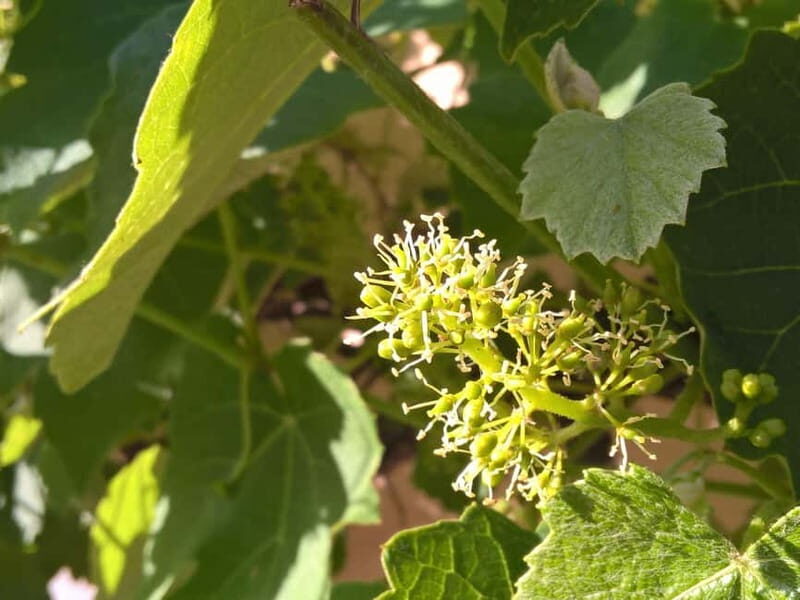
The tasting is positioned around wines with an aromatic, crisp profile. One named example is Feteasca Regala, which is described as high-quality and aromatic, born from cool-climate terroir. The tour also points to a medieval viticulture tradition, which is a useful frame: it helps you see the tasting not as a random flight, but as something tied to how grapes have been grown here for a long time.
What to pay attention to during the tasting
You’ll get the most value if you treat the tasting like a guided mini-lesson. I’d focus on:
- Aroma first: what stands out right away after the pour
- Taste progression: how the wine changes from first sip to aftertaste
- Texture: light vs. heavier mouthfeel, and how crispness shows up
- Pairing logic: how palate cleansers reset you so the next pour is clearer
And don’t be shy about asking your guide to slow down for comparisons. With a private group, you should have room to adjust.
Price and value: what $295 per person buys you (and what it doesn’t)
At $295 per person for a 10-hour private day, the value comes from three things: time, coordination, and guided depth.
You’re not just paying for transport. You’re paying for:
- A private vehicle schedule that handles the long van segments and keeps the day moving
- An English/French guide who connects history to story and helps you interpret what you’re seeing and tasting
- A structured tasting with seven varieties plus palate cleansers
What isn’t covered is also important. Entry tickets are not included if you choose to pay for additional visits inside Sighișoara. Also, your lunch and other drinks may not be fully covered beyond what’s specifically mentioned in the day’s plan.
In plain terms: if you want to do Sighișoara and a proper wine tasting in one shot without arranging drivers, timing, and wineries yourself, this price can feel reasonable. If you’re comfortable DIY-ing and only want a quick look at Sighișoara plus one or two wines, you might find cheaper options.
Guide impact: why a good storyteller changes the whole day
The reviews-style pattern here is consistent: the guide experience matters. The best part of this tour isn’t only the sites—it’s how the day is explained. The tour is led by an English-speaking guide/driver from GetaClujTour, and at least one guide named Joseph (spelled Josef in one case) is praised for being punctual, helpful, and seriously strong on Transylvanian context, including politics and history.
That matters because Sighișoara can turn into a “cool old town” if nobody explains the why. With a guide who can link Saxon heritage to what you see, you get more out of the stairs, lanes, and churches.
It also matters for the wine side. A tasting of seven varieties goes from random sipping to real learning when someone can guide your attention and help you connect aroma and taste to cool-climate style.
Practical tips: what to bring so the day feels easy
This day has a simple equipment list. Follow it and you’ll feel more comfortable.
Bring:
- Comfortable shoes for cobblestones and uneven ground
- Sun hat, especially for the open stair-and-street sections
Plan your body:
- The physical level is moderate and includes around 2 hours of walking on hills, cobblestones, and uneven ground.
- Expect up to 350 steps, and remember some stairs have limited hand support.
If you’re packing, I’d also bring a light layer. Winery spaces and vans can vary in temperature, and you’ll spend time sitting between walking segments.
Who should book this tour, and who should pass
This private tour is a great match if you want:
- Sighișoara plus a guided explanation, not just a self-guided wander
- A Dracula-related story that’s tied to places you can actually walk
- A serious tasting with seven wines and palate resets
- A day that’s paced by someone else, with pickup from your accommodation
It may not be the best fit if you:
- Have trouble with stairs or uneven stone surfaces
- Want a fully relaxed day with minimal walking
- Prefer to explore freely without a set route and timing
And if you’re traveling in a Monday, plan around the Clock Tower closure.
Should you book Private Sighișoara and wine tasting from Cluj?
I think you should book it if you want a single-day plan that blends the two things people usually want from Romania: medieval stories and real food-and-wine culture. The fortress stop gives you UNESCO-level context and enough time to actually enjoy the streets. Then the Tarnava Valley tasting gives you structure and guidance, especially with the seven varieties and palate cleansers.
You might skip it if your priority is only one of the two halves—either a long, slow Sighișoara day with extra entries and breaks, or a winery day with fewer wines and less walking. In that case, you’d likely get better comfort and flexibility by splitting the day into separate trips.
If you want an efficient, guided, and educational day that still leaves room to look around, this one is a strong choice.
FAQ
What is the duration of the tour?
The tour lasts 10 hours.
Where is pickup available?
Pickup is available from your accommodation in Cluj-Napoca or Turda.
How long is the Sighișoara portion, and is there free time?
The Sighișoara Fortress stop includes a guided tour and free time, for a total of about 3 hours.
How many wines are tasted during the winery visit?
You taste seven distinct wine varieties, with palate cleansers included.
What physical demands should I expect?
The level is moderate, with about 2 hours of walking on hills and uneven surfaces, plus stairs.
Approximately how many steps will there be in Sighișoara?
Expect up to around 350 steps, and some stairs may not have handrails.
Is the tour suitable for wheelchair users?
No. It is not suitable for wheelchair users.
Are any key sights closed on specific days?
The Clock Tower in Sighișoara is closed on Mondays.
If you want, tell me your travel dates and where you’re staying (Cluj or Turda). I can help you think through whether Monday timing affects what you’ll most want to see.