REVIEW · CLUJ NAPOCA
Turda Salt Mine, Corvin Castle and Alba Fortress from Cluj
Book on Viator →Operated by Rolandia · Bookable on Viator
A day in Transylvania starts underground. This Cluj-Napoca tour links Turda Salt Mine with Corvin Castle and ends at Alba Iulia Fortress, so you cover Roman-era industry, medieval power, and modern national history in one long but well-paced outing.
I especially like the small-group feel (max 7) and the way your English-speaking guide turns each stop into a story you can follow. I also like that you get real time at each place, not a rush-through.
One consideration: entrance tickets and lunch cost extra, so your total spend is higher than the tour price suggests.
In This Review
- Quick hits before you go
- The best part: three stops that tell one clear Transylvania story
- Stop 1: Salina Turda and the underground world (1 hour 30 minutes)
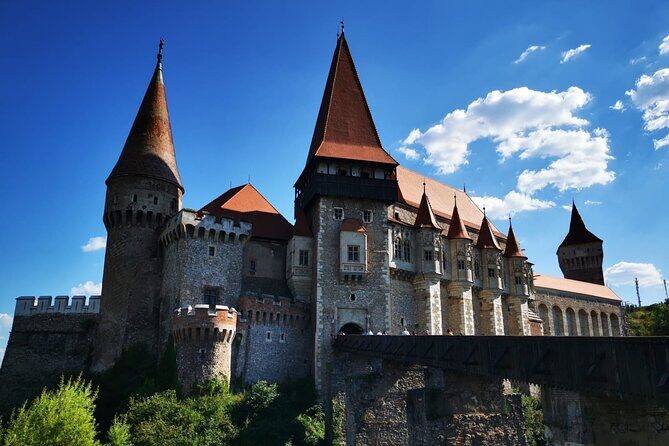
- Stop 2: Corvin Castle, Gothic drama and medieval defense (about 2 hours)
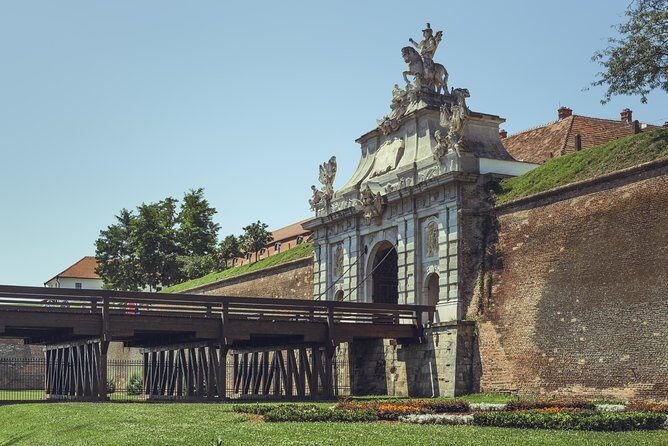
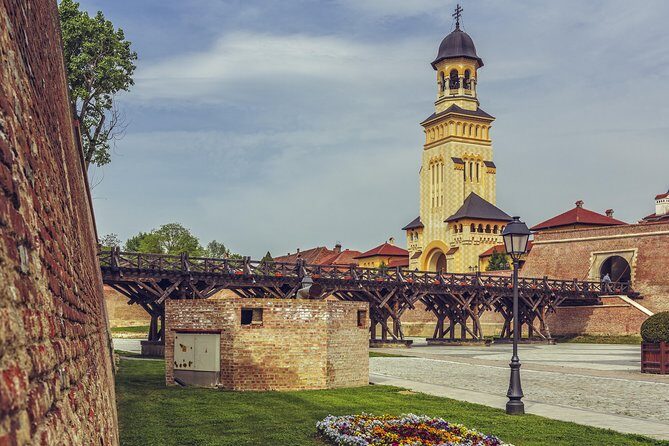
- Stop 3: Alba Iulia Fortress (Alba Carolina) and Romania’s 1918 unification moment (about 2 hours)
- Timing and pacing: what a full 11-hour day from Cluj feels like
- Price and value: where the money goes (and what costs extra)
- Who this tour suits best (and who might not love it)
- Should you book this Cluj day trip?
- FAQ
- What places does this tour include?
- How long is the tour?
- What time does it start, and where does it meet?
- What language is the tour in?
- Is bottled water included?
- Are entrance fees included for all stops?
- Is lunch included?
- How big is the group?
- Is the tour suitable for people with limited mobility?
- What happens if weather is poor?
- Do I get a ticket on my phone?
Quick hits before you go
- Small group, max 7 travelers for a more personal day
- English guide plus bottled water so you stay focused on the sites
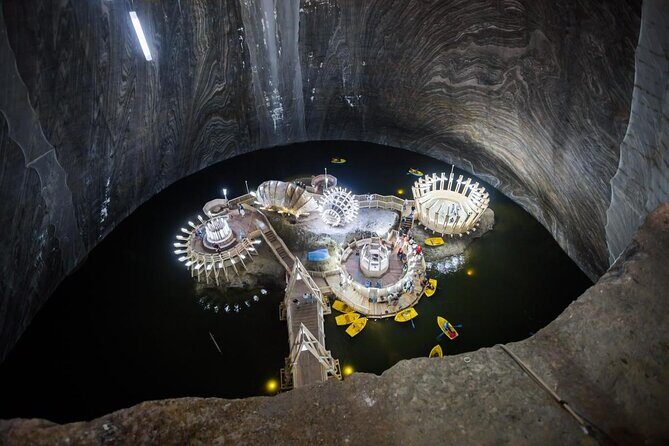
- Salina Turda includes 1.5 hours underground (Romans, machinery, and big salt halls)
- Corvin Castle gives you about 2 hours inside a Gothic stronghold tied to anti-Ottoman defense
- Alba Iulia is about 2 hours and admission is free, with major 1918 unification history
- One long day from 8:30am to evening with built-in time at three very different places
The best part: three stops that tell one clear Transylvania story
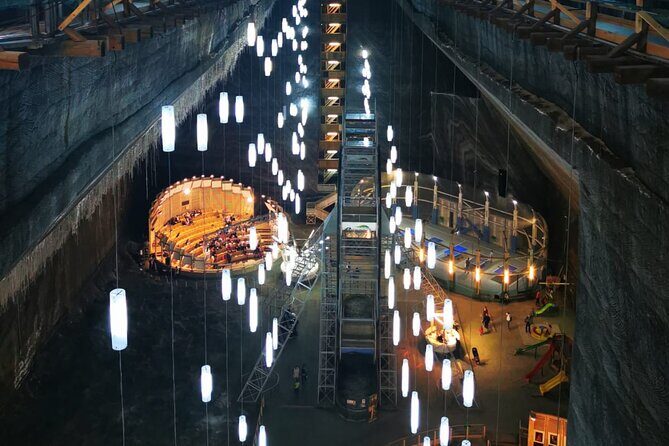
This tour works because it doesn’t treat Transylvania as a random set of photo spots. You start with salt—real work, real industry, and real history dating to Roman times (salt extraction began during Roman occupation in 107 AD). Then you move to power and defense at Corvin Castle. Finally, you end with nation-building at Alba Iulia, when the Great National Assembly of over 1,200 delegates gathered in 1918 to declare the unification of Transylvania with Romania (celebrated every December 1).
If you’re visiting Cluj and want maximum historical context without hopping trains and buses, the setup is practical. The drive between sites is handled for you in a modern vehicle, and your guide keeps the day from turning into a scattered checklist.
You can also read our reviews of more tours and experiences in Cluj Napoca.

Stop 1: Salina Turda and the underground world (1 hour 30 minutes)
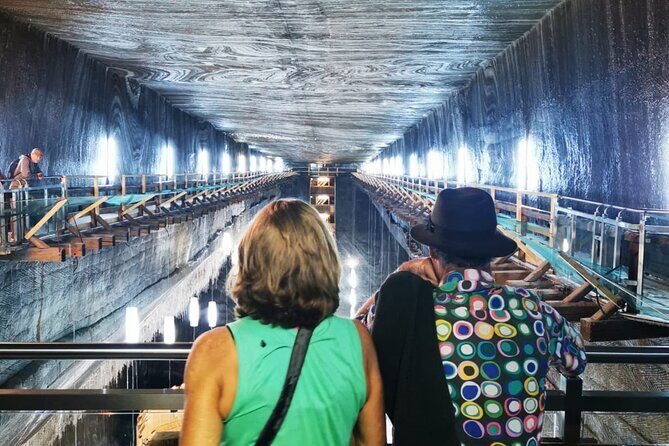
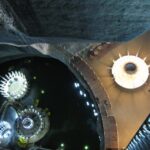
Salina Turda is the kind of place that resets your sense of scale. You don’t just look at salt walls—you walk into massive halls, see striking salt formations, and get a feel for the machinery and work that went on underground for centuries. The mine’s story goes back to the Roman Empire, with salt extraction beginning during Roman occupation in 107 AD. That long timeline is part of what makes the mine so compelling.
Expect about 1 hour 30 minutes on-site. In real-world terms, that’s enough time to take photos, read the key historical details your guide explains, and still enjoy the mine atmosphere rather than feeling squeezed.
Two practical tips for this stop:
- Wear shoes you trust. The mine is underground, and you’ll be walking on uneven surfaces.
- Bring your patience. You’ll likely want time at the underground lake and the main halls—some moments are simply impressive on sight, not just in information.
Also, plan for extra spending here: the mine admission ticket is not included in the tour price.
Stop 2: Corvin Castle, Gothic drama and medieval defense (about 2 hours)
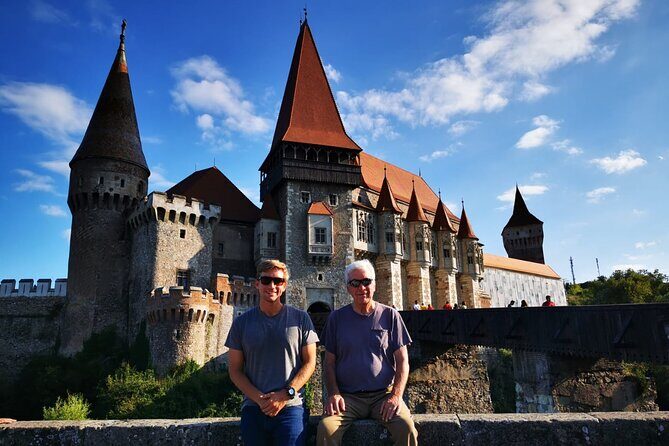
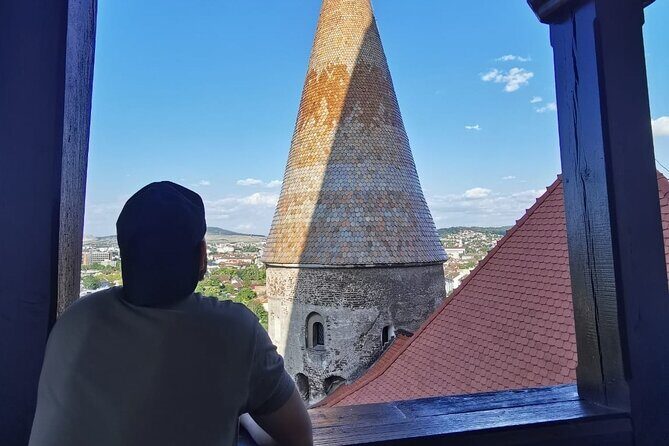
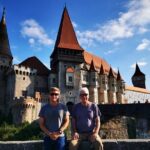
Corvin Castle is one of those locations where you understand why people call it dramatic. You’ll see Gothic architecture up close, then move through halls and courtyards while your guide connects the buildings to the region’s political stress.
Here’s the key historical thread you’ll hear:
- The castle began in the 14th century with Voicu of Hunedoara.
- It was expanded and transformed into a formidable fortress by his son, John Hunyadi.
- Its military role included defending the area against the Ottoman Empire, making it a vital stronghold for the Kingdom of Hungary.
You get about 2 hours at Corvin. That’s a good length because the castle isn’t only one room or one viewpoint. You can actually walk the courtyards, look at the architecture from multiple angles, and let your guide’s explanations make the site feel grounded rather than purely aesthetic.
What’s the main drawback at Corvin?
- It’s a popular place, and the day is long. If you get tired easily, you might feel the full schedule by this second stop.
- Entrance ticket is not included, so budget for that in advance.
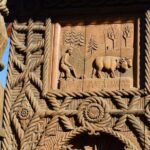
One extra detail I found useful from guides in previous days: a couple of groups reported a short add-on look near Corvin Castle at a wooden church area, though it may not always be open. Don’t count on it, but it’s a nice example of how your guide can sometimes shape the day based on time and access.
Stop 3: Alba Iulia Fortress (Alba Carolina) and Romania’s 1918 unification moment (about 2 hours)
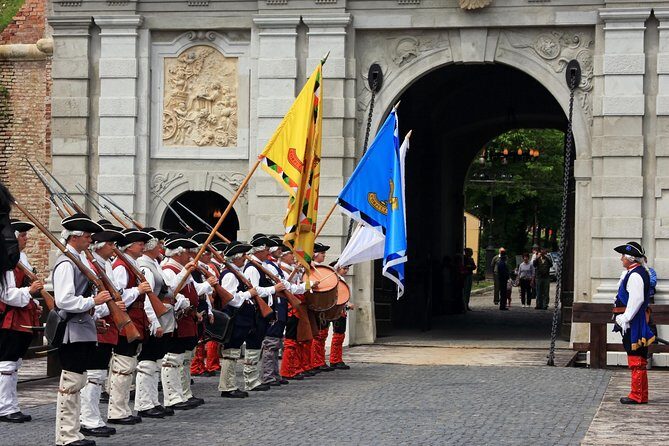
If Corvin Castle gives you medieval muscle, Alba Iulia gives you the political endgame. This Vauban-style fortress is built for defense, but the real story is how it connects to modern Romanian identity.
Your guide walks you through courtyards, ramparts, and bastions, helping you understand why the fortifications are laid out the way they are. You’ll also have time to enjoy the scale: massive walls, towers, and bastions that make you realize how seriously the city was designed to resist attack.
The standout historical moment is 1918. In Alba Iulia, the Great National Assembly brought more than 1,200 delegates together to declare the unification of Transylvania with Romania. It’s so important that it’s celebrated every year on December 1 as Romania’s National Day.
What I like here is that it’s not just facts. The site turns those facts into something physical—walk the perimeter, look at the walls, and suddenly history feels less like a paragraph and more like a place where decisions were made.
The best news for budgeting: admission to Alba Fortress is free on this tour. You still need to factor in your time and comfort, but you’re saving money on tickets at the last stop.
Timing and pacing: what a full 11-hour day from Cluj feels like
The tour starts at 8:30am at the Matthias Rex Monument in Piața Unirii, Cluj-Napoca, and it ends back at the same meeting point in the evening. The official duration is about 11 hours, and in practice, many people report it landing around that same range.
You’re visiting three major sites, and the schedule aims for a balanced pace:
- Turda: 1 hour 30 minutes underground
- Corvin: about 2 hours
- Alba Iulia: about 2 hours
Then you have driving time plus breaks and wrap-up.
A small-group setup helps a lot here. With a max of 7 travelers, your guide can answer questions without the whole day becoming a single-file line. Several guides were praised for smooth communication and a relaxed rhythm, with time to ask questions and adjust pacing to the group.
One more comfort detail: bottled water is included, which is a small thing until you realize how valuable it is during a long day. Lunch is not included (and it’s listed at €13 per person), so plan for that gap. If you skip lunch, you’ll pay for it later—history tours are still physically tiring.

Price and value: where the money goes (and what costs extra)
The tour price is $143.61 per person. That includes transportation in a modern vehicle, a professional English-speaking guide, and bottled water. What’s not included is the bigger line items you’ll likely spend anyway: lunch, tips, and entrance tickets for Turda Salt Mine and Corvin Castle.
It’s also helpful that Alba Iulia admission is free, which reduces the total ticket burden at the final stop.
So is it good value? For many people, yes, because you’re buying:
- a guided explanation in English across all three locations
- no transit stress between far-flung sites
- enough time to enjoy each place rather than sprinting
The main value trade-off is that you’ll still add costs for the two paid sites plus lunch. If you already know you hate paying entrance tickets, or if you want to roam on your own schedule without a guide, then this may feel pricier than you expected.
For most first-timers to north Romania who want a “do the classics fast” day, the structure makes sense.
Who this tour suits best (and who might not love it)
This day trip is a great fit if:
- you’re in Cluj and want to see major Romanian highlights beyond the city
- you like history that’s explained in plain language (not just signs and dates)
- you want a guide who keeps the day organized, not chaotic
- you’re okay with a moderate day of walking, mostly around the sites
It’s also ideal if you’re traveling with a friend or family member and want a shared experience without a huge group.
It may be less ideal if:
- you prefer deep, slow museum-style visits where you sit for long stretches
- you get worn out by long days and want a shorter outing
- you strongly dislike paying separate entrance fees and adding a lunch stop cost
One more small emotional factor: a lot of people rated this tour highly because guides brought the places to life with storytelling and humor. If you’re the kind of traveler who likes that extra voice in your head while you walk, you’ll probably enjoy this format.
Should you book this Cluj day trip?
I’d book it if you want a single-day introduction to Romanian history across three very different settings: an underground salt mine shaped by Roman-era extraction, a Gothic fortress tied to medieval defense, and Alba Iulia’s fortifications linked to the 1918 unification moment.
Before you book, do two quick checks:
- Confirm your budget for entrance fees at Turda Salt Mine and Corvin Castle, plus lunch.
- Make peace with the fact that it’s a long day starting at 8:30am. Bring good walking shoes and a realistic attitude about timing.
If you’re flexible, history-minded, and you want one guided day that covers a lot without making you plan transport, this trip is a strong choice from Cluj.
FAQ
What places does this tour include?
It includes Salina Turda (Turda Salt Mine), Corvin Castle, and Cetatea Alba Iulia (Alba Carolina Fortress).
How long is the tour?
The duration is listed at about 11 hours.
What time does it start, and where does it meet?
It starts at 8:30am and meets at the Matthias Rex Monument in Piața Unirii, Cluj-Napoca.
What language is the tour in?
The tour is offered in English.
Is bottled water included?
Yes. Bottled water is included.
Are entrance fees included for all stops?
No. Entrance tickets for Turda Salt Mine and Corvin Castle are not included. Alba Fortress admission is listed as free.
Is lunch included?
No. Lunch is not included and is listed at €13 per person.
How big is the group?
The tour has a maximum of 7 travelers.
Is the tour suitable for people with limited mobility?
The tour notes a moderate physical fitness level is required, so it may not be ideal if you have significant mobility challenges.
What happens if weather is poor?
The tour requires good weather. If it’s canceled due to poor weather, you’ll be offered a different date or a full refund.
Do I get a ticket on my phone?
Yes, it includes a mobile ticket.
If you want, tell me your travel dates and whether you’re more into castles, underground sites, or the 1918 history angle, and I’ll suggest how to prioritize what you do during your limited time at each stop.