REVIEW · BUCHAREST
Bucharest: Relics of Communism 3-Hour Walking Tour
Book on GetYourGuide →Operated by MARA’S TOURS & TRAVEL · Bookable on GetYourGuide
Communism still shapes Bucharest’s streets. This 3-hour walking tour traces how dictatorship, propaganda, and everyday survival left their marks on the city, starting around Revolution Square and ending near Piața Constituției. The small group size (up to 10) keeps the pace human and the questions flowing.
What I like most is the way the guide makes the story practical. You’ll hear about daily life under Ceausescu, from ration cards and propaganda to the black market and the secret police, not just big dates and slogans. I also love the contrast in the route: big statements of Socialist realism next to quieter places the regime tried to forget, including hidden churches.
One thing to consider: it’s a focused topic and you’ll do a fair amount of walking in a short time, and there’s no hotel pickup. If you want only light sightseeing, this one may feel heavy.
In This Review
- Key things you’ll notice on the walk
- From Revolution Square to Power Buildings in 3 Hours
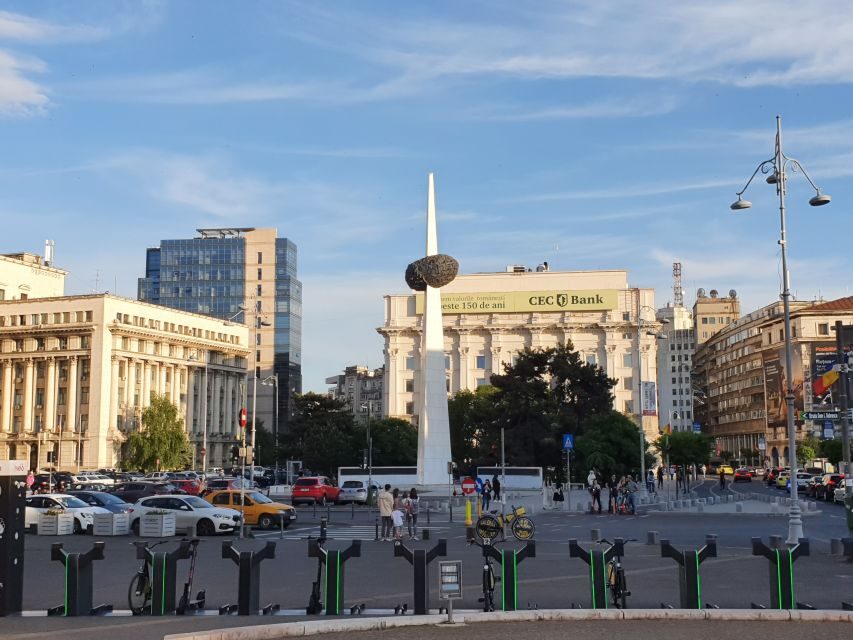
- Getting Oriented: Memorial of Rebirth and Revolution Square
- The 1989 Revolution Stops: Piața 21 Decembrie 1989
- Everyday Life Under Ceausescu: Rationing, Propaganda, and Fear
- Churches the Regime Tried to Forget: Michael the Voivode Church
- Piața Unirii to the Civic Centre Plan: Reading Socialist Realism
- Palace of the Parliament: A Monument Built for Control
- Finishing at Piața Constituției: What Sticks After the Walk
- Price and Value: Is $44 Fair for a 3-Hour Communist Bucharest Walk?
- Should You Book Relics of Communism?
- FAQ
- How long is the Bucharest Relics of Communism walking tour?
- What is the price per person?
- Where do I meet the guide?
- Is this tour walking only?
- How big is the group?
- What language is the tour guide speaking?
- What’s included in the price?
- Is hotel pickup or drop-off included?
- FAQ
- When should I cancel for a full refund?
- Can I reserve now and pay later?
Key things you’ll notice on the walk
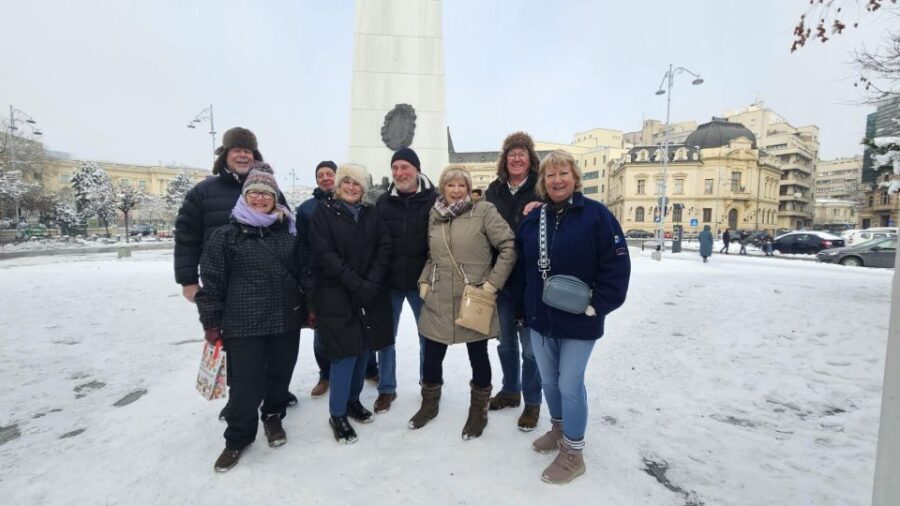
- Start at the Memorial of Rebirth, right in the heart of Revolution Square
- Ceausescu’s last speech location sets the tone for the 1989 Revolution story
- Socialist realism architecture shows how power tried to look permanent
- Hidden churches reveal religious life under pressure
- Palace of the Parliament gives you the clearest view of the state-as-monument idea
- Small group, English guide means you can ask questions and get straight answers
From Revolution Square to Power Buildings in 3 Hours
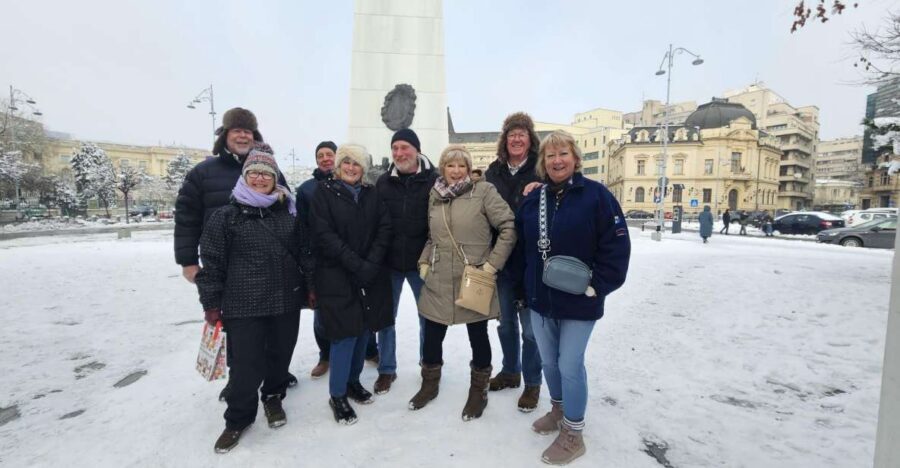
If you’ve ever looked at Bucharest and wondered why the city feels both grand and grim, this tour gives you a map for that mood. You start near the Memorial of Rebirth, then you follow the thread of 1989 and the communist system’s physical imprint across central Bucharest. It’s not just a history lesson. It’s a walking guide to how a regime built a stage—and how people lived when the curtain wouldn’t rise.
The “3-hour” part matters because it forces focus. You’ll spend enough time at each key stop to understand what you’re seeing, but you won’t be stuck all day in one theme. With a small group limited to 10 people, the guide can slow down when someone has a question about how things worked, not only what happened.
I also like that the tour doesn’t treat communism as an abstract past. The guide’s explanations aim at everyday reality: how rationing shaped habits, what propaganda did to public life, and why the black market became so important. Even if you know the basics of 1989, you’ll still get a clearer sense of what it meant to wake up under the system.
You can also read our reviews of more walking tours in Bucharest

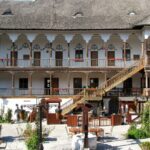
Getting Oriented: Memorial of Rebirth and Revolution Square
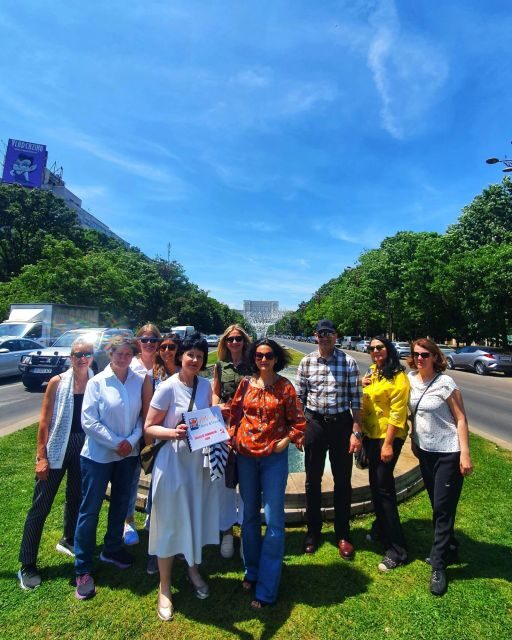
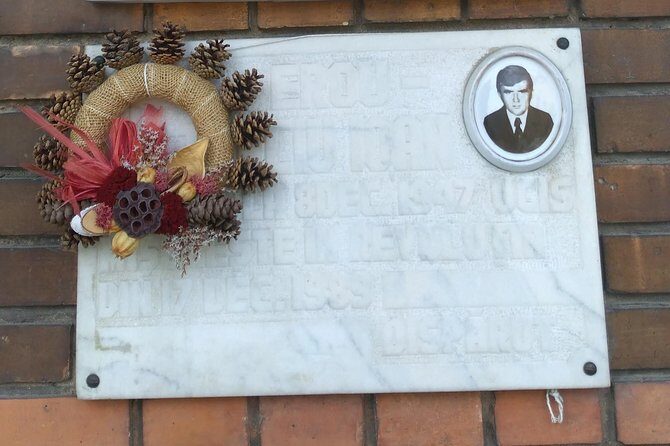
The tour begins at the Memorial of Rebirth in Revolution Square. This is a smart opening, because it’s already a public story of transformation: a place tied to the revolution and the shift from one political reality to another. From here, you’re not wandering randomly through the center. You’re following a deliberate route that connects location to meaning.
At Revolution Square, you’ll get a guided walkthrough (about 20 minutes) of why this area became a focal point. You’ll also stand in front of the balcony where Ceausescu held his last speech—a detail that turns the square from “just another landmark” into a scene with context. The guide’s job is to help you read the space: what the square represented, how the regime staged authority, and why the revolution’s story belongs here.
This is also where you learn the most useful practical skill for the rest of the walk: noticing contrast. Bucharest has elegant architecture, but you’ll start seeing how socialist planning pushed that elegance aside in favor of scale and control. Once you pick up that visual rhythm, the buildings you see later make more sense.
The 1989 Revolution Stops: Piața 21 Decembrie 1989
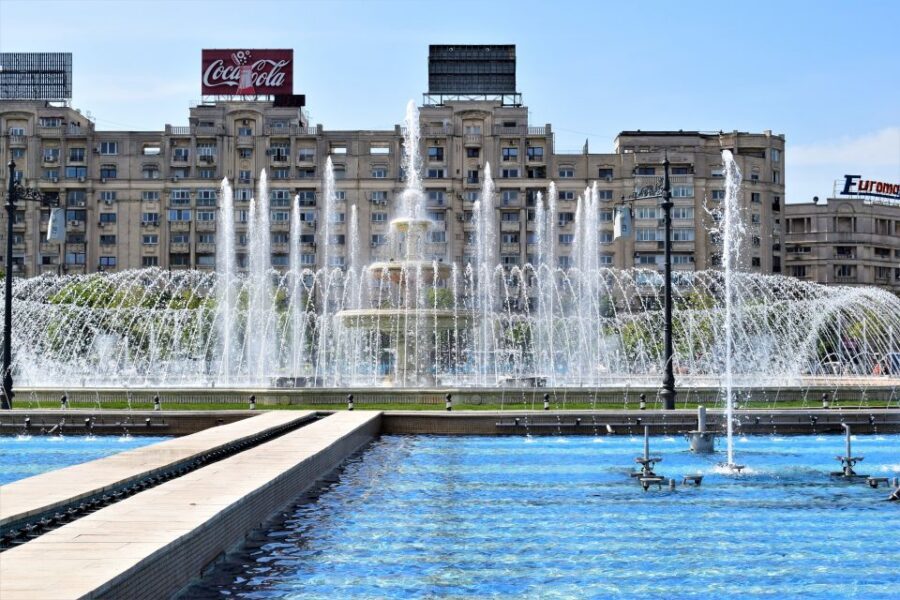
From Revolution Square, you move to Piața 21 Decembrie 1989 for another guided stop (around 15 minutes). This location keeps the revolution narrative anchored in the geography of the city. Instead of treating 1989 like a chapter in a book, you watch the guide connect dates to streets and squares.
What’s valuable here is the way the guide explains cause and effect. You don’t only hear the headline events; you hear how tensions built up, and how the revolution unfolded in the urban setting people actually navigated. The result is that the story feels real, not distant.
I also appreciated how the guide structure gives you time to ask questions. Several guides for this tour have been very interactive in past groups (names that have come up include Elena, Stefan, and Tudor). That matters because 1989 has a lot of details, and you’ll want to ask what led to what, or why certain decisions shaped the transition afterward.
Everyday Life Under Ceausescu: Rationing, Propaganda, and Fear
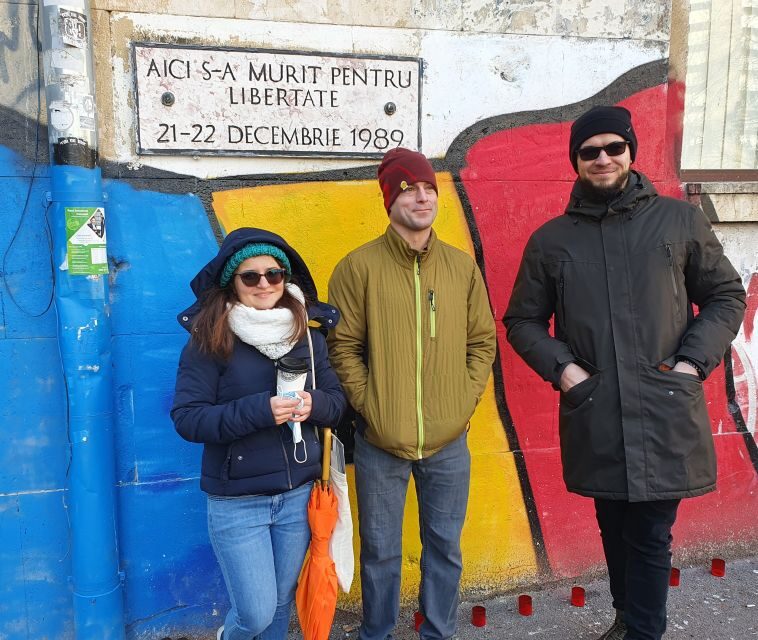
One reason this walk works so well is that it balances big political moments with the mechanics of daily survival. The tour covers what life could look like under Ceausescu’s rule, including ration cards, the black market, propaganda, and the secret police. You’ll hear how the system influenced choices that sound small—what you can buy, where you can get it, and what you risk by saying the wrong thing.
You don’t need to know Romanian politics ahead of time. The guide explains the logic behind the controls: why rationing created shortages you couldn’t solve by “wanting more,” why propaganda tried to manage how people thought and spoke in public, and why the secret police created a constant pressure even when nothing dramatic happened on the street.
This part is also a reality check for architecture. When you later see the huge official buildings, you’ll understand them less as random monuments and more as tools of state power—designed to project permanence when life felt uncertain. It’s the same theme, just on a different scale.
If you’re a person who likes understanding how people lived—food, shopping, fear, and work—you’ll probably feel more satisfied than if you only want famous names and dates.
Churches the Regime Tried to Forget: Michael the Voivode Church
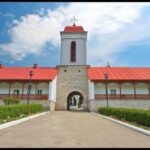
One of the more memorable shifts on the route is the stop at Michael the Voivode Church. This isn’t presented as a quick photo stop. It’s a guided visit (about 15 minutes) that connects religion to political pressure—specifically, the idea that communist authorities wished to erase or reduce what didn’t fit their control.
In a city shaped by Socialist realism, churches remind you that belief didn’t disappear just because the state said it should. The guide frames why these spaces mattered, and how religious life could survive in plain sight—even while being pushed into the margins.
This is also where the tour can feel more emotional than you expect. Past groups have described the visit as moving, especially for people who still remember that era. Even if you don’t have personal memories, you’ll likely feel the difference between a regime’s public face and the private endurance of everyday faith.
A few more Bucharest tours and experiences worth a look
Piața Unirii to the Civic Centre Plan: Reading Socialist Realism
As you head toward Piața Unirii (guided for about 15 minutes), you start seeing the “city planning” side of communism. Bucharest’s communist-era expansion and development leaned heavily into Socialist realism, aiming for an aesthetic that looked orderly, monumental, and aligned with power.
At this stage, the guide helps you interpret what you’re seeing instead of just naming it. You’ll learn how the elegant parts of the city contrast with communist apartment blocks and the broader sense of grand planning. This isn’t only about taste; it’s about politics. Socialist realism wasn’t just art. It was a statement about how life should be arranged—and who decided that.
The Civic Centre Project comes into the story here too, setting up what you’ll see at the Palace later. You’ll understand that these buildings weren’t only meant to function. They were meant to declare authority at street level.
Palace of the Parliament: A Monument Built for Control
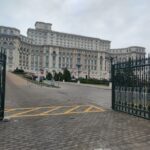
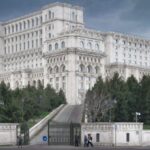
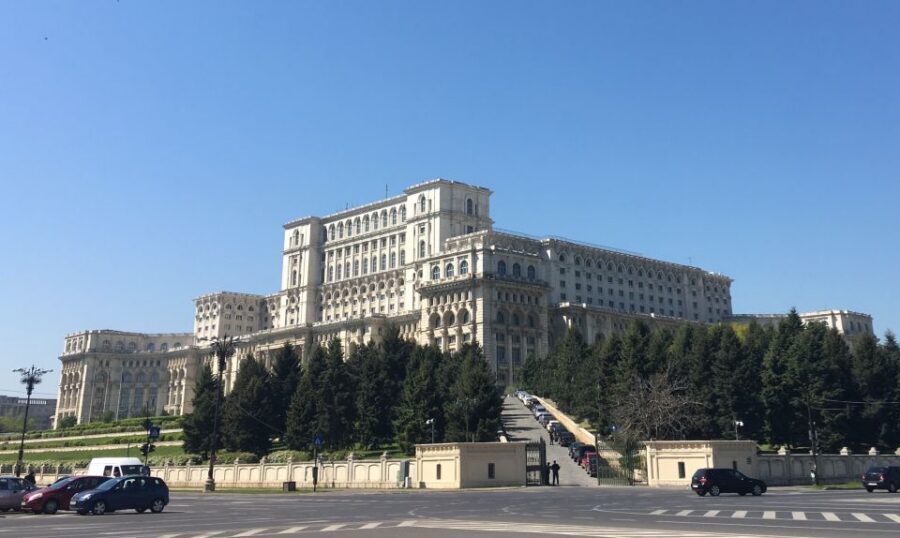
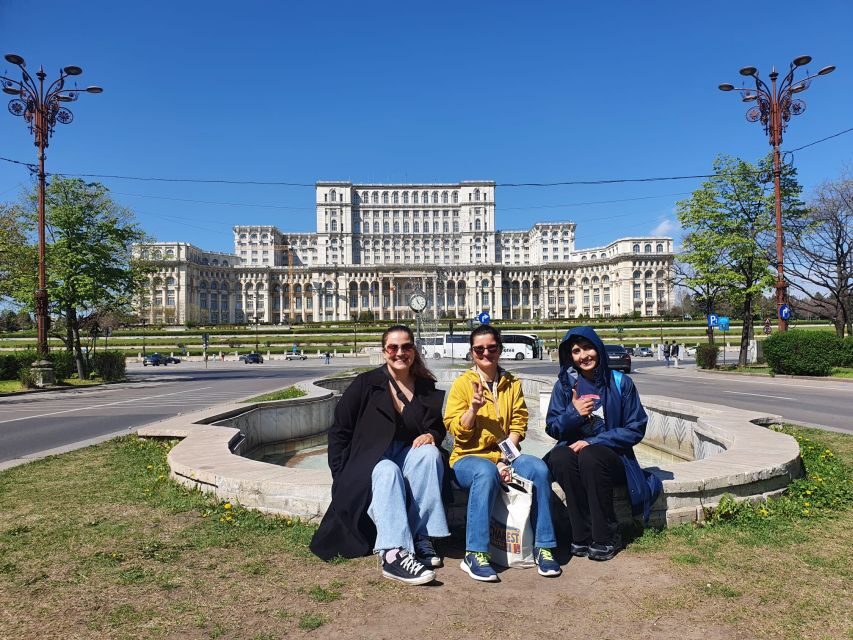
The walk’s biggest architectural anchor is the Palace of the Parliament, where you’ll get a guided stop (about 20 minutes). Even if you’ve seen photos, it hits differently when you hear the context first. This place was designed as the absolute center of power, and the guide makes that idea concrete.
What you’ll take away is how regimes build authority into stone. The Palace isn’t just impressive by size—it’s meant to look like the state will never be challenged. Standing nearby and learning the reasoning behind its creation helps you connect the political ideology to the physical world you’re walking through.
This is also a good moment to let the tour’s earlier themes sink in. When you connect rationing and propaganda to these massive public projects, the contrast becomes clearer. The state spent huge effort showing permanence, while many people experienced instability in daily life.
One practical note: because the Palace is a landmark with high expectations, it helps to arrive with the right mindset. Instead of asking only What is this building? you’ll get more from asking Why was it built this way? The guide’s explanations are geared for that.
Finishing at Piața Constituției: What Sticks After the Walk
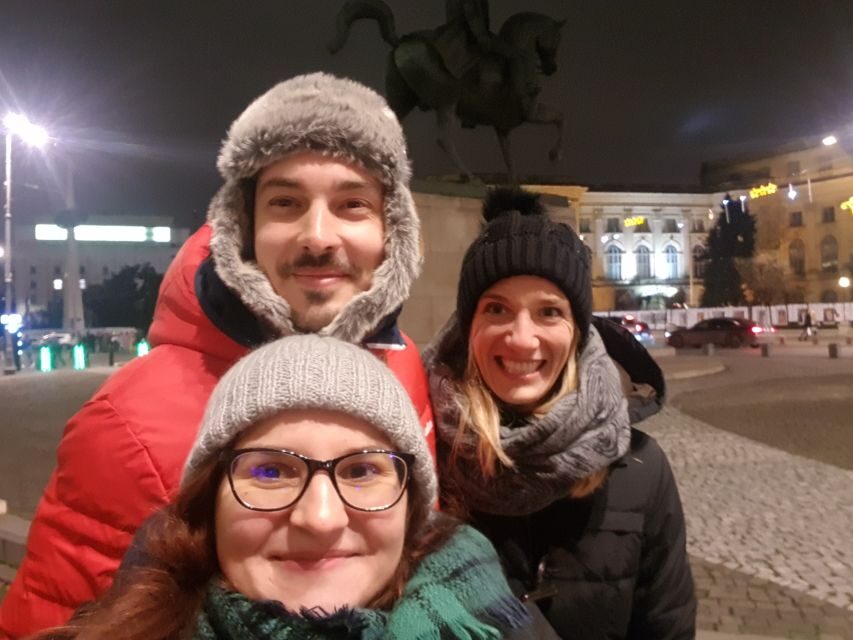
The tour ends at Piața Constituției, and that final step is useful because it closes the loop from revolution to the post-communist civic idea. By now, you’ve seen the major sites that explain both the regime’s confidence and the revolution’s rupture.
You also get a small souvenir included: a Romanian snack. It’s a nice touch because it brings you back to everyday life—food, not ideology. And if you’ve been thinking about ration cards and the black market, a snack feels like a gentle reminder that daily needs always matter.
If your brain tends to remember visuals more than dates, this route is likely to stick with you. You’ll walk away with a set of concrete images: squares tied to 1989, the pressure of monumental architecture, and churches showing endurance.
Price and Value: Is $44 Fair for a 3-Hour Communist Bucharest Walk?
At $44 per person for a 3-hour English-language walking tour, the value mostly comes from two things: time and the guide. You’re not paying just for a list of stops. You’re paying for guided explanations at multiple locations tied to the revolution, Socialist realism, and religious survival.
The small group limit (up to 10) matters too. When your guide can actually hear your questions, you get less canned lecturing and more real dialogue. Past groups have specifically praised guides such as Elena, Stefan, and Tudor for detailed answers and a relaxed pace, with time to sit with the information instead of rushing past it.
A possible drawback is that you won’t get hotel pickup. So factor in time to get to the Memorial of Rebirth on your own. If you can handle that, $44 tends to feel like a fair price for a tour that explains how the city works, not only what it used to be.
Should You Book Relics of Communism?
Book it if you want Bucharest to make sense at ground level. This tour is a great fit if you’re curious about how 1989 played out in real places, and how communist planning shaped architecture, religion, and daily life. The small group and strong English guidance make it especially good if you like asking follow-up questions.
Skip it—or at least pair it with lighter sightseeing—if you prefer upbeat themes only. This is a story about control, fear, propaganda, and a system that shaped what people could do every day. It’s worth it for many people, but it’s not a casual stroll.
FAQ
How long is the Bucharest Relics of Communism walking tour?
It lasts 3 hours.
What is the price per person?
The price is $44 per person.
Where do I meet the guide?
Meet your guide at the Memorial of Rebirth in Revolution Square.
Is this tour walking only?
Yes, it is a 3-hour walking tour.
How big is the group?
It is a small group limited to 10 participants.
What language is the tour guide speaking?
The live tour guide speaks English.
What’s included in the price?
You get the walking tour with an English guide and a Romanian snack souvenir.
Is hotel pickup or drop-off included?
No, hotel pickup and drop-off are not included.
FAQ
When should I cancel for a full refund?
You can cancel up to 24 hours in advance for a full refund.
Can I reserve now and pay later?
Yes. You can reserve now and pay nothing today.