REVIEW · BUCHAREST
Walking tour of Bucharest
Book on Viator →Operated by Mihnea Toncescu · Bookable on Viator
Bucharest tells stories on foot. This 3 to 4 hour walking tour strings together cultural landmarks you can actually walk up to, with commentary that explains what you’re seeing and why it matters. I especially like the guide-led pacing and the way the group keeps moving through the city core, rather than stopping for long stretches you could skip. One thing to consider: it’s built around walking outdoors and around parks, so come ready for the day’s weather and don’t plan on lots of museums.
Two details make it feel like strong value for first-timers: the stops are mostly ticket-free as listed (including the reception hall visit when the French Institute is open), and you get a professional guide for the whole route. With a maximum of 50 people, you should still get a real conversation level. If you’re the type who wants only the biggest “postcard” sights with lots of indoor time, this route leans more local and neighborhood-focused than headline-only.
In This Review
- Key highlights you’ll care about
- First Steps at the French Institute on Boulevardul Dacia
- Parcul Ion Voicu: Where Bucharest’s Growth Started
- Gradina Icoanei Next to Ioanid Park: A Green-Space Contrast
- Biserica Icoanei: A Lesser-Known Church With a Big Role
- What you actually get from the guide (and why it matters)
- Price and time: is $24.19 worth your half-day?
- Where to meet, how to plan your day, and what to pack
- Who should book this Bucharest walk (and who might not)
- Should you book this Bucharest walking tour?
- FAQ
- What time does the tour start?
- Where is the meeting point?
- How long does the walking tour last?
- What language is the tour offered in?
- Are there entrance fees for the stops?
- What’s included in the price?
- How many people are in the group?
- Can I cancel for a full refund?
- Is the tour suitable for most people and are service animals allowed?
Key highlights you’ll care about
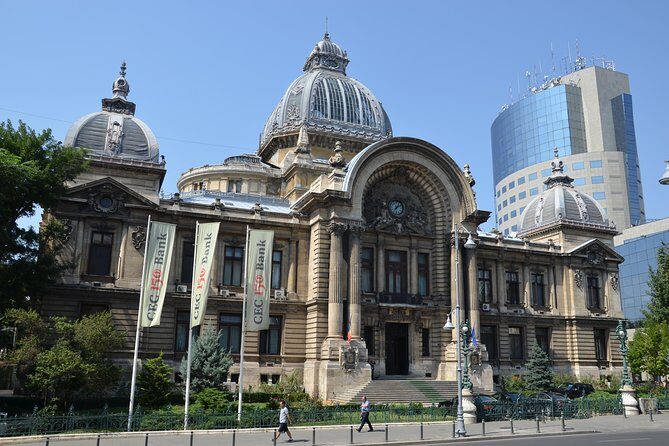
- French Institute inside (when open): A chance to see the Reception Hall and exhibitions on working days.
- Parcul Ion Voicu’s housing story: You’ll connect today’s streets to early 1900s urbanization and hear about notable homes.
- Gradina Icoanei beside Ioanid Park: A park-to-park feel with a change in atmosphere, not just one generic green space.
- Biserica Icoanei as the former center: A church with architecture and an “once most important” role in its area.
- Guide quality, not just facts: The tour is repeatedly praised for a passionate, humorous host and strong city knowledge.
- Good value at $24.19: Professional guidance for hours, with multiple stops listed as admission-free.
First Steps at the French Institute on Boulevardul Dacia
The tour starts at the French Institute in Romania (Bulevardul Dacia 77) at 10:00 am, and that’s a smart opener. It sets a tone: you’re not just wandering; you’re learning how Bucharest layers cultures and institutions side-by-side.
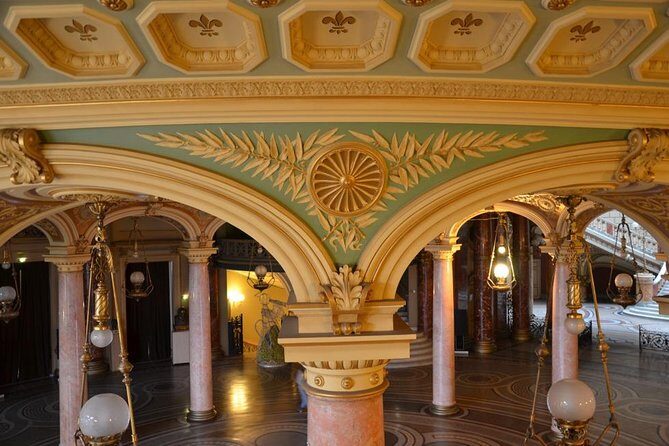
On working days, you may get a look inside the Reception Hall. That matters because seeing the interior (even briefly) helps you understand the building as more than an address. The stop is also listed as free, which keeps the day easy to plan—no surprise tickets at the first moment of the walk.
If it isn’t a working day, don’t worry about it being a wasted start. This tour is built so that the key benefit isn’t one single room—it’s the guide’s narrative that carries you from point to point.
You can also read our reviews of more walking tours in Bucharest


Parcul Ion Voicu: Where Bucharest’s Growth Started
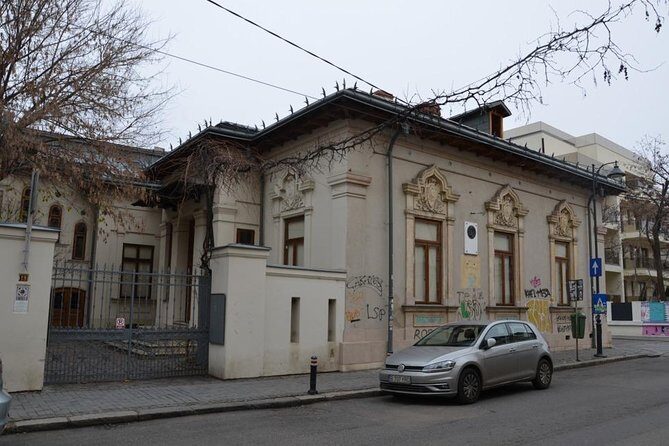
Next you head to Parcul Ion Voicu, where the storytelling shifts from institutions to everyday streetscape. The big idea here is timing: urbanisation in Bucharest started in this area at the end of the 19th and beginning of the 20th century.
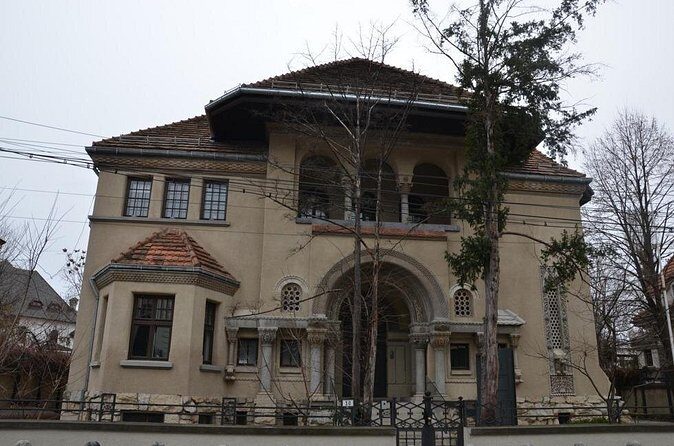
That one detail changes how you look at what’s around you. Instead of seeing houses as just houses, you’re prompted to notice how the area developed when Bucharest was expanding and redefining itself. The tour focuses on nice houses and the interesting histories behind them, which is exactly what walking tours can do well—turn architecture into context.
One practical note: parks and residential edges can mean uneven sidewalk bits and changing light. Wear shoes you’d be comfortable walking for a while, because you’ll be moving through an area that’s meant for strolling, not for quick photo stops only.
Gradina Icoanei Next to Ioanid Park: A Green-Space Contrast
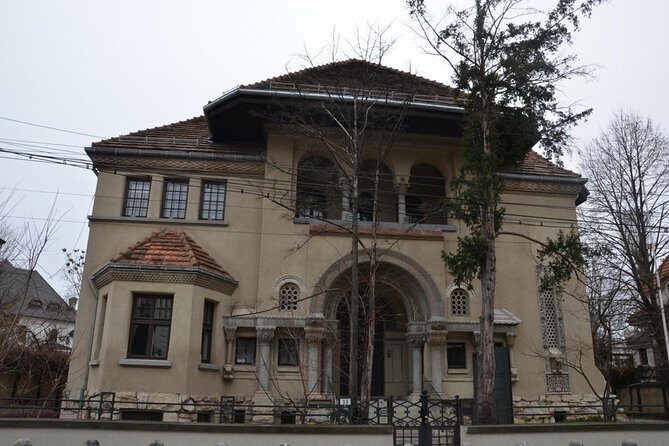
After Parcul Ion Voicu, you transition to Gradina Icoanei, which is described as being next to Ioanid Park. I like this kind of stop because it breaks the day’s visual rhythm. You’re not just repeating the same kind of green—Gradina Icoanei is presented as somewhat different, so your guide can point out how the neighborhood mood changes from one park edge to another.
This is also where the tour works for people who love “small discoveries.” You won’t be forced into a strict checklist of attractions. Instead, you get guided attention: what this area feels like, how it functions as part of the neighborhood, and how it fits into the larger story the guide is building.
If you’re taking photos, this is a good moment to do it slowly. The best shots usually come when you pause long enough to notice the relationship between paths, buildings in the distance, and the way the parks sit alongside the city.
Biserica Icoanei: A Lesser-Known Church With a Big Role
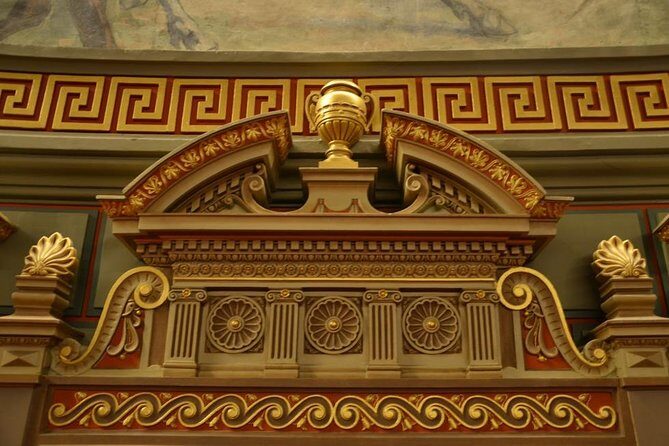
The final featured stop is Biserica Icoanei, a church with an interesting history and architecture worth watching for. The tour frames it as a lesser known church in Bucharest, which is my favorite kind of ending: you finish with something meaningful that isn’t instantly familiar to everyone.
The key context is clear. Biserica Icoanei is described as once the most important church of the area. That detail helps you read the building. It’s not just pretty stone; it’s a former center, tied to how people organized community life here.
You’ll also hear that it brings nice architecture into the surroundings. That’s important on a walking tour: churches often act like anchors. They give the neighborhood a “before and after” feeling—especially when you’re pairing them with park edges and early 1900s neighborhood growth.
At the end, the tour returns to the start point—so you’re not left stranded in the middle of the neighborhood. It’s an easy way to make a half-day feel complete.
What you actually get from the guide (and why it matters)
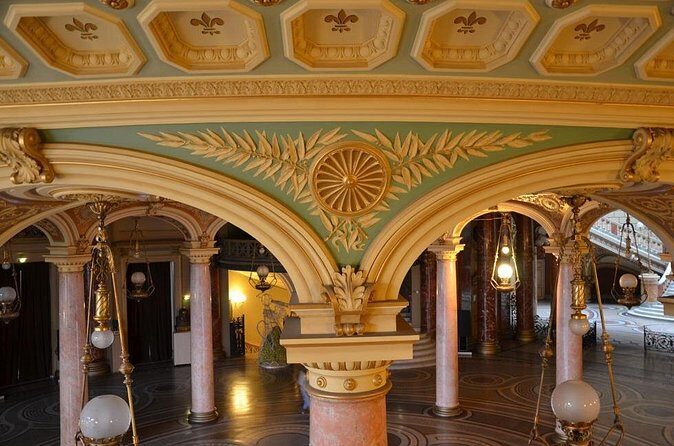
A walking tour succeeds or fails on guidance, and this one has a clear pattern in how people describe it: the host is praised for strong city knowledge and a lively style.
One review highlights a guide named Mihai as passionate, very erudite, and with excellent French and humor—exactly the kind of storytelling that turns architecture into something you can remember. Another review credits the host with wonderful knowledge and notes that the walk covers enough of the city core to spot varying architecture and history as you go.
You can think of the professional guide as your translation layer. Without a guide, parks and churches can blur into “stuff you saw.” With the guide, you start linking streets, buildings, and public spaces to the way Bucharest developed over time.
And because this is offered in English, it’s a good option if you want history and culture explained without language friction. The tour also notes that it may be operated by a multi-lingual guide, which can add flexibility to the storytelling if you ask questions.



Price and time: is $24.19 worth your half-day?
Let’s talk value, not just cost.
At $24.19 per person for 3 to 4 hours, the price is reasonable for three reasons:
- You’re paying for guided time, not just admission to one attraction. The guide keeps the pacing, connects stops, and gives you context as you walk.
- Stops are listed as free where applicable, including the parks and the church. That means you’re not paying extra on top of the tour for basic access.
- The group size is capped at 50 travelers, and that’s usually enough to keep things friendly without turning the experience into a conga line.
What’s not included is also straightforward: food and drinks aren’t part of the price, and entrance tickets are only mentioned as free where applicable. Practically, that means you should plan to add a meal or snack before or after.
Where to meet, how to plan your day, and what to pack
The meeting point is French Institute in Romania, Bulevardul Dacia 77, București 020051, and the tour ends back there. With a 10:00 am start, you’ll likely want to build in buffer time so you’re not arriving rushed.
A few planning tips that fit what this tour offers:
- Bring comfortable walking shoes. You’ll be out for several hours and moving between parks and a church.
- Bring water. It’s not included, and you’ll feel better if you can sip along the way.
- Use the mobile ticket. The tour includes a mobile ticket option, so have your phone ready.
- Check transit. The start point is listed as near public transportation, so you can keep your schedule flexible.
Because this is booked on average about 16 days in advance, you’ll often be safer planning ahead, especially if you’re traveling during busier periods.
Who should book this Bucharest walk (and who might not)
This tour is a great match if you’re:
- A first-time visitor who wants a guided start and city context without a massive time commitment.
- Someone who likes architecture and neighborhood character, especially when the story connects housing, parks, and religious buildings.
- A culture enthusiast who enjoys the less obvious corners—like a lesser known church—as much as famous landmarks.
You might consider a different style tour if you:
- Want a strictly “top attractions only” route with lots of major museums.
- Prefer long indoor segments and minimal walking.
- Are traveling on a day when rain or heavy wind would make walking parks unpleasant.
Should you book this Bucharest walking tour?
I’d book it if you want an efficient, guided way to understand Bucharest through parks, houses, and church architecture, with a host who’s known for strong knowledge and humor. At $24.19 and with multiple stops listed as admission-free where applicable, it’s also a sensible choice if you’d rather spend your budget on local food than tickets.
You’re also getting a well-structured half-day: start at the French Institute, move through Parcul Ion Voicu and Gradina Icoanei, then finish at Biserica Icoanei—back where you started. That makes it easy to plug into your schedule.
If you like the idea of learning how a city grew, not just collecting photos, this one fits.
FAQ
What time does the tour start?
It starts at 10:00 am.
Where is the meeting point?
The meeting point is French Institute in Romania – Bucharest, Bulevardul Dacia 77, București 020051.
How long does the walking tour last?
It lasts about 3 to 4 hours.
What language is the tour offered in?
It’s offered in English.
Are there entrance fees for the stops?
The stops are listed with admission tickets free (where applicable), and entrance tickets are not included separately.
What’s included in the price?
A professional guide is included.
How many people are in the group?
The tour has a maximum of 50 travelers.
Can I cancel for a full refund?
Yes—free cancellation is offered. You can cancel up to 24 hours before the experience for a full refund.
Is the tour suitable for most people and are service animals allowed?
The tour states most travelers can participate, and service animals are allowed.