REVIEW · BRASOV
Secrets of the Citadels: Brașov, Viscri, Sighișoara and Sibiu
Book on Viator →Operated by Tailored Adventures · Bookable on Viator
Three towns, one long day, big payoff. This private Secrets of the Citadels trip is interesting because it packs Sighișoara and Sibiu together, so you save time in Romania and don’t burn a day hopping between cities. I also love the way Valentin turns long drives into something useful, with clear explanations, smart conversation, and plenty of time to wander on your own instead of feeling herded.
The main drawback is simple: it’s a full day. Expect roughly 8 to 10 hours, with road time and moderate walking, and if you want a slow, relaxed pace, you may feel the schedule is tight.
In This Review
- Key points before you go
- Why this route saves your time in Transylvania
- From Brașov to Rupea Citadel: start with the oldest feel
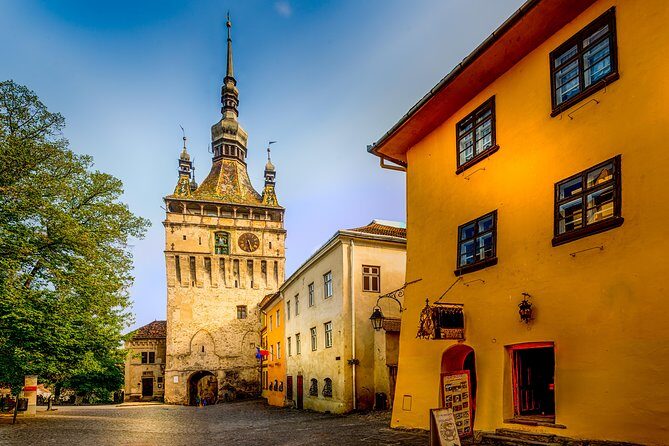
- Sighișoara: cobbled streets, the Clock Tower, and the Vlad connection
- Viscri: a protected Saxon village and a church you can’t miss
- Sibiu: squares, Saxon roots, and the Bridge of Lies
- How the pacing works: guided time plus real free wandering
- Guide-led conversations that make the history stick
- Price and value: $120.68 per person, built around time saved
- Practical planning: what to bring and how to stay comfortable
- Who should book this tour, and who might skip it
- Should you book Secrets of the Citadels from Brașov?
- FAQ
- FAQ
- How long is the tour?
- Where does the tour start and end?
- Is pickup available?
- Which destinations are included?
- Are entrance tickets included?
- Is food included?
- What language is the tour in?
- Is this a private tour?
- Do I need good weather?
- What level of walking is expected?
Key points before you go
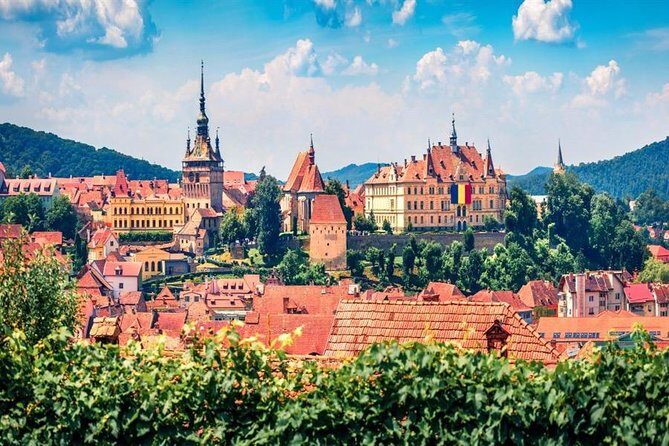
- Maximize Transylvania in one day: You tick off major stops like Sighișoara and Sibiu without juggling multiple trips.
- Rupea Citadel adds a real early-history anchor: You start the day with an older fortress site that sets context for the rest.
- Private guide attention: Your guide can answer questions in the moment and adjust the flow to your pace.
- A good mix of guided stops and free time: You get orientation, then time to explore streets and squares at your own speed.
- Family-friendly in motion: People with slower walking speeds have still found it manageable thanks to the drive-and-walk rhythm.
- Weather matters for comfort: Rain can affect how pleasant city strolling feels, so bring a light rain layer.
Why this route saves your time in Transylvania
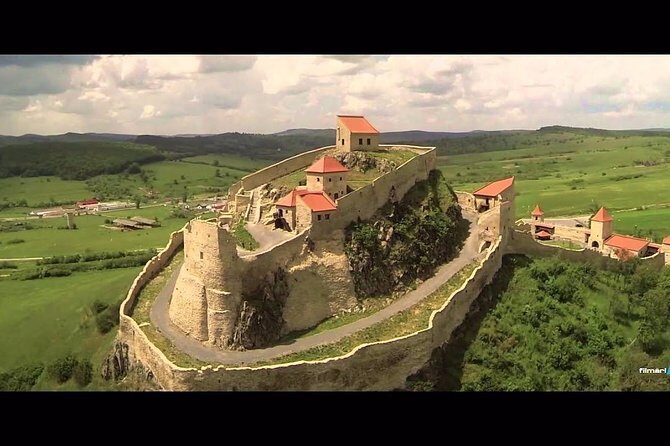
If you’re basing yourself in Brașov, this is one of the most time-efficient ways to see the Saxon-flavored heart of Transylvania. Sighișoara and Sibiu both have old-town cores that are best enjoyed by walking slowly, but they’re not close enough to do comfortably on foot. Putting them into one day means you get the medieval atmosphere without turning your trip into constant transit.
I also like that the day doesn’t feel like a checklist. Your guide gives you the storyline—why these towns matter, how Saxon settlers shaped local life, and what you’re looking at—then you get time to absorb it your way. The result is that your photos and your memory make more sense. You’re not just collecting sights. You’re getting the thread connecting them.
One more practical win: you can ask questions that matter to you—food, culture, how everyday life changed over time—and the guide can steer the conversation. In a place like Transylvania, those small context pieces are what turn architecture into a story you can actually follow.
You can also read our reviews of more tours and experiences in Brasov.

From Brașov to Rupea Citadel: start with the oldest feel
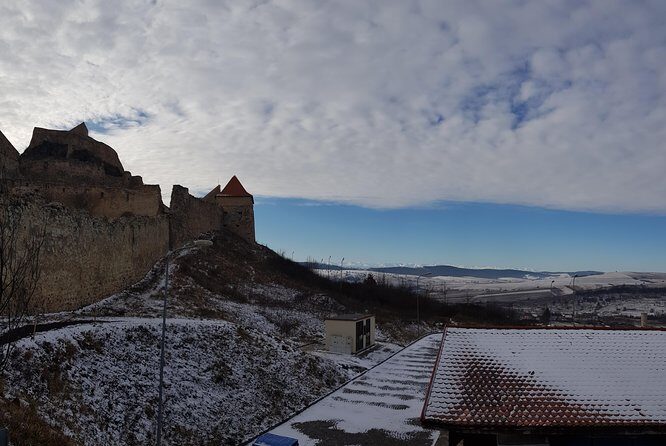
A lot of the emotional punch of this day comes early. Before you reach the famous towns, you visit Rupea Citadel (often described as Rupea fort). It’s one of Romania’s older sites, and it helps you frame what you’re seeing later in Sighișoara and Sibiu: fortified settlements weren’t just for drama. They were for survival, trade, and control.
You’ll also get those Carpathian views from the car, and they help with the mental reset. Several guides and guests emphasize that the drive itself is part of the experience—some days you might even see horse-drawn wagons sharing the road, which gives the countryside a slower, older rhythm.
If you’re the type who likes to understand the “why” before the “what,” this early fortress stop is a smart move. You go into the medieval towns already warmed up to the concept of walls, defense, and commerce.
Sighișoara: cobbled streets, the Clock Tower, and the Vlad connection
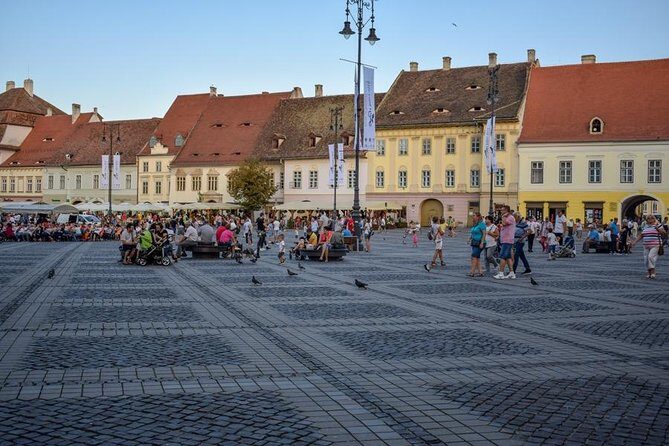
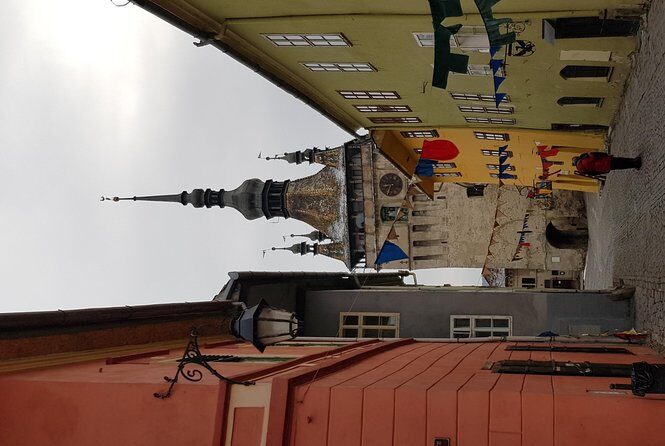
Sighișoara is one of those towns where you feel history under your feet, even when you’re just walking to a viewpoint or stopping for a photo. It’s a UNESCO World Heritage Site and it’s often praised as one of the best-preserved medieval towns in Europe. The big visual markers are its cobbled streets, colorful historic houses, and the iconic Clock Tower.
The guide time here matters. You’ll get a quick foundation: Sighișoara was founded by Transylvanian Saxons in the 12th century, and it has a layered mix of Gothic, Renaissance, and Baroque architecture. That blend is why the town doesn’t look frozen in time—it looks like it kept growing and adapting.
Then there’s the Vlad Țepeș angle. Sighișoara is linked to the birthplace of Vlad Țepeș, known through the Dracula legend. Even if you’re not a full-on horror fan, it’s a useful story anchor because it connects medieval politics, local legends, and how later generations shaped the myth.
Practical tip: plan your own wandering time. Once you get your bearings, you’ll want to slow down in the lanes. The town is compact, but steep spots and cobblestones mean you’ll move at a different pace than you do in a modern city.
Viscri: a protected Saxon village and a church you can’t miss
Viscri is the kind of stop that changes the mood of the day. While the other towns are more about town squares and urban life, Viscri is about a preserved rural landscape and Saxon heritage. It’s also a UNESCO World Heritage Site.
The highlight is the fortified church dating back to the 12th century. This isn’t just an attractive building. It’s a symbol of how communities organized themselves for safety and identity over centuries. If you like architecture with function, you’ll appreciate the way the church and its fortifications communicate purpose.
This village also has a modern celebrity connection. King Charles III owns a restored house here and supports preservation, and that blue house is open to the public. Even if you don’t plan to enter every building, the fact that preservation has ongoing support makes the story feel alive, not just historical.
Timeline-wise, Viscri is shorter than the other two towns, so it’s more of a focused visit than a long sit-down. If you’re hoping for a long lunch and a leisurely pace, you might need to build that into your free time, and keep expectations realistic for an 8 to 10 hour day.
Sibiu: squares, Saxon roots, and the Bridge of Lies
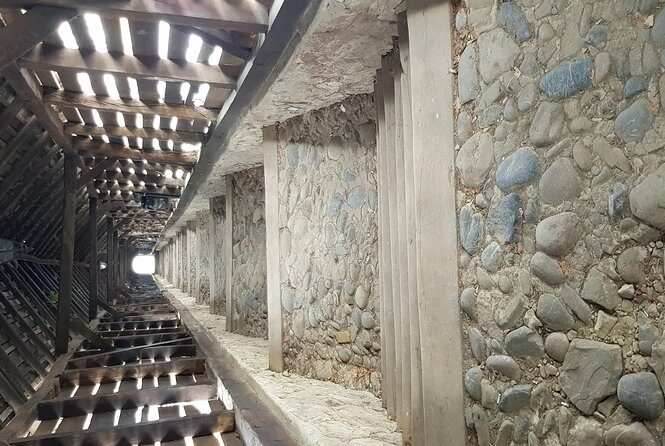
Sibiu can feel like Transylvania’s cultural meeting point. Founded by Saxons in the 12th century, it grew into a major trade and cultural center. Today, the historic center is UNESCO-listed, and you’ll notice it in the big squares, churches, and the softer pastel facades.
Your guide will likely point out the major landmarks, including Brukenthal Palace and the Bridge of Lies. That bridge name gets attention for a reason: it adds a playful layer to an otherwise serious medieval setting. It’s also the kind of landmark you’ll want to photograph from a couple angles, because it changes with the light and the crowds.
Sibiu was European Capital of Culture in 2007, which helps explain why the town doesn’t feel only historical. You can sense the ongoing arts energy even while walking through older neighborhoods.
One detail to keep an eye out for: some guides include time for local church features like the Evangelical Cathedral area, where gravestones are set into walls. It’s memorable because it’s both unusual and very practical—grave spaces become part of how the building is used and understood.
Weather note: Sibiu can get rainy. If it rains, treat your time here as an opportunity to duck into churches and enjoy the quieter parts of the old center. A small rain jacket and shoes that grip cobblestones make a big difference.

How the pacing works: guided time plus real free wandering
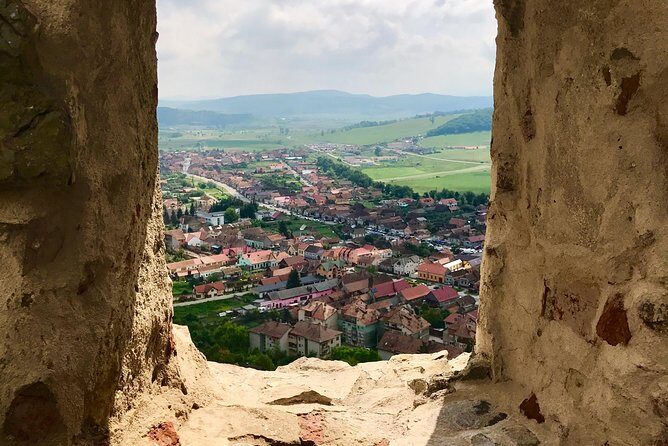
This tour model is basically a win-win if you like structure but hate rushing. You get orientation at each major stop, and then you’re released for exploration. That’s a key reason the day feels satisfying even though it’s long. You’re not just listening in a car for hours and then sprinting through sights.
You’ll likely spend about 2 hours in Sighișoara and about 2 hours in Sibiu, plus around 1 hour in Viscri. Add driving time and the Rupea Citadel visit, and that’s why it stretches to the full day.
This pacing also works well for mixed groups and different walking styles. There’s room to move slowly if you need it, because the time isn’t designed around constant back-and-forth. You’re not stuck keeping pace with a long line of strangers.
That said, do go in with the right mindset. If you want to do every museum and every church interior in detail, you’ll be pressed for time. This is better described as a strong highlights day with room for personal wandering, not a deep-study scholarship day.
Guide-led conversations that make the history stick
One of the most praised parts of the experience is your guide’s personality and approach. Valentin, in particular, stands out in multiple write-ups for being personable, punctual, patient, and highly engaged. He’s also described as having worked on cruise ships, which shows up in the way he can handle conversation and translate complex topics into normal everyday language.
Several people specifically call out the car videos and explanations during the drives. The content ranges from Romania’s history and world events to lighter moments. That matters more than it sounds. When you’re on a long route through the Carpathians, the drive can either feel like dead time or a warm-up for what you’ll see next.
You’ll also get practical help: recommendations for what to look for, and how to plan your time once you’re on foot. A good guide doesn’t just explain the building. He helps you understand what to ignore, where to take a breather, and what’s worth your limited daylight.
If you’re a questions person, this is one of those tours where questions actually get answered. That alone can turn a “one-day sightseeing” outing into a day you remember for the stories, not just the stamps in your passport.
Price and value: $120.68 per person, built around time saved
At about $120.68 per person, this isn’t a cheap hop-by-hop bus deal. But it’s also not priced like a slow private tour that only hits one town. The value logic here is pretty clear: you’re paying for a private guide experience and efficient routing so you can cover multiple major destinations in one day.
You also get time planning benefits. A guided orientation at each stop saves you from the guesswork of self-guided history context. And since the tour can be booked in advance (often about 45 days out on average), you’re more likely to fit it into your schedule rather than gambling on last-minute availability.
Included value points you should notice:
- Private tour guide service is included (with local tour parts excluded where local guides operate)
- Pickup can be arranged (send your hotel address 1 day prior)
- The tour includes mobile ticket support
- Group discounts are available
- It’s conducted in English
Not-included costs are where you should focus your budgeting:
- Food and drinks aren’t included
- Entrance tickets are listed as not included, even though the stop notes show admission ticket free at the main sights. In real life, that can mean different things for different sites, so it’s smart to carry some cash just in case something unexpected is offered on-site.
Overall, the price makes sense if you want maximum coverage and a guide who turns travel time into story time.
Practical planning: what to bring and how to stay comfortable
This is a long day with a mix of driving and walking. You should treat it like a day hike plus museum wandering, not like a quick coffee trip.
What helps most:
- Comfortable shoes for cobbled streets
- A light rain layer, especially for Sibiu
- A small day bag for water and basics (food isn’t included)
- A charged phone/camera, since the towns are photo-friendly
Also, remember the end point returns to the meeting area in Brașov. Still, some people report that drop-off arrangements in Sibiu were possible, so if that matters to you, ask your provider before the day.
Finally, aim for moderate physical readiness. The tour is described as suitable for moderate fitness, and that matches the reality: some walking on uneven ground and a bit of climbing in medieval streets.
Who should book this tour, and who might skip it
This tour is ideal if:
- You want to see Sighișoara and Sibiu without turning your trip into two separate days
- You like historical context alongside walking time
- You value a private, English-speaking guide and a conversational style
- You’d rather ask questions than search for answers on your phone all day
You might skip it if:
- You want a very slow pace and a lot of museum interiors
- You’re highly sensitive to long road time
- You’re traveling with a very limited ability for walking on uneven surfaces
If you’re short on time and want a strong overview with good guidance, this fits well.
Should you book Secrets of the Citadels from Brașov?
I’d book it if your priority is efficient coverage plus a guide who makes the day feel human. The standout strength is the balance: you’re not just transported between pretty places—you get the “what am I looking at” context in real time, and then you can wander without feeling lost.
If you can handle a long day, bring good shoes, and accept that you’re doing a highlights loop rather than a deep-dive into every building, this is a smart use of your time in Romania.
FAQ
FAQ
How long is the tour?
It runs about 8 to 10 hours.
Where does the tour start and end?
It starts at Bulevardul Gării, Brașov 500218, Romania, and it ends back at the same meeting point.
Is pickup available?
Pickup is offered. You’ll need to email your hotel address 1 day prior to the tour departure.
Which destinations are included?
You’ll visit Sighișoara, Viscri, and Sibiu, with Rupea Citadel included as part of the day.
Are entrance tickets included?
Entrance tickets are listed as not included. At the same time, the stop notes indicate admission ticket free for certain sites, so it’s worth being ready for possible on-site costs.
Is food included?
No. Food and drinks are not included.
What language is the tour in?
The tour is offered in English.
Is this a private tour?
Yes. It’s a private tour/activity, and only your group participates.
Do I need good weather?
Yes, the experience requires good weather. If it’s canceled due to poor weather, you’ll be offered a different date or a full refund.
What level of walking is expected?
It’s described as suitable for travelers with a moderate physical fitness level.