REVIEW · BUCHAREST
Slavery in Romania Myths and Truths About Gypsies
Book on Viator →Operated by BucharestGuide · Bookable on Viator
A walk through Bucharest can change how you see history. This 3-hour tour tackles myths and truths about Roma and slavery in Romania by tying the story to real landmarks and real people. I liked how the route uses big public buildings and statues to make the ideas feel grounded, not abstract, and then lands at Mesteshukar ButiQ [MBQ] for handcrafted work you can actually take home.
One thing to plan for: the tour includes heavy material related to WWII, including The Forgotten Holocaust, so come ready for an emotional topic—not just sightseeing.
In This Review
- Key highlights before you go
- The point of this tour: myths, slavery, and what you can verify in the street
- Romanian Athenaeum: the arts stop that makes history feel real
- Iuliu Maniu statue: politics and names you can connect to the story
- Palatul Stirbei: 19th-century power you can picture
- Cismigiu Park: a relaxed walk that still carries meaning
- Gheorghe Lazăr National College: education as the key
- Holocaust Memorial: The Forgotten Holocaust and the Roma story in WWII
- Piața Mihail Kogălniceanu: a writer who spoke early
- Mesteshukar ButiQ [MBQ]: supporting Roma artisans with context
- Price and what you actually get for about $127
- Getting ready: start time, route rhythm, and what to pack
- Should you book this Bucharest tour?
- FAQ
- How long is the tour?
- Where does the tour start and end?
- Is the tour offered in English?
- What’s included in the price?
- What is not included?
- How large is the group?
- What’s the cancellation policy?
Key highlights before you go
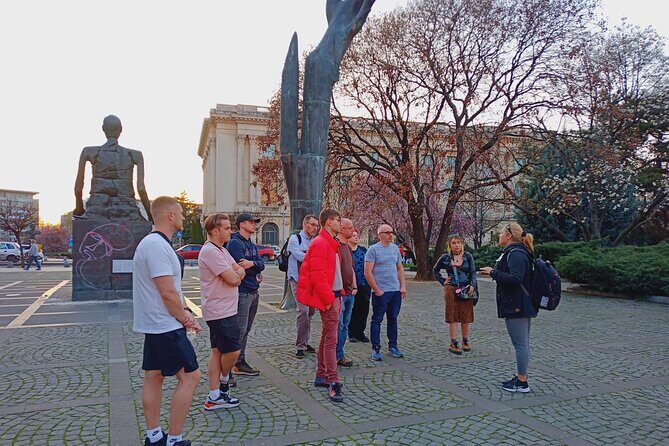
- Romanian Athenaeum sets the tone with culture and public memory, right at the start
- Iuliu Maniu statue connects political change in Romania to the Roma story
- Cismigiu Park stops mix a calm walk with older ruins, viewpoints, and school landmarks
- Gheorghe Lazăr National College keeps the focus on education as a turning point
- Holocaust Memorial for Roma brings WWII context and the idea of The Forgotten Holocaust into view
- Mesteshukar ButiQ [MBQ] ends the tour with handcrafted Roma culture you can support directly
The point of this tour: myths, slavery, and what you can verify in the street
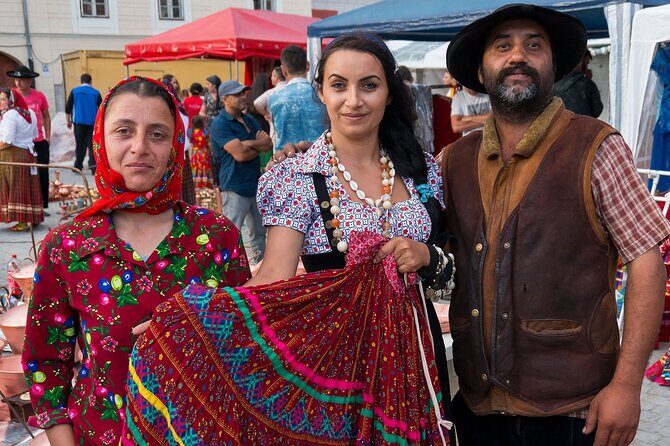
The title says a lot: slavery in Romania myths and truths about Gypsies. On this walk, you don’t just hear claims. You see how certain stories get attached to Roma, and how Romania’s public spaces preserve (or distort) the record. The guide is there to connect what you hear to what you see—buildings, monuments, and places people lived, studied, and argued about.
This matters because Bucharest can trick your brain. One day you’re admiring a grand concert hall; the next you’re standing at a memorial tied to forced suffering. This tour intentionally moves between those worlds so you leave with clearer context, not a blur of “random stops.”
Expect a group format—up to 15 travelers—with a professional English-speaking guide. The pacing is built for walking, not marathon footwork, and it runs about 3 hours.
You can also read our reviews of more tours and experiences in Bucharest.
Romanian Athenaeum: the arts stop that makes history feel real
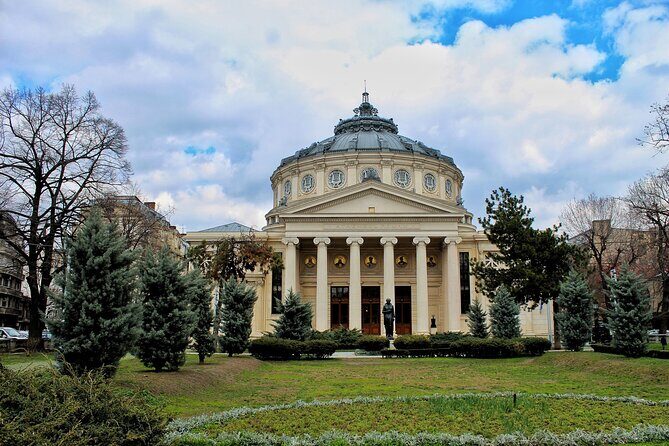
You start at Teatrul „Ion Creangă” and then roll into the Romanian Athenaeum area for your first story stop. The Athenaeum is Romania’s House of Art, and it’s also home to the National Romanian Philarmonic. That combination—music, public culture, national pride—makes it a smart starting point for a tour about identity and memory.
Here’s what I like about opening with the Athenaeum: it shows how nations present themselves. If you only learn history through dates and disputes, it can feel distant. But when you begin in a place built to impress and educate, you start noticing how Romania’s public image connects to who gets recognized, who gets remembered, and which stories get repeated.
A practical bonus: the stop is listed with free admission ticket. So you spend your time listening and looking, not waiting in money-questions.
Iuliu Maniu statue: politics and names you can connect to the story
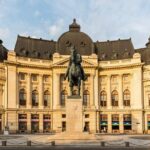
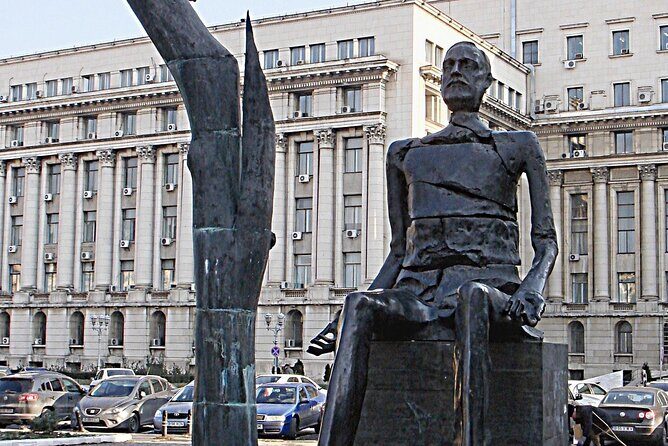
Next up is the Iuliu Maniu statue. Maniu wasn’t just a famous name on a map. He was an important figure in Romania’s political life, and the tour frames him in connection with the Roma story and the development of modern Romania.
Statues can be tricky. They’re easy to shrug at—unless a guide gives you the why. On this stop, you get that context so Maniu feels less like generic bronze and more like a link between policy, public narrative, and how Roma were treated and discussed.
Like the Athenaeum, this is also listed as free admission, and the stop lasts about 20 minutes. That’s enough time to take in the statue and absorb the explanation without feeling rushed.
Palatul Stirbei: 19th-century power you can picture
Then the tour steps into the 19th century with Palatul Stirbei, described as the home of Barbu Stirbey, a ruler of Valachia. Even if you only see a building from the outside, the guide’s framing gives it a role in the wider story—who held influence, how society organized itself, and why certain groups were pushed to the edges.
This stop is short—about 20 minutes—which is exactly right for a place like this. Your job here isn’t to become an architecture expert. It’s to let the tour build a timeline: modern politics, then older power, then social consequences. If you like history that links people to outcomes, this is one of the smoother steps.
It’s also marked as free admission.
Cismigiu Park: a relaxed walk that still carries meaning
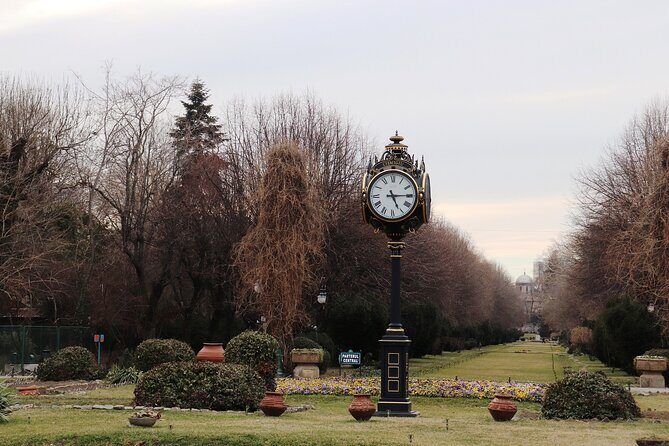
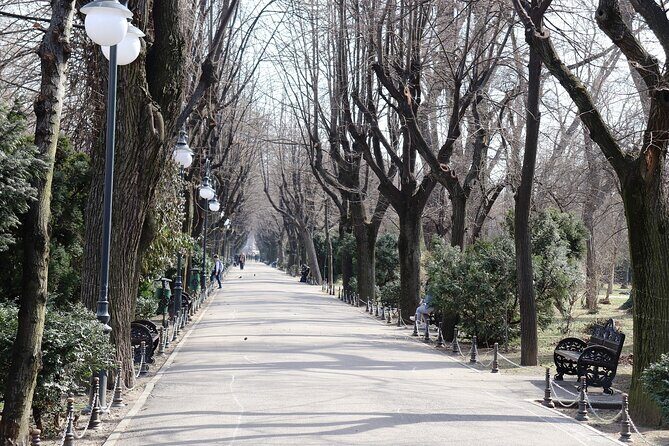
After the palace-style stop, you shift gears to a slower, greener pace in Cismigiu Parc, described as Bucharest’s largest and one of its most beautiful gardens. This is where the tour becomes less “stop-and-start” and more like a thoughtful stroll.
But don’t think it turns into pure sightseeing. The park is used as a connector between themes. You’ll have several stops on the way, including a famous high school, ruins of an old monastery, and a viewpoint over the park.
Why this works: Roma history and persecution aren’t only about harsh events. They’re also about education, space, and how daily life was shaped around power. Parks are where you can feel that contrast—calm surroundings paired with tough stories.
This section runs about 30 minutes. It’s also a good time to slow your pace and reset your energy before the more solemn memorial stop later.

Gheorghe Lazăr National College: education as the key
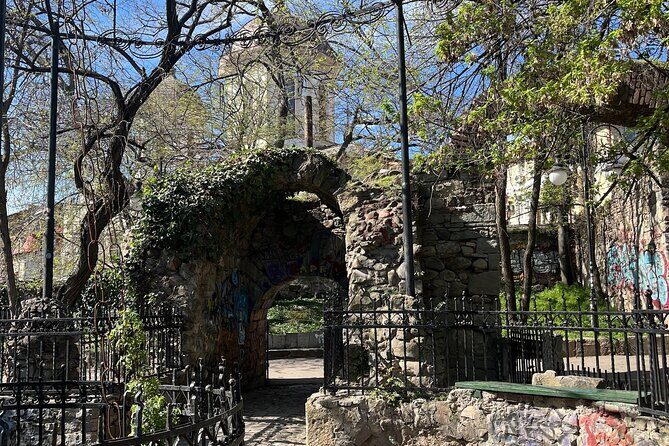
As the park walk continues, you reach Gheorghe Lazăr National College, right at the entrance to Cismigiu Park. The tour highlights education as the key theme, describing the school as the best quoted high school in the city.
Even if education sounds like a general theme, the way it’s used here makes it practical. The guide’s narrative aims to show how social status, opportunity, and representation connect to whether groups can escape harmful cycles.
This stop is shorter—about 15 minutes—and again listed with free admission ticket. If you love clear takeaways, this is the place where the tour tries to give you one.
Holocaust Memorial: The Forgotten Holocaust and the Roma story in WWII
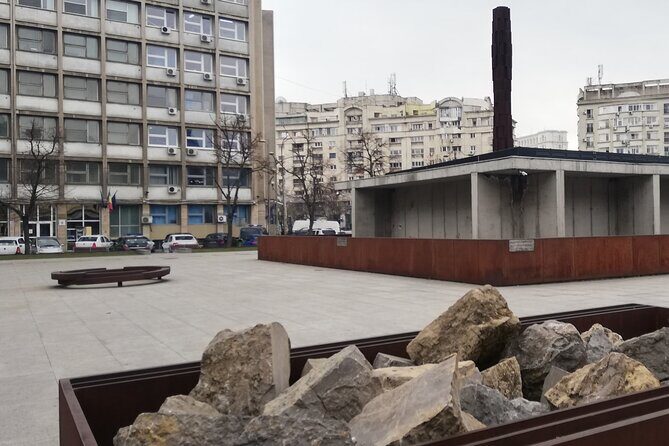
Then comes the most serious part of the tour: the Holocaust Memorial. This stop is explicitly about the rough story of Roma during WWII and about what’s known as The Forgotten Holocaust.
A memorial is not the place for casual jokes. You’ll want a calm headspace here. I appreciated that the tour names the subject instead of hiding it behind vague language. The time is brief—about 15 minutes—but the impact tends to last longer than that.
Practical tip: take a moment before the guide starts speaking (even 30 seconds). Look first. Then listen. Memorials hit harder when you register what’s in front of you, not only what’s being explained.
Piața Mihail Kogălniceanu: a writer who spoke early
Next you move to Piața Mihail Kogălniceanu. The guide connects the square to Mihail Kogălniceanu, one of Romania’s famous politicians and writers. The tour adds a specific detail that makes this stop feel targeted: he was the first one to write about Romanian Gypsies.
This is a good moment to step back and think about sources. When you hear that a writer was among the first, it raises a simple question: what did that writing get right, and what did it get wrong? On this stop, the guide’s job is to keep you from reading history like a single straight line.
It’s a short stop—about 10 minutes—but those shorter segments are often the most useful. You get one anchor fact and one clear connection to the larger theme.
Mesteshukar ButiQ [MBQ]: supporting Roma artisans with context
The tour ends at Mesteshukar ButiQ [MBQ], a small shop where you can see authentic pieces hand-crafted by Roma artisans. This is billed as a cultural reality check—less theory, more “what craftsmanship looks like today.”
I love an ending like this for one reason: it avoids the trap of only talking about suffering or politics. The final stop makes it normal to connect culture with daily life and work. Even if you don’t buy anything, the visit can help you see Roma creativity as something present, not only remembered through tragedy.
This stop lasts about 20 minutes, and it’s also framed as a highlight in strong reviews—people often remember the handcrafted jewelry and the way the shop ties back into the tour’s themes.
Price and what you actually get for about $127
At $127.37 per person for roughly 3 hours, the value comes from the package, not just the guide.
Here’s what’s included that keeps costs in check:
- Professional English-speaking guide
- Snacks (cake snack)
- A small group size (max 15 travelers)
- Stops that are listed with free admission tickets
- A mobile ticket
Coffee and/or tea aren’t included. If you want a café stop, you’ll have a short break on the way where those costs are on you.
When I judge value, I look for “time spent vs. money spent.” This tour gives you a structured walk through major landmarks, with minimal museum-style downtime. If you already plan to spend time in central Bucharest anyway, this is a smart way to turn sightseeing into something you can talk about after.
Getting ready: start time, route rhythm, and what to pack
The tour starts at 10:00 am and ends at Mesteshukar ButiQ [MBQ]. Meeting is at Teatrul „Ion Creangă” – Sala Mare, Strada Piața Amzei 13, București 030167.
The route is built around walking between stops, with the remaining time used for those transfers. That means comfortable shoes matter more than anything fancy. Also, while the walking is manageable, the tour lists a moderate physical fitness level—so don’t treat it like a casual stroll if you hate being on your feet.
Good news: it’s near public transportation, so you can reach the start area without stress.
One more small thing that helps: you’re traveling in English with a guide, and you’ll get a mobile ticket. That usually means less hunting for paper confirmations and more time focused on the walk.
Should you book this Bucharest tour?
Book it if you want Bucharest history that doesn’t stay polite. This is a walk that uses real places to explain difficult realities about Roma experiences, including WWII and The Forgotten Holocaust. It also doesn’t end with a lecture—it ends at Mesteshukar ButiQ [MBQ] so you can see Roma craftsmanship in the present.
Pass, or at least think twice, if you’re looking for light city entertainment. The subject matter is serious, and it’s not designed to be fluffy.
If you like guided storytelling tied to specific stops—Athenaeum, statues, park landmarks, and memorials—this one fits well. You’ll leave with a more grounded view of how myths spread and how public memory can be both informative and misleading.
FAQ
How long is the tour?
It runs for about 3 hours.
Where does the tour start and end?
It starts at Teatrul „Ion Creangă” – Sala Mare, Strada Piața Amzei 13, București, and ends at Mesteshukar ButiQ [MBQ], Bulevardul Mihail Kogălniceanu 12, București.
Is the tour offered in English?
Yes, it’s offered in English.
What’s included in the price?
Included are a professional English-speaking guide and a cake snack.
What is not included?
Coffee and/or tea are not included. The tour notes a short stop on the way where those expenses are not covered.
How large is the group?
The tour has a maximum of 15 travelers.
What’s the cancellation policy?
You can cancel for a full refund up to 24 hours in advance of the experience’s start time. If you cancel less than 24 hours before, the amount paid is not refunded.