REVIEW · CLUJ NAPOCA
Cluj-Napoca Walking City Tour
Book on GetYourGuide →Operated by Rolandia · Bookable on GetYourGuide
Cluj tells its story on foot. I love how the guide connects big-name landmarks—like St. Michael’s Cathedral and Banffy Palace—to how the city grew, and I also like the small-group setup (up to 10 people) that keeps the pace relaxed and questions easy. One thing to plan for: you’ll be walking on older streets, so wear shoes that can handle uneven ground.
You start in front of the Obelisk, then move toward Museum Square, where the Franciscan Church and an art museum set the tone for the day. From there, the route works its way through key squares and architectural styles, ending with a viewpoint moment that gives you a clearer sense of where everything sits in Cluj.
The tour’s English guidance is a major part of the value. In the experiences shared by recent participants, guides such as Adrian and Catalin stood out for clear explanations and a friendly, story-driven style—plus a good sense of humor.
In This Review
- Key Things You’ll Notice on This Cluj Walking Tour
- Where It Starts: The Obelisk Meeting Point and Fast Orientation
- Museum Square: Franciscan Church and the Art Museum Setup
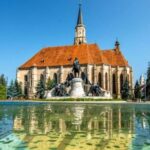
- Union Square and St. Michael’s Gothic Cathedral: When the City Looks Up
- Banffy Palace and the National Art Museum: Architecture That Holds More Than Looks
- Cluj National Theatre: Baroque Drama in the Middle of the Walk
- Wandering the Old Streets: Romanian, Hungarian, and Saxon Influence
- The Viewpoint Finish: Getting Your Bearings from Above
- Price and Value: Is $62 Worth Two Hours?
- Group Size and English Guidance: Why the Tone Stays Friendly
- Who This Tour Suits Best in Cluj
- Should You Book This Cluj-Napoca Walking Tour?
- FAQ
- How long is the Cluj-Napoca walking city tour?
- What is the meeting point for the tour?
- Is the tour guided in English?
- What is included in the price?
- Are meals included?
- Is the tour suitable for wheelchair users?
- Can I bring pets?
- Is the tour a small group?
Key Things You’ll Notice on This Cluj Walking Tour
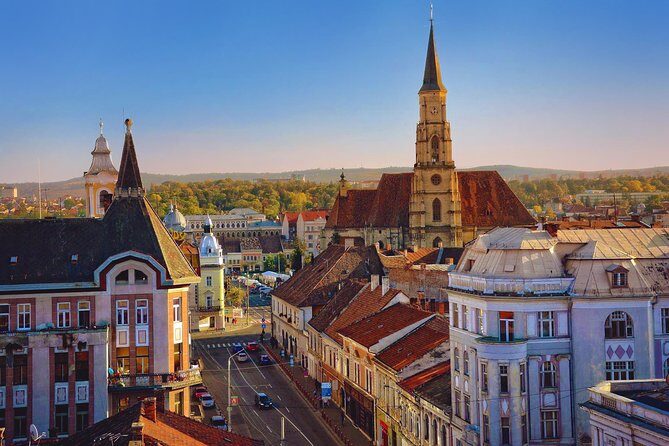
- St. Michael’s Gothic Cathedral in Union Square: you’ll get a guided sense of why this landmark matters in the city’s look and identity
- Banffy Palace and the National Art Museum: an architectural highlight that doubles as an art stop
- Old-town streets with Romanian, Hungarian, and Saxon influences: you learn how multiple cultures shaped what you see
- Chronological walking approach: newer cultural layers get explained as you move through the center
- A final cityscape viewpoint (often tied to Fireman Tower): you finish with orientation, not just photos
- Small group of max 10: it stays conversational instead of a rush-through
Where It Starts: The Obelisk Meeting Point and Fast Orientation
This tour starts at the meeting point in front of the Obelisk. That matters more than it sounds: being in a clear, central spot means you get underway quickly instead of spending the first ten minutes hunting for your group.
Once you’re moving, the guide’s job is basically to help you read Cluj. Not just what buildings are called, but what they communicate—style, era, and cultural influence. The best part of a walking tour like this is that you’re close enough to notice details, then the guide gives you context so those details make sense.
You’ll also get a built-in orientation payoff. By the time you reach the end viewpoint (the Fireman Tower is specifically mentioned in participant feedback), you’re better able to picture how the center fits together—so your later self-guided wandering is less guesswork.
You can also read our reviews of more walking tours in Cluj Napoca
Museum Square: Franciscan Church and the Art Museum Setup
The walk begins from Museum Square, described as a symbolic space tied to the Franciscan Church and the area’s art museum. Even if you’re not planning to become an architecture student, this first stage helps you calibrate fast.
Here’s why I think Museum Square is a smart opening. It links religion, civic space, and culture right away. From the start, the tour frames Cluj as a place where different layers were added over time rather than a single “type” of city.
You can expect the guide to set a narrative for what’s coming next. That usually includes pointing out architectural cues and then attaching a story to them—people and eras you can actually remember later. Visual materials also come into play during the tour, which is useful if you’re the kind of person who forgets details once you look away from the building.
Practical tip: this is a good moment to ask a question. Because the group is limited to 10, you’re more likely to get a direct answer rather than the guide rushing you onward.
Union Square and St. Michael’s Gothic Cathedral: When the City Looks Up
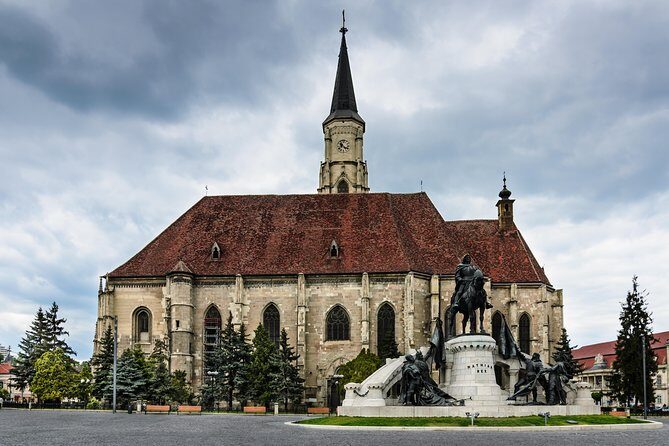
One of the headline stops is St. Michael’s Church in Union Square. This is the Gothic anchor of the route, and the guide uses that anchor to help you understand how Cluj’s architectural story developed.
What I like about starting here is that Gothic style is visually dramatic. Even without a lecture, you can feel the difference in the way the building presents itself—vertical lines, solemn presence, and that “main character” feeling you get when the city suddenly tilts upward.
The guide’s explanations are designed to make the building legible in context. In other words, you’re not just hearing a name; you’re learning what the style signals and how it connects to the broader mix of influences you’ll keep seeing.
Potential drawback: Gothic landmarks can be a bit of a photo magnet, so you may briefly pause in a crowd-like situation when everyone lines up for the same angles. If you’re sensitive to standing around, keep your expectations flexible for a couple minutes here and there.
Banffy Palace and the National Art Museum: Architecture That Holds More Than Looks
After Union Square, the route highlights Banffy Palace, which houses the National Art Museum. This stop is valuable for two reasons: it’s visually impressive, and it’s linked to what the city preserves and displays.
From a traveler’s perspective, Banffy Palace is a good example of why this tour isn’t only about ticking landmarks. The guide connects the building to Cluj’s cultural institutions, so you get a sense of how art and civic identity are intertwined.
Even if you don’t go inside an art museum during a short walk, the guidance still adds value. You learn what to notice externally and why the palace’s presence matters. And because the walk is chronological, the palace doesn’t feel random—it feels like another step in the story the guide is building.
One consideration: art-related stops can mean you’re surrounded by people who are in “photo and glance” mode. Stay close to the guide so you don’t miss the explanation, especially if the group moves quickly between viewing angles.
Cluj National Theatre: Baroque Drama in the Middle of the Walk
The tour continues through the older center and specifically mentions the Baroque-style Cluj National Theatre as part of the historical progression. This is one of those stops where the style does a lot of talking.
Baroque architecture often feels more theatrical—more movement, more emphasis on impact. That gives you a nice contrast after the Gothic emphasis earlier. The guide uses this contrast to show you how later cultural layers shaped what Cluj chose to build and how it wanted to look.
If you like walking tours that teach you to spot differences, this is where the method starts clicking. You begin to see that “style” isn’t just academic. It’s a way to communicate power, culture, and identity at specific moments.
Short break to plan for: theaters and palaces can mean open spaces near entrances where groups bunch up. If you’re traveling with someone who gets impatient, remind them this stop is short but intentional.
You can also read our reviews of more city tours in Cluj Napoca
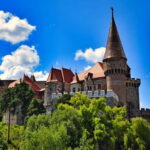

Wandering the Old Streets: Romanian, Hungarian, and Saxon Influence
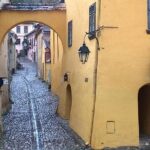
The heart of the tour is the part where you move through the labyrinthine old-town streets. This isn’t described as a random stroll. It’s where the guide shows you the harmonious blend of Romanian, Hungarian, and Saxon influences—in architecture and in local culture.
This segment is often where a walking tour becomes more personal. Instead of treating each landmark as a separate postcard, you start noticing patterns: how styles “bleed” into each other, how buildings along a single block can reflect different backgrounds, and how the street layout supports daily life.
And because it’s a guided narrative, you’re not stuck trying to decode what you see alone. The guide essentially gives you the translation key: here’s what to look for, and here’s what it means when you find it.
You’ll also hear stories that connect people past and present. In participant feedback, guides such as Adrian and Catalin were praised for bringing the city to life with anecdotes—not just facts. That makes the street-walking segment feel like a conversation rather than a script.
The main drawback here is simple: it’s walking. If you arrive with sore legs, the old streets will feel less forgiving. That’s why comfortable shoes aren’t just advice; they’re the difference between enjoying the route and counting minutes.
The Viewpoint Finish: Getting Your Bearings from Above
The tour ends with a visit to a location offering a remarkable view of the cityscape. In participant feedback, the Fireman Tower shows up as a standout moment, with a bird’s-eye view that clearly impressed people.
This ending is smart because it changes your perspective. After you’ve been on the ground tracking squares, streets, and architectural shifts, the view pulls it together. You finally see the “shape” of Cluj instead of individual points.
I also like that this gives you a practical benefit. Once you can orient yourself from above, you can later plan your own self-guided time better—whether you want to revisit a specific square or simply take the scenic shortcut routes without second-guessing.
Small note: viewpoint areas can bring a queue or limited space depending on the day. The tour format (2 hours total, small group) helps, but go with a patient mindset.
Price and Value: Is $62 Worth Two Hours?
At $62 per person for a 2-hour walking tour, you’re paying for three things: an English-speaking professional guide, a focused route through major landmarks, and a group size capped at 10.
In value terms, the price makes sense if you want structure. Two hours is short enough that a self-guided walk often turns into a lot of “we saw a church” and not much “we understood why it matters.” This tour’s strength is that it keeps connecting the dots—chronological layers, mixed cultural influences, and architectural differences you can actually recognize later.
Also, the tour includes the guide but not meals and not photography fees. So if you’re planning to spend more time around cafés afterward, you’re not paying for food inside the tour. That’s common, but it’s good to know so you don’t walk in expecting a meal stop.
How to judge value for your own trip: if you like getting a story with your sightseeing—especially with a guide who answers questions and adds humor—this price is easier to justify.
Group Size and English Guidance: Why the Tone Stays Friendly
A small group limited to 10 participants changes the whole feel. The guide can slow down when someone asks a question. You also tend to hear explanations more clearly because people aren’t packed shoulder-to-shoulder.
This matters because the tour is narrative-heavy. You’re not only collecting visuals; you’re collecting meaning. When the guide can work with the group’s pace, it’s easier to remember what each stop represents.
English is the working language, and participants named guides like Adrian and Catalin for being clear and engaging. That matches what I’d look for in a walking tour: explanations you can follow without needing to “translate” in your head.
One caution: the tour is not suitable for wheelchair users, and pets are not allowed. Also, the walk is set up for comfortable movement rather than accessibility needs, so plan accordingly.
Who This Tour Suits Best in Cluj
I’d put this tour at the top of the list if you want:
- A fast introduction to Cluj’s center with context, not just photos
- A route that connects major sights in a chronological storyline
- A walk that pays attention to the Romanian-Hungarian-Saxon mix rather than treating Cluj as one-note
It’s also a good match if you’re the type who likes asking questions. Several participants highlighted how the guide handled individual questions and kept explanations clear.
It may be less ideal if:
- You need step-free access throughout (the tour isn’t set for wheelchair users)
- You’re looking for long museum time or sitting-down breaks (this is a walking tour, and meals aren’t included)
Should You Book This Cluj-Napoca Walking Tour?
Yes, book it if your goal is to understand Cluj in a short window. This is a strong choice for first-time visitors because it covers key landmarks—St. Michael’s Church, Banffy Palace, and the National Theatre—then ties them together with the street-level blend of cultural influences. Ending with a viewpoint like Fireman Tower gives you instant orientation, which makes the rest of your time in the city easier.
Skip it only if you know you dislike walking on older streets or you need a more accessible route. If you can handle a 2-hour walk and you like guided context, it’s a solid use of your time in Cluj.
FAQ
How long is the Cluj-Napoca walking city tour?
It lasts 2 hours.
What is the meeting point for the tour?
Meet your guide in front of the Obelisk.
Is the tour guided in English?
Yes. The tour has a live English-speaking guide.
What is included in the price?
The professional English-speaking guide is included.
Are meals included?
No. Meals are not included.
Is the tour suitable for wheelchair users?
No. It is not suitable for wheelchair users.
Can I bring pets?
Pets are not allowed.
Is the tour a small group?
Yes. It is limited to 10 participants.