REVIEW · BUCHAREST
Bucharest: Tour of Old Town, Calea Victoriei & Communism
Book on GetYourGuide →Operated by Btrip Bucharest Tours · Bookable on GetYourGuide
A neoclassical start meets a very dark square. This 2.5-hour walk links Bucharest’s royal glamour with its Communist-era scars, then walks you through the cobblestone Old Town toward Unirii Square and Manuc’s Inn. I like that it mixes big-picture history with street-level details, and I really like the way the architecture does the explaining for you. One consideration: you’ll want comfortable shoes, because even with planned pauses, you’re still walking on uneven streets.
If you get a guide like Stefan, John, Laura, or Stefania, you’ll get more than a script. The best moments are the Q&A turns and the human side of the story, including how Romania’s political changes felt for real people. And if you’re short on time, this tour is built to help you get your bearings fast while still making sense of the modern city.
The tour runs rain or shine, and it’s set up as a guided walk with a map, not a museum marathon. Think of it as a guided stroll with sharp context—Romanian history in layers, from medieval echoes to the 20th-century rupture.
In This Review
- Key points I’d plan around
- Why the Romanian Athenaeum is the perfect first stop
- Revolution Square: where Communism becomes personal and specific
- Calea Victoriei: interwar Bucharest’s elite boulevard in one guided stroll
- Old Town cobblestones: the medieval-to-merchant-house transition
- Stavropoleos Church: a colorful reset in the center of the story
- Manuc’s Inn and Unirii Square fountains: ending where people linger
- Price and value: is $19 a smart deal for Bucharest?
- How to get the most out of this 2.5-hour format
- Who this tour fits best
- Should you book the Bucharest Old Town, Calea Victoriei & Communism tour?
- FAQ
- How long is the tour?
- Where do I meet the guide?
- Is the tour only indoors?
- What’s included in the price?
- Is food or drinks included?
- Is it wheelchair accessible and does it run in bad weather?
Key points I’d plan around
- Start at the Romanian Athenaeum so you understand Bucharest’s French-inspired “look” before the harder history hits
- Revolution Square explained through decisions and consequences, including the Ceaușescu story and the televised revolution element
- Calea Victoriei architecture walk showing interwar bourgeois life, Art Deco flourishes, and elite institutions
- Old Town cobblestones with quick stops at places like the CEC Palace, Manuc’s Inn, and Villacrosse Passage
- Stavropoleos Church as a calm reset in the middle of busy central streets
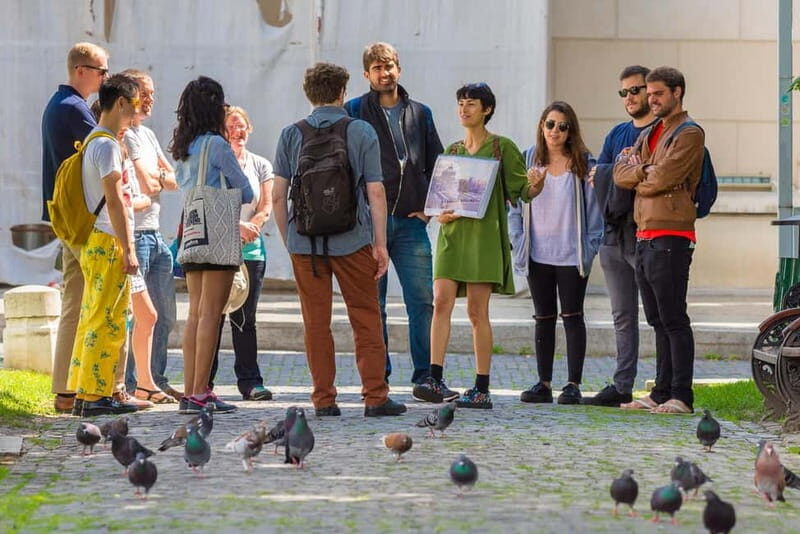
- 2.5 hours that balances walking and talking, with time to sit and ask questions
Why the Romanian Athenaeum is the perfect first stop
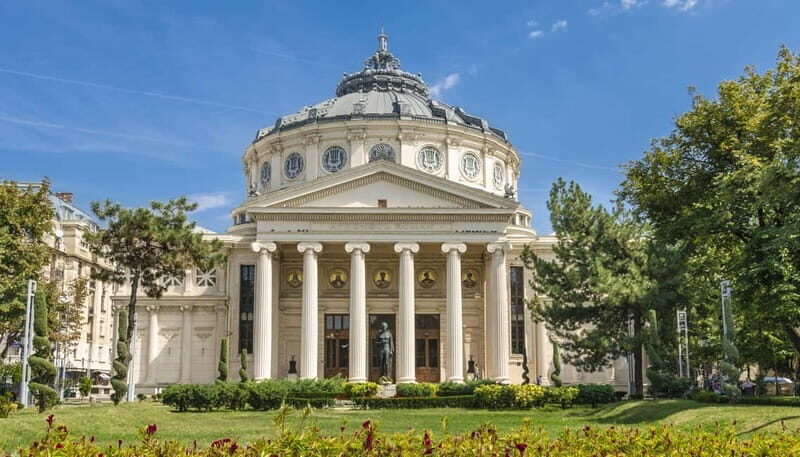
The tour kicks off right in front of the Romanian Athenaeum, Bucharest’s most iconic neoclassical concert hall. It’s the kind of building that instantly tells you the city wanted to look European—especially the French influence that shows up across the area. You’ll also notice how the surrounding landmarks fit into the same visual language: grand facades, formal symmetry, and a “power center” vibe rather than a cozy old-world maze.
Why this matters: if you start anywhere else, Bucharest can feel like a grab bag. Starting here gives you a reference point. You can watch the city’s story change from one regime and era to another, and the buildings start acting like timeline markers.
And yes, you’ll get the kind of context that makes the walls more than pretty. Guides often connect the neighborhood to the royal period and the world wars that shaped Romania’s path. Even when the story turns heavy later, the opening helps it land with clarity.
You can also read our reviews of more tours and experiences in Bucharest.

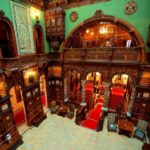
Revolution Square: where Communism becomes personal and specific
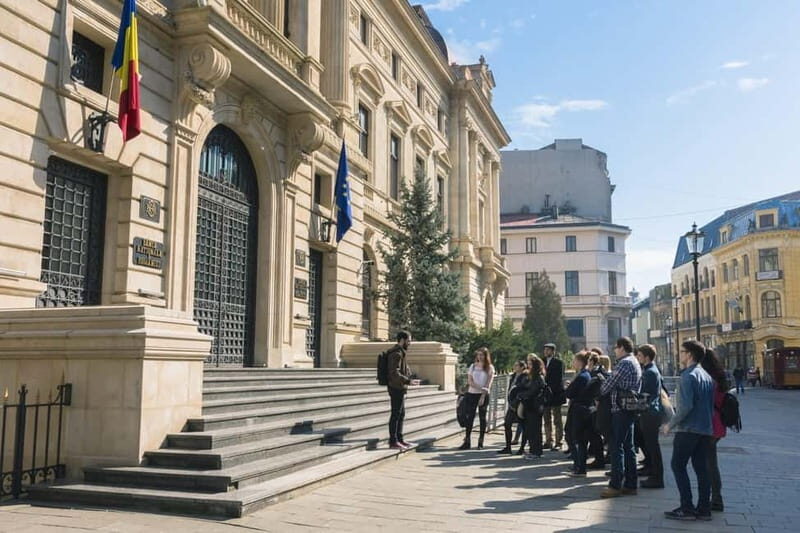
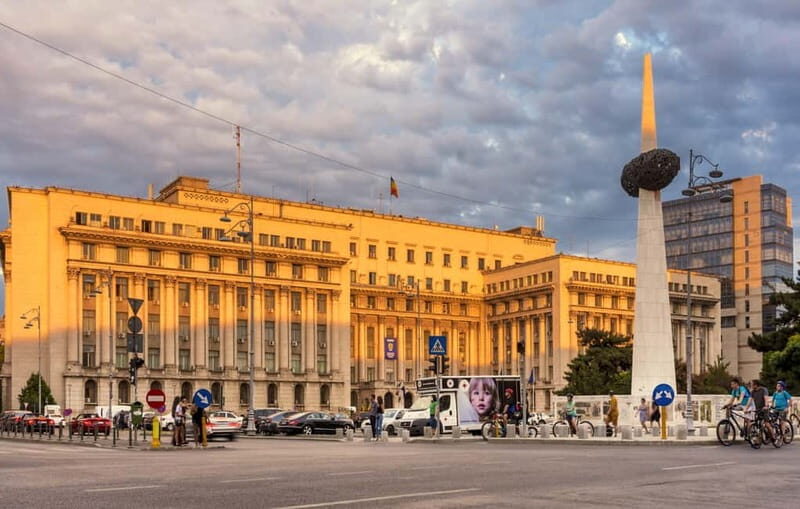
Then you move to Revolution Square, and the mood does what the history does. This area ties directly to the Communist Party’s former headquarters and the decision-making that ran Romania from the late 1940s through 1989. The square is also where the story sharpens around Nicolae Ceaușescu—who he was, why his rule mattered, and how oppression shaped daily life.
A key detail I’d remember here is the mention of a televised revolution: Romania’s upheaval wasn’t just local chaos. It became a widely watched moment. That turns abstract “Cold War history” into something you can picture.
The practical upside of the stop: it’s a good place for the guide to slow down, explain cause-and-effect, and take questions. If you want to understand why Bucharest’s later streets and monuments feel the way they do, this is where the tour earns its seriousness.
One more reason I like this part: it shows the contrast in Bucharest architecture and urban planning. You’re not just told what happened—you’re standing in the space where power operated.
Calea Victoriei: interwar Bucharest’s elite boulevard in one guided stroll
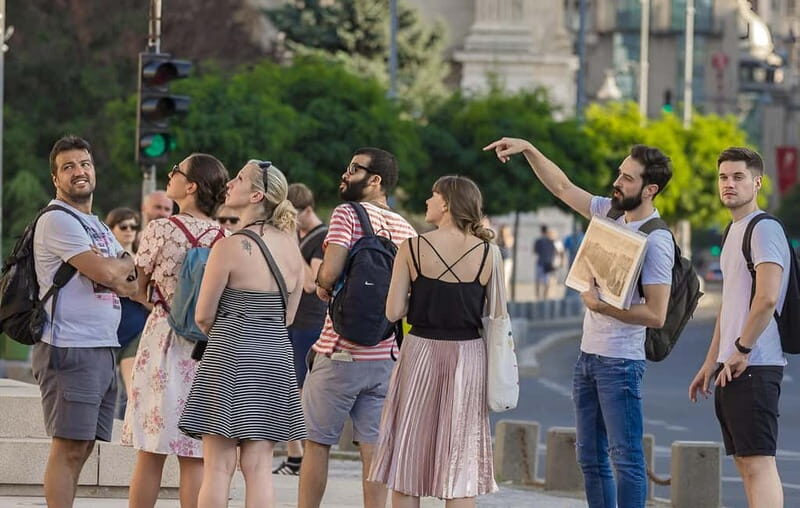
After Revolution Square, you head to Calea Victoriei, the city’s most famous and extravagant street. This is where Bucharest shows its interwar self: bourgeois life, Belle Époque hotels, and Art Deco details that still feel unusually stylish compared to the city’s sometimes-rough edges.
As you walk, you’ll catch sight of several landmark-style buildings associated with elite institutions and social life—think the Grand Hotel Continental, the Telephone Palace, and the Military Club. The tour doesn’t treat this as a photo-walk only. The guide ties the architecture to the idea of status: who gathered here, what kind of world Romania was trying to project in the early 1900s, and how that world set the stage for the later break.
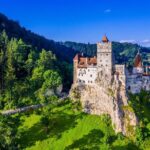
If you’re wondering how Dracula fits into this kind of city tour, this is the moment where the guide often connects legends and historical identity. Romania is good at turning history into story, and Bucharest is where you see that trade happen in real time—royal symbols, wartime echoes, and the vampire myth woven into the sense of place.
What to watch for: Calea Victoriei is straight enough to feel easy, but the streets around it can be busy. Keep your pace steady and listen for how the guide points out why each building belongs to a particular era.
Old Town cobblestones: the medieval-to-merchant-house transition
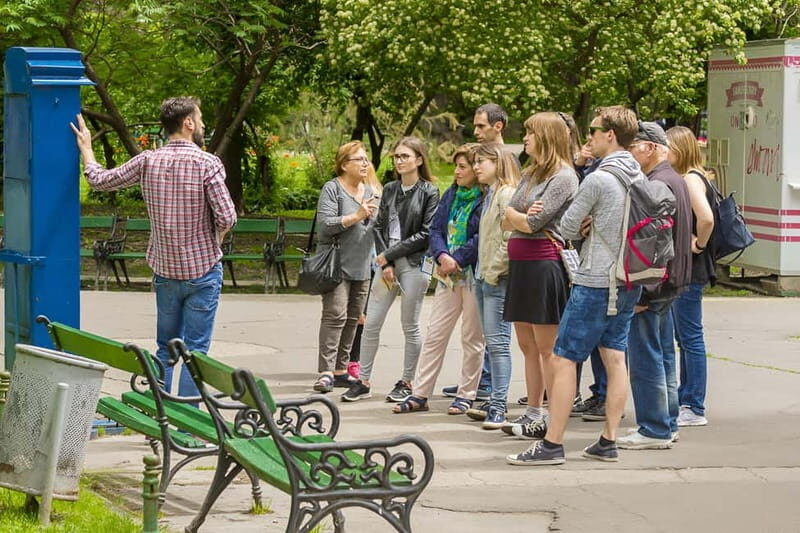
Next comes the Old Town walk—cobblestone streets that slow you down in the best way. This is the part where Bucharest starts to feel like a lived-in old city instead of a collection of monuments. Expect a mix: medieval-style inns and spaces, small 19th-century merchant houses, and a sense of old wealth and old ambition in the bigger palaces.
You’ll also get several “anchor” stops that help you navigate the quarter without wandering in circles:
- the History Museum (a quick context layer for the surrounding streets)
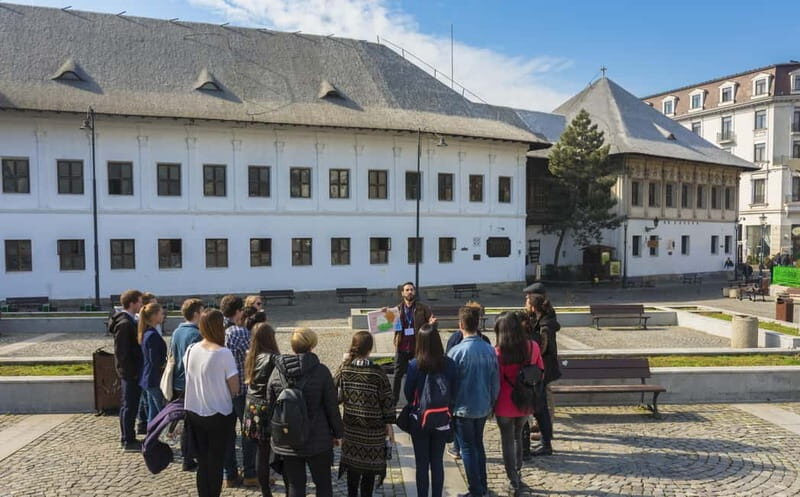
- the CEC Palace (a grand institutional building that fits the merchant-and-banker feel)
- Manuc’s Inn (a landmark that’s been part of the city’s visitor story for a long time)
- Villacrosse Passage (a more intimate, tucked-away-feeling corridor)
Why this sequence works: the guide doesn’t just say where you are. It explains how the city shifted from older, trade-focused life into later periods of influence and wealth. Those transitions are easier to understand when you’re walking them step-by-step over uneven stone.
Comfort note: cobblestones can be tough if your shoes are too soft or flat. Bring something you can stand in for a while. The pace is guided, but the footing is real.
Stavropoleos Church: a colorful reset in the center of the story
Before you finish, you’ll visit Stavropoleos Church, described as the only active monastery in central Bucharest. This is the tour’s mood swing—in a good way. The church’s color and detail cut through the urban noise and give your brain a breather between big political topics and older city layers.
I like how this stop changes the kind of attention you’re using. Up to now, you’re reading power, architecture, and politics. Here, you shift to craftsmanship, atmosphere, and the quiet persistence of religious life in the middle of a changing city.
Even if you’re not a church person, it’s worth it for the contrast. Bucharest can feel intense; Stavropoleos gives you a small pocket of calm so the final walk doesn’t feel like just another run of buildings.



Manuc’s Inn and Unirii Square fountains: ending where people linger
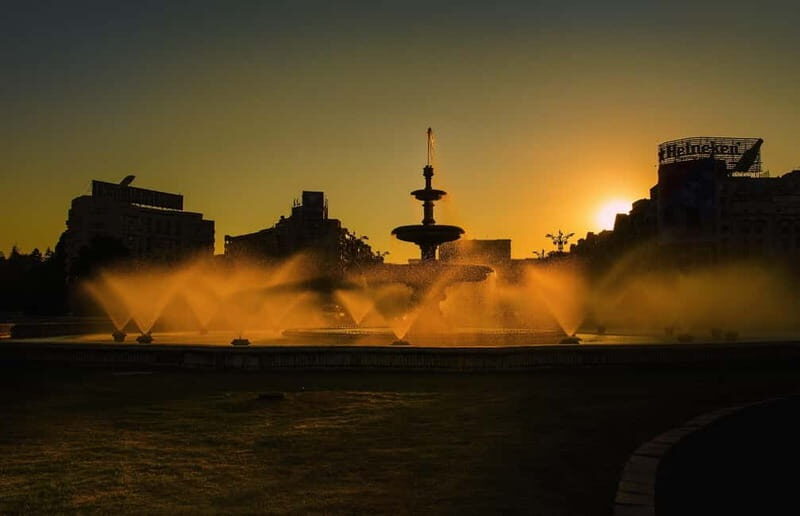
The tour wraps up in the area of Manuc’s Inn, with the final moments around Unirii Square fountains. Manuc’s Inn is a good ending point because it’s both recognizable and human-scaled—you can imagine why travelers would have wanted a place like this in the first place.
And Unirii Square works as a symbolic closer. It helps you tie together where the tour started (the grand civic spectacle around the Athenaeum) with where it landed (a public square and a central hub of the city’s everyday motion). If you like tours that leave you with a sense of what to do next, this ending helps. You’ll know the direction of the center and you’ll understand the city’s layers enough to choose your next stop.
If your guide is John, Stefan, Laura, or Stefania, you may also get practical pointers about where to eat nearby. That kind of local recommendation is a small thing that makes the whole day smoother.
Price and value: is $19 a smart deal for Bucharest?
At $19 per person for about 2.5 hours, you’re paying mainly for two things: a professional local guide and a structured route that turns scattered landmarks into a coherent story. That’s usually a better value than paying for a taxi back and forth while you guess what order to see things in.
You also get a map, which sounds simple but matters. Bucharest is easier when you understand the “why” behind neighborhoods, not just the names on a list. This tour gives you that context quickly.
What you should budget for separately: food and drinks. The tour itself isn’t built around meals, so plan your lunch or dinner timing before or after.
How to get the most out of this 2.5-hour format
This is a walking-and-explaining tour, not a long sit-down lecture. Still, it’s not a nonstop grind. In the field, guides tend to build in time to chat and answer questions, and you’ll likely get moments to pause—use those. Bring questions about Romania’s shift from monarchy to communism to the present, or ask how the architecture reflects those changes.
My practical tips:
- Wear comfortable shoes for cobblestones and standing time
- Plan a weather-friendly layer. It runs rain or shine
- If you want a strong Dracula angle, ask your guide where myth meets history in Bucharest
- If you’re chasing food, ask for quick suggestions near the route rather than planning far away
Who this tour fits best
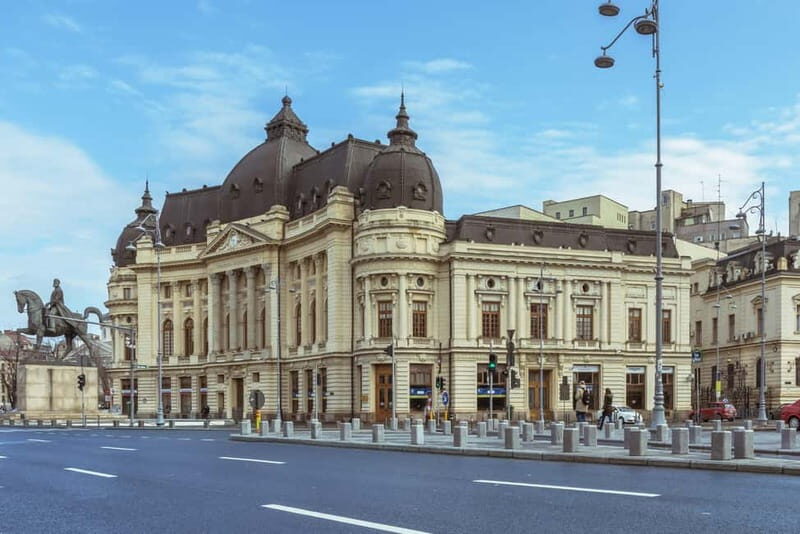
This tour is ideal if you want a single Bucharest overview that doesn’t treat history like a checklist. It’s also a strong choice if you care about how politics shapes cities—especially the way the Communist era left marks on public space and collective memory.
It’s also a good fit if you like architecture with a narrative. The route is designed to show contrast: royal-era French-inspired civic grandeur, interwar elite boulevards, then older quarters built for trade and everyday life.
You might choose something else if you want a heavy museum-only day, because this one is focused on walking streets and interpreting what you see in real time.
Should you book the Bucharest Old Town, Calea Victoriei & Communism tour?
Yes, if you’re looking for real context fast—and you want Bucharest explained through streets, squares, and buildings rather than only inside ticketed places. The combination of Revolution Square (Communism and Ceaușescu), Calea Victoriei (interwar elegance), and the cobbled Old Town (medieval to merchant-era texture) makes this a useful core tour for first-timers.
If you’re sensitive to heavy history topics, you should still be aware that the Communism segment includes discussion of oppression and bloodshed. But if you want a truthful, grounded way to understand why modern Bucharest looks the way it does, this is one of the more focused routes for the time.
FAQ
How long is the tour?
The tour lasts about 2.5 hours.
Where do I meet the guide?
Meet the guide right in front of the Romanian Athenaeum, on the steps in front of the columns. The guide will have a name tag.
Is the tour only indoors?
No. It’s a guided walking tour with stops around downtown Bucharest, including Old Town streets and other key sights.
What’s included in the price?
You get a professional local guide and a map of Bucharest.
Is food or drinks included?
No, food and drinks are not included.
Is it wheelchair accessible and does it run in bad weather?
It is wheelchair accessible, and it runs rain or shine. Comfortable shoes help for the walking and cobblestones.