REVIEW · BUCHAREST
Bucharest: Museum of Senses Entry Ticket
Book on GetYourGuide →Operated by 6S Entertainment Romania SRL · Bookable on GetYourGuide
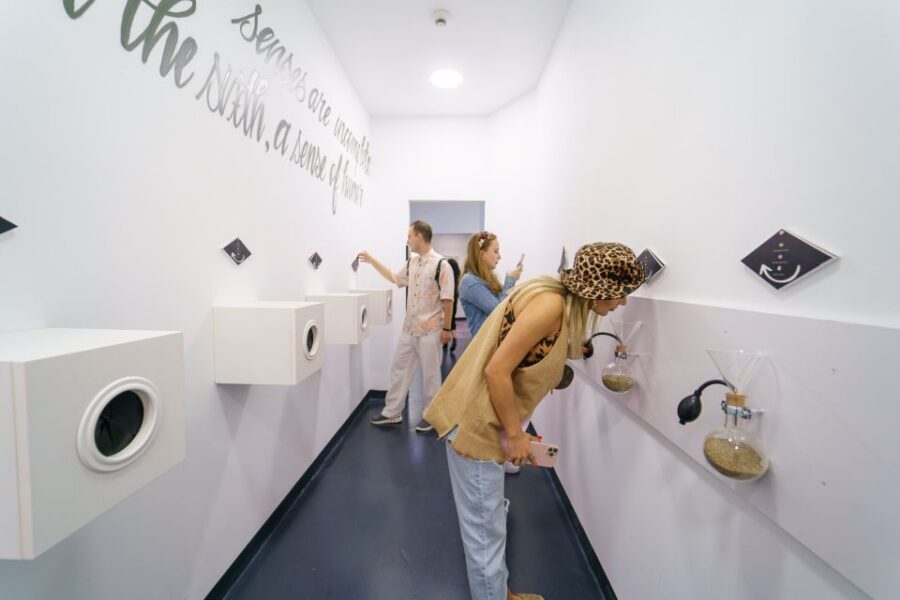
Your senses get put on trial. The Museum of Senses in Bucharest is a one-hour, 11-room circuit of interactive illusions that make you question what you see, hear, and even think you know. It’s made for action, not quiet looking, with 40+ exhibits built around hands-on perception games.
I really like the built-in photo momentum. The rooms are designed so you naturally pause, experiment, and shoot, and that’s a big part of why the experience stays fun even if you’re visiting solo. I also like that the staff is very hands-on with visitors, and names like Sorina and Aura come up repeatedly for helping with photos and keeping things moving.
One consideration: it’s inside a shopping mall, so expect that mall energy (sound, people, wayfinding stress). The experience is also short, and a few adult visitors found it smaller than they expected.
In This Review
- Key highlights before you go
- A sensory playground in a mall setting
- Price and value: where the $13 ticket fits
- Your practical one-hour route through 11 rooms
- Why the 1-hour duration works
- The mirror maze: your first test of what you trust
- RGB room and the art of “wait, that color moved”
- Infinite tunnel and height fear: tricking your balance
- Optical illusion desert, vortex tunnel, and the 2D cafe room
- The Ames room: the famous distortion that feels impossible
- Infinity mirror room: where dancing becomes the whole point
- What makes the infinity mirror work for you
- Staff help and photo-friendly design
- Lockers and Wi-Fi: small details that prevent frustration
- Finding the place: in a big mall, on a top-floor brain test
- Who should go (and who might not love it)
- Accessibility: wheelchair access with one realistic caveat
- The real plan: how to pair it with Bucharest
- Should you book the Museum of Senses in Bucharest?
- FAQ
- How long is the Museum of Senses ticket good for?
- How many exhibits and rooms are there?
- What’s the price per person?
- Is it wheelchair accessible?
- Are lockers included?
- Is Wi-Fi included?
- Where is it located?
- Can I cancel for a full refund?
Key highlights before you go
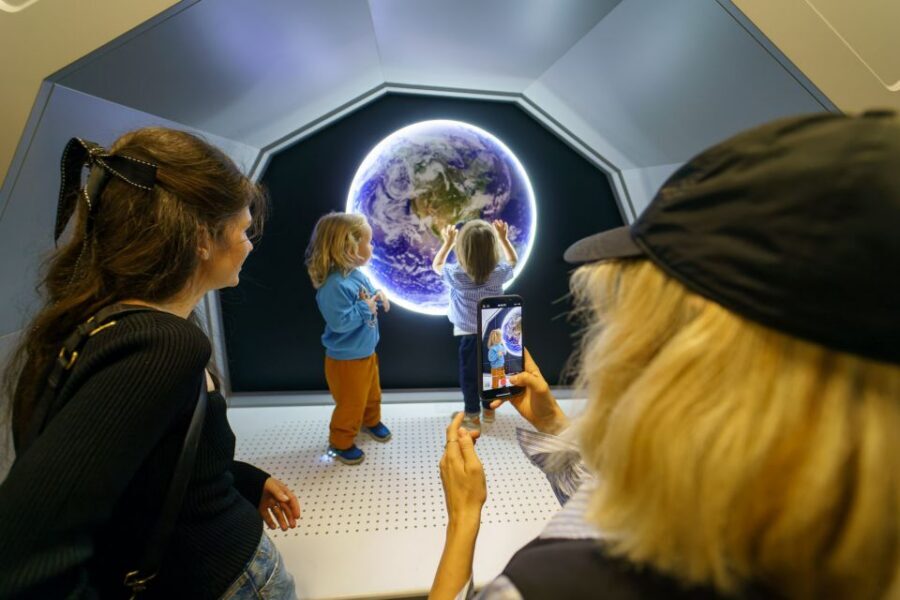
- 11 rooms and 40+ exhibits spread across a compact route that fits a one-hour visit
- Mirror maze + Ames room + infinity mirror deliver the biggest wow moments for most people
- Tunnels and upside-down effects are designed to trick your body’s sense of direction
- Afi Mall location makes it easy to pair with meals and shopping, especially on bad weather
- Lockers and cloakroom included so you can travel light and focus on the illusions
- Friendly staff often helps with photos so you’re not stuck asking strangers
A sensory playground in a mall setting
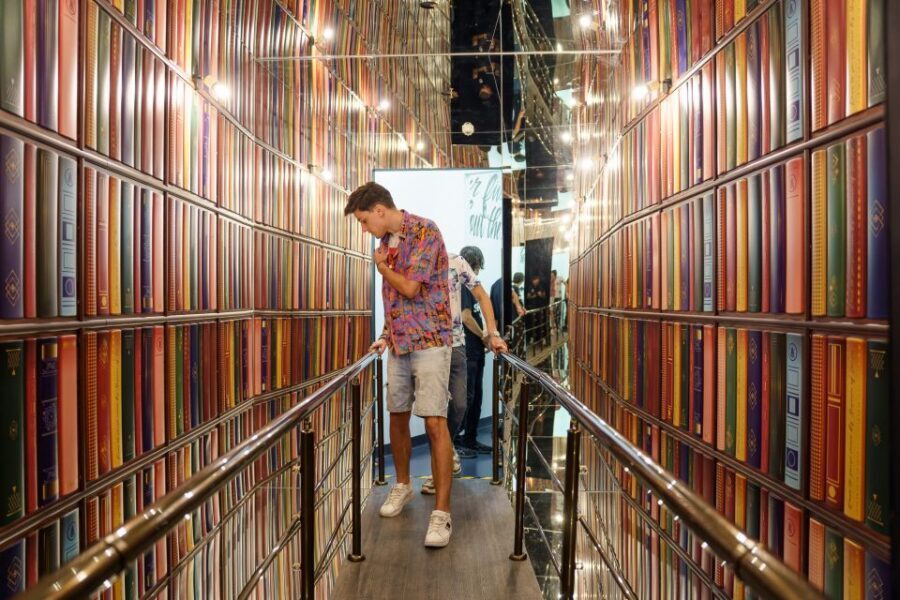
The Museum of Senses feels like a science fair you can’t stop playing. You’re not just reading labels—you’re doing small challenges that push your brain into predicting wrong. And that’s the point: perception is a shortcut your mind takes, and this place keeps forcing it to take a different one.
The venue is tucked inside a major mall in Bucharest-Ilfov, and that matters more than you’d think. On a quiet day it’s an easy, low-stress plan. On a busy day it can feel a bit chaotic, because you’re sharing the space with everyone else eating, shopping, and lingering. The upside is that you can turn the museum into a half-day by adding food and something else nearby without any extra logistics.
A few more Bucharest tours and experiences worth a look



Price and value: where the $13 ticket fits
At about $13 per person and roughly one hour on site, the value is all about expectations. If you want a long museum with lots of interpretation, this isn’t that. If you want a concentrated dose of interactive illusions and a clear, photo-friendly route, it’s a solid use of time.
Many visitors liked that the museum packs in a lot for the money, especially given the number of exhibits and the variety of room types. At the same time, a handful of adult-focused comments mention it can feel short or smaller than similar attractions. For most people, the sweet spot is treating it like a fun activity block, not a full cultural day.
Your practical one-hour route through 11 rooms
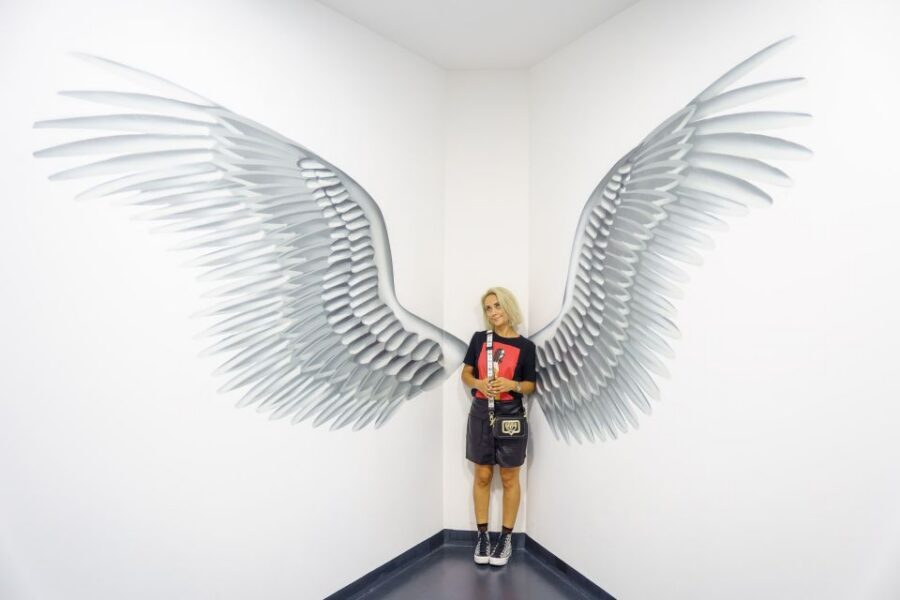
You exchange your ticket at the entrance and step straight into the main challenge: a big mirror maze. That’s a clever opening move, because it gets your eyes and instincts recalibrated immediately. If you come in thinking you’re good at directions, the maze gently proves you aren’t—and you’ll enjoy that.
From there, the route moves through a sequence of sensory rooms. The specific order can vary a bit, but you can count on these standout types showing up during your circuit:
- A mirror maze where finding the exit is part puzzle, part perception test
- An RGB room built around color mixing and visual tricks
- An infinite tunnel used to mess with your sense of scale and height
- An optical illusion section that feels like a desert of mind-bending visuals, including
- A 2D cafe room where flat images become unexpectedly realistic-feeling backdrops
- A vortex tunnel that plays with motion and perspective
- The world-famous Ames room, where size and proportions feel wrong in a very memorable way
- An infinity mirror room where you can keep dancing for the camera and the effect keeps repeating
The entire point is that you cycle through different kinds of illusion. Visual trick rooms dominate, but you also get physical “wait, am I upside down?” moments that keep your body in on the joke.
Why the 1-hour duration works
The one-hour limit isn’t a flaw. It keeps the museum from turning into a slow shuffle. You’ll move room to room, hit the main highlights, and leave still wanting to take a few more photos rather than feeling museum fatigue.
That said, if you’re the type who likes to linger, you might wish you had more time. So I recommend a quick strategy: aim for photos in the rooms that feel most dramatic (mirror maze, infinity mirror, Ames room), and treat the rest as experiments rather than photo shoots.
The mirror maze: your first test of what you trust
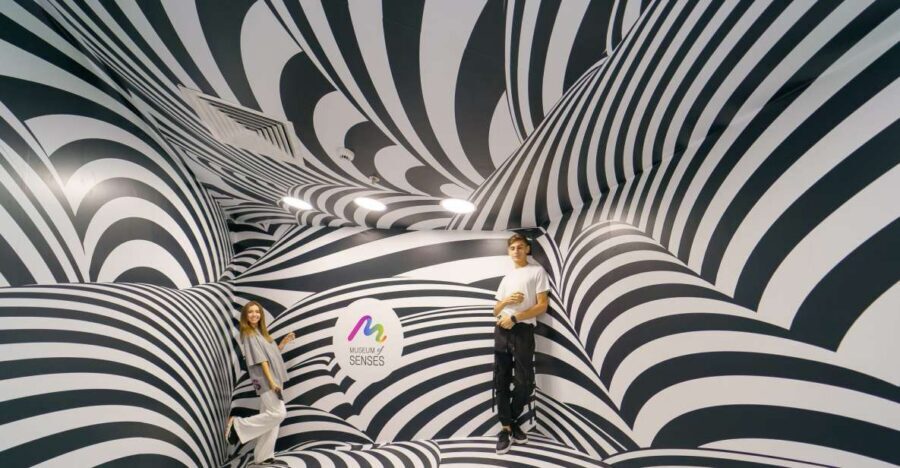
The biggest mirror maze in Bucharest is the opening challenge, and it’s usually what people remember first. Mirror mazes work for a reason: you’re trying to navigate using cues like edges, reflections, and depth. Then the room breaks the rules, so the cues lie.
You’ll be looking for the exit while the maze multiplies your position and direction. It’s light-hearted, but it also gets your brain working fast. And it’s one of the best rooms to start with if you’re traveling with kids, teens, or anyone who enjoys a little friendly competition.
Tip for the maze: move slowly at first, then adjust. Most people go in too fast, then realize they’ve lost track of the reference points they were using. Let your eyes settle before you sprint.
You can also read our reviews of more museum experiences in Bucharest





RGB room and the art of “wait, that color moved”
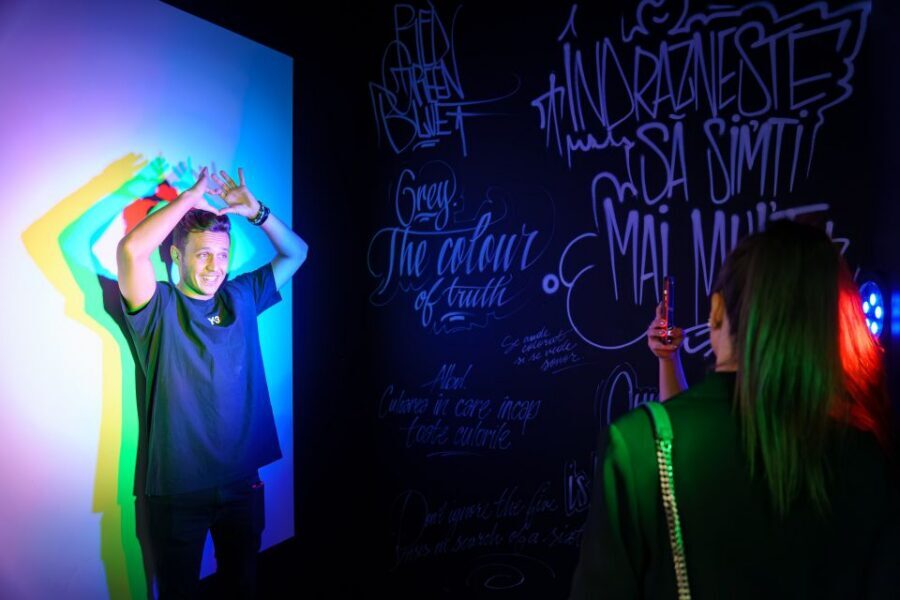
After the maze, the RGB room is a different kind of mind game. Instead of asking you to find your way, it plays with how you perceive color and light. It’s one of those rooms where your phone camera becomes your co-pilot: what looks subtle to the eye can look dramatic in the lens.
This is also a room that helps if you’re visiting as a couple or group. You can take turns, swap angles, and see how the same scene changes depending on where you stand.
If you’ve ever wondered why screens and lighting can change your perception of everything from skin tones to object size, this room gives you a practical answer. You may not learn the physics in a classroom way, but you’ll feel it.
Infinite tunnel and height fear: tricking your balance
The infinite tunnel is designed specifically to mess with your sense of height and direction. Some illusions work only on your eyes; this one gets deeper by putting your body’s instincts into the equation.
People often talk about the tunnel effect as upside-down without truly feeling like you’re in danger. You’ll likely feel the “wow” more than the “panic,” especially if you go in with curiosity rather than fear.
A practical note: if you have strong motion sensitivity or you generally hate disorienting spaces, you might want to pace yourself. Pause between sections, breathe, and focus on a stable point when you can.
Optical illusion desert, vortex tunnel, and the 2D cafe room
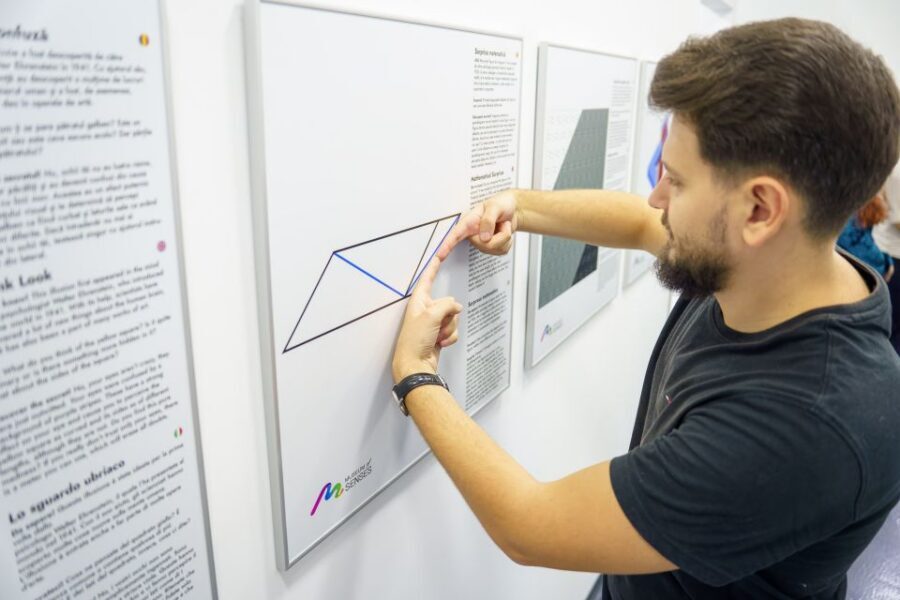
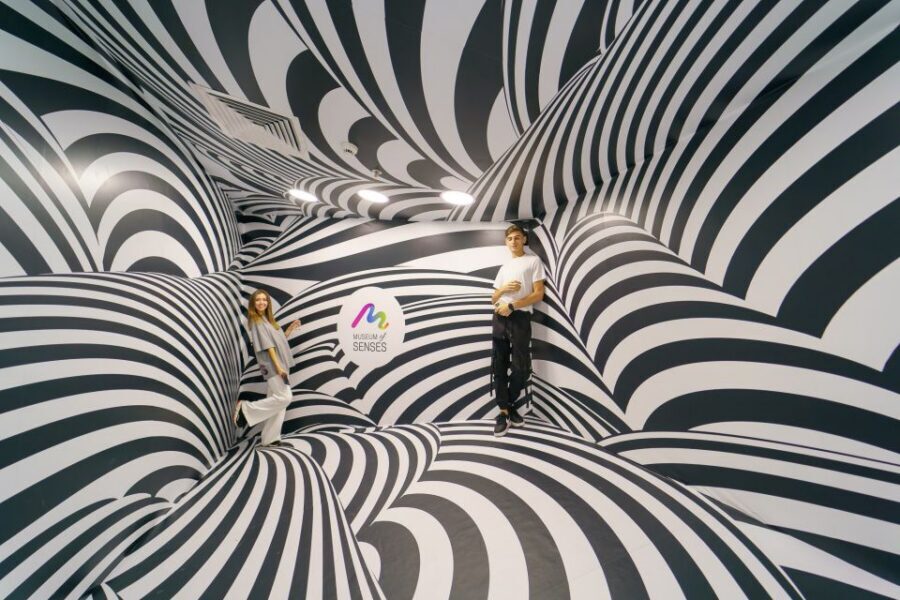
Next comes a themed set of rooms built to stretch perception. The optical illusion desert is described as mind-blowing, with visual tricks that can make your brain insist you see depth or motion where there shouldn’t be any. It’s a great stop for photos because the illusions often create dramatic “how did they do that?” moments.
Then you get the vortex tunnel, which leans into perspective and the feeling of being pulled into a spinning effect. Again, this is more about visual cues than actual movement, but it’s still intense enough that you’ll feel your instincts react.
The 2D cafe room is a crowd favorite for a different reason. It’s a way to transform a simple scene into something playful. Flat-looking spaces turn into realistic-feeling settings in your camera frame, which is why it’s so good for quick, fun shots. If you’ve ever wished you could travel more without spending time setting up a complicated photoshoot, this room is a shortcut.
The Ames room: the famous distortion that feels impossible
The Ames room is the “world-famous” stop in the route, and it’s usually where visitors understand the magic isn’t accidental. It’s engineered. The room distorts size and proportions so that your body scale changes dramatically depending on where you stand.
This is the kind of illusion that’s hardest to explain until you see it. You’ll watch people step into position and then react, because the effect is so straightforward and so wrong.
What makes it especially valuable for visitors is how social it is. You’ll naturally want to take turns posing. It’s also a room where staff help can be useful because small positioning differences make the effect stronger.
Infinity mirror room: where dancing becomes the whole point
If the Ames room is the science trick, the infinity mirror room is the emotional one. This is where repeating reflections turn the space into something endless-looking. You can dance, pose, and take photos that look like you’re standing inside a visual tunnel.
Even for people who don’t love “performance” activities, this room usually converts. The effect is instant, and you don’t need any instructions beyond stand, try, and play.
What makes the infinity mirror work for you
It gives you a sense of scale without requiring you to go anywhere. You’re creating an experience that looks bigger than the room itself. That’s a big win when you’re short on time in Bucharest and don’t want to line up for something that takes half the day.
Also, staff sometimes help visitors set up shots. Names like Aura and Sorina are tied to that kind of help, which makes the infinity mirror far less stressful if you’re traveling with one other person and don’t want to rely on strangers.
Staff help and photo-friendly design
One of the most consistent things people liked is how welcoming and helpful the staff feels. Visitors mention helpful interactions with staff members such as Mihai (including guiding), Aura, Sorina, Kaleen, Calin, and Valentin. Across those names, the theme is the same: they help you understand what to do and they’ll help with photos.
That matters because interactive exhibits can feel awkward if you’re not sure where to stand or what angle the illusion needs. When staff step in, you don’t waste time. You also get better pictures with less trial and error.
Lockers and Wi-Fi: small details that prevent frustration
You get a cloakroom and lockers along with Wi-fi. That’s practical. If you’re carrying bags or you just want your hands free for photo ops, lockers keep the experience smooth.
It also helps for families. Kids can move around more easily when adults aren’t juggling coats and phones in crowded spaces. And if you want to share a clip right away, Wi-Fi makes that easier.
Finding the place: in a big mall, on a top-floor brain test
The museum’s mall location is convenient, but it can cause confusion. One common complaint is that signage or location description may not be perfectly clear, so you might need to ask on-site staff in the mall for the direction.
My advice is simple: don’t treat wayfinding as part of the “fun.” Build a small buffer. If you’re meeting someone, pick a clear internal meeting point like a specific shop or food court landmark, not just the museum entrance.
Who should go (and who might not love it)
This is an easy win for lots of visitor types:
- Families with kids, because it’s playful, photo-friendly, and varied
- Couples, because many rooms look great in selfies and couple poses
- Solo travelers, because staff help with photos and you’re never stuck waiting for someone to share a camera
- Adults who like optical illusions and don’t need a traditional museum format
It may be less satisfying if you’re expecting a museum in the classic sense. Even positive comments sometimes mention it’s short or not huge, and some adult visitors felt the experience was limited. In other words, it’s best treated as a fun sensory stop, not a long day of learning.
Accessibility: wheelchair access with one realistic caveat
The museum is listed as wheelchair accessible, and many exhibits are described as wheelchair friendly. One caution from a comment notes that a few areas may not be accessible because of a step.
So if you’re using a wheelchair, the best move is to plan for a slower pace and be ready for the staff to help you choose the accessible route. The good news is that the overall setup is designed with accessibility in mind, not as an afterthought.
The real plan: how to pair it with Bucharest
Because it sits in a mall, you can make this a flexible day-plan. If Bucharest weather is fine, you can still do it as a break between walking and dinner. If it’s rainy or hot, it becomes a comfortable indoor block.
A good approach is: museum first, then stay for food and a little browsing afterward. Some visitors specifically liked using it as time to burn after exploring the area, and the mall setting makes that idea effortless.
Should you book the Museum of Senses in Bucharest?
Book it if you want a one-hour, low-effort, high-fun sensory experience with strong photo moments. At $13 and with 40+ exhibits across 11 rooms, it’s a good deal when you match the format: playful, visual, and interactive rather than traditional.
Skip it or choose another activity if you need a longer attraction, deeper explanations, or a museum-style pace. A few adults felt it was smaller and shorter than expected, and the mall location means you’ll also feel the surrounding noise and crowd energy.
If you’re going soon, I’d do one last thing before you arrive: bring your phone charger mindset (or extra battery) because rooms like the Ames room and infinity mirror are exactly where you’ll want to keep shooting.
FAQ
How long is the Museum of Senses ticket good for?
The experience is listed as lasting about 1 hour.
How many exhibits and rooms are there?
You’ll go through over 40 exhibits spread across 11 different rooms.
What’s the price per person?
The ticket price is listed as $13 per person.
Is it wheelchair accessible?
It’s described as wheelchair accessible, and many exhibits are accessible, though a few areas may have steps that can limit access.
Are lockers included?
Yes. A cloakroom and lockers are included.
Is Wi-Fi included?
Yes, Wi-Fi is included.
Where is it located?
It’s in Bucharest-Ilfov, Romania, inside a large shopping mall area.
Can I cancel for a full refund?
Free cancellation is available up to 24 hours in advance for a full refund.