REVIEW · CLUJ NAPOCA
From Cluj-Napoca: Two Day Tour to Maramures
Book on GetYourGuide →Operated by Rolandia · Bookable on GetYourGuide
Maramureș feels like Romania at its most human. This tour is built around family life, hands-on traditions, and the spiritual side of daily routines, not just photo stops. I like that you get to see how people live—through the doorways, the food, and the quiet craft work.
My favorite part is the chance to step inside local homes and share a meal that tastes like it was made for you. You also get old wooden churches and monastery time that helps the region make sense, even when the details are complicated. If you dislike long drives and walking on uneven ground, plan carefully.
One real drawback: this trip is not for people with mobility impairments or wheelchair users, and some village paths and outdoor stops can be rough underfoot.
In This Review
- Key points worth knowing
- Cluj-Napoca to Maramureș: the road north sets the tone
- Breb village and the carved door: why the night matters
- Stepping into local homes: traditions that live at the kitchen table
- Craft stops and the wool-and-wood connections
- Sapanta’s Merry Cemetery: humor as part of remembering
- Wooden churches and monasteries: the spiritual side, explained by place
- Nature lovers’ Maramureș: virgin forests and wildlife
- Who these guides are like (and why it matters)
- Price and value: is $688 per person worth it?
- What to bring (and what to plan around)
- The kind of traveler who will love this
- Should you book this Maramureș tour?
- FAQ
- How long is the Maramureș tour?
- Where does the tour start?
- What’s included in the price?
- What meals are included?
- Is it suitable for wheelchair users or people with mobility impairments?
- What do I need to bring?
- Are pets allowed and is photography included?
Key points worth knowing
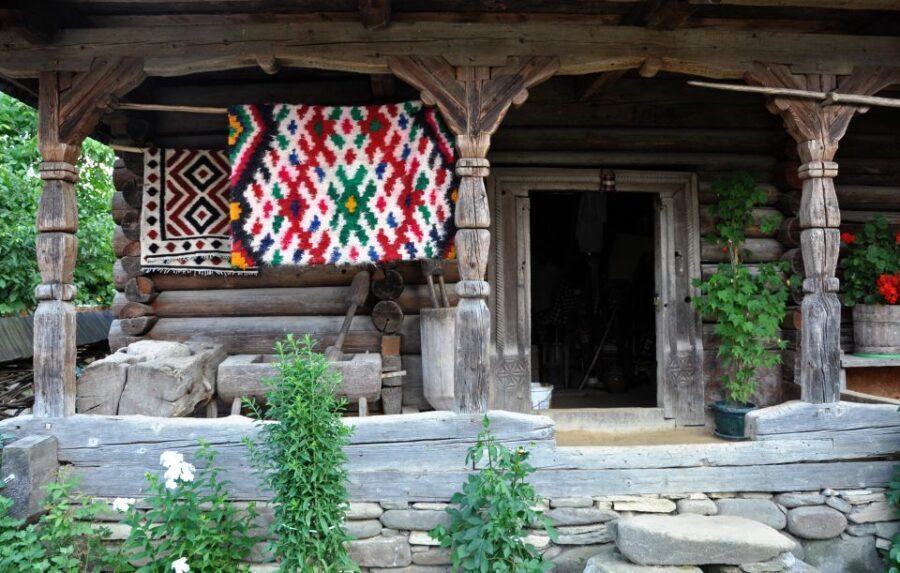
- Home-entry tradition: you don’t just look from outside; you enter and learn how customs run the household.
- Wood-carving and craft demos: you’ll see working hands at work, from wood to wool-related traditions.
- Breb village overnight in a traditional house: a real night in the region’s style of accommodation, not a generic hotel stop.
- Merry Cemetery in Sapanta: funerary art with humor that feels surprising in the best way.
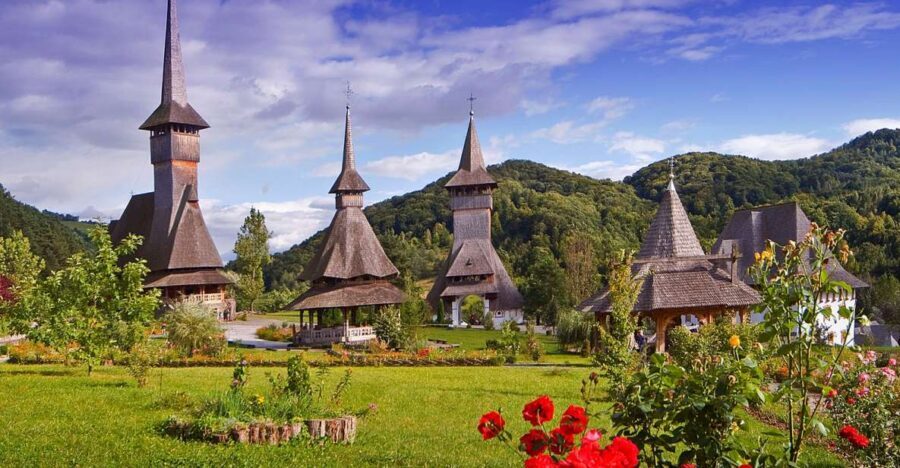
- UNESCO-listed wooden churches: the craftsmanship is the main story, and it’s easy to understand once you’re there.
- Virgin forests and animal life: the tour sets nature up as living, not staged.
Cluj-Napoca to Maramureș: the road north sets the tone
This two-day route starts in Cluj-Napoca, with pickup from your hotel and a modern car heading north toward Maramureș. You’re traveling into a region first mentioned in documents in 1199, which matters because the tour keeps returning to what that kind of age looks like in real life: traditions carried at home, not just preserved in museums.
The best thing about the drive is that it’s not treated like dead time. You’re meant to arrive with context, then build that context step by step. You’ll see villages, countryside views, and small “everyday” details that make the bigger religious and architectural stops land better.
Time on the road is part of the deal here, so it helps if you don’t want a schedule that’s packed every single minute. If you’re hoping for a purely walk-and-stay-light itinerary, this one may feel slower than you expect.
A few more Cluj Napoca tours and experiences worth a look
Breb village and the carved door: why the night matters
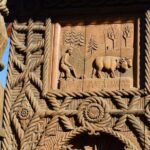
Your first day ends in Breb village, with a warm, tradition-centered arrival. You enter through a beautiful handmade carved door, and the details aren’t random décor—they carry cultural meaning. That’s the theme of the whole trip: symbolism you can actually see, not symbolism explained at you.
Inside, you’ll have a traditional lunch in Breb, then overnight in a traditional house. What makes this valuable is not just “traditional lodging” as a marketing line. It’s the chance to experience how the region’s daily life continues after the sightseeing day ends. And it also gives you breathing room—because after a day of churches and crafts, you need a quieter place to sit with what you’ve learned.
Weather can be cold in this part of Romania, and at least one traveler experienced a night below zero. That’s a good reminder to pack for real temperature swings, even if the day starts mild.
Practical note: you’ll need comfortable shoes. Even when you aren’t trekking, village surfaces and paths can be uneven.
Stepping into local homes: traditions that live at the kitchen table
The tour’s backbone is the home visit, and it’s where you’ll likely learn the most without it feeling like a lecture. Maramureș culture revolves around the household, and this stop is designed for exactly that reason. You’ll enter a traditional house, meet the people living that way, and see how customs tie into daily routines.
This is also where the food becomes more than “a meal.” You’re eating as part of hospitality and simplicity, using fresh ingredients and traditional preparation. One of the standout sayings you may hear in the region is that you’ll never leave hungry—and on this style of visit, it tracks. Lunch and dinner aren’t presented as a rushed part of a checklist; they’re part of the conversation.
If you’re curious about how a region’s identity survives modernization, home entry is the clearest route. Museums can show objects. Homes show the pattern—where things are placed, what gets repeated, what people still value.
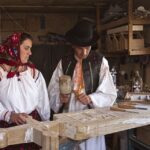
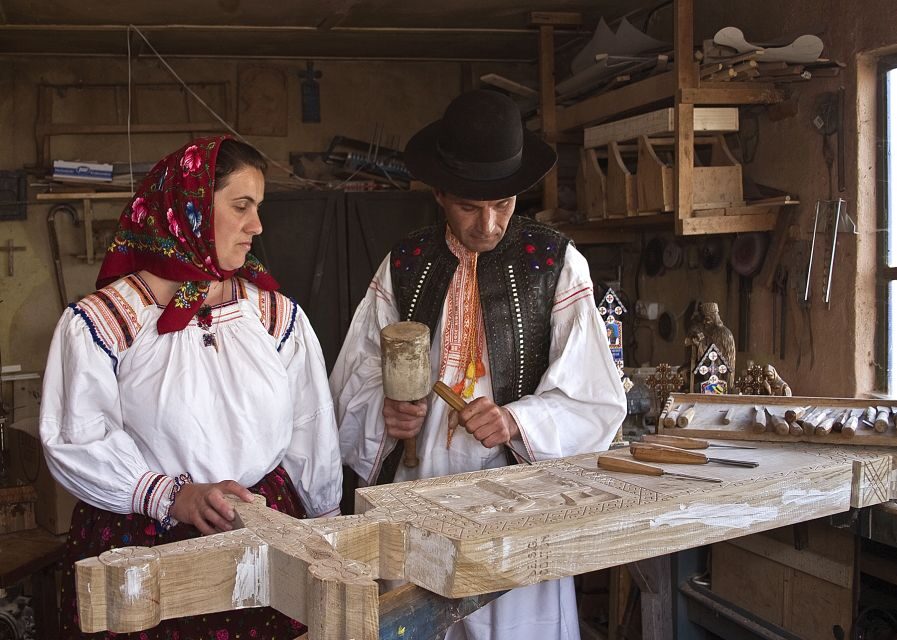
You’ll also see crafting activities, especially wood carvings, with a chance to taste palinka while discussing with locals. If you’re the kind of traveler who likes questions—about family life, work, faith, or what people think is changing—this is the portion that rewards you most.
Craft stops and the wool-and-wood connections
Besides the home visit, you’ll spend time around village-level craft traditions. Expect demonstrations and the chance to see skilled work up close. The tour description emphasizes wood carving, and the experience is likely to include scenes where craftsmen explain techniques in plain language.
One of the most distinctive elements here is the mention of “ingenious natural washing machines,” used by women to wash woolen rugs with whirlpools in Maramureș. Even if you’re not standing right beside the equipment, you’ll come away understanding that local knowledge often meant using what the land offers—water, slope, current—in practical ways.
I like how this makes the region feel lived-in. You aren’t only looking at finished souvenirs. You’re learning the logic behind the work, which is a big difference.
Sapanta’s Merry Cemetery: humor as part of remembering
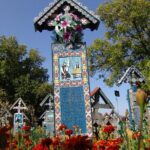
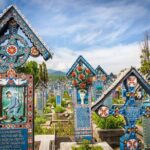
At some point, you’ll reach the Merry Cemetery in Sapanta, one of the tour’s most memorable “wait, what?” stops. This cemetery is known for funny epitaphs, and the effect can be jarring until you sit with it.
What I like about including this is that it adds a human layer to the rest of the trip. The wooden churches and monasteries bring faith into view. The Merry Cemetery shows another side of spirituality: how grief and memory can still carry humor, and how people can keep personality alive even when the topic is death.
It’s not a generic roadside stop. It’s an emotional pivot point. If you come expecting solemn and only solemn, you may need a few minutes to recalibrate. But if you’re open to the region’s emotional honesty, it’s one of the most powerful moments.
Wooden churches and monasteries: the spiritual side, explained by place
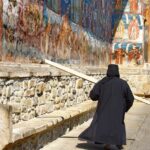
The second day (and likely part of the first) includes churches and monasteries, including a UNESCO World Heritage Site connected to the area’s famous wooden churches. You’ll see churches that were manually carved by local craftsmen, and the tour is built for visitors who care about religion, architecture, and how people built what they believed in.
The key here is that you’re not just seeing buildings. You’re learning how the craft ties into faith and identity. When you look at wood churches from the ground, you start noticing details that you’d otherwise miss. The joints, the carving, the way the structure holds together—those things tell you that this was serious work done by people who expected it to last.
This is also where your guide can change the whole feel of the trip. In particular, guides like Ilona and Josif/Joseph have been praised for making the history and regional background understandable. If you get a guide who speaks with energy and keeps moving between religion, everyday life, and architecture, the churches won’t feel like a list of stops.
Nature lovers’ Maramureș: virgin forests and wildlife
This isn’t only about buildings and traditions. The tour makes nature part of the core story, with time shaped by the idea that Maramureș has virgin forests—some of the last in Europe still untouched by humans. The point isn’t just scenery. It’s the cycle: old trees die, fall, and feed the earth for the next generations.
That matters because the tour describes a forest full of trees of many ages, and it highlights that under the branches live over 10,000 species of animals, including brown bears, wolves, and deer. Whether you spot wildlife or not, that framing changes how you look at what you’re walking through. You’re not in a groomed park; you’re in a working ecosystem.
You’ll also get hill villages and fields with haycocks in the sun, and the tour has a “Lord of the Rings setting” vibe—without needing any theme-park tricks. Heights help you see how villages sit among fields and woods, and it’s a good moment to pause and let the region’s scale register.
Who these guides are like (and why it matters)
The quality of this tour is closely tied to your guide’s local connection. For example, a guide named Florin was described as a local boy from Maramureș, and that local perspective can mean smoother conversations with villagers and faster explanations of what you’re seeing. Another guide, Ilona, was praised for kind attention and good conversation. Josif (also referred to as Joseph) was highlighted for broad history explanations and strong engagement.
So if you’re choosing this tour because you want more than surface facts, that guide-energy matters. A great guide helps you connect the dots: why a carved door detail matters, why wooden churches are built the way they are, and how craft traditions connect back to faith and family life.
Price and value: is $688 per person worth it?
At $688 per person for two days, it’s not a budget outing. But it also isn’t paying only for transportation. The price is tied to several “heavy” costs:
- Modern transport from Cluj-Napoca with pickup included
- Accommodation in a traditional house
- Professional guide (English, with German or French on request)
- Entrance fees to included sights
- Meals included: one traditional dinner and lunch served in Breb, plus bottle of water
When a tour includes lodging in the destination area (not just a day trip), the value can be real, especially in regions where you can’t easily stitch the experience together yourself without a lot of planning. You’re also paying for access—entering homes, meeting locals, and guided church/monastery time—things that can be hard to arrange on your own in a short window.
Where the price can feel steep is if you mainly want quick viewpoints, minimal walking, and lots of free time. This tour is for people who enjoy tradition, religion, and guided context.
What to bring (and what to plan around)
Bring:
- Passport or ID card
- Comfortable shoes
Don’t plan on:
- Pets (not allowed)
- A wheelchair-friendly route (not suitable for wheelchair users and mobility impairments)
Also note:
- Photography may have a fee, since it’s not included.
My practical tip: pack layers. You’re moving between villages, churches, and forests, and the temperatures can swing—especially if you’re visiting outside the warmest months.
The kind of traveler who will love this
This two-day Maramureș tour is a strong match if you:
- love tradition you can actually witness, like home life and craft work
- care about wooden churches, monasteries, and the region’s spiritual culture
- enjoy nature stops and want the forests to matter, not just as background
- want food that’s part of the story, not an afterthought
If you prefer a faster, strictly sightseeing day with minimal interaction, you might find the focus on homes and conversations a slower style than you expected.
Should you book this Maramureș tour?
Book it if you’re seeking a grounded cultural trip: home-entry tradition, wood-carving craft, meaningful church time, and a night in Breb. The price becomes more reasonable when you factor in lodging, guide time, entrance fees, and meals that are part of the experience rather than random restaurant stops.
Skip it (or choose a different style tour) if accessibility needs are a concern, if you don’t like uneven walking surfaces, or if you want a purely casual itinerary with lots of independent exploration.
If your travel taste leans toward real people, real food, and places with continuity, this is the kind of trip that sticks with you after the photos fade.
FAQ
How long is the Maramureș tour?
The tour lasts 2 days.
Where does the tour start?
It starts from Cluj-Napoca, and your guide picks you up from your hotel.
What’s included in the price?
Included are transport with a modern car, accommodation in a traditional house, a professional English-speaking guide (German or French on request), entrance fees, a bottle of water, and one traditional dinner and lunch in Breb.
What meals are included?
You’ll have traditional lunch in Breb and one traditional dinner. Other meals are not included.
Is it suitable for wheelchair users or people with mobility impairments?
No. It is not suitable for people with mobility impairments or for wheelchair users.
What do I need to bring?
You should bring your passport or ID card and comfortable shoes.
Are pets allowed and is photography included?
Pets are not allowed, and photography fees are not included.