Bucharest has a way of rewarding side streets. This 2.5-to-3 hour walk focuses on everyday neighborhood life, not big-ticket monuments, with stops in Batistei and beyond that make the city feel personal fast. I like how the tour also gives you simple, readable history for why these areas look the way they do.
Two highlights I’d point you toward: you get to see an 18th-century church in Batistei, and then you move into the story of Bucharest’s older domestic life at Casa Melik, where tradition and rumor both play a part. In groups small enough to actually ask questions, guides such as Ioana and Elena have a reputation for explaining clearly and keeping the walk fun.
One thing to keep in mind: the walking pace is steady, and the timing can feel a bit fluid depending on the group and questions. Also, the tour includes only one snack, so if you get hungry easily, plan to grab more afterward on your own.
In This Review
- Key things you’ll notice on this walk
- How this 3-hour walk makes Bucharest feel walkable
- Starting point at the National Theater: a good “orientation” choice
- Batistei neighborhood and its old church you can actually enjoy
- Head into the Armenian Orthodox church replica story
- Casa Melik: a traditional peasant house with secrets and a cellar
- Covrig snack stop: why Bucharest loves salty “pretzel-like” bread
- Mantuleasa Street: a prettiest-street kind of history stop
- The Ioanid block and Icoanei mahalla finish
- Price and value: what $53 buys you (and what it doesn’t)
- Walking pace, weather, and comfort basics you’ll want to plan
- Who this tour is best for
- A balanced reality check before you book
- Should you book this Bucharest walking tour?
- FAQ
- Where is the meeting point?
- How long is the walking tour?
- Is a snack included, and what will it be?
- What group size should I expect?
- What language is the tour guide?
- Is this tour suitable for children?
Key things you’ll notice on this walk
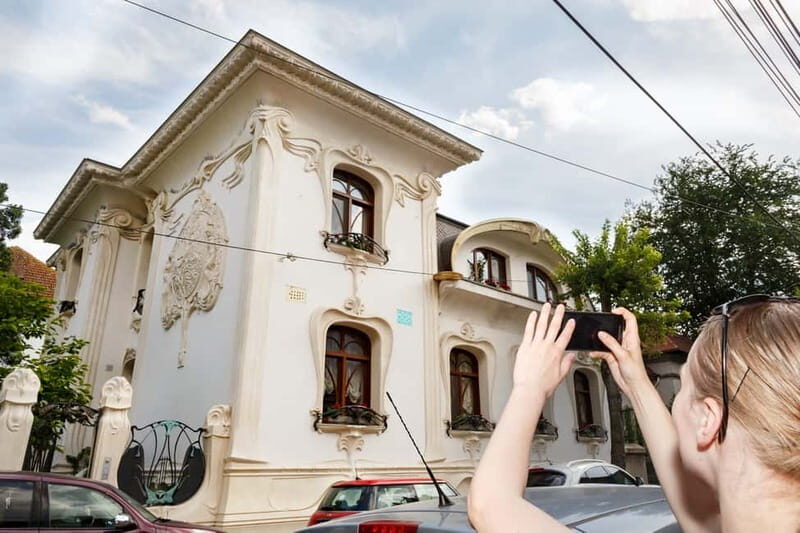
- Batistei: a mahala shaped around religious life, with a well-preserved old stone church
- The Armenian Orthodox church replica story, tied to early-1900s community roots
- Casa Melik: a traditional Wallachian peasant house with a cellar and glass-covered veranda
- A stop for covrig, Bucharest’s salty street snack with a long food-history debate
- Mantuleasa Street, mixing neoclassical, Romanian, and modernist touches plus Mircea Eliade context
- The finale around the Ioanid block and Icoanei mahalla for a strong neighborhood ending
How this 3-hour walk makes Bucharest feel walkable
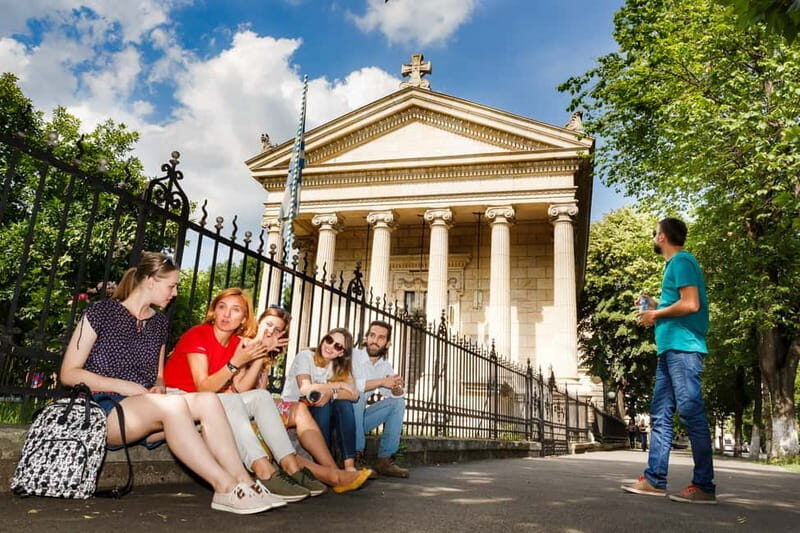
This tour is designed for people who want Bucharest in human scale. You’ll be moving through neighborhoods where the city’s layers still show: old religious anchors, residential patterns, and the architecture changes that came after modernization, wars, and later the heavy-handed demolitions of the Ceausescu era. Instead of trying to cram everything into a checklist, you get a story thread you can follow on foot.
The group stays small, with a maximum of 12 people, which matters more than it sounds. In a city like Bucharest—where corners, doorways, and façades are the real details—small groups mean you can actually look, ask, and reset your bearings without feeling rushed.
You can also read our reviews of more walking tours in Bucharest


Starting point at the National Theater: a good “orientation” choice
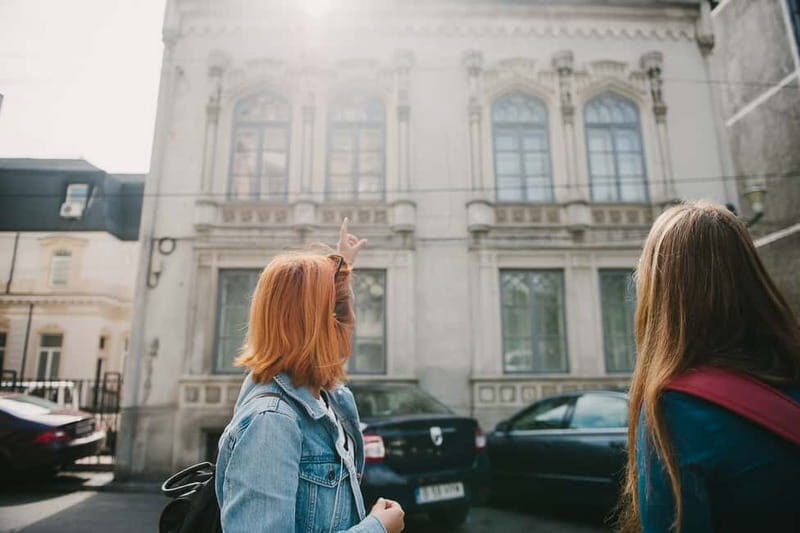
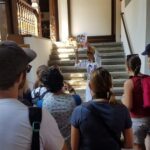
You meet on the stairs of the National Theater, in front of the main entrance. It’s an easy landmark, and it puts you near a busy public-transport feel, so you can arrive without sweating a complicated meetup. Once the tour starts, you’ll head out on a gentle stroll first, so you’re not immediately paying for your energy with nonstop uphill or long flat sprints.
If you want to make the most of the first 15 minutes, do this: settle into your walking rhythm, and keep your eyes up at building details. Early on, your guide tends to set up the key idea of mahalas—neighborhoods that formed around religious buildings and grouped people by community ties. That framework pays off later when you see how each stop fits the pattern.
Batistei neighborhood and its old church you can actually enjoy
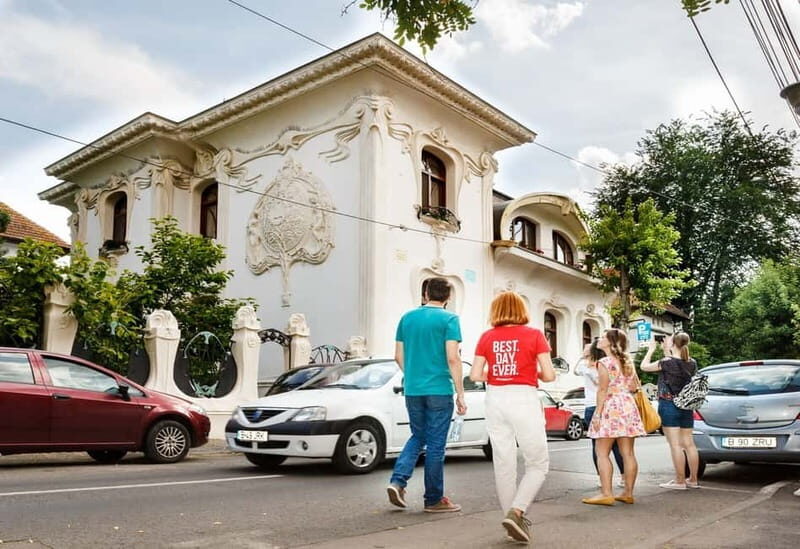
Batistei is the tour’s “welcome mat.” You’re shown why mahalas formed where they did, and then you shift from theory to something you can stand in front of: an 18th-century stone church, listed as a historic monument by Romania’s Ministry of Culture and Religious Affairs.
This stop works because it’s not just a photo moment. You hear what life in the area could have felt like before Communist rule took over, and you get the sense that the neighborhood’s shape isn’t random. Mahalas weren’t planned the way new districts are; they grew as a city grew, and that history shows in how the blocks sit, how the streets funnel, and how religious buildings anchor a community.
Practical tip: wear comfortable shoes and plan to keep your head uncovered only if you’re okay with strong sun. The tour advises sunscreen and something to cover your head in warmer months, and you’ll be glad you did once the route leaves shaded pockets.
Head into the Armenian Orthodox church replica story
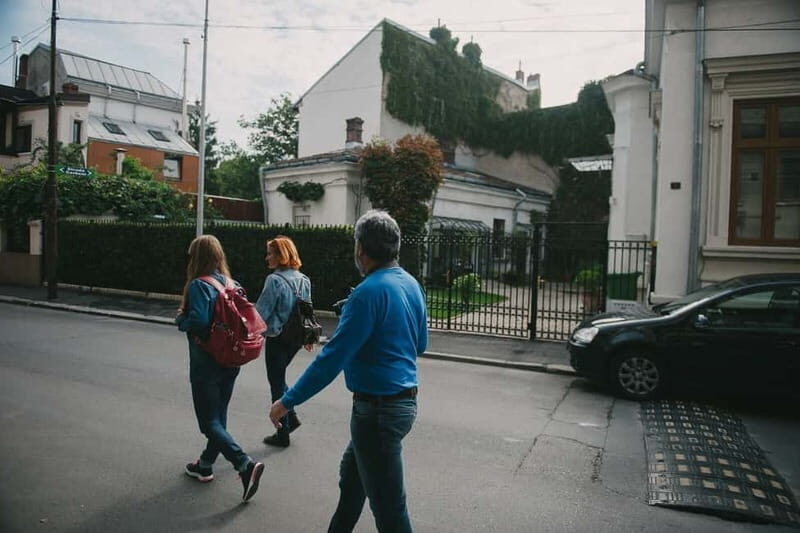
Next you’ll visit an Armenian neighborhood stop: an Orthodox church built in the early 20th century for the Armenian community of that time. What makes this worth your attention is that it’s described as an exact replica of a cathedral in the Armenian city of Ecmiazin.
This matters for two reasons. First, it’s a reminder that Bucharest’s story isn’t only about Romanian-majority history—communities brought their own religious and cultural anchors. Second, the replica detail gives you a concrete way to think about identity in architecture: buildings can travel through design, even when people move through time.
If you care about how immigrant or minority communities left durable marks on big cities, this is one of those quiet stops that pays back later when you notice similar patterns on your own.
Casa Melik: a traditional peasant house with secrets and a cellar
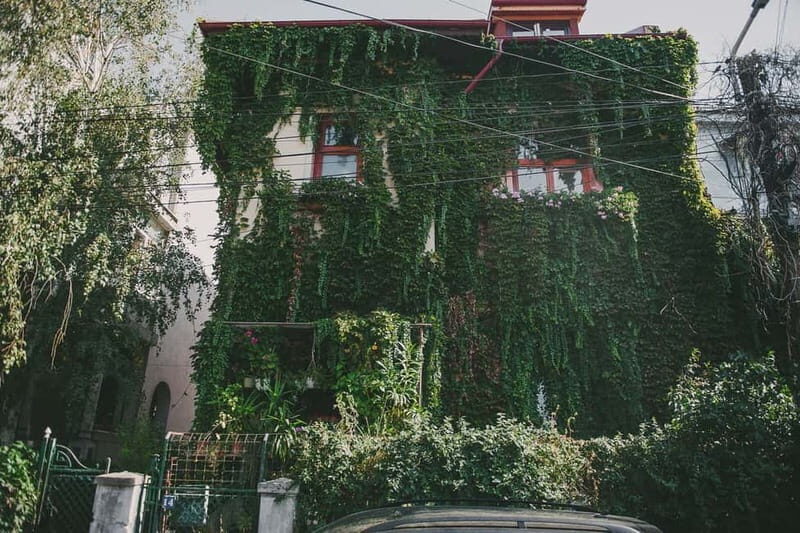
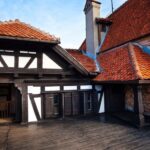
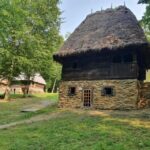
Then you arrive at Bucharest’s oldest home: Casa Melik. This is the part of the tour that tends to feel the most different from the average “look at the outside” walking style.
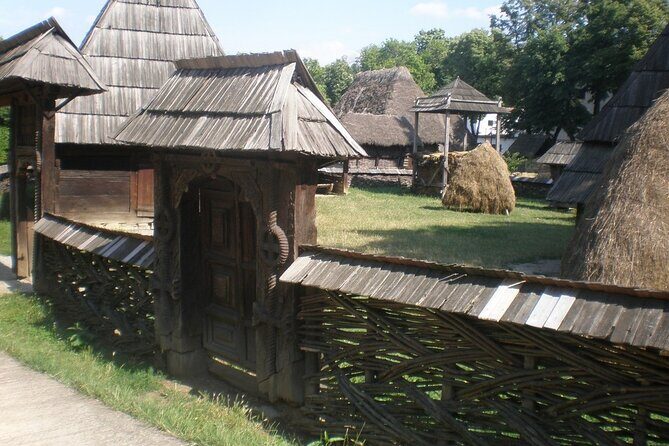
You’ll see it as a traditional Wallachian peasant house, including a high cellar and a glass-covered veranda. Those details are more than decorative; they point to how everyday life worked in earlier Bucharest—how houses handled storage and temperature changes, and how families used semi-outdoor spaces.
And then there’s the fun part: the tour shares legends that underground tunnels connect the house with local masonic lodges. You don’t have to believe every rumor to enjoy the story. It gives the building a pulse, like the house is part of a larger network of hidden connections—physical or symbolic—running under the city.
Small caution: this stop is tightly tied to the building’s own explanations. If you’re expecting a hands-on museum-style visit with lots of interactive time, you might find it more narrative than hands-on. Still, it’s one of the best uses of a short walking tour: it turns a single house into a whole slice of daily life.






Covrig snack stop: why Bucharest loves salty “pretzel-like” bread
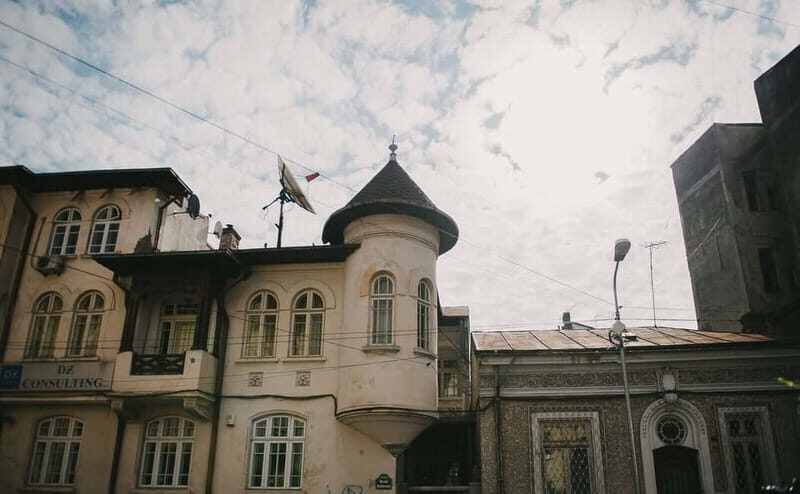
Now for the one included bite: a stop to try covrig, Romania’s favorite street snack. It’s salty and pretzel-like, so if you like fast, warm, grab-and-go food, you’ll probably take to it right away.
The tour also shares the food history debate: covrig was once thought to have been introduced by Greek merchants in the 19th century, allegedly to boost wine consumption. But the similarity to German pretzels suggests Romanians may have been eating something like this long before that.
This is one of those snack moments that’s actually useful. After you taste it, you understand why locals treat it as a habit, not a novelty. And because only one snack is included, it’s also a clean “starter” that lets you keep your budget in check—then decide later where you want to eat more.
Mantuleasa Street: a prettiest-street kind of history stop
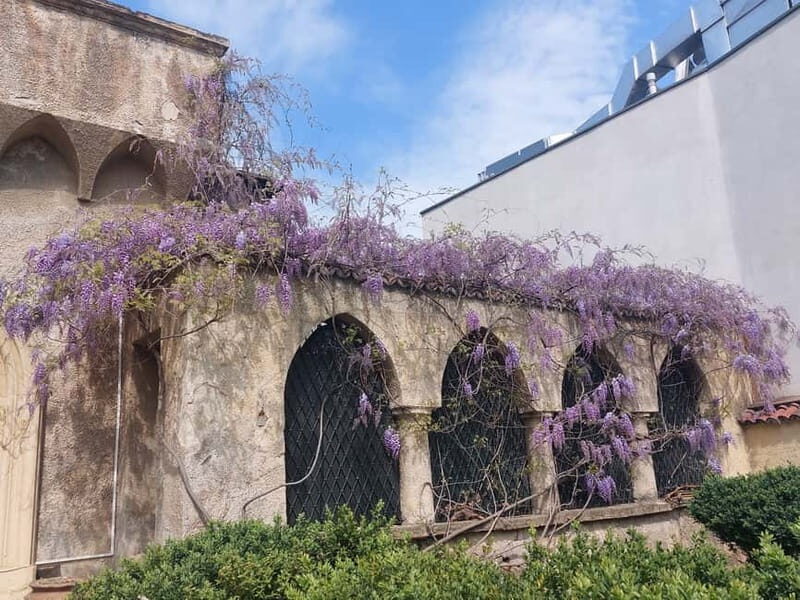
After the covrig, you move into Mantuleasa Street, described as one of Bucharest’s prettiest stretches. It began as a mahala for rich merchants, and you can often see that old wealth in the elegance of the architecture.
Here the tour points out a blend of styles—neoclassical, Romanian, and modernist touches—so you’re not just looking at pretty façades. You’re learning how time layers onto a neighborhood block by block.
And then you bring in culture with Mircea Eliade. This is presented as his favorite part of the city. You’ll learn about his role as a philosopher and writer, and that he was a professor at the University of Chicago until his death in 1986. It’s a strong connection because it turns an attractive street into a personal map of where ideas and intellectual life sat in the physical city.
How to get more from this stop: slow down a bit and watch how buildings transition. Mantuleasa is the kind of street where one corner can look entirely different from the next, and that’s the point of mixing architecture with biography.
The Ioanid block and Icoanei mahalla finish
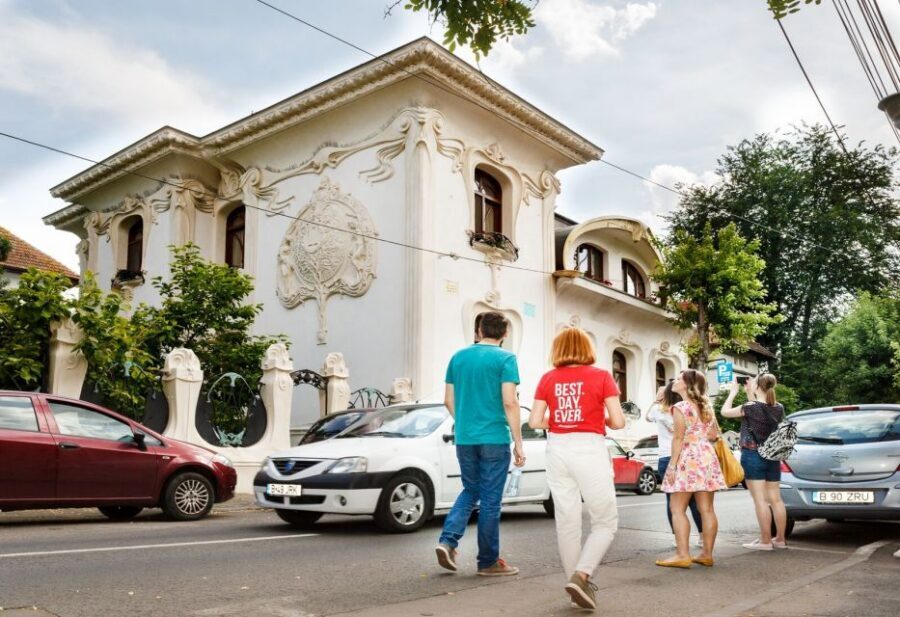
Your walk ends with a visit to the Ioanid block and the surrounding Icoanei mahalla. This is a good closing choice because it keeps you in the “neighborhood architecture” lane rather than sending you back into the tourist-only zones.
By the time you reach this final stretch, you’ll already have the mahalas framework in your head. So even if you don’t memorize every architectural term, you can still notice patterns: how blocks sit, how streets widen or narrow, and how a district feels designed for people to live in, not just pass through.
You’ll also get a chance to ask your guide for practical ideas—where else to go and where to eat and drink. That kind of local direction can save you time later, especially if you’re only in Bucharest for a short stay.
Price and value: what $53 buys you (and what it doesn’t)
At $53 per person for roughly 3 hours, the value depends on what you want out of your day.
You’re paying for:
- A local English-speaking guide
- A planned route through multiple neighborhood stops
- One included traditional snack (covrig)
- Small-group size up to 12 people, which makes the walk more interactive
You’re not paying for:
- Additional food and drinks beyond the single snack
- Souvenirs or personal shopping
For most people, the price makes sense if you like learning while walking and you want your first taste of Bucharest beyond the obvious highlights. If you’re the type who hates guided time and prefers wandering freely, you might find you’re paying for structure you don’t fully use. But if you’re curious about history that explains what you’re seeing—this style of tour tends to be a strong match.
Walking pace, weather, and comfort basics you’ll want to plan
Because the tour is a 3-hour walking route, comfort matters. Wear comfortable shoes and bring sun protection; summer sun in Bucharest can feel relentless on open stretches. The tour specifically recommends sunscreen and something to cover your head.
Also keep an eye on group flow. Small groups still mean a bunch of people trying to move through sidewalks, so if you prefer long photo stops, build that into your pace. The best strategy is to take pictures while you’re walking between stops, then linger only where your guide is actively talking.
Who this tour is best for
This is a great fit if you:
- Want neighborhood history rather than a museum-only schedule
- Like architectural details and human-scale streets
- Enjoy food that ties into a story (covrig is part of that)
- Prefer small groups and Q&A time
It’s also good for families since the tour is described as child-friendly, with children ages 6–11 permitted at the listed child rate, and kids under 6 joining free if you inform the organizer when booking. If you’re traveling with younger kids, just plan for breaks in between stops and keep expectations realistic for a walking-focused experience.
A balanced reality check before you book
Let’s keep this honest. Most people seem to get a lot from the guides and the route, especially when the storytelling clicks. There have been occasions where the tour ran shorter than advertised, and in at least one instance the snack listed in the ticket wasn’t provided. I’d treat that as a “double-check on the day” item: if snack time arrives later or feels off, ask your guide calmly.
Also, a few people felt some parts were more surface than they expected. If you want extremely deep academic-level discussion at every stop, this might not be the right format. The strength here is practical context and a walkable overview you can build on later.
Should you book this Bucharest walking tour?
I think you should book it if you’re aiming to understand Bucharest like a local map: mahalas, churches, street texture, and the way people’s stories get anchored in buildings. The route is short enough to be doable, and the mix of religious architecture, domestic history at Casa Melik, a real street snack stop, and the Eliade connection keeps it from feeling repetitive.
Skip it if you already know a lot of Bucharest history and you want a long, deep museum-style experience. In that case, you may find the walking route gives you “enough” context but not enough depth.
If you’re in the middle—new to the city, curious, and happy to walk—this is a smart first booking.
FAQ
Where is the meeting point?
You meet on the stairs of the National Theater, in front of the main entrance. GPS: https://goo.gl/maps/QyvsQwmWAVs
How long is the walking tour?
The tour duration is listed as 3 hours.
Is a snack included, and what will it be?
Yes. One traditional snack is included. The snack highlighted on the route is covrig.
What group size should I expect?
You’ll be in a small group of a maximum of 12 people.
What language is the tour guide?
The tour is conducted in English.
Is this tour suitable for children?
Yes. Children between ages 6 and 11 can join at the child rate, and children under 6 can join free of charge if you inform the organizer at booking.