REVIEW · CLUJ NAPOCA
Turda salt mine, Rimetea village and Alba Iulia, from Cluj
Book on Viator →Operated by Get a Cluj Tour · Bookable on Viator
Three stops, one unforgettable underground day. The day links Salina Turda’s salt-world underground rides and chambers with a mountain village stop in Rimetea, then finishes at Alba Iulia where you can see Roman and later fortifications in one place. I like that this tour keeps things small and conversation-friendly, so the guide can actually answer your questions instead of rushing you through.
I also love the way the day is built around storytelling: with English guidance from locals such as Geta or Joseph, you don’t just look at sights—you get the why behind mining history, Hungarian and Romanian influences, and the layered meaning of Alba Iulia. The one real drawback to plan for is physical effort. The salt mine can require stair climbing, and the mine stays cold (10–12°C) even in summer—so pack layers and take the stairs seriously.
In This Review
- Key Things to Know Before You Go
- Why This Cluj Day Trip Feels Like Three Different Worlds
- Salina Turda: Walking Through an Underground Salt City
- The fun factor inside the salt mine
- Cold air and what to wear
- Who should skip the mine
- Rimetea in the Apuseni Mountains: White Houses, Iron Mines, and Gate Symbols
- What you’ll like most in Rimetea
- The trade-off
- Alba Iulia Fortress: Romans, Medieval Walls, and a Vauban Master Plan
- What makes the fortress visit worth the effort
- How Long You’ll Be Out, and Where Time Really Goes
- Price and Value: What You Get for Around $207
- When this price feels right
- When it might feel steep
- Practical Tips That Make the Day Easier
- Who This Tour Suits Best (and Who Might Not)
- Should You Book This Cluj-to-Turda-Rimetea-Alba Iulia Tour?
Key Things to Know Before You Go
- Small-group pace: maximum 7 travelers means you’re not stuck waiting behind a crowd for every photo
- Salt mine is cold: expect 10–12°C underground year-round, plus some stair climbing
- Rimetea is quick but specific: you’ll focus on the main square, white-painted houses, and gate symbols
- Alba Iulia has multiple eras: Roman traces, medieval stories, and an 18th-century Vauban fortification
- Lunch isn’t included: you’ll have time to eat, but you’ll pay yourself (your guide will point you to good options)
Why This Cluj Day Trip Feels Like Three Different Worlds
This is a smart use of time if you’re basing yourself in Cluj and want variety in one long day. You start underground in a place that feels more like a sci-fi set than a mine, then you switch to Apuseni Mountain village life, and finally you end with fortifications and big national history at Alba Iulia.
What makes it work is the guide’s structure. Instead of treating the day as three unrelated stops, the explanation threads local industry (mines), regional culture (multi-ethnic Transylvania), and state-level history (Roman, medieval, and modern layers). If you like history that connects to everyday places—rather than history that lives only in books—you’ll enjoy the flow.
You can also read our reviews of more tours and experiences in Cluj Napoca.
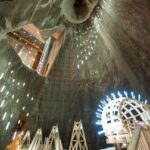

Salina Turda: Walking Through an Underground Salt City
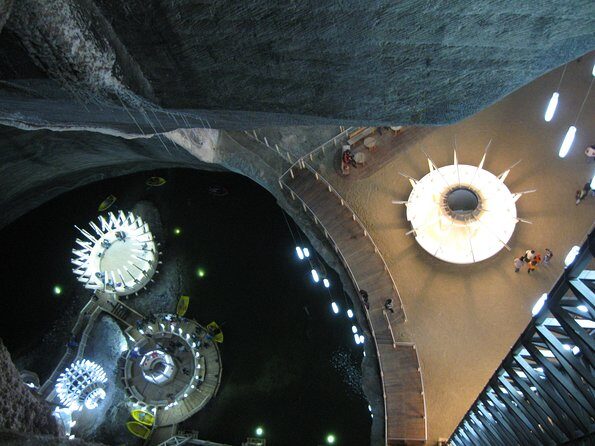
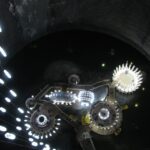
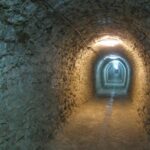
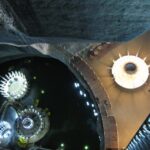
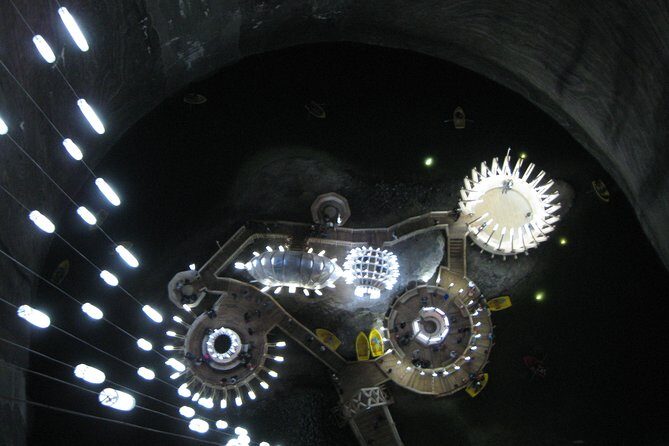
Salina Turda is the headline for a reason. You descend underground and end up surrounded by salt—literally, not just metaphorically. Your time isn’t limited to one corridor view. You walk through man-made galleries, visit three mining chambers, and get a guided explanation of mining techniques plus local urban legends tied to the mine.
Plan for movement. The mine visit includes climbing and descending stairs, and in full season there may be about 350 steps one way if elevator queues force a stair route. That doesn’t mean it’s a dealbreaker, but you should go in with realistic expectations—comfortable shoes help, and if you’re the type who hates stairs, you’ll feel it here.
The fun factor inside the salt mine
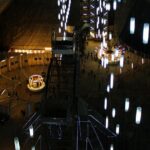
The underground amusement zone is part of the appeal. Depending on what’s running, you may have a chance to use attractions like a boat ride on the mini lake or a Ferris-wheel style ride. One key detail: these rides are not necessarily included in the main ticket. If you want them, treat it as an extra expense you choose, not an automatic part of the plan.
Cold air and what to wear
Even if it’s hot outside, the mine stays around 10–12°C all year. Bring a light jacket or layer you’re happy to keep on through the visit. If you run cold easily, add a warmer layer. You’ll also want something with grip—underground areas can feel a bit slick, especially on stair sections.
Who should skip the mine
This part of the day isn’t recommended if you have claustrophobia or if you have acrophobia (fear of heights). The setting is enclosed, and stair routes can include sections that feel exposed. If you’re unsure, it’s worth thinking about how you handle enclosed spaces before you commit.
Rimetea in the Apuseni Mountains: White Houses, Iron Mines, and Gate Symbols
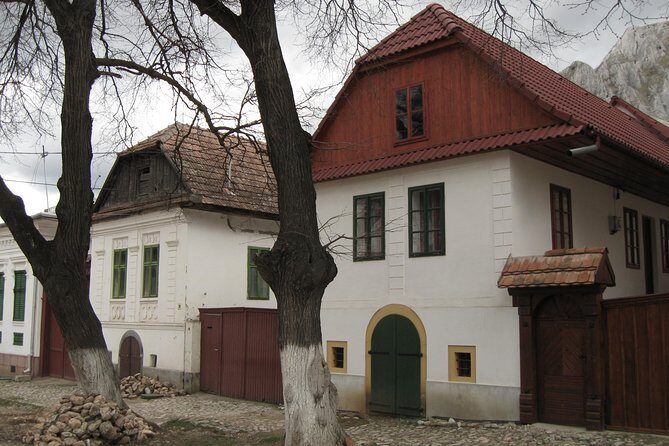
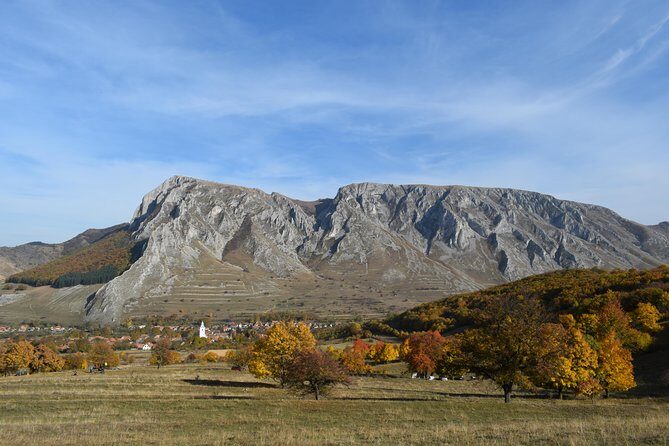
Rimetea is where the day breathes. After salt walls and underground sounds, you get mountain air and a village pace.
You’ll spend about an hour walking in the main square and taking in the character of the town. What catches your eye fast is the architecture: the famous white-painted houses, plus the way the area reflects its mining past. The guide explanation connects Rimetea to iron mines close by and helps you understand how industry shaped local life and identity.
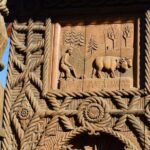
There’s also a mysterious side. Rimetea’s gates carry symbols that spark curiosity. You’re not just looking at decoration—you’re learning what to pay attention to and how to read those details in context.
What you’ll like most in Rimetea
This stop works well if you enjoy small places with stories. It’s not a museum village with controlled entrances; it feels like a living community where history is embedded in everyday surfaces. And because the time here is limited, you’ll come away with a clear sense of the town without getting stuck in a long, slow schedule.
The trade-off
Rimetea is intentionally short. If you love wandering off the main route for hours, you might want extra time on your own. But if you want the highlights—the square, the house styles, and the gate symbols—this timing fits neatly inside the full-day plan.
Alba Iulia Fortress: Romans, Medieval Walls, and a Vauban Master Plan
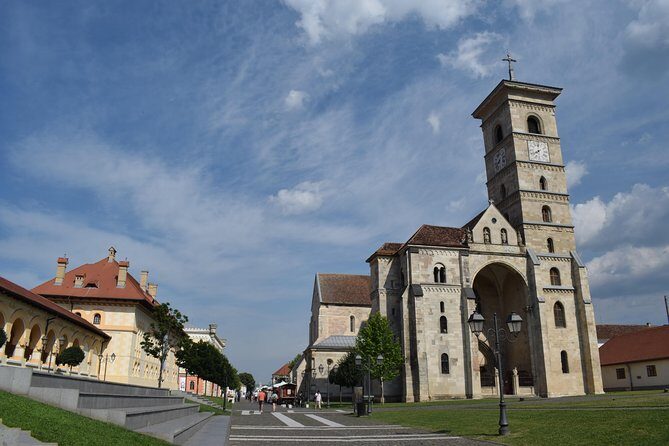
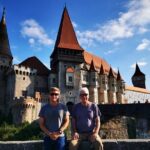
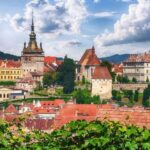
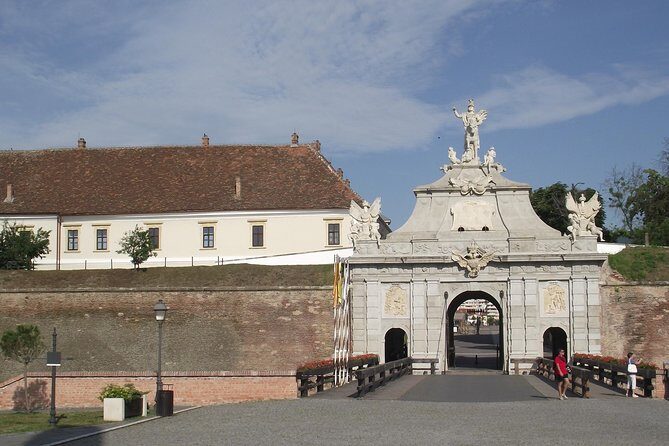
Alba Iulia is a strong way to close the day. You start walking in the footsteps of the Romans, then shift through medieval time, and then you land in the more modern military logic of an 18th-century Vauban-style fortification. The result is a sense of historical layers you can actually see with your own eyes.
The guide helps tie those layers to why Alba Iulia matters so much for Romanians. That explanation is important because the fortress isn’t just impressive stone—it’s meaningful stone. You’ll understand the symbolism behind the place while you move along the ramparts and points of interest.
What makes the fortress visit worth the effort
Two things:
- It’s visual history. Roman-era references, medieval elements, and later defenses sit in the same broader setting, so the stories don’t feel disconnected.
- It’s structured. You get enough time—about 2 hours 30 minutes—to explore at a comfortable pace without feeling like you’re sprinting for the next photo.
If Alba Iulia is the reason you’re doing the whole trip, you’ll be pleased. Multiple stops could have eaten your time, but the day devotes the largest block of attention here.
How Long You’ll Be Out, and Where Time Really Goes
Expect a long day: roughly 8 to 9 hours from Cluj. The start is 8:30 am, and you return to the same meeting point.
Most of your time is straightforward: driving between Cluj, the Apuseni Mountains area, and Alba Iulia. What you should budget for emotionally is the physical rhythm inside the salt mine. If the mine requires stairs due to elevator queues, your energy level can change fast, especially after a morning drive.
A good practical approach is to treat the salt mine as the most demanding part of the day. If you protect your legs and pace yourself there, the village and fortress feel more relaxed.
Also, the order can change depending on the day or season. That means the specific “start with Turda first” experience is common, but not guaranteed. If you want the salt mine in the earlier part of the day for cooler headspace and fewer lines, just know the operator may adjust based on operations.
Price and Value: What You Get for Around $207
At $207.11 per person, this is not a budget day trip. But it can be good value when you look at what’s bundled.
You’re paying for:
- a professional English-speaking guide
- hotel pickup and drop-off in Cluj (or another city meet-up spot, depending on the arrangement)
- all transportation by private vehicle or minibus, with gas, road tax, and parking fees included
- the structured visits across three major stops in one day
- a small group size (maximum 7)
About salt mine tickets: the package details show a bit of mixed wording—your mine entry may be included for the main stop, but there’s also an “optional entry tickets” note. I’d treat that as a flag to double-check what your booking includes before you go, so you don’t get surprised about the amusement park add-ons. Those ride tickets inside the salt mine are explicitly not included.
When this price feels right
This tour makes the most sense if you:
- want guide-led history instead of self-guided driving
- prefer small groups
- don’t want to wrestle with planning three separate locations on your own schedule
When it might feel steep
If you already planned to drive yourself and you only care about one highlight (say, only Alba Iulia), then paying for guided transport to cover all three stops may feel like overkill.
Practical Tips That Make the Day Easier
Here’s how I’d prepare, based on what this tour requires:
- Wear grippy shoes. The day includes stairs underground and walking around historic sites.
- Bring a warm layer for the mine. Even summer won’t save you from 10–12°C air underground.
- Travel light but not skimpy. You might want a jacket you can carry or keep on.
- If you’re sensitive to enclosed spaces, think twice. The mine setting isn’t a great match for claustrophobia.
- Plan to pay for your own meals. Food isn’t included, though you’ll have time to grab lunch during the day.
- Ask your guide questions early. This is the type of tour where your guide’s answers make the history click faster.
Who This Tour Suits Best (and Who Might Not)
This is ideal for:
- history-minded travelers who like explanations you can carry into other stops in Romania
- people who want three destinations without renting a car
- couples and small groups who appreciate not being herded by a big tour bus
It’s less ideal for:
- anyone who struggles with stairs or has acrophobia
- anyone who struggles with enclosed spaces (claustrophobia)
- very young kids (it’s not recommended for children aged 3 and under)
- anyone who expects an easy, mostly-flat day
Should You Book This Cluj-to-Turda-Rimetea-Alba Iulia Tour?
If you want a full day that feels like mini Romania in one package—salt mine wonder, mountain village texture, and fortress-level history—this tour is a strong choice. The best reason to book is the combination of expert English guidance (with guides like Geta or Joseph) and the way the day connects industry, culture, and major historical layers.
I’d book it if you can handle stairs and you’re okay with cold underground conditions. If you know you won’t handle enclosed spaces or heights well, skip this and look for an alternative that avoids the salt mine.
If you tell me your travel dates and your comfort level with stairs/crowds, I can help you decide whether the timing and pace sound right for you.