REVIEW · CLUJ NAPOCA
Cluj-Napoca: Turda Salt Mine & Alba Carolina Fortress Tour
Book on GetYourGuide →Operated by Rolandia · Bookable on GetYourGuide
Star-shaped walls above, salt below.
This tour connects Alba Iulia’s layered past with the jaw-drop scale of the Turda Salt Mine—and it does it in one smooth, guided sweep. I like the way it blends Roman, medieval, and later European military influences, so you don’t just see monuments—you understand why they look the way they do.
One thing to consider: the day runs long (about 10 hours) and the mine runs cool at a constant 10 to 12°C, so plan for comfortable walking and a light layer.
Here’s what makes it especially good: the guide focus. If you get a guide like Joseph (or Josif, as listed in one review), the tour can feel unusually interactive—people ask questions and keep them coming because the guide has answers ready. Also, you get real wow-factor time, not just quick stops: Turda’s huge salt chamber, the boat ride on the salt lake, and a glass elevator view you can’t really replicate elsewhere.
Potential drawback: it’s not suitable for mobility impairments or wheelchair users, and you should expect lots of walking on uneven surfaces.
In This Review
- Key highlights you’ll care about
- Alba Iulia: the city that explains itself if you pay attention
- What to watch for (and a small practical note)
- Alba Carolina fortress: star fort geometry with real European military DNA
- The symbolic setting matters too
- Medieval lunch break: refuel without rushing your momentum
- How to make lunch time work for you
- Turda Salt Mine: salt cathedral scale, lake boat ride, and glass elevator views
- Temperature and comfort: plan for the cool, constant air
- Timing inside the mine
- Price and value: $274 for two big icons, guided and timed
- Who gets the best value?
- Comfort, walking, and who this day trip fits best
- A smart way to handle the long day
- Should you book this Cluj tour?
- FAQ
- FAQ
- How long is the tour?
- What sites does this tour include?
- What language is the guide?
- What is included in the price?
- Is lunch included?
- What should I bring?
- What should I wear or expect temperature-wise at the salt mine?
- Is the tour suitable for wheelchair users or people with mobility impairments?
- Are pets allowed?
- Is there cancellation flexibility?
Key highlights you’ll care about
- Alba Carolina’s six-point star design with 12 km of surrounding walls and six entrances worth lingering at
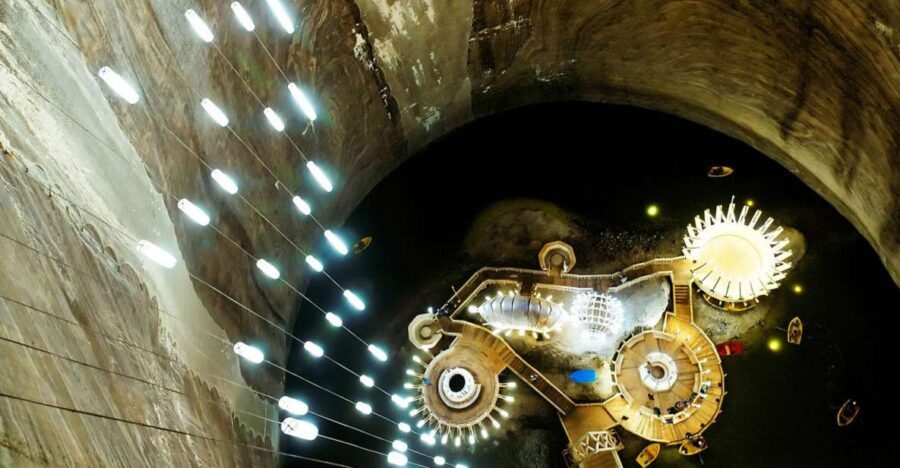
- Turda Salt Mine’s 90-meter salt chamber where galleries open into a massive underground room
- Boat ride on the salt lake plus a glass elevator for big “look down” views
- High guide engagement noted in reviews, including history-heavy explanations and time for questions
- A day that links cultures in Alba Iulia: Roman, German, and Hungarian influences you can actually see
Alba Iulia: the city that explains itself if you pay attention
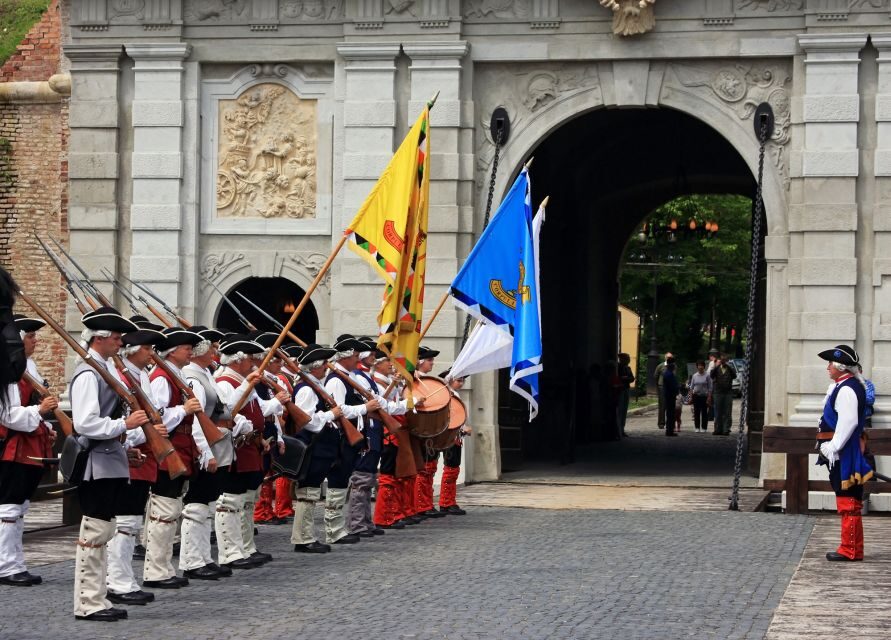
Alba Iulia is the kind of place where history shows up in layers, not in a single grand building. In the morning, you meet your guide and head toward this fortress city in Transylvania, where the Roman presence is tied to the area’s older strategic importance. You’ll hear how Apulum became the largest Roman castrum, then how later German and Hungarian influences reshaped the city.
I like that the tour frames these changes as visible architecture and town structure, not just dates. You’ll pass by or focus on churches with Baroque and Romanesque styles, roman citadels, and even a building described as Babylonian in character. The point isn’t to memorize every label. It’s to recognize that Transylvania didn’t grow in isolation; it absorbed power and culture from different directions. That makes the whole day feel connected, not like two separate attractions stapled together.
You can also read our reviews of more tours and experiences in Cluj Napoca.
What to watch for (and a small practical note)
Give yourself a chance to ask questions while you’re in the city. The reviews include feedback about how guides like Joseph can handle questions not only about the sites, but also about the country and its people. That’s useful because some of what you’ll see in Alba Iulia can feel symbolic—fortress logic, architectural shifts, and the way power was displayed—so having context turns sightseeing into understanding.
Also, wear comfortable shoes. Even when the walking isn’t extreme, you’re going to want stable footing for entrances, viewpoints, and the transition between different outdoor areas.
Alba Carolina fortress: star fort geometry with real European military DNA
After you settle into Alba Iulia’s story, the tour takes you to one of Romania’s most impressive defensive landmarks: Alba Carolina. This is the fortress with the six-point star shape—surrounded by 12 km of walls—and it’s not the generic kind of fort you just pose in front of. It’s a designed system.
Here’s what stands out as you move around: the fortress has six entrances, and the tour emphasizes that none of them feel like a copy-paste stop. Each entrance has Baroque decorative elements linked to European military architecture. That combination matters. Many “fortress tours” focus only on defense. This one also highlights how power and style were mixed into the look and feel of the fortification.
You’ll also get the “how it evolved” angle, which helps your brain organize what you’re seeing:
- it began as a Roman fort
- it later became a fortress in the Middle Ages
- then it transformed into a Vauban-type citadel with bastions
That evolution is a big deal. Once you know the fortress is a sequence of military design thinking, it’s easier to understand why the walls, angles, and entrances feel so intentional. You’re not just looking at an attraction; you’re looking at engineering changing over time.
The symbolic setting matters too
Alba Carolina isn’t just described as large—it’s framed as symbolic because it sits at the center of the country, with the Carpathian Mountains as the backdrop. It’s also described as the place where kings were crowned in Romania. Whether you’re a “listen to stories” type or a “show me the structure” type, those details make the visit feel tied to place, not just architecture.
One more practical tip: plan to slow down at the entrances. The tour is built so those points aren’t afterthoughts, and taking a moment can make the star geometry click.
Medieval lunch break: refuel without rushing your momentum
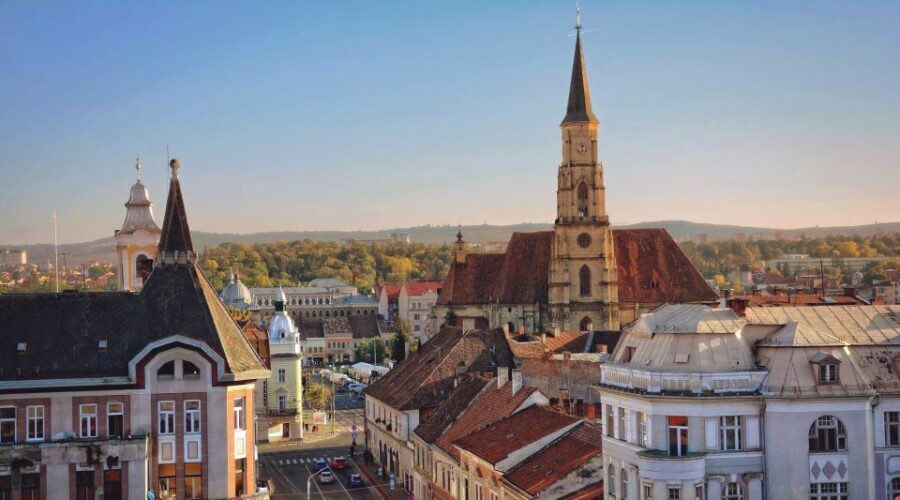
The tour includes time for lunch in a medieval atmosphere, but it’s not included in the price (it’s listed as approximately 12 €/person). I actually like that setup because it keeps the experience feeling grounded in the area rather than turning the day into a grab-and-go situation.
This is also a good moment to reset your energy before the salt mine. You’ll be switching from fortification walking and viewpoints to a cooler, underground environment where you’ll likely want to move steadily and not feel rushed.
How to make lunch time work for you
Since the day runs around 10 hours, treat lunch as a pace-setting break:
- eat soon after you’re seated, rather than waiting for the entire group to be perfectly ready
- drink water, especially before going underground
- if you’re sensitive to long days, choose something filling but not overly heavy
Your guide will also help with timing and the flow, and reviews mention guides making sure guests had enough individual time.
Turda Salt Mine: salt cathedral scale, lake boat ride, and glass elevator views
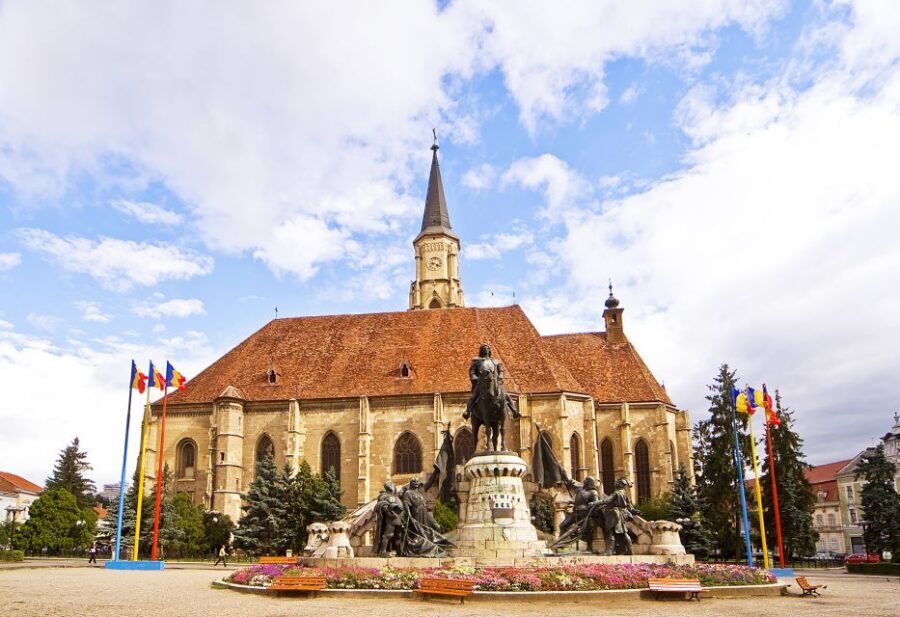
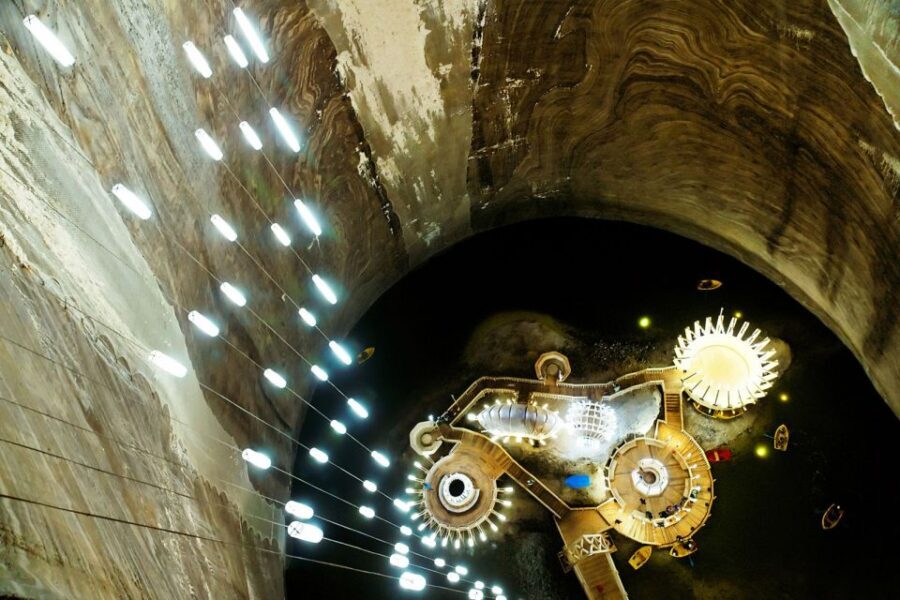
Then comes the main visual payoff: Turda Salt Mine. This is the kind of place where scale hits you in layers—first with the sense of depth, then with the huge open chamber, then with the ways you can move around inside.
You’ll learn that salt deposits formed about 13 million years ago, and that the mine’s modern magic is the result of two thousand years of work. That backstory matters because you’re not just touring a show cave. You’re seeing a site shaped by long, human-scale extraction.
Inside, the tour highlights the dramatic layout:
- galleries that reach down for about hundred meters
- opening into a huge room carved in salt with a 90 meter height
- in the middle, a salt lake where you can enjoy a boat ride
- a glass elevator that gives an astonishing overview
The glass elevator part is the kind of feature you’ll remember because it changes your perspective instantly. You get to see how the mine “holds space,” so the underground doesn’t feel like a flat tunnel—it feels like a room in the earth.
Temperature and comfort: plan for the cool, constant air
The mine temperature is described as constant, between 10 and 12°C all year. That’s a big practical clue: bring a layer you’re happy to wear even if it’s warm outside. You’ll likely be glad for it during the wait, the walkways, and the boat ride.
The description also notes that the salty air has proven therapeutic properties, especially for people with respiratory problems. Even if you’re not dealing with respiratory issues, the constant cooler temperature is one more reason to pack something warm.
Timing inside the mine
Your day isn’t infinite, so you’ll want to use your time well:
- prioritize the areas tied to the main features: the salt chamber view, the boat ride, and the elevator moment
- then use the remaining time for wandering and photos
- don’t try to rush every viewpoint; the mine rewards a slower gaze
The mine is also a place where photos can work because the architecture gives you strong lines and height. Just remember that the best shots often come after you take a few moments to find the best angle from each activity area.
Price and value: $274 for two big icons, guided and timed
The price is listed at $274 per person for a 10-hour day trip. That sounds like a lot until you break down what you’re getting.
First, you’re paying for a guided day that covers two high-demand stops that are far more meaningful when you have someone interpreting what you’re seeing. The Roman-to-medieval-to-Vauban story at Alba Carolina is exactly the kind of thing that can feel confusing when you’re just reading a sign. The mine, too, is easier to appreciate when you understand the scale and what each feature represents.
Second, the tour includes practical pieces that reduce hassle:
- an English speaking guide (German/French available on request)
- entrance fees to the Turda Salt Mine
- a bottle of water
Third, it’s structured as a private group, which can matter if you don’t want a crowded feel or you prefer more responsive pacing. Reviews also highlight guides staying attentive on a long day and keeping people engaged.
What’s not included is lunch (about 12 €/person). If you budget for that upfront, the rest of the cost feels more predictable.
Who gets the best value?
You’ll likely feel the value most if:
- you want both sites in one day (instead of piecing it together on your own)
- you care about context, not just photos
- you like a guide who can answer questions and keep the day moving
If your idea of a perfect day is minimal walking and maximum downtime, then the full 10 hours plus the mine’s cool indoor movement might feel like too much.
Comfort, walking, and who this day trip fits best
This tour is built for people who can handle normal sightseeing movement. It’s specifically listed as not suitable for mobility impairments or wheelchair users. The mine and fortress areas include underground steps and changes in terrain, and the tour also has a clear footwear requirement.
Here’s what I’d take from that:
- wear comfortable shoes with grip
- plan for a light jacket or sweater for the mine’s 10–12°C air
- bring your passport or ID card
- pets are not allowed
A smart way to handle the long day
Because it runs about 10 hours, your comfort strategy should be simple:
- hydrate earlier than you think you need to
- keep a small pace: don’t sprint between every photo spot
- take advantage of any moments your guide offers for your own time
One review mentioned the guide keeping guests hydrated and giving sufficient own time, which is exactly what makes long tours feel tolerable.
Should you book this Cluj tour?
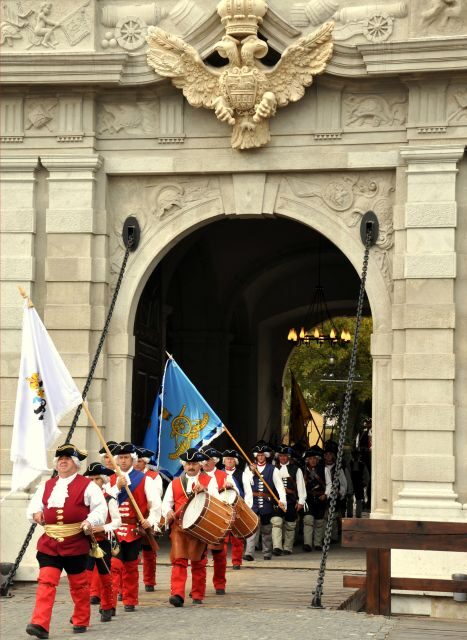
Book it if you want a single guided day that connects two major Transylvanian experiences: Alba Carolina’s star-fort engineering and symbolism, plus Turda’s underground salt scale with a boat ride and glass elevator views. The guide experience seems to be a standout part of the value, with reviews praising guides who stay engaged, answer questions, and keep interest high even when the day stretches.
Skip it if you need wheelchair-friendly access or you’re not comfortable with a full 10-hour schedule plus cool underground movement. Also, if you’re the type who prefers exploring completely independently, you might find you want more control over pacing and photo time than a guided day allows.
If your priority is both context and wow-factor, this tour hits the sweet spot.
FAQ
FAQ
How long is the tour?
The tour duration is listed as 10 hours.
What sites does this tour include?
It includes Alba Iulia, the Alba Carolina fortress, and the Turda Salt Mine.
What language is the guide?
The guide is listed as English speaking. German and French speaking guides are available on request.
What is included in the price?
Included items are an English speaking guide, entrance fees to Turda Salt Mine, and a bottle of water. There is also 1 FOC for tour leader with a minimum of 20 PAX noted for the setup.
Is lunch included?
No. Lunch is not included and is listed at approximately 12 €/person.
What should I bring?
Bring a passport or ID card and comfortable shoes.
What should I wear or expect temperature-wise at the salt mine?
The salt mine has a constant temperature between 10 and 12°C, so you should plan for cooler conditions underground.
Is the tour suitable for wheelchair users or people with mobility impairments?
No. It is listed as not suitable for people with mobility impairments and wheelchair users.
Are pets allowed?
Pets are not allowed.
Is there cancellation flexibility?
Yes. Free cancellation is available up to 24 hours in advance for a full refund.