REVIEW · CLUJ NAPOCA
Transylvania’s Trail: Sibiu, Bran Castle, Brasov, Sighisoara
Book on GetYourGuide →Operated by Rolandia · Bookable on GetYourGuide
That Dracula circuit is real. This one hits the big names fast, with a guide who actually explains what you’re seeing. You get Sibiu’s old-town charm, the cinematic Bran Castle connection, and then a second day that swaps spooky vibes for serious medieval craft.
What I like most is the mix of famous and specific: Sibiu’s main sights and Sighișoara’s UNESCO streets aren’t just photo stops. They’re tied to how Transylvanian towns were shaped, from Saxon walls to fortress thinking. And the standout is the guiding: one English guide, Jeta, has a Master’s degree in History and brings church and castle stories to life without turning it into a lecture.
One watch-out: you’ll spend a lot of the trip on the road. It’s part of doing this route in only two days, but if you hate long car stretches, plan for it.
In This Review
- Key Highlights Worth Planning For
- Two Days of Transylvania: Why This Route Works
- Cluj-Napoca Pick-Up to Sibiu: Squares, Cathedral, and the Bridge of Lies
- Bran Castle: Dracula Legend, Real Fortress Design
- Brasov Evening: Black Church and Council Square After Dark
- Day 2 in Sighișoara: UNESCO Streets and Vlad Tepes Origins
- Rupea Citadel: The View From the Top (and Why It Matters)
- Biertan Fortified Church: A 13th-Century Stronghold You Can Still Read
- Price and Value for $674: What You’re Really Paying For
- The Guide Makes or Breaks It: Jeta’s History Background
- Who This Tour Fits Best (and Who Might Want Another Option)
- Should You Book This Transylvania Circuit?
- FAQ
- What’s the duration of this tour?
- Where does the pickup happen?
- What’s included in the price?
- Are meals included?
- Is the tour in English?
- How large is the group?
- What do I need to bring?
- Is it okay if I need to cancel last minute?
Key Highlights Worth Planning For
- Jeta-level history help: clear, professional explanations that make churches and fortresses feel less like props
- Sighișoara + Vlad Tepes birthplace: you walk the medieval core where the story starts
- Bran Castle’s fortress feel: you see the Dracula link, plus the actual structure and rooms
- Rupea Citadel viewpoints: the payoff is the climb-and-look moment
- Central Brasov hotel location: an easy base that keeps your evening time useful
- Small group (up to 14): better questions, tighter pace, less wandering
Two Days of Transylvania: Why This Route Works
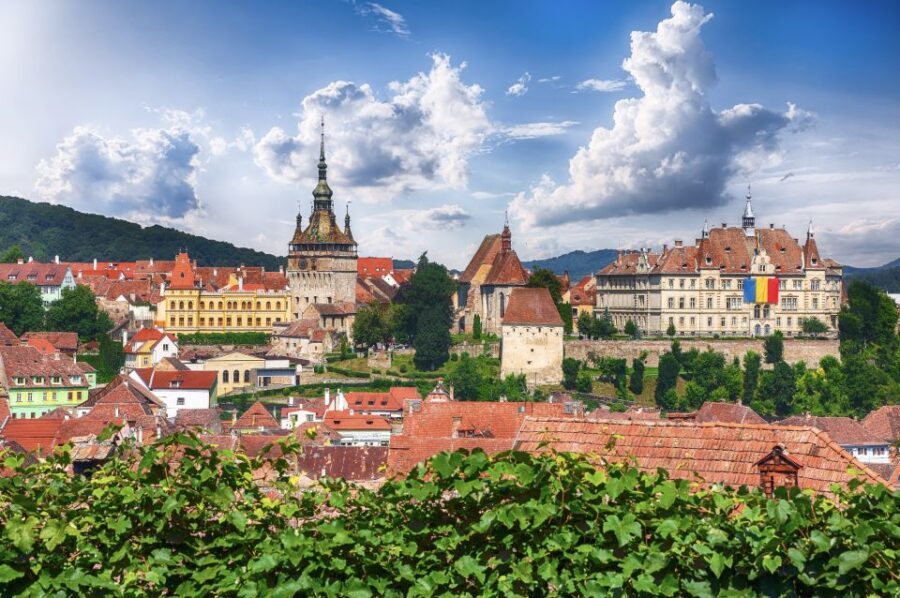
Transylvania isn’t just one place. It’s a chain of towns and defenses that grew up for practical reasons: protection, trade, and control of routes. This tour makes sense because it groups those pieces together. You’re not bouncing randomly. You’re moving along a route where the “why” behind each site connects.
Day 1 leans toward the best-known sights: Sibiu, then Bran Castle, then an evening in Brasov. Day 2 shifts to UNESCO-grade medieval texture: Sighișoara, the high-walled Rupea Citadel, and Biertan Fortified Church. That second day is the one that turns the lights from spooky to truly historical, even if you came for Dracula.
The small-group size (limited to 14) matters more than you might think. On tight schedules, big tours can feel like a conveyor belt. A smaller group keeps the guide’s pace manageable and makes it easier to ask questions when something is confusing or surprising.
You can also read our reviews of more tours and experiences in Cluj Napoca.
Cluj-Napoca Pick-Up to Sibiu: Squares, Cathedral, and the Bridge of Lies
You start with a pickup from your Cluj-Napoca hotel or address, then head toward Sibiu. The drive is long enough that you’ll feel it. Still, the payoff is that you arrive in Sibiu already set up for the main sights without having to coordinate transport on your own.
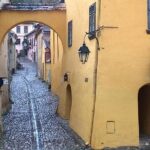
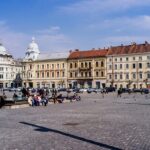
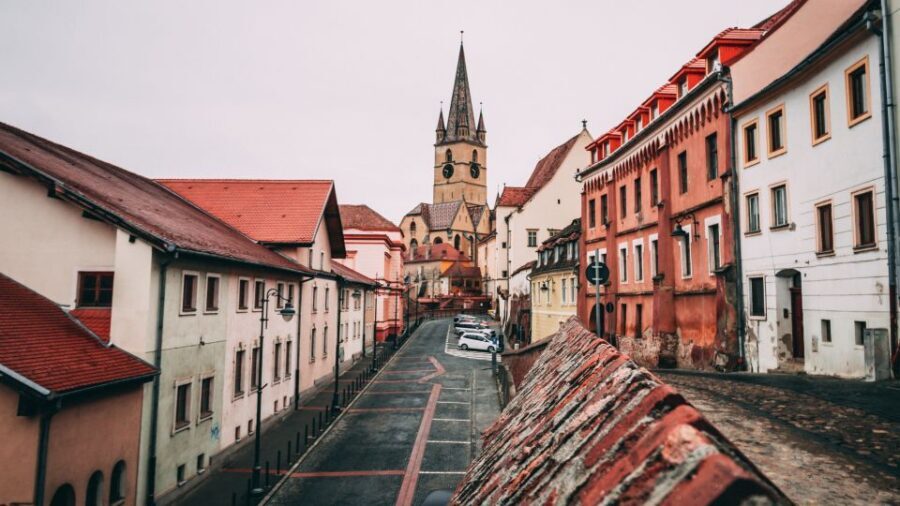
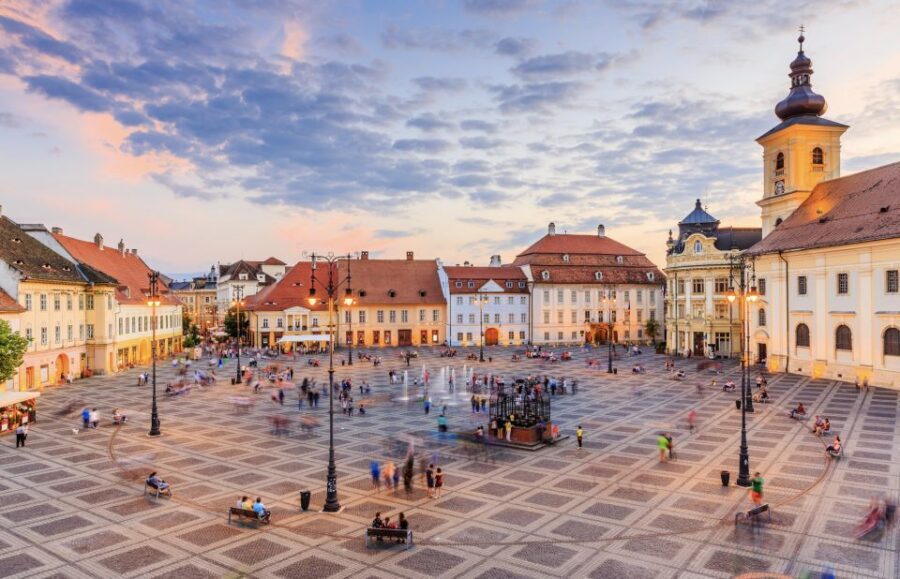
Sibiu is one of the best places in Transylvania to get your bearings. It was a former European Cultural Capital, and you feel that in the careful layout of the old town. The tour focuses on the sights you can’t really replace with a solo walk: the Main Squares, the Metropolitan Cathedral, and the Bridge of Lies.
Here’s why those stops work for most people:
- Main Squares give you the town’s scale. You quickly understand where people met, traded, and gathered.
- The Metropolitan Cathedral anchors Sibiu in real architectural history, not just legend.
- The Bridge of Lies brings the playful side of local folklore. Even if you don’t buy the stories literally, it helps you understand how people in this region turned daily life into memorable tales.
One practical tip: keep your camera ready, but don’t forget to look up. In Sibiu, the charm is often in details above street level—doorways, facades, and how buildings line up around the squares.
Bran Castle: Dracula Legend, Real Fortress Design
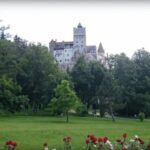
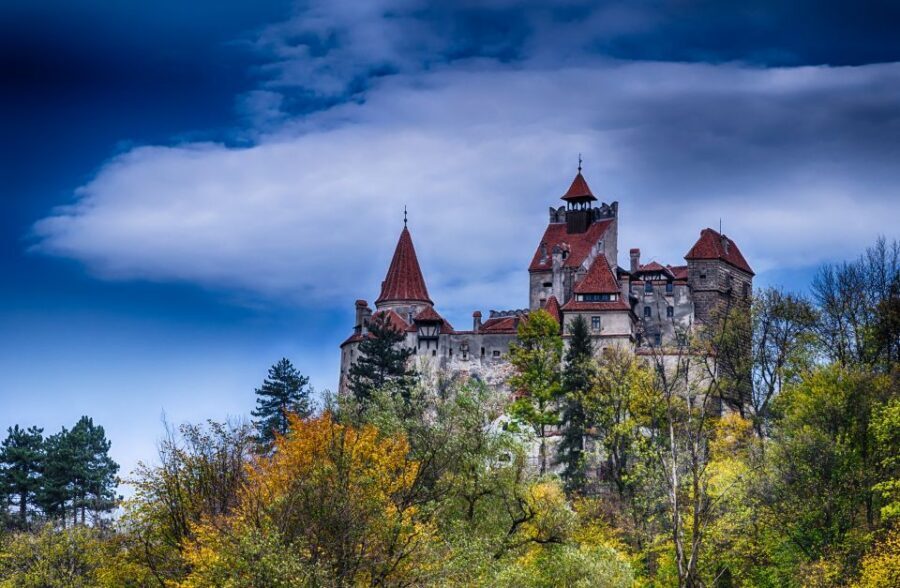
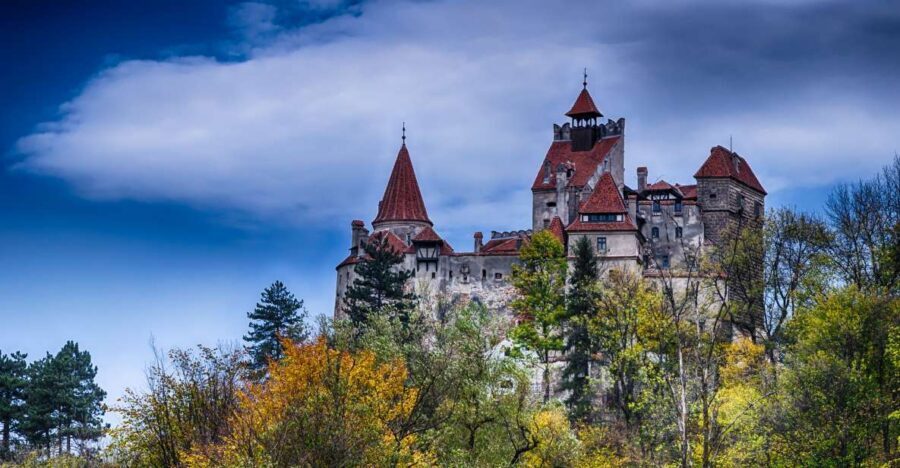
After Sibiu, you go to Bran Castle. Yes, it’s Dracula country. But you’ll get more value if you treat it like a fortress first and a legend second. Bran’s strength is the way it still feels like a defensive structure—tight passages, steep movement through rooms, and that “how did people live and fight here” feeling.
The experience is built around walking through atmospheric halls and passages tied to the Dracula story. That atmosphere is the reason people come. Still, the best part is when a strong guide connects the legend to what the building can actually tell you: what kind of security mattered, how the space is organized, and why castles weren’t designed for comfort.
From the feedback I’ve seen, the guide quality makes a big difference at Bran. Jeta, in particular, was praised for turning complicated church and castle themes into clear explanations. That kind of context keeps Bran from feeling like a set you’re checking off.
If you’re visiting in colder months, wear layers. Castles can feel drafty, and your day moves fast.
Brasov Evening: Black Church and Council Square After Dark
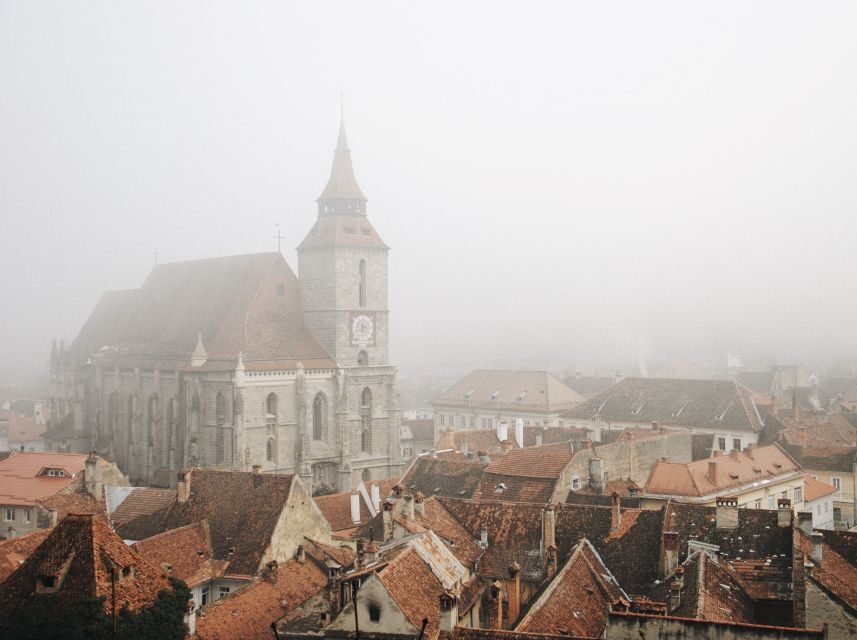
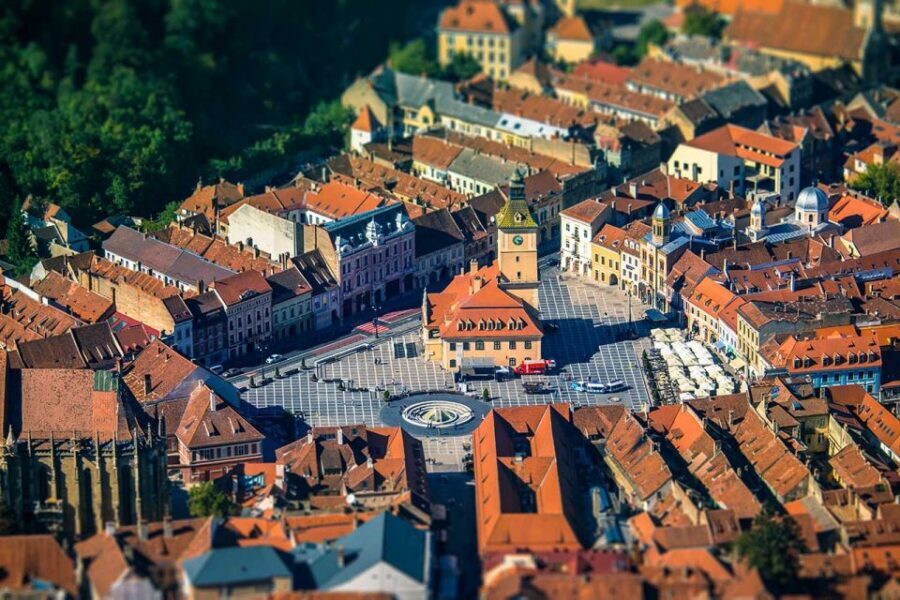
Your first day ends in Brasov, with a city tour focused on two big identifiers: the Black Church and Council Square. This is a smart pivot. Bran can be heavy and theatrical; Brasov gives you rhythm. You get a sense of daily life in the region, not just historical stop-and-stare moments.
The Council Square is where you get your bearings fast. It’s also where the evening energy helps you shake off the long day of driving and walking. Then the Black Church provides contrast: solid stone, big scale, and a sense that religion and civic power were intertwined here.
One thing I really appreciate about finishing Day 1 this way is timing. You’re not trying to cram one more monumental fortress before your hotel. You’re getting a workable evening, and that matters when the tour is two days long.
Your overnight stay is in a centrally located 3-star hotel in Brasov, which helps. You’re not stuck far from the sights, and you can easily grab what you need for dinner and morning timing.
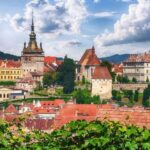
Day 2 in Sighișoara: UNESCO Streets and Vlad Tepes Origins
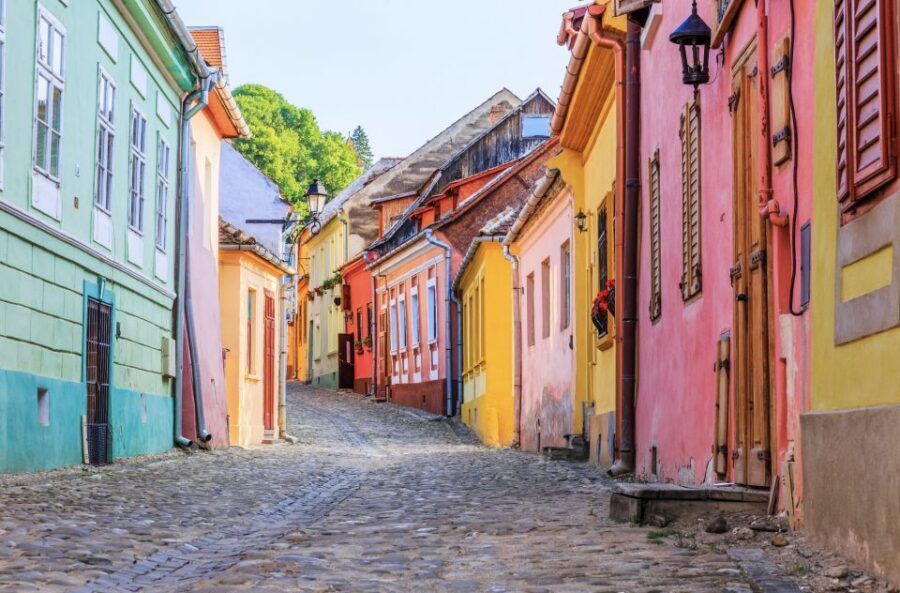
Day 2 starts fresh in Brasov. Your next stop is Sighișoara, a UNESCO World Heritage Site and the birthplace of Vlad Tepes. Even if you don’t care about the horror angle, this place is worth your attention because the medieval core is so intact that it helps you picture how towns worked before modern roads and signage.
What you’ll do here is different from Bran. Bran is about moving through a single dramatic structure. Sighișoara is about walking a whole historic town layout. The streets and the way the town reads from one point to the next can be easier to connect to daily life—markets, neighbors, and defense planning.
The Vlad angle adds a story layer, but the real value comes from walking where the story’s starting point is tied to place. You get that feeling of location—how people lived in thick-walled towns where a name like Vlad mattered to the region’s identity.
If you want to get the most out of Sighișoara, stay present during the walks. Let the medieval geometry work on you. It’s one of those towns where the best views aren’t always Instagram wide shots; sometimes it’s the street turns and window frames that do the convincing.
Rupea Citadel: The View From the Top (and Why It Matters)
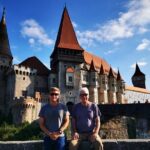
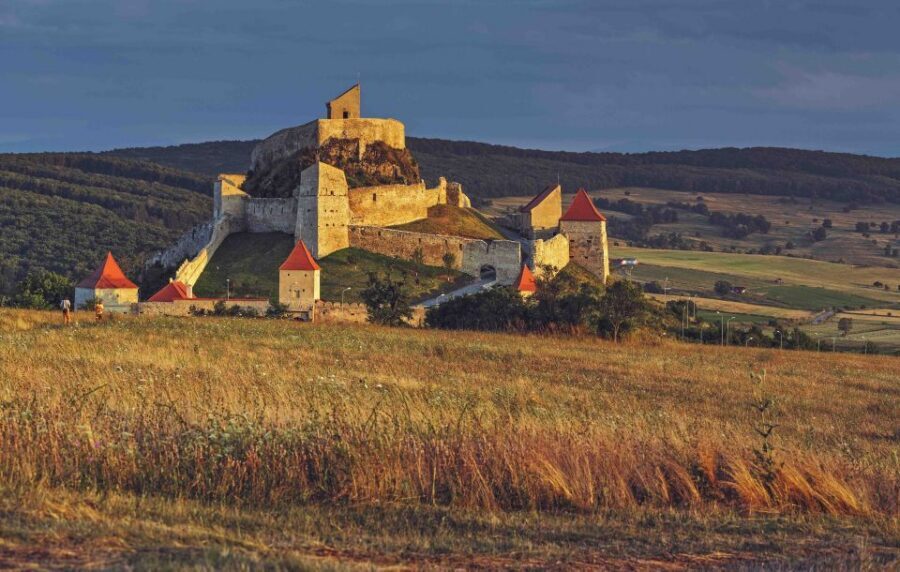
Next up is Rupea Citadel (also described as Rupea Fortress), sitting high above the area. The highlight people remember is the amazing view from the top of Rupea Citadel. That view isn’t just pretty scenery. It explains the whole logic of fortresses in one moment.
From above, you can see why defenses were placed where they were. You start to understand sight lines, movement, and control of routes. It’s one of those rare times a tour stops feeling like a checklist and starts feeling like problem-solving.
The trade-off is physical effort. A citadel viewpoint usually means uphill walking and stairs. Even if you’re fine with that, be smart about pacing. Take breaks, drink water, and don’t sprint toward the best photo angle. The best angle often comes when you slow down and let your eyes adjust to the wider view.
Biertan Fortified Church: A 13th-Century Stronghold You Can Still Read
Your final historical stop is Biertan Fortified Church, described as a 13th-century stronghold. This is a different kind of experience than castles and city cores. A fortified church shows you how community life and defense thinking were linked, especially in regions where protection mattered year-round.
What makes it compelling is how it changes your understanding of “fortress.” At Bran, the castle feels like power concentrated in stone. At Biertan, the fortress idea feels like everyday life protected: the church as center, the surrounding defense as reassurance.
You’ll have time to take in the site and its stories, then the day wraps with the return to Cluj-Napoca.
This ending works well because it lets the tour close with something you can actually sit with. It’s easier to absorb on the last day than trying to sprint through another huge town.
Price and Value for $674: What You’re Really Paying For
At $674 per person for a 2-day trip, you’re paying for more than “a few stops.” You’re buying coordination: pickup and drop-off, all transportation, entrance fees, a professional English-speaking guide, and an overnight stay in a centrally located 3-star hotel in Brasov with breakfast included.
Not included is meals, plus any photography fees. That means the day-to-day costs are mostly food. In other words, your big variable cost is handled. You don’t have to think about ticketing, transport planning, or stitching together different guides for each town.
Small groups also add value. With up to 14 people, the guide can slow down when questions come up and can steer you away from wasting time.
The only reason the price might feel steep is if you personally hate long drives and prefer to build your own schedule. This route is efficient, but it’s not a lazy vacation.
The Guide Makes or Breaks It: Jeta’s History Background
The standout praise in this experience centers on the guide’s skill. Jeta was specifically mentioned as wonderful, professional, and attentive. She has a Master’s degree in History, and that shows in how she connects churches, castles, and fortresses to what you can see.
That matters because Transylvania’s sights can be confusing if you only hear the Dracula headline. A guide who understands the layers helps you notice details you’d otherwise miss: the role of churches, how castles were organized, and what defensive design choices imply.
Even the less-perfect feedback had a clear theme: the road time was a bit much, and some people wanted more factual explanation. The good news is that the tour is guided, and in practice that means you can shape your experience by asking questions. If you want more facts at Bran or in Sibiu, ask directly.
Who This Tour Fits Best (and Who Might Want Another Option)
This is a strong choice if you want a structured Transylvania introduction in two days. It’s ideal for history-minded travelers who like castles and fortified towns but also want the route to run smoothly without planning.
It also fits well if you value a guide who explains. A small group plus a history-trained guide is a nice combo for people who hate standing in silence while everyone takes photos.
It’s not suitable for pregnant women or people with mobility impairments, based on the tour’s stated limits. Also, keep in mind the physical demands: fortresses and citadel viewpoints mean walking and stairs.
If you know you’re sensitive to road time, consider that you’ll be in the car a good chunk of the day. This tour tries to balance it with meaningful stops, but it’s still a fast-moving circuit.
Should You Book This Transylvania Circuit?
Book it if you want the classic Transylvania hit list, but you also want context. Sibiu + Bran + Brasov gives you recognizable landmarks, then Sighișoara + Rupea + Biertan gives you the medieval depth. The guided explanations, especially with a strong history background like Jeta, can turn a spooky itinerary into something you actually remember.
Skip it or choose a slower alternative if you’re likely to get annoyed by lots of driving in a tight 2-day window. Also, if you need more control over meal timing and pacing, remember meals aren’t included, and you’ll follow a group rhythm.
If you’re okay with that trade-off, this tour is a good value way to see a lot of Transylvania without turning your trip into a logistics project.
FAQ
What’s the duration of this tour?
It runs for 2 days.
Where does the pickup happen?
Pickup is included from your hotel or address in Cluj-Napoca.
What’s included in the price?
Hotel pickup and drop-off, a professional English-speaking guide, all transportation, entrance fees, one night of centrally located 3-star hotel in Brasov, and breakfast.
Are meals included?
No. Meals are not included.
Is the tour in English?
Yes, the guide speaks English.
How large is the group?
The group is small, limited to 14 participants.
What do I need to bring?
Bring a passport or an ID card.
Is it okay if I need to cancel last minute?
Free cancellation is available up to 24 hours in advance for a full refund.