REVIEW · BUCHAREST
Traditions in Bucharest: Village Museum and Wine Tasting
Book on GetYourGuide →Operated by Unveil Romania Travel Planner · Bookable on GetYourGuide
Romania hits in two worlds. I love the National Village Museum for its real, rural architecture you can walk among, and I love how the day ends with Romanian wine tasting that connects grapes to place and culture. You get a compact 4.5-hour mix of outdoors, folk craft, and a small, guided food-and-wine lesson in the city.
One possible catch is the museum time is mostly outdoor walking, so wear comfortable shoes and plan for weather. If you’re lucky enough to get a guide like Mihai (he’s been praised for punctual pickup and clear communication), you’ll also appreciate the practical, calm pacing—especially on very hot days.
In This Review
- Key Things You’ll Notice
- Bucharest’s Village Museum: A Real Rural Time Capsule
- The 1936 National Village Museum and Regional Architecture You Can See
- Art&Craft Victoriei: Handmade Folk Details You Can Actually Bring Home
- Romanian Wine Tasting: 3 Glasses With a Local Culture Lesson
- Timing, Transport, and Your End Point by the Romanian Athenaeum
- Price and Value: Why $153 Can Make Sense for This Combo
- Who This Tour Suits Best (and Who Might Skip It)
- Should You Book Traditions in Bucharest: Village Museum and Wine Tasting?
- FAQ
- How long is the tour?
- What are the main stops during the experience?
- Is hotel pickup included, and where does the guide wait?
- What happens at the National Village Museum?
- What’s included in the wine tasting?
- Which Romanian wine varieties and regions are mentioned?
- Do you see the Romanian Athenaeum during the tour?
- Is the group private?
- What languages is the live guide available in?
- Is it suitable for kids or wheelchair users?
- Can I cancel for a full refund?
Key Things You’ll Notice
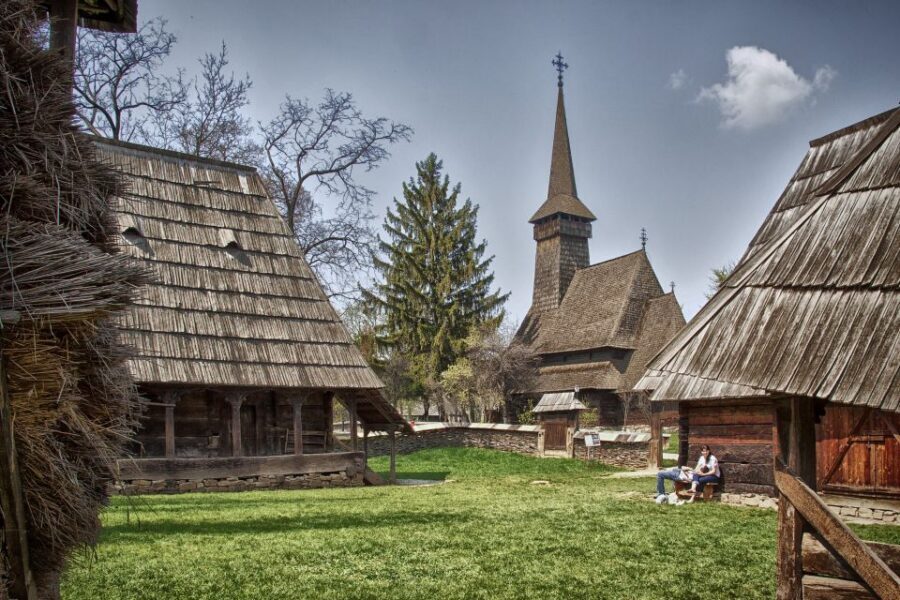
- Real village buildings, reconstructed: more than 300 houses and structures moved and reassembled inside King Michael Park
- Regional Romania, explained in architecture: from Transylvania wooden churches to Wallachia inns and Moldavia pottery traditions
- Handmade craft stop with real variety: ie blouses, painted Easter eggs from Moldavia, Horezu pottery, and Transylvanian wooden masks
- A tight wine tasting that teaches: 3 glasses plus water, with cheese and charcuterie
- Focusing on specific Romanian grapes and regions: including varieties like Feteasca Neagra and Negru de Dragasani, plus terroir talk around Dealu Mare
- Private, hotel-to-city flow: pickup included, and the tour ends near Bucharest’s Old Town area around the Romanian Athenaeum
Bucharest’s Village Museum: A Real Rural Time Capsule
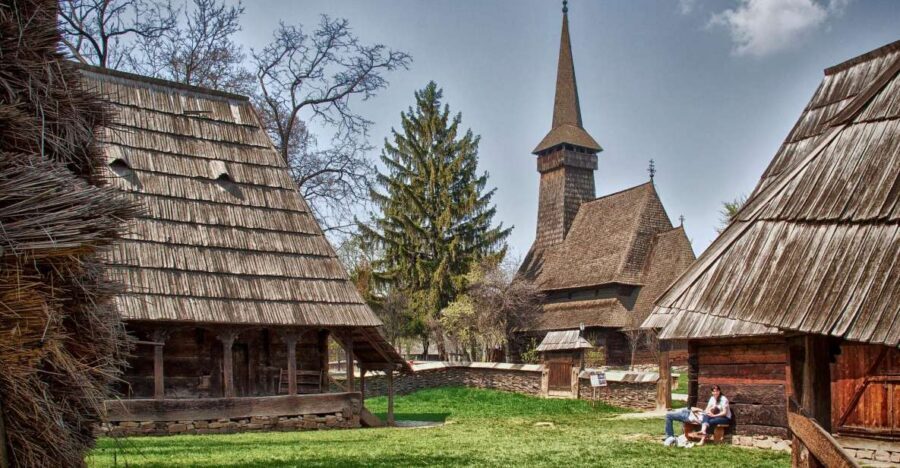
If you only see Bucharest as boulevards and big landmarks, this tour changes the picture fast. The National Village Museum is built to feel like a place you stepped into, not a staged photo stop. You’ll spend about 1.5 hours on a guided walk through village life settings preserved from the 18th and 19th centuries.
What I like most is that the museum isn’t just “pretty buildings.” You can actually read the differences between regions in the details: roof shapes, building materials, and the way each home or chapel looks built for local life. The guide helps connect those visuals to everyday folk culture—what people wore, made, and valued.
And yes, the setting is easy to enjoy even if you’re not a museum person. It’s in King Michael Park, so you get greenery and open-air wandering, not stuffy rooms.
You can also read our reviews of more food & drink experiences in Bucharest


The 1936 National Village Museum and Regional Architecture You Can See
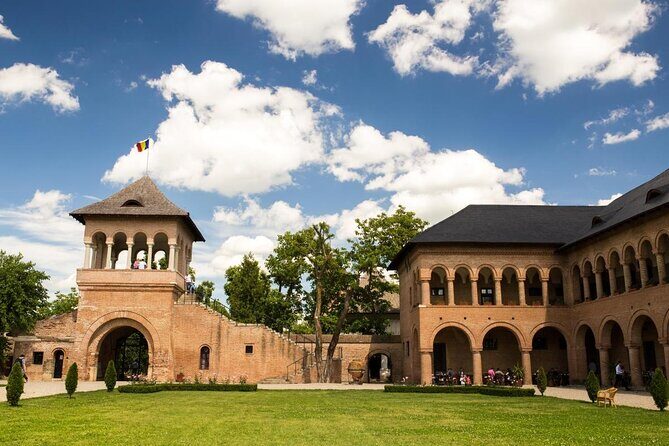
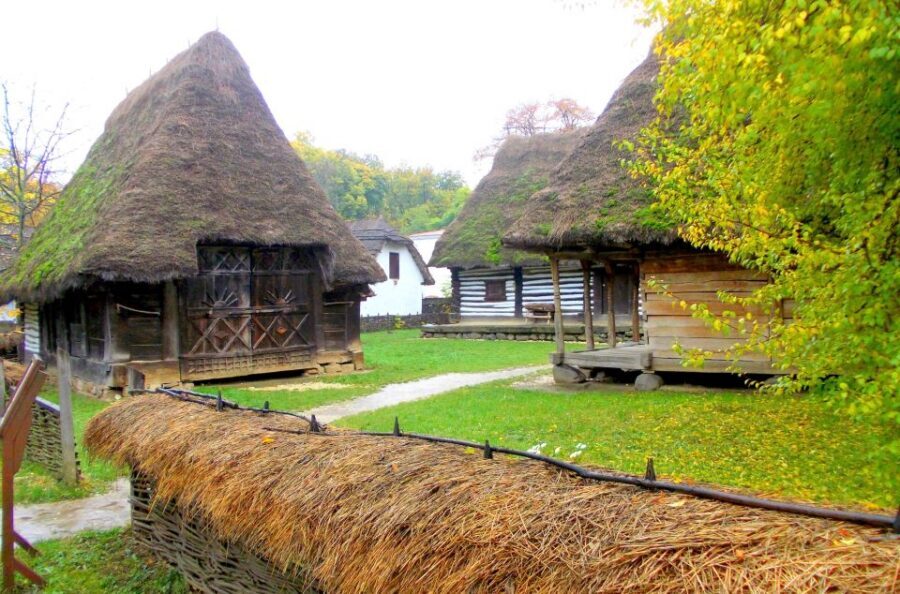
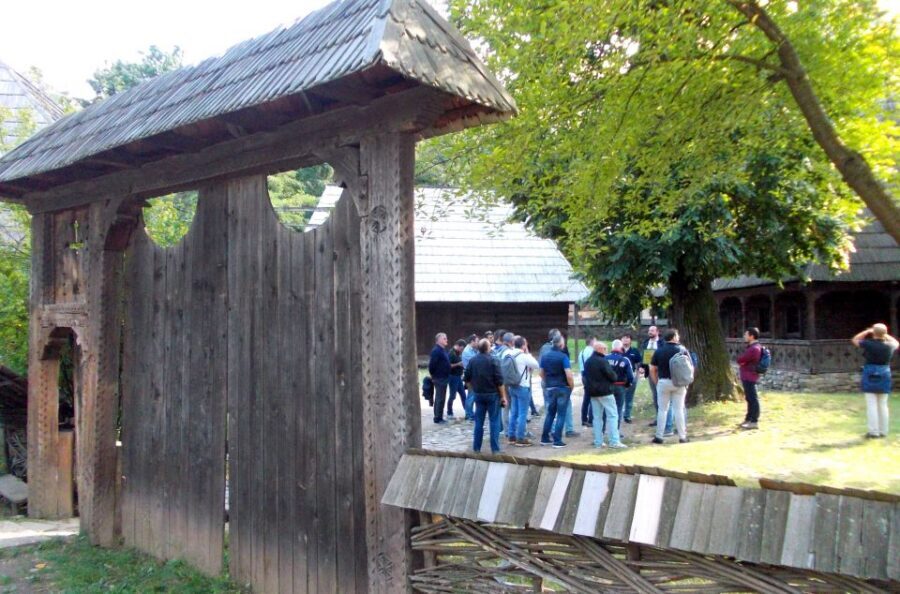
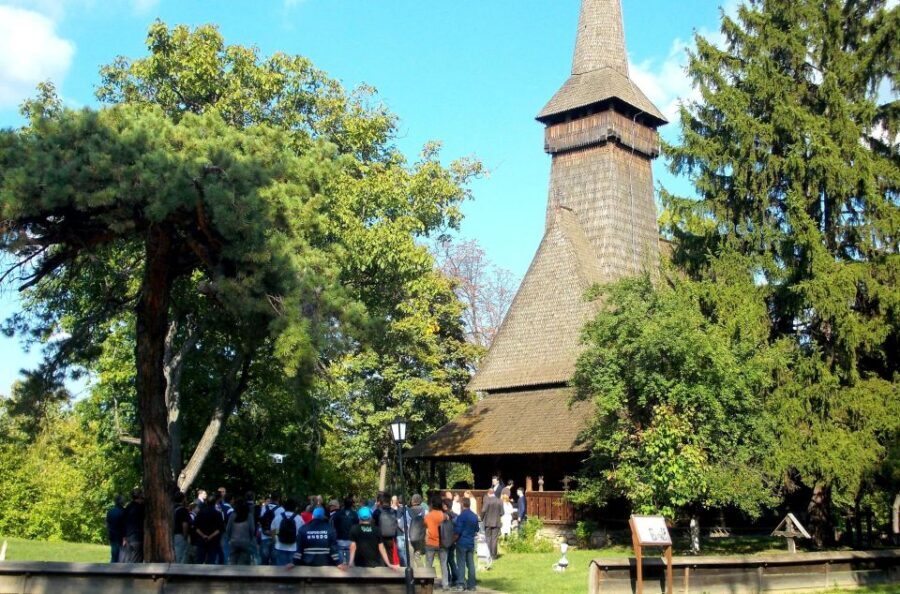
The museum was established in 1936 inside King Michael Park, and it collects rural architecture from across Romania. Over 300 buildings were brought in from different parts of the country and reassembled on site. That means you’re not looking at one village style—you’re seeing a whole country’s building traditions in one walking route.
Your guided time is built around contrasts. One moment you’ll be looking at steep-roofed peasant homes and thatched barns that signal practical weather survival. Next, you might be standing near wooden churches or mountain-style cabins that feel distinct from plains and river landscapes.
The tour’s framing is simple and useful: the architecture of a country is, perhaps, its most accurate expression of history. That idea matters because it teaches you what to notice. Instead of trying to memorize dates, you’ll learn to spot how geography and lifestyle shape design.
Expect the route to highlight several Romanian regions, including:
- Transylvania’s wooden churches and mountain cabins
- Wallachia and Moldavia’s larger inns, mansions, and different home layouts
- Danube Delta and Black Sea area windmills and thatched roof houses
Also, there’s something satisfying about moving from building to building with a guide. They don’t just point at walls; they explain the story behind the style. That’s what makes the museum time feel like more than a scenic walk.
Art&Craft Victoriei: Handmade Folk Details You Can Actually Bring Home
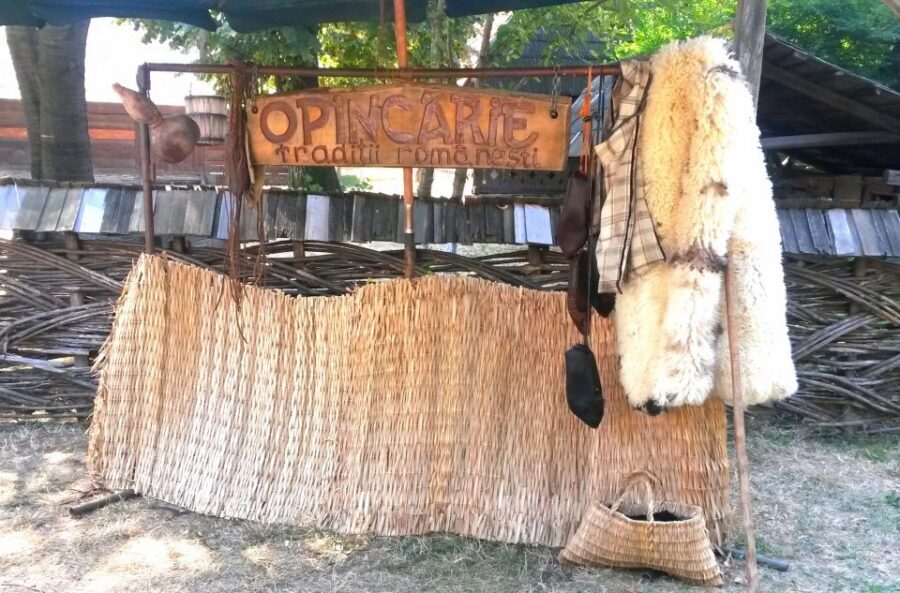
After the museum, you shift from “structures you can walk through” to objects you can hold. The next stop is a local art and craft shop where items are handmade. You’ll have around 30 minutes to browse, ask questions, and shop if something catches your eye.
This is the part of the day that makes Romanian traditions feel personal. You’ll see classic folk clothing details like ie blouses, which are strongly tied to Romanian identity and regional style. You may also notice glass-painted icons and traditional Easter eggs, with eggs specifically referenced from Moldavia.
If you love pottery, keep an eye out for Horezu pottery from Wallachia. It’s the kind of craft that feels both decorative and culturally “serious,” not just souvenir-level.
Other items you might see include:
- Wooden masks and trinkets connected to Transylvania
- Dracula-themed souvenirs and books
- Traditional sweets such as knot cookies and chocolate nuts
A practical tip: browse first without committing. In a short 30-minute stop, it’s easy to buy too fast. Look for the items that match what you saw at the village museum—then you’ll buy something with context, not just packaging.
Romanian Wine Tasting: 3 Glasses With a Local Culture Lesson
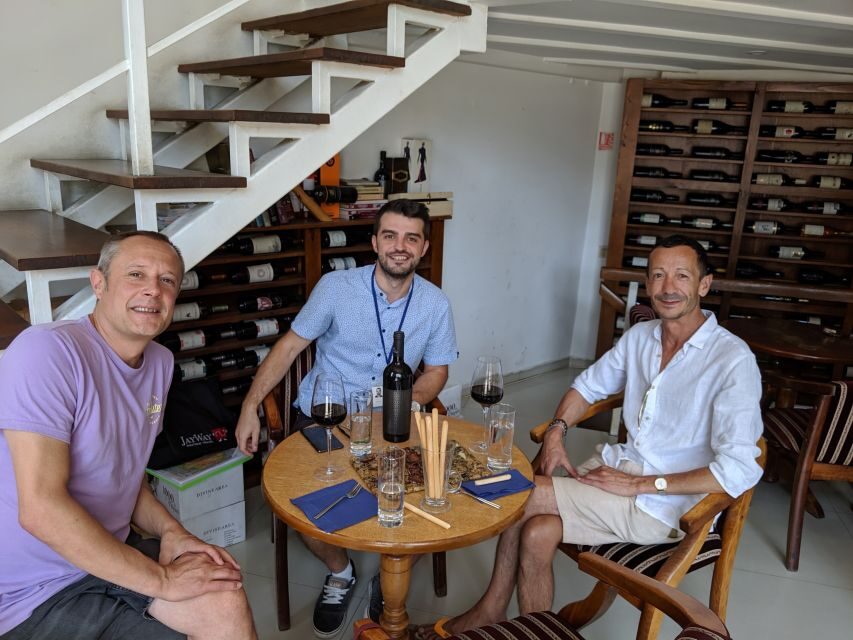
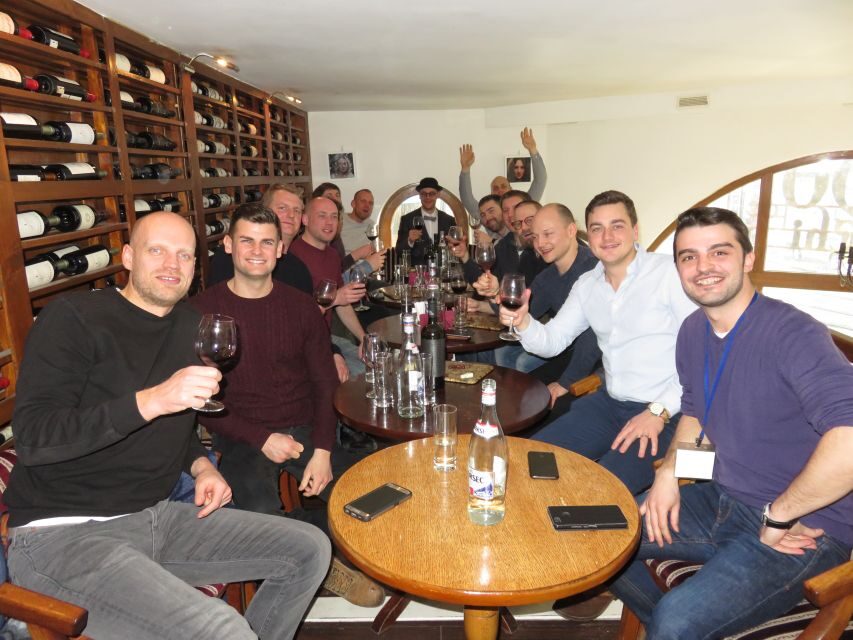
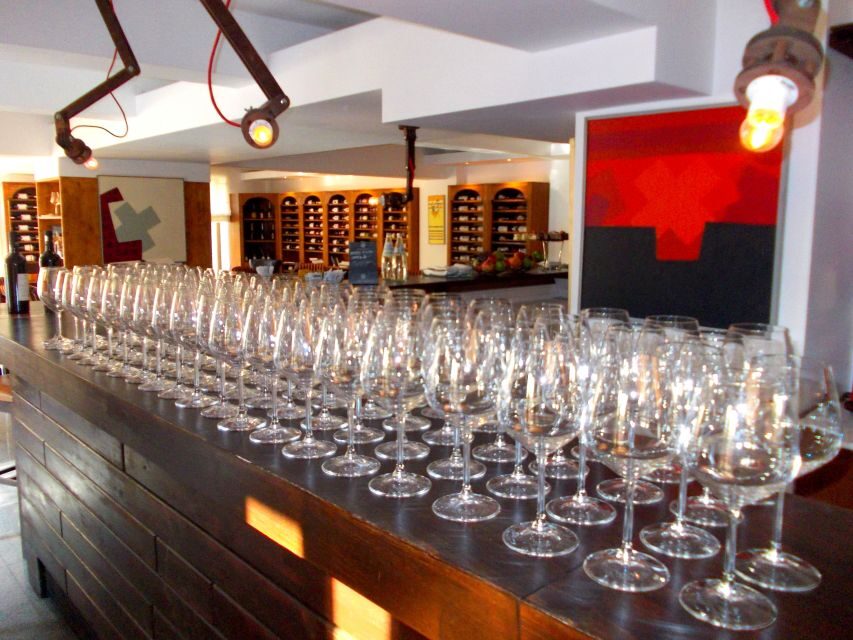
Now you get to eat and drink the way the guide wants you to—slow enough to learn, fast enough to keep the day moving. The final stop is at a local wine bar for wine tasting with cheese and charcuterie.
You’ll enjoy 3 glasses of Romanian wine plus water, alongside a small plate of local cheese and charcuterie. It’s a well-sized tasting: enough to notice differences, not so much that you lose the ability to pay attention.
This part is about more than flavor. The guide explains how Romanian winemaking is tied to place and how the industry revived in recent decades. Then you’ll connect that talk to regions and grapes.
Two things I think you’ll appreciate here:
- The focus on terroir language—the guide helps you understand why wines taste the way they do based on where grapes grow.
- The grape variety references—you’ll hear names like Feteasca Neagra, Tamaioasa Romaneasca, and Negru de Dragasani, plus region context such as Dealu Mare.
Even if you don’t call yourself a wine person, the guide’s job is to translate. You’ll come out knowing at least a few Romanian grapes by name and having a clearer sense of what makes them distinct. That’s how the wine tasting ties back to the village museum: both are about place, craft, and tradition.
Timing, Transport, and Your End Point by the Romanian Athenaeum

This tour runs about 4.5 hours total, and the pacing is built for a compact “morning-to-afternoon” feel. Hotel pickup starts the day, and your schedule is organized around three main stops.
Here’s the flow you can expect:
- Pickup from Bucharest
- National Village Museum visit with guided tour and walking (about 1.5 hours)
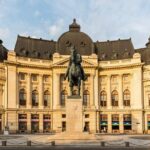
- A quick pass-by and photo stop at the Romanian Athenaeum (about 10 minutes)
- Art and craft shop visit (about 30 minutes)
- Wine bar tasting (about 1.5 hours)
The timing matters because it keeps the day from dragging. You get real guided time where it counts, then enough browsing and tasting time to enjoy it without rushing.
Transport is handled for you with private transport (car, van, or taxi). After the wine tasting, the tour ends in the city center, within walking distance of the Old Town area. It also finishes around the Romanian Athenaeum, so you can easily continue exploring on foot.
Pickup details are practical and specific. The guide waits in your hotel lobby, next to reception. If your accommodation doesn’t have a lobby, the guide waits downstairs at the entrance.
You can also read our reviews of more museum experiences in Bucharest




Price and Value: Why $153 Can Make Sense for This Combo
At $153 per person, this is not a budget stroll. But it’s also not just “a ticket to a museum.” You’re paying for a bundle: hotel pickup, private transport, museum entry fees, a guided museum visit, and a guided wine tasting with snacks.
Here’s why that can feel like good value:
- You don’t have to plan the day: transport and sequencing are handled.
- You get guided time at the most complex stop: the village museum is easier to enjoy with context.
- The wine tasting includes food: cheese and charcuterie make it more than just three sips.
- You get a cultural link: architecture, craft, and wine are connected through the guide’s explanations.
If you’re the type who likes your tours to have a clear theme—and you want that theme to make sense—you’ll likely feel it’s worth it. If you prefer “wander freely with minimal structure,” this might feel a bit planned. But the structure here is the point: it turns a random day in Bucharest into a coherent story.
Who This Tour Suits Best (and Who Might Skip It)
This experience is a good match if you want:
- A focused, guided look at Romanian rural architecture
- A hands-on-style craft browsing stop (even if you only buy one small item)
- A guided introduction to Romanian wines, not a free-for-all tasting
It’s also a smart pick if you’re visiting Bucharest for a limited time and want to see more than just city sights. The museum and the wine bar give you variety without bouncing all over the map.
Two considerations to keep in mind:
- The museum involves walking outdoors, so comfortable shoes and sun protection help.
- It’s not suitable for wheelchair users, and children under 3 aren’t considered appropriate for this tour.
Should You Book Traditions in Bucharest: Village Museum and Wine Tasting?
I’d book this if you want a compact day with real culture and clear guidance. The combo works because it connects three different ways Romania expresses tradition: how people built homes, how they made crafts, and how they grew and named wines.
If you like museums but hate feeling lost, the guide fixes that. If you like wine but don’t want a lecture, the tasting is sized for learning without turning into a classroom. And if you just want a pleasant day out with an easy ending near Old Town, the finish by the Romanian Athenaeum helps you transition right into your next stop.
Skip it only if you dislike outdoor walking or you want an entirely unstructured day. Otherwise, this is a strong value style of tour: not flashy, just smart.
FAQ
How long is the tour?
The tour lasts about 4.5 hours.
What are the main stops during the experience?
There are three main stops: the National Village Museum, a local art and craft shop, and a local wine bar for tasting.
Is hotel pickup included, and where does the guide wait?
Yes, hotel pickup is included. The guide waits in your hotel lobby next to the reception desk. If your hotel has no lobby, the guide waits downstairs at the entrance.
What happens at the National Village Museum?
You’ll get a guided tour and walking time (about 1.5 hours) at the National Village Museum, a large open-air museum with reconstructed Romanian village buildings.
What’s included in the wine tasting?
You’ll receive 3 wine glasses, 1 water, and a cheese and charcuterie platter.
Which Romanian wine varieties and regions are mentioned?
The tasting discussion includes local varieties such as Feteasca Neagra, Tamaioasa Romaneasca, and Negru de Dragasani, and it also references wine regions like Dealu Mare.
Do you see the Romanian Athenaeum during the tour?
Yes. There’s a photo stop and pass by the Romanian Athenaeum, and the tour also finishes around the Athenaeum area.
Is the group private?
Yes, it’s a private group.
What languages is the live guide available in?
The live guide is available in English and Romanian.
Is it suitable for kids or wheelchair users?
It isn’t suitable for children under 3 years old and isn’t suitable for wheelchair users.
Can I cancel for a full refund?
Yes, free cancellation is available up to 24 hours in advance for a full refund.