REVIEW · BUCHAREST
Bucharest: Entry ticket at the Museum of Communism
Book on GetYourGuide →Operated by Museum of Communism in Bucharest · Bookable on GetYourGuide
Communism sounds heavy. Here, it’s hands-on, practical, and surprisingly human. The Museum of Communism in Bucharest takes you through decades of life under the regime, using images, objects, and interactive stops that help you understand what it felt like—not just what it was.
I especially like two things. First, the interactive exhibits let you try items and even handle period objects, like old books and clothing. Second, there’s a guide on hand during your visit, so when something doesn’t add up (propaganda, daily routines, Ceaușescu-era changes), you can ask and get real context instead of guessing.
One thing to consider: this museum can feel small for the amount of time it covers. If you expect a massive collection, you may want to pace yourself and focus on what matters to you most.
In This Review
- Key takeaways before you go
- Where the Museum of Communism Fits Into Bucharest’s Old Town
- Hands-On Exhibits: Clothes, Old Books, and Life Under the Regime
- The Guide’s Role: Asking Questions Without Interrupting Your Flow
- A Realistic Pace in a Smaller Space
- The Café Break: Coffee, Drinks, and a Quieter Moment
- Price and Value: Is $9 Worth It?
- Who This Museum Ticket Suits Best
- My Take: Should You Book the Museum of Communism Entry?
- FAQ
- How much does the Museum of Communism ticket cost?
- How long should I plan for the visit?
- Is a guide included with the ticket?
- Where do I go when I arrive?
- Are drinks included in the price?
- Is the museum wheelchair accessible?
- Can I cancel or pay later?
Key takeaways before you go
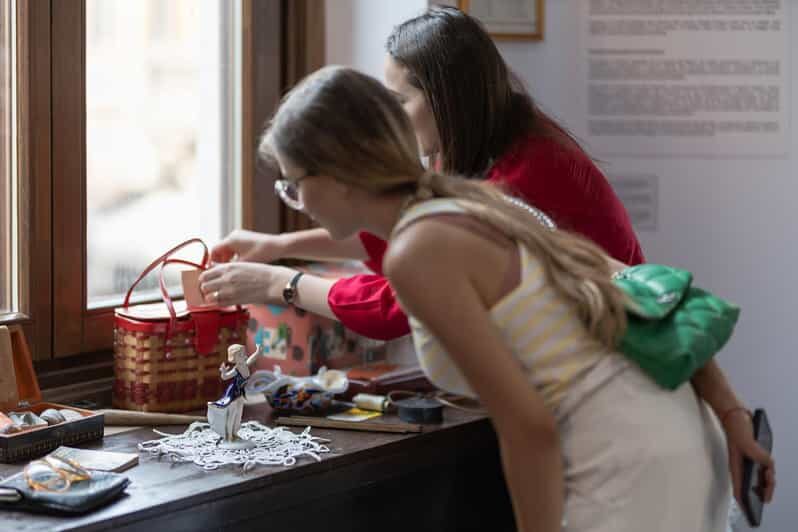
- Interactive objects: You can engage with displays, including period items like books and clothing.
- Guide support: A guide is present so questions don’t stay unanswered.
- Hands-on pacing: Plan for a relaxed visit; the space is not huge.
- Old Town location: Easy to pair with a walk through Bucharest’s historic center.
- Café on-site: There’s a downstairs spot for coffee, soft drinks, and alcoholic options at your own expense.
- Not wheelchair-friendly: The museum isn’t suitable for wheelchair users.
Where the Museum of Communism Fits Into Bucharest’s Old Town
The Museum of Communism is set up right in Bucharest’s Old Town area, which matters because you can make this a true stop on your day, not a separate mission. If you’re already walking the historic core—churches, courtyards, old streets—this is one of those experiences that slots in naturally.
Entry is straightforward. You’ll show your online ticket at the bar when you arrive. That’s your checkpoint. From there, you’re free to move through the museum and learn at your own pace, with the guide available for questions.
Tip: go in with a simple mindset. You’re not just collecting facts. You’re trying to build a picture of how daily life worked—what people used, what they wore, what they read, and what they were allowed to say. When you look for those details, the exhibits click faster.
A few more Bucharest tours and experiences worth a look



Hands-On Exhibits: Clothes, Old Books, and Life Under the Regime
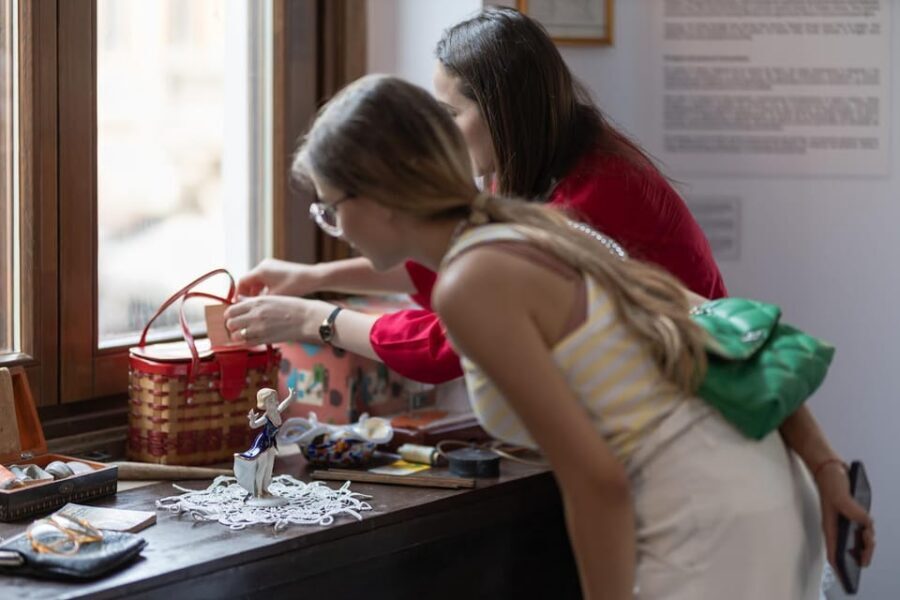
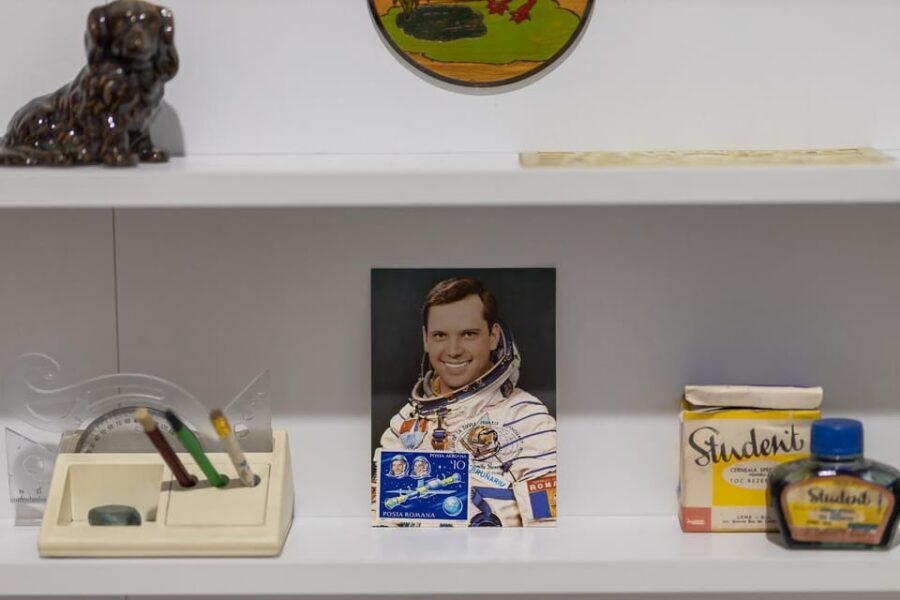
This museum isn’t only display cases and text panels. The best part is that it invites you to interact. You can try on clothes tied to the era and handle objects that make the past feel less distant. You’ll also find opportunities to read old books—exactly the kind of detail that turns a timeline into something you can almost picture yourself doing.
That hands-on approach is where the experience becomes memorable. Reading about restrictions is one thing. Feeling the reality of a garment or seeing the style of printed materials is another. It helps you understand why propaganda and control weren’t abstract—they were built into everyday culture, what people consumed, and how they represented themselves.
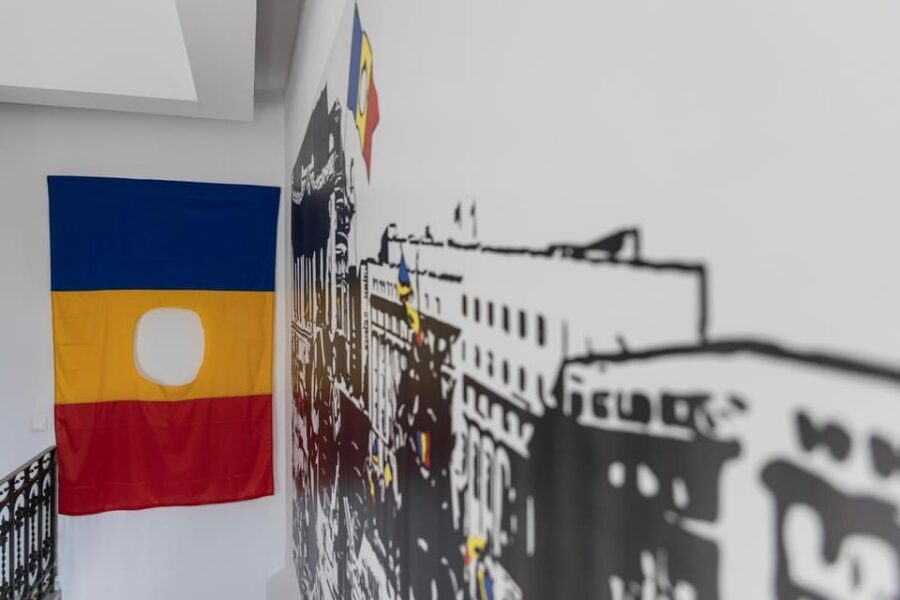
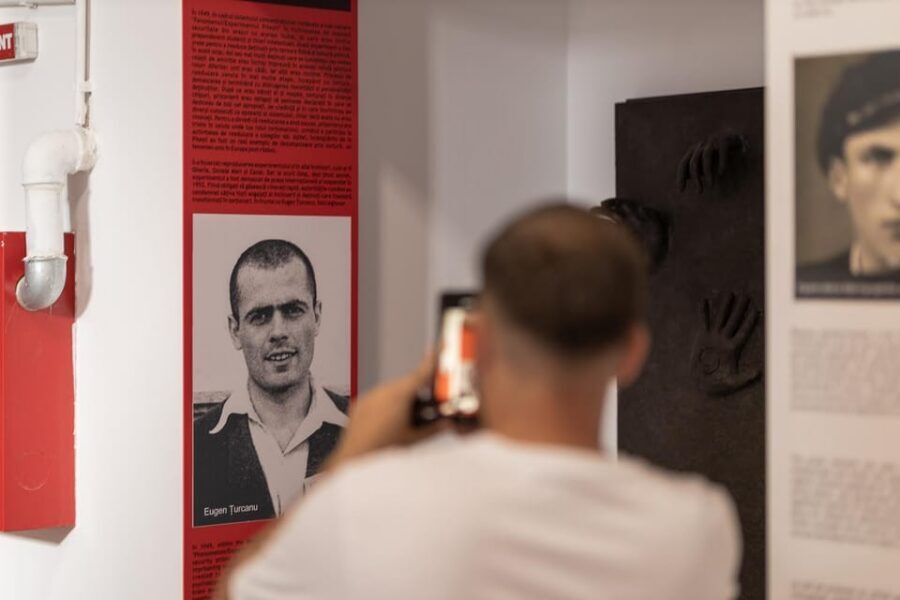
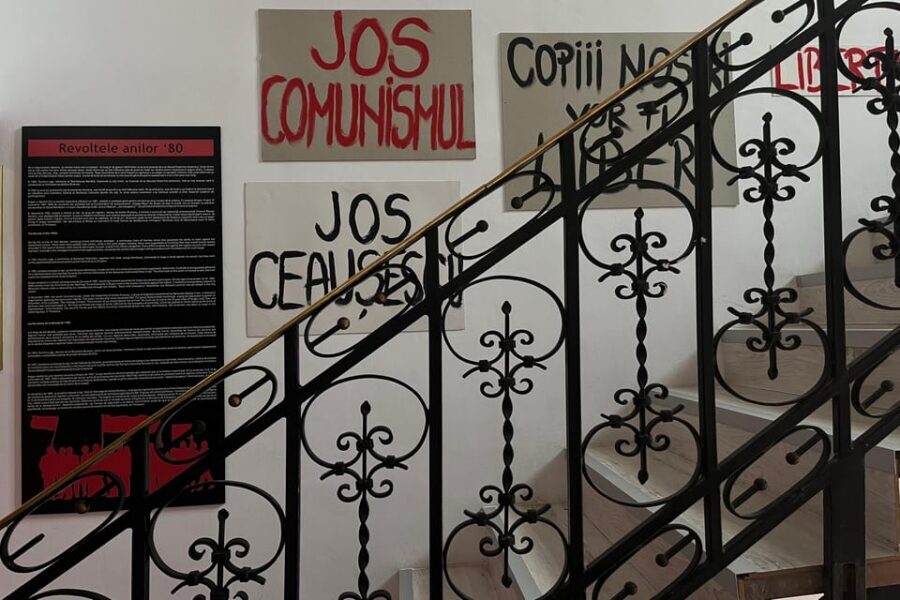
The museum also uses images and staged information about key moments across communist Romania. So even when you’re not interacting at every step, you still get a guided sense of the era’s rhythm: earlier decades, shifting attitudes, and the way life changed over time.
Practical note: because the museum includes interactive stations, you’ll likely move slower at those points. That’s good. Don’t rush. Spend a little extra time at the exhibits that allow you to handle items or read period text.
The Guide’s Role: Asking Questions Without Interrupting Your Flow
A lot of museums leave you with uncertainty: you look at an object, you read the label, and you still wonder what’s missing. Here, the structure is different. There’s a guide present throughout your visit, and you can ask questions.
Use that. If you notice a display and your brain starts asking why it looks that way, ask. If you’re curious about a political regime detail or how people lived during a specific period, ask. The museum is set up so those questions are expected, not awkward.
From the way the experience is described, you can follow the story through the full arc of the Ceaușescu era, from start to finish. Whether you already know a lot or you’re starting from scratch, that guidance helps you keep the timeline straight.
How to get the most out of the guide:
- Ask one question per main area you visit (not ten rapid questions in a row).
- If an exhibit mentions a concept you’ve heard before—like censorship, shortages, or party life—ask what it meant in real daily terms.
- If something feels overly simplified, ask what the label doesn’t show you.
That way, you’ll leave with answers that you can actually carry into the rest of your Bucharest day.
A Realistic Pace in a Smaller Space
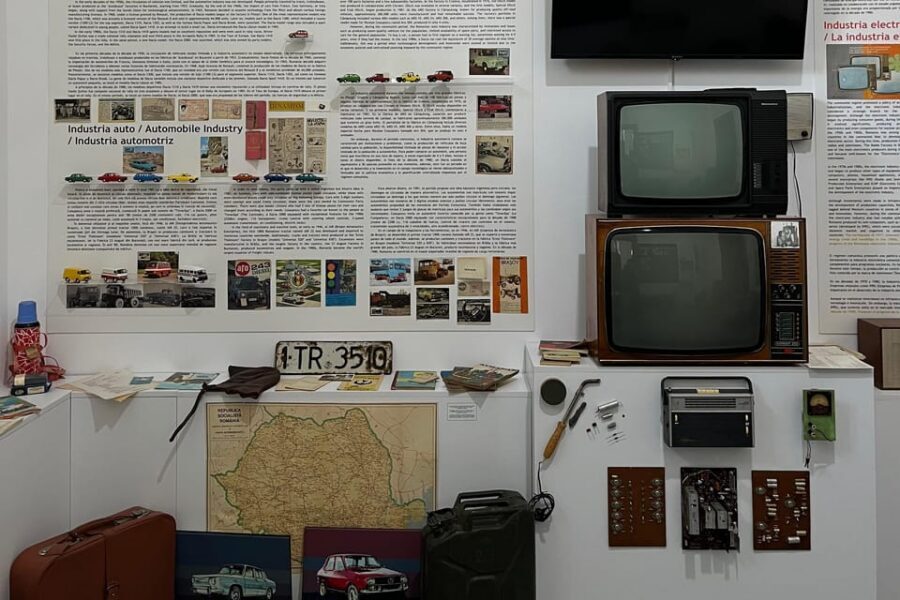
The Museum of Communism is worth your time, but it’s not huge. Some people will feel that immediately, especially if they’re used to sprawling museums with dozens of rooms.
So I suggest you go in with strategy:
- Expect to cover most of the main story in about the time you’d spend on a solid indoor museum visit.
- Don’t try to read everything word-for-word. Instead, read enough to orient yourself, then focus on the interactive items and the moments that connect visually to daily life.
- Take photos where allowed, but don’t treat your camera as your only way of learning.
The benefit of a smaller space is that you can keep a coherent thread. You won’t be hopping across huge distances or losing the narrative. But the tradeoff is depth-by-volume: if you want a massive collection that spans the entire period with equal detail for every year, you might feel you’re skimming the surface compared with bigger museums.
The solution is simple: pick what you care about most. If you want culture and daily objects, you’ll get a lot. If you want an encyclopedic year-by-year archive, you may want to pair this with other context sources during your trip.
The Café Break: Coffee, Drinks, and a Quieter Moment

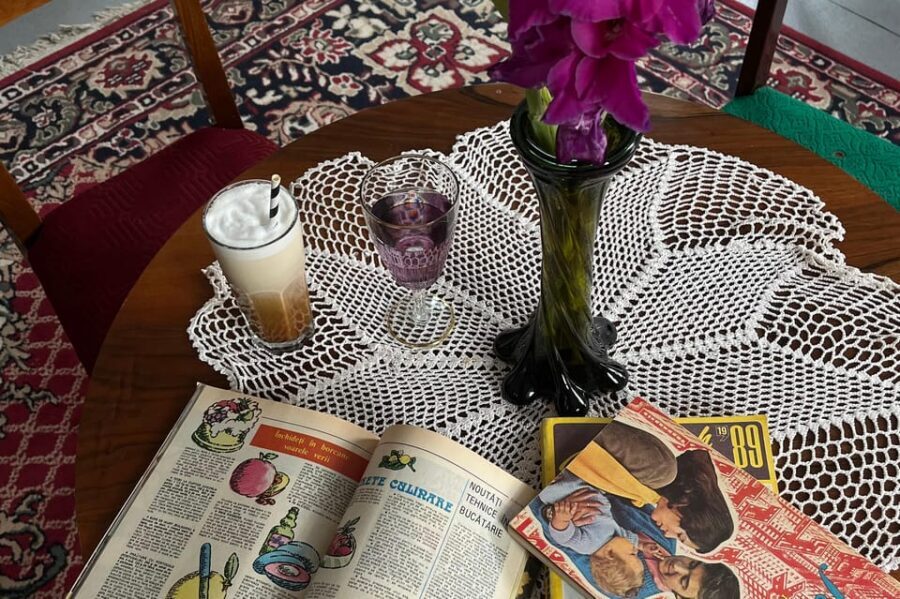
Downstairs, the museum has a small café area. It’s not just a place to sit. It’s also a chance to pause and reset while staying inside the same historical atmosphere.
At your own expense, you can buy specialty coffee, soft drinks, and even traditional alcoholic drinks. One highlight is the house beer, served with an original label—exactly the kind of detail that makes the museum feel less like a strict archive and more like a real place people can visit, talk about, and linger.
Why this matters: after interactive exhibits and a lot of reading, your brain can feel full. A drink break gives you space to reflect on what you saw. It’s also a practical move if you’re visiting during busy hours or if you want to take your time with the guide afterward.
You can also read our reviews of more museum experiences in Bucharest






Price and Value: Is $9 Worth It?
At around $9 per person, this museum is priced like an accessible cultural stop, not a luxury tour. And for that price, you get more than passive viewing. You’re paying for an experience that includes a guide available for questions plus interactive exhibits.
So here’s the value equation I’d use:
- If you want interactive history and a guided chance to ask questions, $9 feels fair.
- If you’re expecting a huge museum with extensive galleries for every subtopic, $9 may still be worth it, but your expectations should shrink accordingly.
- If you want a quick, focused hour of learning that fits into your Old Town walking day, it can be a great fit.
One more value point: drinks are not included, so factor that into your budget if you plan to sit and linger. But even with that, the total cost can stay modest.
Who This Museum Ticket Suits Best

This is a strong match if you’re:
- Curious about how political systems shape daily life
- Interested in tangible culture—what people wore, read, and used
- Someone who likes to ask questions rather than just read labels
- Visiting Bucharest and want an Old Town activity that doesn’t require a half-day commitment
It’s less suitable if you:
- Need wheelchair accessibility (the museum is not suitable for wheelchair users)
- Want a very large collection experience with lots of rooms and expanding galleries
- Prefer long, lecture-style guided tours rather than a mix of self-paced exploring and on-site guidance
If you’re traveling with a mix of interests, this museum can work because there’s something concrete to look at and something you can talk about with the guide. You won’t all experience it the same way, but you’ll likely leave with shared questions and points of discussion.
My Take: Should You Book the Museum of Communism Entry?
I’d book this if you want a compact, interactive look at communist Romania with a guide present to help you make sense of it. The hands-on exhibits—especially trying items and reading period materials—are the kind of detail that turns history into memory.
I’d hesitate only if your main goal is maximum scale. If you’re the type who wants big, multi-building museums with huge collections, you may feel the museum is smaller than you expect. In that case, treat it as a focused stop and plan other context elsewhere in Bucharest.
FAQ
How much does the Museum of Communism ticket cost?
The entry ticket is $9 per person.
How long should I plan for the visit?
This experience is listed as 1 day, and you should allow enough time to move through the exhibits and ask questions while you’re there.
Is a guide included with the ticket?
Yes. Your visit includes the museum entry, with a guide available for questions.
Where do I go when I arrive?
Please enter and show your online ticket at the bar inside the museum.
Are drinks included in the price?
No. Drinks are not included. There is a café inside the museum where you can buy coffee, soft drinks, and alcoholic options at your own expense.
Is the museum wheelchair accessible?
No. The museum is not suitable for wheelchair users.
Can I cancel or pay later?
You can cancel up to 24 hours in advance for a full refund, and you can also reserve now and pay later (book your spot and pay nothing today).