REVIEW · BUCHAREST
Bucharest: Museum of Communism Ticket with Communist Coffee
Book on GetYourGuide →Operated by Museum of Communism in Bucharest · Bookable on GetYourGuide
Old posters, real objects, and one strange coffee. The Museum of Communism in Bucharest turns recent Romanian history into something you can touch and try out, from old working gadgets to dressing-up moments. I also like that the ticket bundles a cup of nechezol communist coffee, served in the museum’s living-room setup with a couch, so you leave with a small, very ’80s taste of what rationing and scarcity felt like.
The main thing to keep in mind: it’s not a slow, academic museum. Some of the explanations can feel a bit basic in places, and how much you enjoy it will depend on whether you like poster reading and interpretive displays versus hands-on play.
In This Review
- Key Points to Know Before You Go
- First Stop: What This Museum Feels Like in Real Life
- Hands-On Exhibits: Typewriter Moments, Real Magazines, and Costumes
- A quick reality check on “interactive”
- Getting Context Through Q&A With an English Guide
- The Nechezol Coffee Experience: A Small Taste of Scarcity
- Timing and Flow: How to Plan a 45–60 Minute Visit
- Price and Value: What You Actually Get for $10
- Who This Bucharest Museum Suits Best
- The Bottom Line: Should You Book This Ticket?
- FAQ
- How much is the Museum of Communism ticket with communist coffee?
- How long should I plan for the visit?
- What’s included with the ticket?
- Is there an English guide or host?
- What languages are available?
- What is the museum coffee, and where is it served?
- Is the museum wheelchair accessible?
Key Points to Know Before You Go

- Hands-on exhibits you can operate, including typewriter-style moments and physical props
- Ask questions to an on-site English guide while you move through the rooms
- Original-feeling details like old magazines and clothing you can try on
- Nechezol coffee included, served in an old-school living-room setting
- Quick visit friendly: many people finish in about 45 minutes to 1 hour
- No big extras like a gift shop, but there’s a small bar area and clean toilets
First Stop: What This Museum Feels Like in Real Life
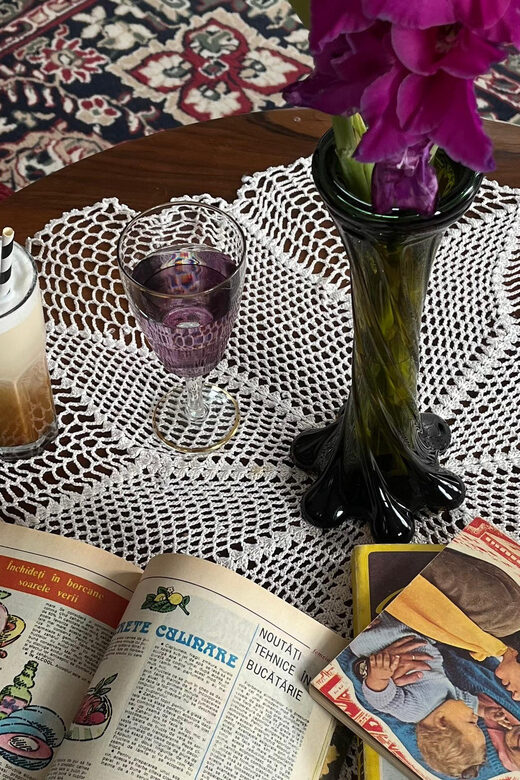
This museum is built like a series of rooms you walk through, not like a single “big hall of facts.” That matters, because it keeps your attention on what’s in front of you: display items at eye level, interactive tasks, and little set-pieces that make the era feel specific instead of abstract.
You’ll want to arrive ready to look closely. A lot of the impact here comes from small, concrete details—signs, objects, and everyday items presented through the communist lens. It’s also the kind of place where you’ll naturally pause for photos, because some scenes are staged like you’re stepping into a period snapshot.
Since the museum provides an English host/greeter, you’re not stuck guessing what anything is about. And because there’s a guide available for questions, you can steer your visit toward what you actually care about: propaganda, daily life, shortages, or how people lived under the system.
A few more Bucharest tours and experiences worth a look



Hands-On Exhibits: Typewriter Moments, Real Magazines, and Costumes
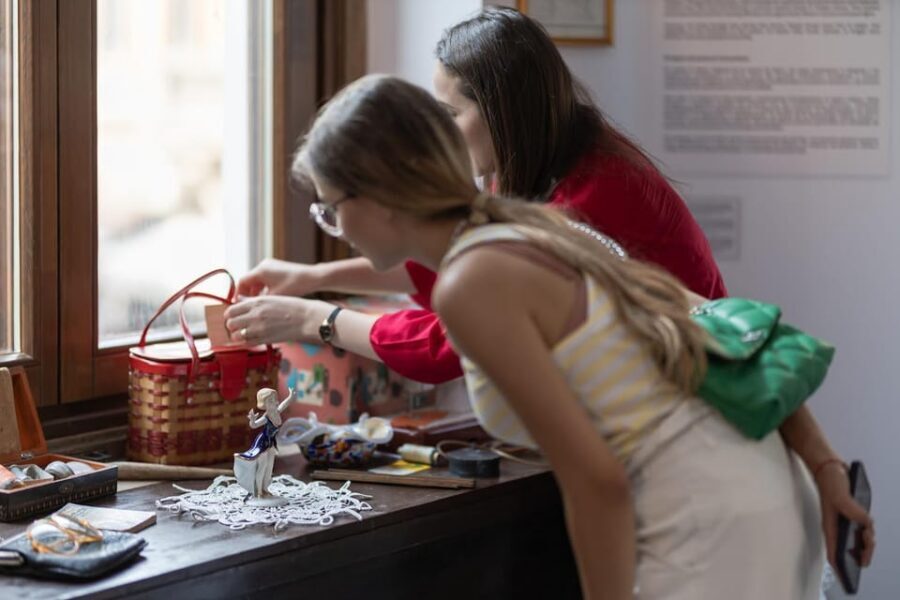
One of the best parts is that you’re not treated like a spectator. You’re invited to participate. You can type on an old typewriter, flip through original magazines, and try on old clothing. Even if you’re not a “museum person,” these bits work because they turn history into action.
Here’s why I think this approach is smart: when you touch an object from another time, your brain stops treating it like distant trivia. The texture, weight, and simple mechanics of older tools make the past feel more believable. You don’t need to agree with the museum’s framing to understand what everyday life equipment looked like.
Clothing and dressing-up are particularly useful if you’re visiting with friends or family. It gives you a break from reading and gives you a visual anchor for what you’re learning. Solo visitors can still enjoy it, but it’s easier to get a laugh and a photo when someone else is around.
A quick reality check on “interactive”
The word interactive can mean different things. In this museum, interactivity tends to be hands-on with specific objects and photo-friendly areas. If you expect long, high-tech activities, you may find it more old-school than you thought. One person found it text-heavy and not very interactive, so if you’re the type who rushes past captions, go in with realistic expectations.
Getting Context Through Q&A With an English Guide

A lot of museum visits fail when you’re left to read everything alone. Here, you can ask questions to a guide who’s available during your visit. That small feature can change the whole experience, because the museum’s theme touches on politics, daily life, and public messaging—and those need clarification.
I like that the Q&A option lets you customize the visit. If you want more nuance, you can ask for it. If you want the “why” behind certain exhibits, you can request that. And if you’re confused by the museum’s tone, you can ask directly what the objects represent in the bigger story.
The guide support is one of the highlights that comes through clearly in feedback: people describe the staff as passionate and invested, with real answers instead of vague slogans. So even if you only ask one question, you’ll likely get more out of the displays than you would on a self-guided walk.
The Nechezol Coffee Experience: A Small Taste of Scarcity
The ticket’s standout add-on is the communist coffee: nechezol. This isn’t just a marketing gimmick. The museum connects it to a specific idea—how Romania had limited access to coffee during the late communist years, when imports were small.
And then it delivers the story in a literal way. You drink your nechezol from an old cup in the museum’s living-room area, complete with a communist couch. It’s the kind of staged detail that makes the past feel physical. You’re sitting, holding the cup, and taking in a flavor tied to scarcity and everyday compromise.
How does it taste? One reviewer said it’s quite tasty and can be hard to distinguish from Nescafe if you’re not a coffee connoisseur. That’s useful for your expectations. Don’t treat it like a specialty coffee flight. Treat it like a cultural prop that you experience with your senses.
Why I think this is good value: you’re not paying extra just to get a beverage. The coffee is part of the show. It gives you a moment to pause, sit down, and reflect on what the museum is trying to communicate through everyday life.
You can also read our reviews of more museum experiences in Bucharest





Timing and Flow: How to Plan a 45–60 Minute Visit
A typical visit is quick. Many people finish in about 45 minutes to 1 hour, which makes it ideal when your Bucharest day is packed. It’s especially workable if you’re doing other old-town stops and want something meaningful but not time-consuming.
How I’d structure your visit:
- Start by scanning the rooms for the hands-on stations, then circle back to the text-heavy displays if you want more context.
- Use the guide Q&A time for any unclear items you notice while you’re walking.
- Save the coffee moment for when you need a break, since sitting on the couch is part of the experience.
Because the museum is relatively compact, there’s a practical rhythm: look, try, read, ask, repeat. The interactive pieces also help you pace yourself so you don’t burn out on posters.
One small comfort perk: toilets are described as clean, and there’s a small bar area. No big gift shop pressure either, so you can keep moving without being stalled by shopping.
Price and Value: What You Actually Get for $10
At around $10 per person, this ticket feels fair because you’re not buying only admission. You’re getting:
- Entry to the Museum of Communism
- A cup of nechezol coffee in the museum setting
That coffee inclusion matters. It’s one of the few “museum extras” that’s directly tied to the theme, not just a separate add-on you’d find elsewhere. The overall experience is short and concentrated, so you don’t need a half-day to feel like you used your time well.
Is it worth it for everyone? If you love interactive, playful museum moments and you’re curious about daily-life details under communism, the $10 price tag will likely feel like a bargain. If you prefer deep academic interpretation and long reading sessions, you might want to pair this with another source—or choose a different style of museum—to match your taste.
Who This Bucharest Museum Suits Best
This museum is a good match if you:
- Like hands-on exhibits and photo moments
- Want a quick, low-effort way to understand communism’s impact on Romania’s daily life
- Enjoy asking questions and getting straight answers in English
- Are curious about nechezol and the small, unusual food-history angle
It may be less satisfying if you:
- Want long, complex lectures or heavily sourced academic narratives
- Dislike poster-based displays and text explanations
- Expect a fully guided, step-by-step show at every exhibit (this is more of a walk-through with interactive moments)
Accessibility note: it’s not suitable for wheelchair users, based on the provided information. If mobility access is a concern for you, plan around that before you go.
The Bottom Line: Should You Book This Ticket?
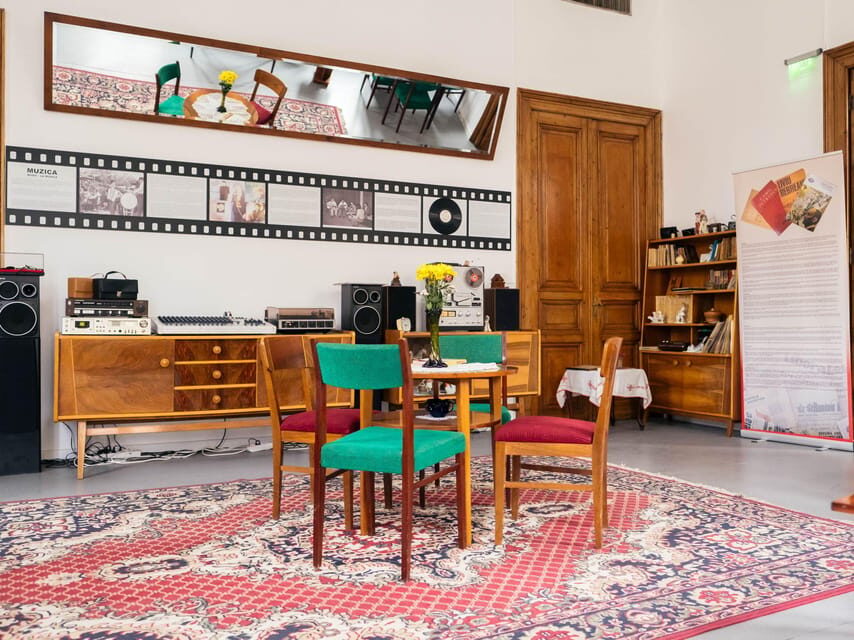
I’d book it if you want a compact, interactive stop that gives you both objects and a sensory souvenir. The nechezol coffee moment on the couch is playful, memorable, and genuinely tied to the museum’s theme, and the option to ask questions helps turn wandering into understanding.
I wouldn’t over-hype it into something it isn’t. Some parts can feel basic, and not every room will satisfy people who want dense historical analysis. But if you’re open to a more practical, object-first style of learning, this $10 ticket can be an efficient and entertaining slice of Bucharest’s recent past.
FAQ

How much is the Museum of Communism ticket with communist coffee?
It costs about $10 per person.
How long should I plan for the visit?
Plan on roughly 1 day for the ticket, and most visits feel quick, often around 45 minutes to 1 hour.
What’s included with the ticket?
Entry to the Museum of Communism and a cup of nechezol communist coffee.
Is there an English guide or host?
Yes. The museum experience includes an English host/greeter, and a guide is available so you can ask questions.
What languages are available?
The experience is available in English.
What is the museum coffee, and where is it served?
You’ll taste nechezol communist coffee served in the museum living-room area, from an old cup, sitting on the communist couch.
Is the museum wheelchair accessible?
No. It is not suitable for wheelchair users, according to the provided information.