REVIEW · BUCHAREST
Street Food’n’Culture Tour
Book on Viator →Operated by Laura Genescu · Bookable on Viator
Food tours in Bucharest can turn into history lessons fast. I like this one for its small-group feel (max 8) and for the way it mixes practical street-level tastings with city orientation. I also like that you get coffee plus multiple tastings and drinks without playing the guessing game over add-ons; and based on the guides named in past groups, you’re likely to get lively explanations from people like Cristian or Laura. The one thing to weigh: it’s a 3.5-hour walking tour, so if you hate strolling or get full easily, you may need to pace yourself.
You start near the InterContinental Athénée Palace and end at the Romanian Athenaeum, which makes it an easy way to connect old Bucharest landmarks with everyday eating. Expect four food stops and the chance to learn how culinary tastes fit into Romania’s shifts over time, including the royal era, the communist period, and what life looks like now. Do it early in your trip if you want a feel for neighborhoods and a shortlist of places to return to.
In This Review
- Key things that make this tour worth your time
- Where Bucharest street food fits into the city’s story
- Price and what you actually get for your money
- Start at the InterContinental Athénée Palace and end at the Romanian Athenaeum
- Stop at the Romanian Athenaeum: architecture first, then appetites
- Piata Amzei open-air market: produce, flowers, and real daily life
- The restored historic villa stop: a pause that connects old Bucharest to modern taste
- What you’ll likely taste across the four food stops
- The “culture” part: how history shows up on the plate
- Pace, group size, and your best timing
- Who this tour suits best (and who should think twice)
- Small practical tips so you get the most from it
- Should you book Street Food’n’Culture in Bucharest?
- FAQ
- How long is the Street Food’n’Culture tour in Bucharest?
- What does the tour cost per person?
- Is coffee and alcohol included?
- What are the food inclusions like?
- Where do I meet and where does the tour end?
- Can I get a full refund if I cancel?
Key things that make this tour worth your time

- Four food stops with around eight tastings so you sample widely without committing to one full meal
- Coffee plus lemonade and a glass of local wine or beer included in the price
- Market time at Piata Amzei to see the everyday produce-and-flowers side of the city
- Neoclassical Romanian Athenaeum landmark time to ground the walking route in a true Bucharest icon
- A restored historic villa stop that adds architectural context between bites
- A group capped at 8 travelers which helps you ask questions and keep the pace comfortable
Where Bucharest street food fits into the city’s story
Bucharest food doesn’t sit in a vacuum. It reflects trade, geography, and politics—and that shows up in what people cook day to day. This tour is built around that idea: you’re not just eating random dishes. You’re also getting the why behind what’s on the table.
What I like is the balance between food and context. You won’t get stuck in a lecture hall. Instead, you’re walking, stopping, and tasting while the guide points out how different chapters of Romania’s past changed everyday life. When the communist era comes up, it often gets tied to comfort foods and snack culture; when the modern era comes up, it’s usually about what’s popular now and what people still crave.
This matters for your trip because it changes how you look at menus. After a tour like this, you’ll recognize the building blocks behind dishes and understand why certain flavors feel familiar to locals.
You can also read our reviews of more food & drink experiences in Bucharest


Price and what you actually get for your money
$153.65 sounds like a “premium” food tour price, but the value comes from how the inclusions stack up. You’re paying for four paid food stops, around eight tastings of dishes and sweets, plus coffee and drinks (fresh lemonade and one glass of local wine/beer).
If you’ve ever done food tours where you eat three tiny bites and then pay extra for everything else, this feels different. You’re not trying to stretch a snack budget. You’re sampling enough to skip a traditional lunch, and the drink is part of the structure, not an optional add-on.
Two more value boosters:
- The group is kept small (up to 8). That reduces the “herding cats” problem and usually makes explanations easier to follow.
- You also get insider tips on where locals like to eat and drink, which can save you time and bad first choices on your own.
One consideration: this isn’t a “just a few tastes” experience. It’s designed to feed you. If you’re picky, have a limited diet, or want only light bites, you might feel overfull before the last stop.
Start at the InterContinental Athénée Palace and end at the Romanian Athenaeum
The route has a smart rhythm. You meet at Strada Episcopiei 1-3 by the InterContinental Athénée Palace Bucharest, then you finish at The Romanian Athenaeum, on Strada Benjamin Franklin 1-3. The walking time is about 3 hours 30 minutes, and the starting point is within roughly 20 minutes on foot from the old town center.
Why that matters: the tour is an easy “bridge” between sightseeing and eating. You’re not wandering blindly for landmarks and then backtracking for food. You’re using the walk to connect points.
Also, the tour is offered in English and uses a mobile ticket, which keeps things simple when you’re juggling travel apps and transit times. There’s no hotel pickup/drop-off, though, so you’ll want to be able to get to the meeting point on your own.
The final stop at the Romanian Athenaeum is a natural photo-and-walk-off moment. It’s one of those places where Bucharest instantly feels more “capital city,” and it helps the tour feel like a complete loop, not just a string of restaurants.
Stop at the Romanian Athenaeum: architecture first, then appetites

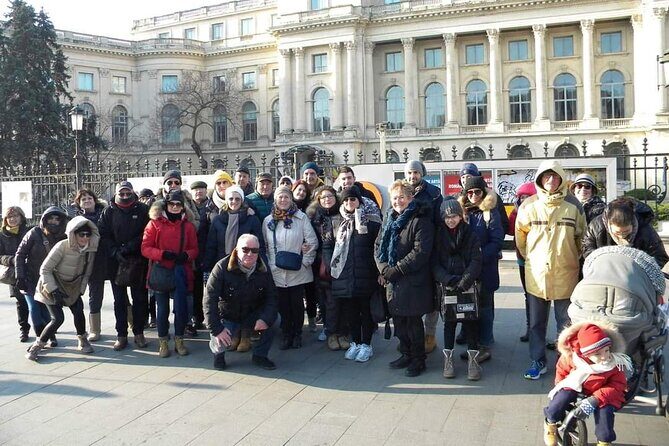
One of the highlights is pausing at the concert hall that’s known for its Neoclassical design and central place in the city. Even if you don’t go inside, the exterior stop gives you context: Bucharest has been reshaped many times, and architecture is one of the easiest ways to see those layers.
This kind of landmark pause is more than “look, buildings.” It sets a tone for the eating. A guide can point out how tastes and traditions shifted with the changing identity of the city, and you start hearing the food story with a mental picture of where you are.
Practical tip: if you plan to take photos, give yourself a few extra moments. In most cities, a famous building at a popular hour fills up quickly.
Piata Amzei open-air market: produce, flowers, and real daily life
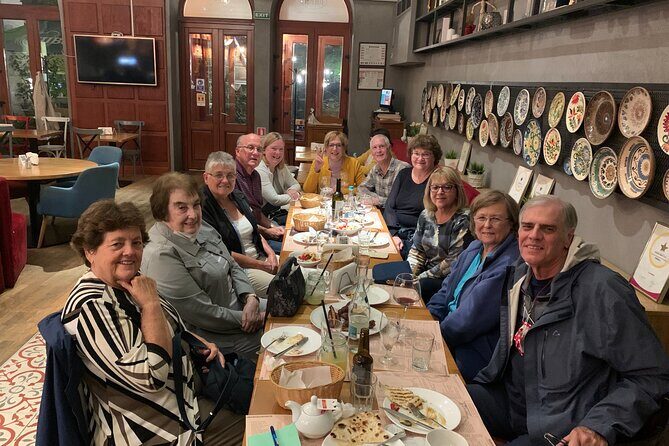
The tour’s market stop is at Platoul Piata Amzei, described as a small open-air market with fruits, vegetables, and flower shops. This is the part you’ll feel most in your senses. Markets are where you learn what locals treat as normal—what looks fresh, what’s seasonal, and what people buy without making it a tourist event.
Even if you don’t do a lot of shopping, this kind of stop helps you eat smarter later. After seeing what’s available in a working market, you’ll understand why certain ingredients show up in traditional dishes and why menu items can vary by time of year.
A drawback to note: market areas can mean more foot traffic and tighter walking. If you’re sensitive to crowds or you’re traveling with mobility limits, plan extra time around this segment.
A few more Bucharest tours and experiences worth a look

The restored historic villa stop: a pause that connects old Bucharest to modern taste
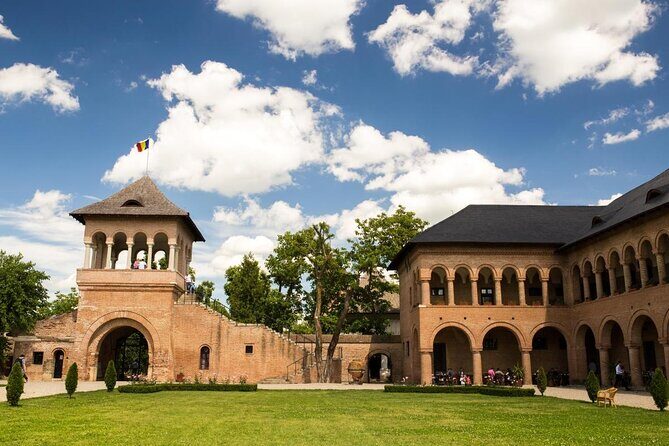
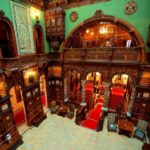
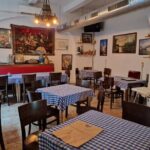
The itinerary includes a stop at a beautiful historical villa that’s described as fully restored and refurbished. You don’t have to be an architecture nut to get something out of this. These restored buildings usually act like time markers. The guide can connect the city’s shifts—cultural and political—to what gets preserved, what gets rebuilt, and what people choose to value now.
Think of it as a palate reset between food stops. After you’ve eaten something savory and something sweet, it’s useful to slow your body down for a moment. A villa stop gives you that breathing space while still keeping the tour thematic.
What you’ll likely taste across the four food stops
The structure here is clear: four venues, with tastings designed to show culinary trends and influences in Bucharest. You’ll also get fresh lemonade plus one glass of local wine or beer, and coffee is included.
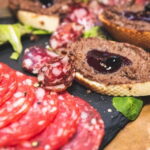
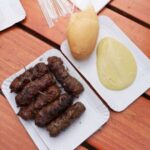
From what I’ve seen discussed by guides and past groups, the tasting list often includes classic Romanian comfort and street-food favorites. You might see dishes like:
- Sarmale (stuffed rolls)
- Mici (grilled minced meat)
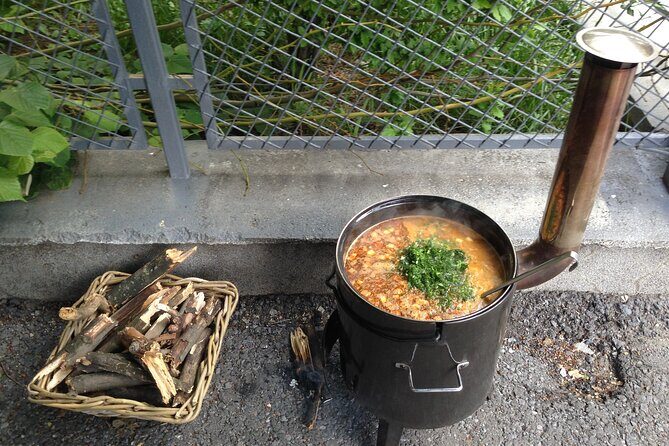
- Balmos (a traditional hearty dish)
- White bean hummus and vegetable-based tastes
And for sweets and pastry:
- Placinta cu branza (cheese pastry)
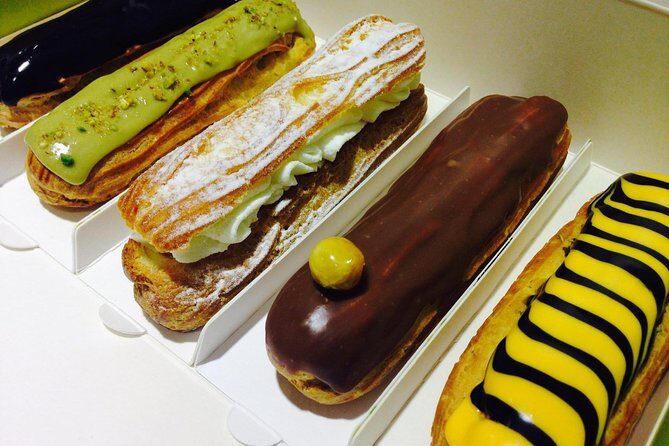
- Romanian-style eclair-like desserts (often described as a local invention that mixes tart and eclair elements)
Because the tour is built for variety, the “why” is part of the plan. You’re sampling savory dishes, then shifting into pastries and sweets, then ending with drinks and coffee—so you get contrast, not just repeats of one flavor type.
Important note for your planning: the inclusions are set up to help you avoid hidden costs, but additional beverages beyond what’s included are not part of the package. If you like cocktails or extra pours, you’ll pay for those separately.
The “culture” part: how history shows up on the plate
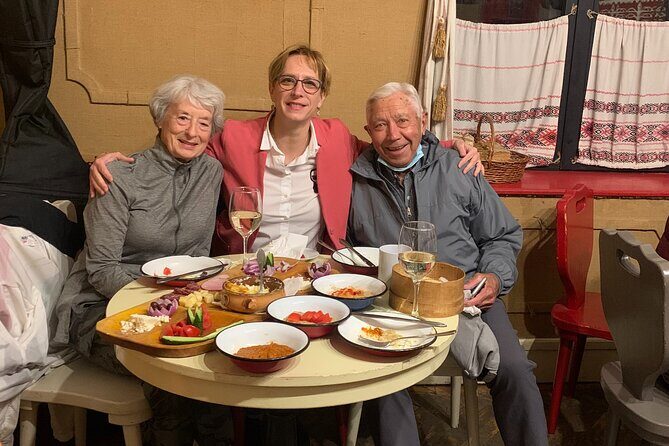
This is not a food tour that treats cuisine like it’s only about flavor. It ties food to changing life in Romania. Past guides (including names like Emma and Cristian) have been praised for connecting the dots across major shifts—royalty, communist times, and modern Romania.
That connection often shows up in examples like:
- How everyday comfort foods and snacks shaped eating habits during the communist era
- Why certain dishes feel “traditional” but still show up in contemporary form
- How current trends blend old techniques with newer tastes
For you, the payoff is simple. When you order a Romanian dish later, you’re less likely to see it as “just another meat roll” and more likely to recognize it as a living tradition.
If you’re the type who likes to ask questions, this is also a good match. Small group size helps you get real answers instead of nodding along and hoping your question makes it to the front.
Pace, group size, and your best timing
This tour runs about 3 hours 30 minutes and works in all weather conditions, so you should dress for rain or cold if needed. That’s not a throwaway detail. Bucharest weather can change fast, and food tastes best when you’re not miserable.
Group size is capped at 8 travelers, which usually means:
- You stay together
- You can actually hear explanations
- The guide can adjust when someone needs a slower pace
One more timing note: it’s commonly booked about 77 days in advance. You don’t have to book super early for every trip, but if you’re visiting in a popular season or traveling with a group, earlier booking gives you more options.
Who this tour suits best (and who should think twice)
This fits you well if you:
- Want a guided walk that also teaches how to read menus
- Like learning history in small pieces tied to real objects and food
- Prefer a small group to a big, scripted bus tour
- Are comfortable eating a range of dishes and sweets
You might think twice if:
- You only want light snacks (this one is built to be filling)
- You can’t do a walking tour of around three and a half hours
- You avoid alcohol entirely and don’t want any drink-related structure (the glass of local wine/beer is included, but minimum drinking age rules apply; non-alcohol specifics aren’t spelled out in the tour details you provided)
If you’re vegetarian, there is a vegetarian option available. You’ll want to request it at booking and mention any dietary requirements.
Small practical tips so you get the most from it
- Come hungry. This tour is designed to feed you across multiple stops, plus coffee and drinks.
- Plan for weather. Since it runs in all conditions, bring a light jacket or umbrella depending on the season.
- Ask about substitutions early. If you have allergies or dietary limits, mention them at booking so the guide can handle it.
- Bring a curious mindset. The best moments tend to be the ones where you connect what you’re tasting to what the guide explains about Bucharest life.
And if you’re aiming to use this tour as your “anchor experience,” do it early. The insider tips you’ll pick up can shape where you eat for the rest of your stay.
Should you book Street Food’n’Culture in Bucharest?
Book it if you want an efficient first taste of Bucharest that mixes market views, landmark walking, and real included food. The price is easier to justify when you count what’s included: around eight tastings across four venues, plus coffee, lemonade, and a glass of local wine/beer. Add in the small group size and you get something closer to a personal food-and-city conversation than a rushed sampler.
Skip or reconsider if you’re food-tour burned out, hate walking, or want a purely self-paced itinerary. This tour is built for people who want structure, variety, and guidance.
If you’re deciding between “eat on my own” and “learn the city while I eat,” this one leans strongly toward the second option—and for a first trip to Bucharest, that can be a smart move.
FAQ
How long is the Street Food’n’Culture tour in Bucharest?
The tour lasts about 3 hours 30 minutes.
What does the tour cost per person?
The price is $153.65 per person.
Is coffee and alcohol included?
Coffee is included. You also get fresh lemonade and one glass of local wine or beer.
What are the food inclusions like?
You’ll receive multiple tastings (around eight tastings of dishes and sweets) across four venues, and you’ll also get insider tips on where locals like to eat and drink.
Where do I meet and where does the tour end?
You meet at InterContinental Athénée Palace Bucharest by IHG, Strada Episcopiei 1-3, and the tour ends at The Romanian Athenaeum, Strada Benjamin Franklin 1-3.
Can I get a full refund if I cancel?
Yes. You can cancel for a full refund if you cancel at least 24 hours before the experience starts. If you cancel less than 24 hours before, the amount paid is not refunded.