REVIEW · BUCHAREST
Private Tour – Food, Culture, History & Traditions
Book on Viator →Operated by Ultra Violet Travel Services · Bookable on Viator
Bucharest tastes better when you walk and eat. This private 4–5 hour tour mixes mici trivia with stories behind monasteries, bank palaces, and the fall of Ceaușescu, then feeds you a two-course lunch. The main tradeoff is the walk: expect about 6 km, so wear comfy shoes and keep your pace realistic.
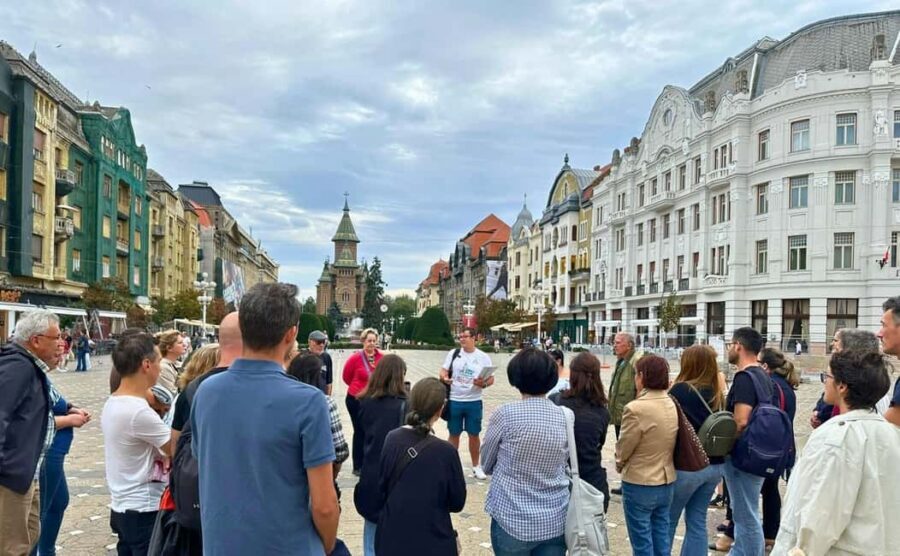
What makes it feel good is the setup. It’s private, so only your group joins, and the guide can keep distance and clarity with audio devices if you’re more than four people. It runs in English, and the stops are paced so you can actually look up at buildings instead of rushing past them.
You’ll also get a “city in layers” sweep, moving from the Old Town trading streets into grand 19th-century architecture, secretive-feeling passages, and the places tied to the 1989 revolution. The route finishes near University Square, after you’ve seen the Armenian quarter and even the spot where locals once feared witches might cast spells.
In This Review
- Key Highlights You’ll Feel on the Day
- Why This Bucharest Food, Culture, History Walk Works
- Walking Bucharest’s Time Machine: From Old Town to Ceaușescu
- Old Town: trade streets and the mici origin story
- Stavropoleos Monastery: a quick reset stop
- Bank palaces and 19th-century style: Palatul CEC and the BNR area
- Macca Villacrosse Passage: why old passages deserve your attention
- Calea Victoriei, then the darker side of nightlife
- Piaka Revolukiei: the last speech and the start of 1989
- Architecture Highlights: Ateneul, the Royal Palace, and the “how Romania built its identity”
- Ateneul Roman: a building you can’t unsee
- Royal Palace area: today’s museum space
- Neo-Romanian villas along Bulevardul Dacia
- Școala Centrală: a boarding school with eerie stories
- Armenian Quarter and Gradina Icoanei: Bucharest’s Side Stories
- Cartierul Armenesc: hidden gems in a minority neighborhood
- Gradina Icoanei: witches and local folklore
- Lunch and Value: What the Two-Course Meal Adds to the Experience
- Price and Logistics: The Practical Stuff That Can Make or Break Your Day
- Who This Tour Suits Best (and Who Might Prefer Something Else)
- Should You Book This Private Bucharest Food, Culture, History & Traditions Tour?
- FAQ
- How long is the Bucharest private tour?
- Where does the tour start and end?
- Is the tour in English?
- What’s included with the price?
- Are drinks included with lunch?
- How much walking is involved?
Key Highlights You’ll Feel on the Day
- Old Town food legend: you’ll hear how the trading-zone area shaped daily life and where mici was said to be invented.
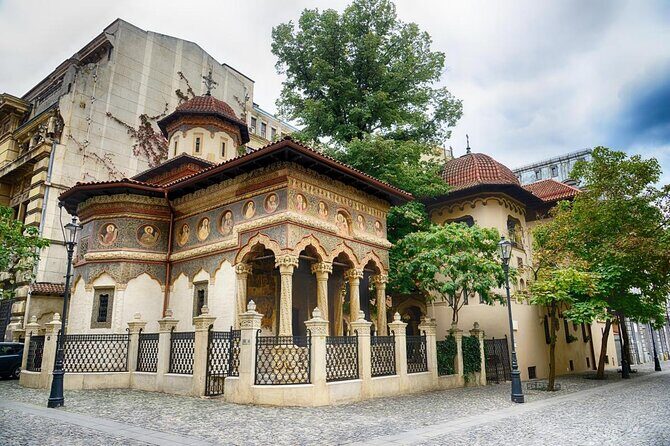
- Monastery stop with Romanian Renaissance style: Stavropoleos Monastery is brief, but it’s a strong visual break from the streets.
- Passages with old-city glamour: Macca Villacrosse Passage is treated like a highlight, not a quick photo stop.
- Ceaușescu’s final speech location: Piaka Revolukiei gives you a clear sense of how Bucharest changed in 1989.
- Armenian quarter with mystery and hidden corners: Cartierul Armenesc adds a different neighborhood story arc.
- Lunch that’s built into the value: a full meal with starters (cheese/charcuterie and/or Romanian starters) plus a main course.
Why This Bucharest Food, Culture, History Walk Works
This tour is built on a smart idea: in Bucharest, food and history aren’t separate topics. You start with the Old Town’s trading atmosphere, then you move outward to monasteries, banks, royal spaces, and political turning points—so the city’s “why” clicks faster.
I like that the food part isn’t tacked on like a consolation prize. You get a full lunch (or dinner) with two courses, and it’s tied to the cultural stops rather than sitting in isolation.
The other thing I appreciate is pacing. With a 4–5 hour duration and about 6 km of walking, it’s not a sprint. You can stop for photos, look at details, and still feel like you’re progressing through the city.
You can also read our reviews of more food & drink experiences in Bucharest


Walking Bucharest’s Time Machine: From Old Town to Ceaușescu
Old Town: trade streets and the mici origin story
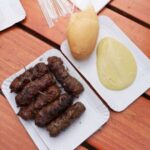
You begin in Bucharest’s Old Town area, where the focus is on the neighborhood’s role as a trading hub—then on the dish connection. The tour points you toward the idea that mici didn’t come from nowhere; it grew out of everyday food habits shaped by commerce, crowds, and street life.
Even if you’re a casual foodie, this helps you taste the city with your brain switched on. You’ll be thinking about ingredients, timing, and why certain dishes become “local identity” over time.
Stavropoleos Monastery: a quick reset stop
Next comes Stavropoleos Monastery, described as an 18th-century Romanian Renaissance monastery. The time here is short, but that’s actually useful on a walking tour. It gives you a calmer visual pause—stone, arches, and atmosphere—before the route pulls you back into grand architecture.
If you’re the type who gets tired of churches that feel identical, this one is highlighted for its Renaissance character. That makes the stop feel purposeful, not automatic.
Bank palaces and 19th-century style: Palatul CEC and the BNR area
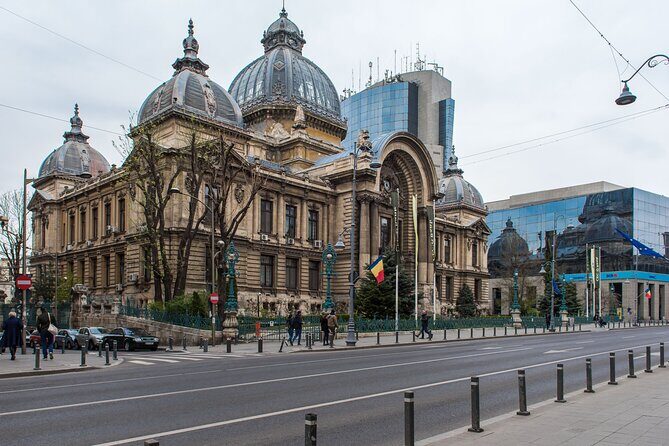
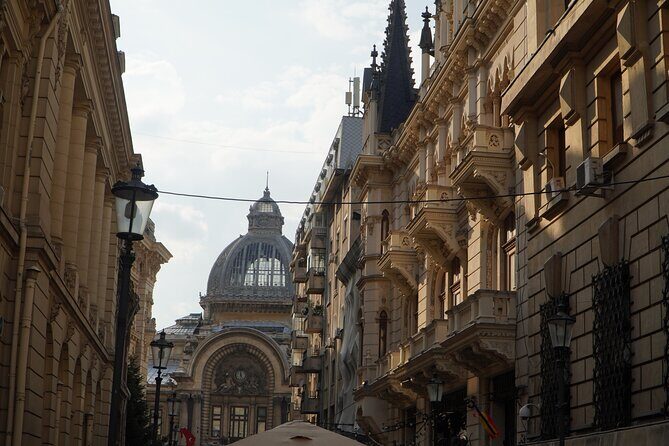
Then you glide past Palatul CEC, a late 19th-century eclectic palace tied to CEC Bank. These kinds of buildings are easy to ignore if you’re only looking for monuments, but they’re where Bucharest shows its ambitions—money, design, and confidence in an era of growth.
After that, you continue with the BNR Palace area, linked to the National Bank of Romania. The tour also notes a connection to Marmorsch Blank Bank, now turned into a hotel. That detail matters: you’re seeing how Bucharest reuses its “important” spaces instead of starting over.
A few more Bucharest tours and experiences worth a look



Macca Villacrosse Passage: why old passages deserve your attention
One stop targets Macca Villacrosse Passage as the most beautiful passage of Bucharest. In plain terms: this is one of those places where the city’s personality is hidden in architecture, not in signage.
Passages like this usually feel more intimate than the main streets, and that changes how you experience the neighborhood. You tend to slow down naturally, take better photos, and notice small-scale details you’d miss on a broad avenue.
Calea Victoriei, then the darker side of nightlife
The route continues along Calea Victoriei, described as the heart of Bucharest since the 19th century. This is where you get the sense of “main boulevard power”—the kind of avenue that sets the tone for where people live, shop, and show status.
From there, you move to Pasajul Victoriei. The tour connects it with Pasjul Englez, described as a former brothel located on the main avenue with a convenient back entrance. You’ll hear the story framed around who used these spaces and how high society partied there—then how morality and reputation shaped the city’s built environment.
It’s a dramatic contrast with the bank and boulevard visuals. That’s the point. Bucharest’s history includes privilege, politics, and the underbelly of entertainment all at once.
Piaka Revolukiei: the last speech and the start of 1989
Then comes Piaka Revolukiei, tied to the communist leader Ceaușescu’s last speech at the beginning of the bloody 1989 revolution. This stop gives you more than a date. It gives you a mental map of how quickly a city can shift from old rules to new chaos.
If you like history that has physical locations attached, this is the moment where the tour’s story stops feeling abstract.
Architecture Highlights: Ateneul, the Royal Palace, and the “how Romania built its identity”
Ateneul Roman: a building you can’t unsee
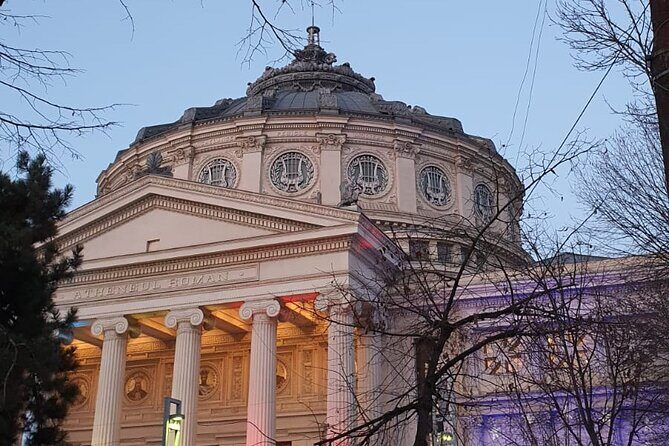
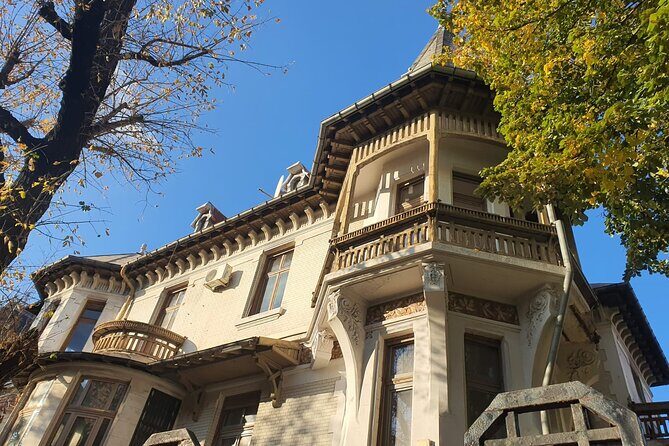
Ateneul Roman is one of the key visual stops. The tour positions it as one of Bucharest’s most beautiful buildings, and even without getting lost in technical terms, you’ll likely understand why people mention it again and again.
On a walking tour, one “big wow” stop helps the day feel earned. It also gives you a good landmark to orient your later self—so when you wander on your own afterward, you have reference points.
Royal Palace area: today’s museum space
You then reach Palatul Regal / Royal Palace, which now houses the national art museum. This is another smart link: political and royal power becomes cultural power. The building still signals authority, but the purpose has changed.
Even if you don’t go inside the museum during this tour, the exterior stop adds context for why art and state identity often share the same walls.
Neo-Romanian villas along Bulevardul Dacia
Next up is Bulevardul Dacia, where you’ll see magnificent villas and examples of neo-Romanian architectural style. This is a good stop for readers who care about identity in design—how a country chooses what “Romanian” looks like by borrowing, adapting, and revising styles.
It’s also a nice change of pace from the earlier royal and political stops. It brings you back to everyday streets, where architecture becomes a long-term cultural message.
Școala Centrală: a boarding school with eerie stories
Colegiul Național Școala Centrală is described as a 19th-century boarding school for girls surrounded by eerie stories. Even if you’re not a believer in ghost lore, the point here is how rumors and legends attach to institutions and buildings.
This is the kind of stop that makes your photos more interesting too, because you’re capturing a building with a story behind it, not just a facade.
Armenian Quarter and Gradina Icoanei: Bucharest’s Side Stories
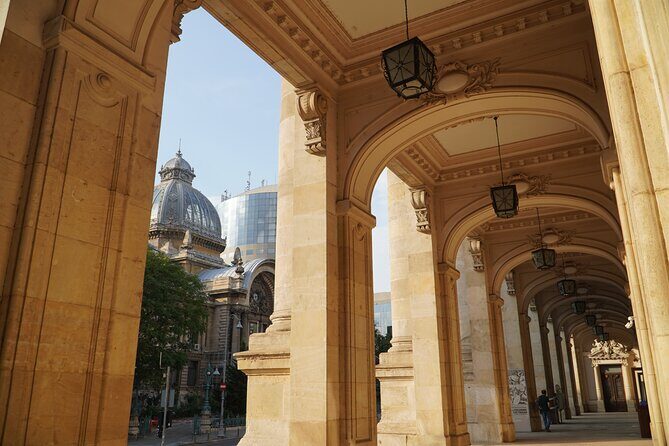
Cartierul Armenesc: hidden gems in a minority neighborhood
Cartierul Armenesc is the neighborhood where the tour shifts into “explore mode.” It frames the Armenian quarter as filled with history, hidden gems, and mystery—and that mix is exactly what you want if you’re already getting your fill of mainstream landmarks.
This part of the day is also where you can feel the tour’s research payoff. Small streets and neighborhood textures tend to reward your attention, and the guide’s job is to point you toward what matters.
Gradina Icoanei: witches and local folklore
Finally, Gradina Icoanei brings in folklore, with a stop focused on where witches were believed to cast spells not far in the past. It’s short, but it rounds out the day’s theme: Bucharest history isn’t only politics and buildings. It’s also fear, belief, and how everyday people explained what they couldn’t control.
If you like tours that keep things human—what people feared, what they wanted, what they ate—this ending makes sense.
Lunch and Value: What the Two-Course Meal Adds to the Experience
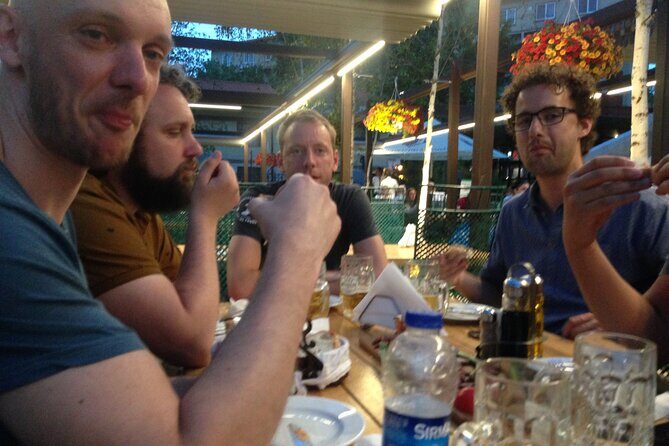
Let’s talk value, because at $114.14 per person, you want to know what’s included beyond walking.
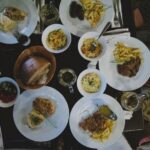
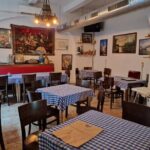
You get a full meal (lunch or dinner) with two courses. There’s a platter with cheeses and charcuterie and/or other Romanian starters, plus a main course. Drinks are not included, but the structure is clear: you’re not paying extra to find lunch yourself while hungry and rushed.
That matters because it changes how you experience the city. A well-paced tour keeps you thinking during walking stops, and then food becomes part of the cultural rhythm rather than a break you have to plan.
Also note that all fees and taxes are included. For you, that means less mental clutter when you’re trying to keep the day smooth.
Price and Logistics: The Practical Stuff That Can Make or Break Your Day
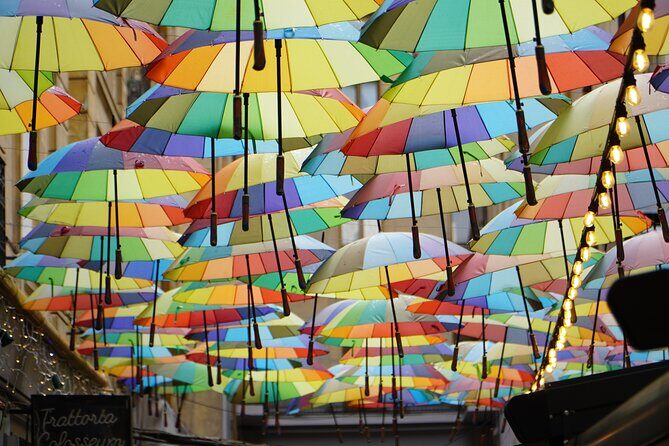
This tour is offered in English and runs as a private experience, so you’ll only be with your group. If your group is larger than four people, you’ll use audio devices for live guiding so everyone can hear clearly.
The route is about 6 km. That’s not extreme, but it is long enough to matter. If you’re prone to leg fatigue, it’s a good idea to pack blister care, carry water, and plan on taking breaks when you need them.
The tour also requires good weather. If it’s canceled due to poor weather, you’ll be offered a different date or a full refund, so you’re not stuck guessing.
Meet at Bulevardul Ion C. Brătianu 36 and finish near University Square on Bulevardul Regina Elisabeta. The end point being near a major area is helpful if you want to keep going afterward on your own.
Who This Tour Suits Best (and Who Might Prefer Something Else)
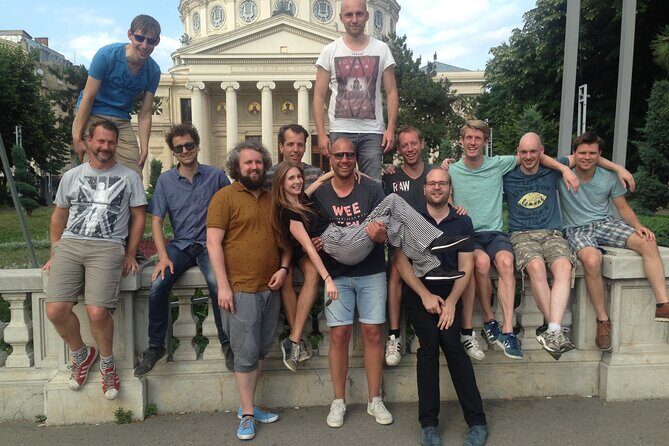
This is a great fit if you want an organized introduction to Bucharest that still feels like you’re learning in context. You’ll like it if you care about how food traditions connect to city life, and you enjoy hearing why famous buildings—and not-so-famous passages—matter.
It’s also a strong choice for first-time visitors who want a broad sweep in one morning or afternoon. And because it’s private, it’s easier to request a slower pace if your group needs it.
If you hate walking or you’re traveling with mobility limits, the 6 km route and minimum fitness requirement may not be comfortable. In that case, you might prefer a shorter, less distance-focused option.
Should You Book This Private Bucharest Food, Culture, History & Traditions Tour?

Book it if you want a single, well-structured way to connect Bucharest’s food culture with the city’s big themes: architecture, daily life, and political turning points. The two-course lunch and the focus on multiple neighborhood “chapters” make it good value for the time.
Skip it—or at least rethink it—if you’re not ready for about 6 km of walking or if you’re expecting a museum-heavy day with long indoor stops. This is built for moving, seeing, and listening.
If you do book, come ready to look up. Bucharest rewards your attention to details, and this tour makes sure you know what to notice.
FAQ
How long is the Bucharest private tour?
It runs for about 4 to 5 hours.
Where does the tour start and end?
It starts at Bulevardul Ion C. Brătianu 36, 030167 București, Romania and ends near University Square on Bulevardul Regina Elisabeta, București 030167.
Is the tour in English?
Yes, it’s offered in English.
What’s included with the price?
The tour price includes a full meal (lunch or dinner) with 2 courses, plus all fees and taxes.
Are drinks included with lunch?
No. Alcoholic beverages and soda/pop are not included.
How much walking is involved?
The route is approximately 6 km and requires a minimum level of physical fitness. It also requires good weather.