REVIEW · BUCHAREST
2 Days – Private Tour to Transylvania – Brașov, Sighișoara, Sibiu
Book on Viator →Operated by Supplier · Bookable on Viator
Transylvania in two days sounds impossible, but this route makes it feel doable. What I like most is the private transport with a professional driver, plus an English-speaking guide who keeps the days moving without making it feel rushed. One catch: castle tickets and meals are extra, and the schedule packs a lot into each day.
You’ll spend real time at the big icons, especially Peleș Castle and the UNESCO town of Sighișoara Citadel. I also like that free stops (like parts of Brasov, Sighișoara, and Sibiu) let you use your money on the paid highlights. The main trade-off is cost on top of the base price and limited time if you want to wander for hours with no schedule.
In This Review
- Key highlights worth your attention
- How this private 2-day Transylvania route works from Bucharest
- Peleș Castle in Sinaia: what makes it special (and what to do if it’s closed)
- Bran Castle and the Dracula myth: enjoy the story, verify your expectations
- Brasov Historical Center: medieval streets with modern energy
- Sighișoara Citadel: the UNESCO town that still feels inhabited
- Sibiu’s Great Square and Little Square: a Saxon walled-citadel vibe
- Cozia Monastery near the Olt River: a quick stop with real spiritual weight
- Price and value: what $431.35 covers (and what you’ll pay extra)
- The guides make it: flexibility you can actually feel in the day
- Who this tour suits best (and who should reconsider)
- Should you book this private Transylvania tour?
Key highlights worth your attention
- Private, A/C vehicle from Bucharest saves you time and hassle between towns
- Peleș Castle in Sinaia is a German-style royal showpiece with smart technical surprises
- Bran Castle with Dracula context—fun folklore stop, but don’t treat it like documentary history
- UNESCO Sighișoara Citadel is inhabited medieval town life, not just scenery
- Sibiu’s squares and wall-town vibe feel distinctly Saxon/German in feel
- Cozia Monastery is a short stop that adds a very different side of Romanian heritage
How this private 2-day Transylvania route works from Bucharest
This is a private tour, so your group gets the vehicle and guide time. Pickup and drop-off are included on both days, which matters because Bucharest traffic can chew up your day fast if you’re relying on transfers.
The format is simple: you do two big sightseeing days with multiple towns, plus the paid castle visits you came for. Expect a steady pace. It’s not a slow-train “camp out and wander” trip—this one is built to help you see a lot in a short window.
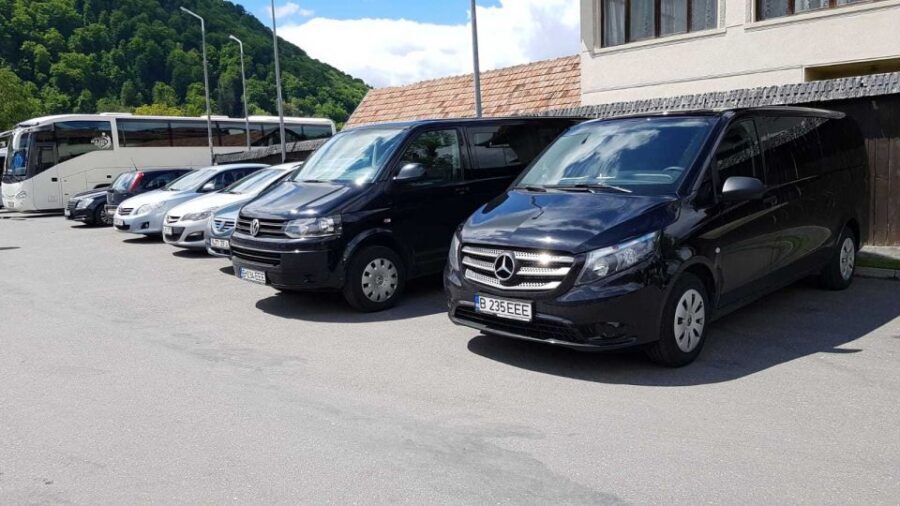
You’ll ride in a modern air-conditioned vehicle driven by a professional. That’s a real comfort upgrade, especially when you’re bouncing between mountain-adjacent stops and compact medieval streets.
You can also read our reviews of more private tours in Bucharest

Peleș Castle in Sinaia: what makes it special (and what to do if it’s closed)
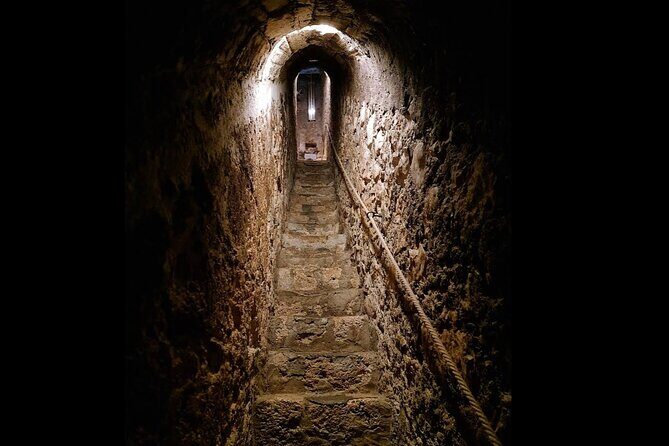
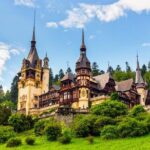
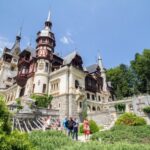
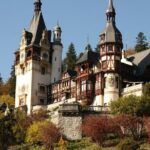
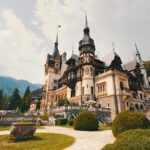
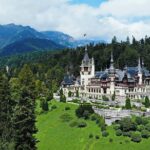
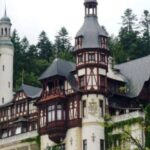
Peleș Castle is the kind of place where your brain goes quiet for a minute. It’s set at the foot of the Bucegi Mountains in Sinaia, and the architecture is German new-Renaissance in style—clean, ornate, and almost theatrical.
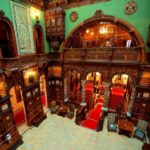
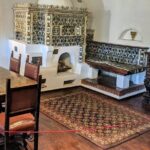
The practical stuff is why I think it’s worth prioritizing. Commissioned by King Carol I in 1873 and completed in 1883, it became the royal family’s summer residence until 1947. It has 160 rooms, plus details like German stained-glass windows and Murano crystal chandeliers—exactly the sort of craft you notice when you slow down inside.
One detail I really like: Peleș was the first European castle to have electricity, and it even has its own power plant. That’s a great example of why this castle doesn’t feel like an overhyped museum box—it was serious about comfort and modernity for its time, with hot and cold running water, central heat, and a central vacuum system.
Important planning note: on Mondays and Tuesdays, Peleș Castle is closed. The tour visits the outer courtyard instead. If you’re booking for those days, you’re still getting the setting and exterior experience, but you should know you won’t get the full interior program those days.
Admission isn’t included, so budget for it. The ticket cost listed is 100 RON (about €20) per person. Plan to bring patience for ticket lines, and wear shoes that work well inside (you’ll likely move through rooms that don’t love long awkward pauses).
Bran Castle and the Dracula myth: enjoy the story, verify your expectations
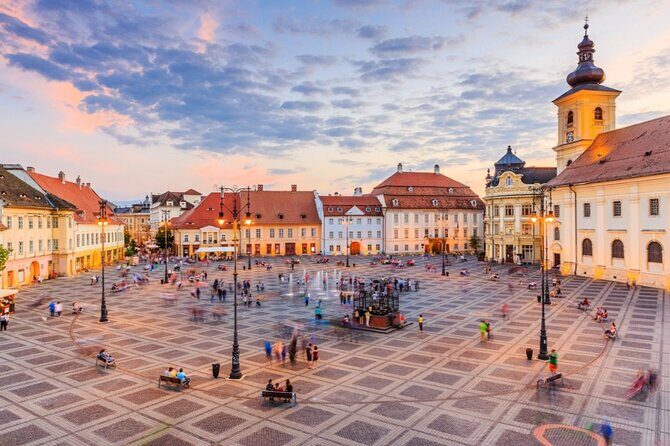
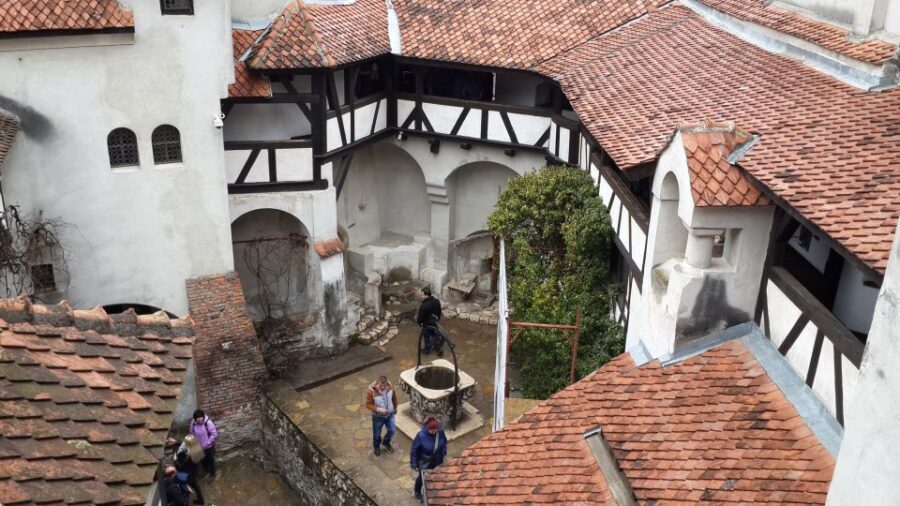
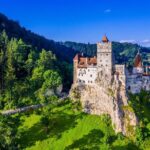
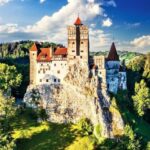
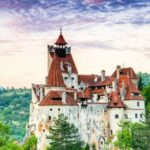
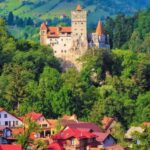
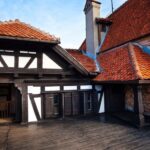
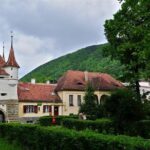
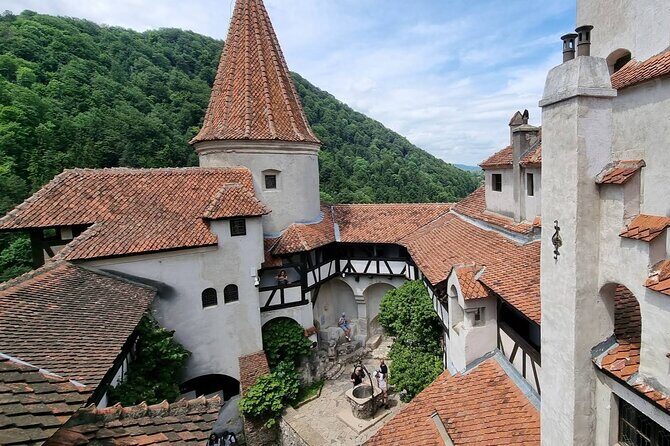
Bran Castle is often called Dracula’s Castle, and it’s easy to understand why. The atmosphere fits the spooky marketing, and the setting delivers that “castle on the rocks” feeling.
Still, I appreciate how the framing here encourages you to be smarter than the legend. There’s no evidence Bram Stoker knew the real Bran Castle when he wrote Dracula, and Bran Castle only has a tangential connection to Vlad the Impaler. Also, Stoker’s description of a fictional crumbling castle doesn’t match Bran Castle’s look.
So how should you approach it? Treat it as a folklore and medieval-fortress experience, not as a history lab. If you go in expecting pure “this is the real Vlad’s house” proof, you might feel misled. If you go in looking for a strong castle stop with Dracula-related storytelling, it’s a fun day element.
Your time here is listed as about 4 hours. Admission is extra—150 RON (about €30) per person. That’s a reasonable add-on considering you’re getting a full guided day around it, not just a quick drop-off-and-go.
Brasov Historical Center: medieval streets with modern energy
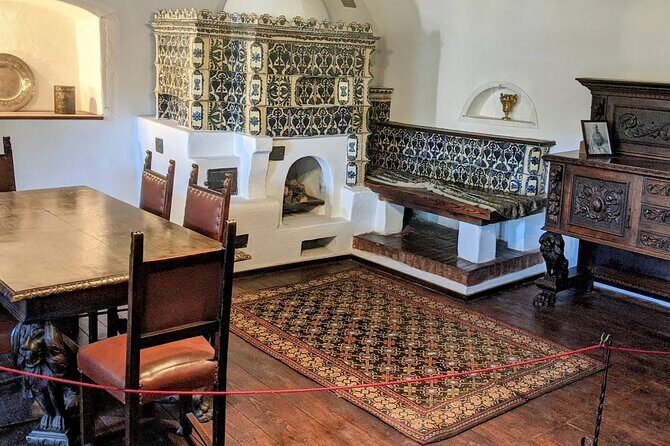
Brasov is one of Romania’s best-known cities for visitors, and this stop is built to show you why. You’ll spend about 4 hours in the Brasov Historical Center, and it’s a mix of architecture, street life, and the pull of the surrounding mountains.
The city’s role as a commercial and industrial hub shows up in its layout and how the old parts feel active even when you’re just walking. During the communist era, the city’s name changed for 10 years to Stalin City—one of those quick reminders that history here isn’t only medieval. It also has modern chapters that shaped the streets you see today.
This stop is also where you can breathe between the heavier castle moments. Since the admission is listed as free for the historical center, it’s a good place to put your energy into wandering and photos without feeling like every minute costs extra.
Practical tip: Brasov’s old streets can be uneven and steep in places, so I’d count on slow, careful walking. If your legs are already tired from the castles, this is still manageable if you pace yourself and ask your guide where to pause for viewpoints.
Sighișoara Citadel: the UNESCO town that still feels inhabited
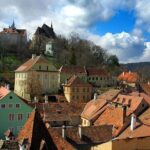
Sighișoara is the stop that often changes how you feel about Transylvania. The city is a UNESCO World Heritage Site, built in the 12th century by Saxon settlers. And it’s not a preserved empty set. The citadel is inhabited, so the medieval feel comes with real daily life.
Your time here is about 3 hours, and the admission is listed as free. That makes it a high-value stop: you can focus on walking the streets, looking at architecture, and noticing how the medieval town has stayed functional through centuries (and even through communism).
It’s also the birthplace of Vlad III the Impaler. There’s a yearly medieval festival there too, blending arts and crafts with rock music and stage plays. That mix tells you something important: Sighișoara can lean into the Dracula story, but it’s not only about that.
A useful way to enjoy this place is to go slowly enough to spot details—doorways, roof lines, and the geometry of the streets. Your guide can point out how it links to the wider Saxon presence in the region, which makes the Germanic character feel less random and more connected.
A few more Bucharest tours and experiences worth a look

Sibiu’s Great Square and Little Square: a Saxon walled-citadel vibe
Sibiu is often described as the largest and wealthiest of the seven walled citadels built starting in the 12th century by Transylvanian Saxons. That wealth showed up in both the buildings and the fortifications, and it’s why the old town here feels “organized” in a confident way.
You’ll spend about 4 hours exploring, with admission listed as free. This means your experience depends heavily on pacing and what your guide helps you notice.
Sibiu’s medieval wall still guards the historic area, and you’ll pass narrow streets with steep-roofed 17th-century buildings, including gable overhangs. Then, the town opens into big squares—Great Square and Little Square—where the church-dominated feel takes over. That shift from tight streets to open public space is one reason Sibiu works so well as a walking tour stop.
If you want the medieval look without only chasing castles, Sibiu is your best friend on this itinerary. It’s the “city that survived” feeling you can’t fully get from just driving past.
Cozia Monastery near the Olt River: a quick stop with real spiritual weight
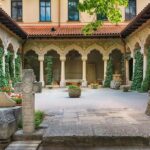
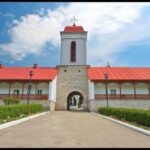
Cozia Monastery is a change of pace. Instead of another fortress, you get an Eastern Orthodox site that’s been cared for over many centuries.
It’s located near the Olt River in Călimănești, and it’s listed as one of Romania’s most important and well-preserved medieval religious sites. The church uses Byzantine style with Romanian influences, plus stone carvings and frescoes, including frescoes dating back to the 14th and 18th centuries.
The story around it is part of why it matters: Cozia was founded by Mircea the Elder (Mircea cel Bătrân) of Wallachia in 1388. Mircea the Elder is buried here, and he’s also described as the grandfather of Vlad the Impaler. So this stop quietly links the region’s medieval rulers to the Dracula orbit, without turning into a theme park.
Your stop time is about 30 minutes, and admission is free. That short window means you won’t get a long, slow visit, but it’s enough to leave with a different kind of impression—less “castle drama,” more “Romanian religious heritage still in use.”
One practical thought: monasteries are active places. Keep your tone low, dress appropriately, and don’t assume the pace is like a museum.
Price and value: what $431.35 covers (and what you’ll pay extra)
The tour price is $431.35 per person for about 2 days from Bucharest, with pickup/drop-off, private A/C transport, and an English-speaking professional guide included. That’s the core value: you’re paying for time saved and for someone to interpret what you’re seeing.
But this is not an all-in-one ticket package. Entrance fees and meals are not included. The listed castle tickets you should budget for:
- Peleș Castle: 100 RON (about €20) per person
- Bran Castle: 150 RON (about €30) per person
Meals are also not included, and hotel accommodation isn’t included either. A line in the details lists accommodation at €50 per person (so you’ll want to confirm what’s meant for your exact booking situation). If you need a place in Sighișoara, the tour notes recommend Central Park Hotel and says you can request help booking the hotel there.
So is it good value? For many people, yes—because the big icons (Peleș and Bran) are far apart, and you’re also covering Brasov, Sighișoara, Sibiu, and Cozia in a compact schedule. Without private transport, your time gets eaten by logistics.
The trade-off is you should think of this as a guided experience with added costs for entrances, rather than a flat one-price bundle. If you’re the type who wants to pay one number and stop thinking about it, you might want to look for an all-inclusive alternative. If you don’t mind budgeting a bit for major sites, this one is strong.
The guides make it: flexibility you can actually feel in the day
What really stood out from the guide experience is how often they adjust to reality. A few different guide names appear in the feedback, and the pattern is consistent: they stay professional, they keep you moving, and they’re willing to reshape the day if something changes.
George, for example, was described as picking up on time and being accommodating enough to squeeze in other interests like a bear sanctuary detour. Sebastian handled a big problem smoothly: Peleș was scheduled to be visited that day but was closed, so he rerouted the 2-day flow and secured tickets for the following day. Catalin was described as punctual, knowledgeable, and even fun for the road, with an excellent music selection.
Laura and Mircea show another type of value: clear explanations and careful handling of the details so the trip feels easy. One account notes Alin went beyond the standard plan by taking the group to a synagogue and Jewish cemetery in Sighișoara, plus stopping at a supermarket for items they needed to continue the trip. That’s not guaranteed for every group, but it’s a useful signal: if your guide knows you’re curious, they may have options.
My practical advice: be clear with your guide early about what you care about most—castle interiors, walking time, photo stops, or additional cultural sites. If something is closed, ask what the best alternate is. That’s where a private guide earns their keep fast.
Who this tour suits best (and who should reconsider)
This tour is ideal if you want a focused Transylvania hit without spending your vacation coordinating buses and train transfers. It’s also a good fit if you like walking medieval towns but don’t want to skip the signature castles.
You should reconsider if:
- You hate tight schedules and want long unstructured wandering.
- You want a fully all-in-one price with meals and hotels included.
- You’re very sensitive to extra ticket lines or extra spending once you arrive.
Since the tour is private and in English, it’s also a smart pick if you want your questions answered as you go instead of relying on audio guides.
One more note: the tour says most travelers can participate. If you have mobility concerns, the itinerary involves castle interiors and old-city walking, so you’d want to ask directly about how long you’ll be on your feet at each stop and whether there are flexible routes.
Should you book this private Transylvania tour?
If you want to see Peleș, Bran, Brasov, Sighișoara, and Sibiu in two days with a guide who can respond when plans change, I’d say book it. The private A/C vehicle and hotel pickup/drop-off remove the biggest stress of this region, and the route hits the big names plus at least one very different heritage stop in Cozia Monastery.
Book with eyes open on the extras. You’ll pay for castle tickets and you’ll cover meals and your accommodation. Also note the Peleș closure rule for Monday and Tuesday: you’ll only see the outer courtyard those days.
If that sounds acceptable, this is a strong value way to get a real sense of Transylvania fast—castle drama, Saxon medieval towns, and an Orthodox monastery stop that adds depth to the trip’s mood.