REVIEW · CLUJ NAPOCA
Discover Apuseni Mountains – Scarita Summit,Sipote Waterfall and Dumesti Village
Book on Viator →Operated by CURLY GUIDE TOURS · Bookable on Viator
The Apuseni Mountains reward slow hiking. This full-day trip from Cluj-Napoca focuses on rare wildflowers, mushrooms, and endemic plants in the Scarita-Belioara Botanical Reserve, with a licensed guide keeping the hike both scenic and educational.
I especially like the small group setup (up to 8), because it makes it easy to ask questions and pause for photos. I also like that lunch, snacks, and water are included, so you can hike without turning it into a grocery run.
One thing to consider: this is a moderate fitness hike with altitude and an abrupt path through beech forest. If you’re not comfortable with steady uphill walking, you may feel the day more than you want—good boots help a lot.
In This Review
- Key things I’d plan around
- Cluj-Napoca pickup to Posaga de Sus: start early, start steady
- The Scarita-Belioara trek: beech forest up to pale calcareous cliffs
- Watching for rare plants and fungi without needing to be an expert
- Reaching Scarita peak (1,384 m): when the climb turns into views
- Waterfall and Dumesti village: the bonus return route
- Lunch, snacks, and water: the difference between a hike and a full day
- Price and value: what $120.15 buys you in the Apuseni Mountains
- A guide who adjusts the hike: why Tudor’s approach matters
- What to bring (so your hike stays fun, not miserable)
- Who should book this Scarita hike (and who might not)
- Should you book the Discover Apuseni Mountains day?
- FAQ
- What time does the hike start?
- Is pickup included?
- How long is the tour?
- What is the hiking difficulty level?
- What’s included in the price?
- How big is the group?
- Will I see Sipote Waterfall and Dumesti village?
- What should I wear or bring for the hike?
- What happens if weather is bad?
- Is free cancellation available?
Key things I’d plan around
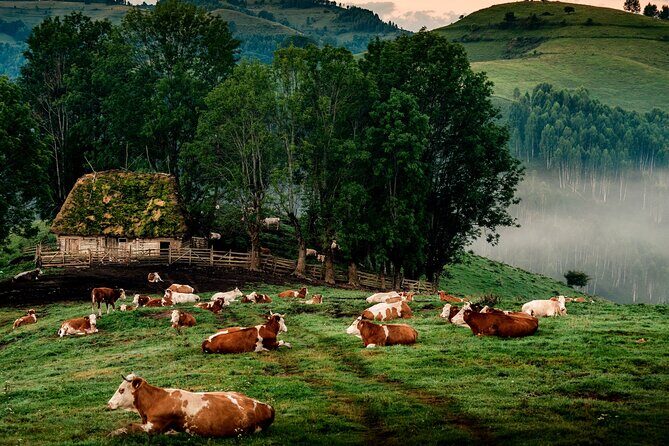
- Scarita-Belioara Botanical Reserve focus on wildflowers, mushrooms, and endemic plants
- Beech forest to alpine zone with calcareous, white cliffs views
- Max 8 people, private-style pacing so you don’t feel rushed
- Lunch, snacks, and water included for an easier day
- Photography-friendly route with ridge views and a peak at Scarita (1,384 m)
- Sipote Waterfall and Dumesti village if there’s time on the way back
Cluj-Napoca pickup to Posaga de Sus: start early, start steady
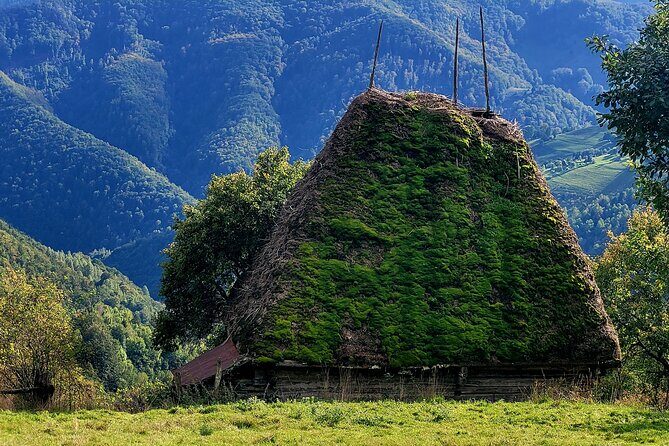
The morning starts with an 8:00 am pickup from your accommodation in Cluj-Napoca. That matters here because you’re not just walking in the city and calling it a day—you’re getting moved into mountain country before the hike really begins.
Once you’re out of town, the day turns into a classic Apuseni rhythm: travel time, then a hike that gradually shifts from forest to open alpine scenery. In this case, your hike starts from Posaga village / Posaga de Sus, and the guide sets the tone right away by steering attention toward what you’re actually there to see.
This is also a day where time feels like it matters. You’re going for peak views and also carrying enough energy for the optional return stops, like Sipote waterfall and Dumesti village, if there’s time.
You can also read our reviews of more tours and experiences in Cluj Napoca.



The Scarita-Belioara trek: beech forest up to pale calcareous cliffs
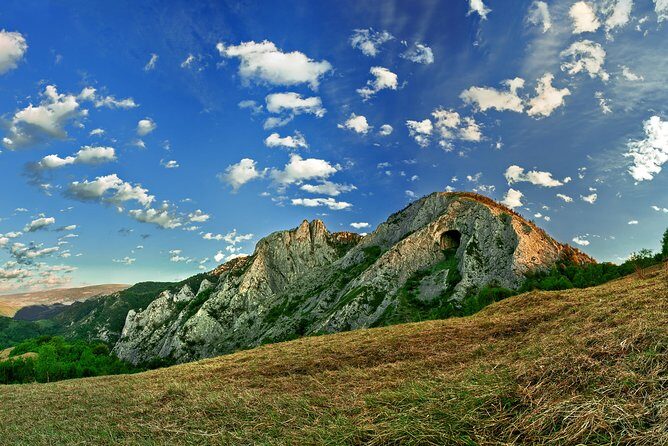
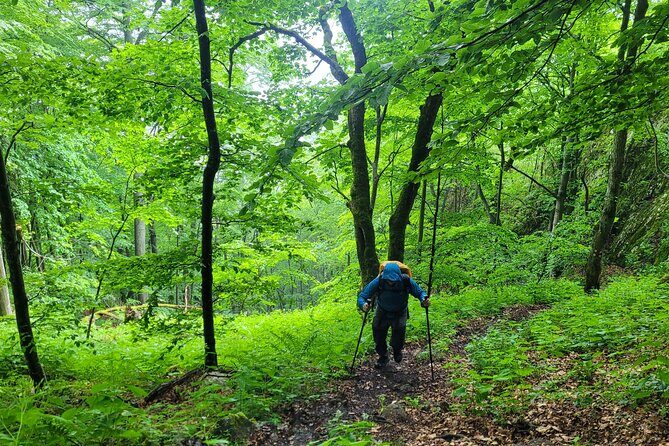
Your hike begins with an abrupt path through beech forest, which is great when you want shade, structure, and a clear “work-your-way-up” feel. As you climb, the scenery changes—trees thin, and you start getting a big-sky sense of place in the alpine zone.
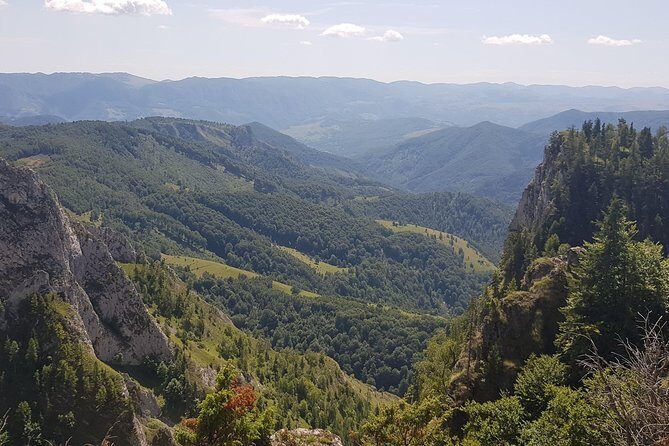
Then comes one of the most memorable visual moments: a sightline toward calcareous, white cliffs. It’s a distinct look for Romania’s mountains, and it’s the kind of view that earns a stop even when you’re trying to keep your pace.
Along the way you’ll also pass abandoned wood hovels. They don’t need to be “the main event,” but they add context: this area has been used by people in older ways, and you can feel the transition from lived-in mountain past to quiet hiking present.
Watching for rare plants and fungi without needing to be an expert
This tour isn’t just scenic; it’s tuned for nature-spotting. You go in search of rare wildflowers, wonderful mushrooms, and endemic plants, and the guide helps you identify what you’re seeing.
That makes a big difference. Without guidance, you might hike the trail and notice “pretty flowers” and “some mushrooms.” With Tudor and the approach on this hike, you’re more likely to connect the details: which plants are worth paying attention to, why certain fungi show up where they do, and what’s distinctive about this reserve.
It’s also a photography-friendly setup. The route naturally gives you pauses—forest textures early on, then brighter alpine scenery as you climb. If you like taking close-ups, you’ll probably enjoy the moments where you’re stopped low on the trail looking at stems, caps, and leaf shapes.
Reaching Scarita peak (1,384 m): when the climb turns into views
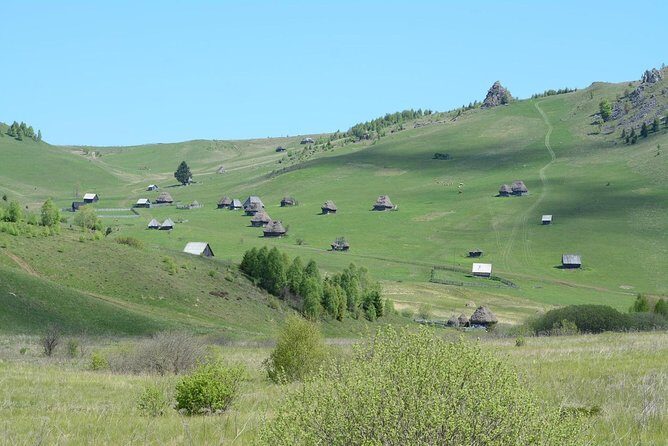
Scarita is at 1,384 meters (4,541 feet), and altitude plus hiking time is exactly why this trip asks for moderate fitness. The good news: it’s not presented as a “run it and suffer” hike. The style is more about steady effort with room to slow down.
Once you’re climbing toward the ridge, the day changes from “where am I on the map” to “how far until the horizon opens.” You’ll reach the high point by climbing from the alpine zone up toward the ridge, and from there the summit experience is the payoff: a sense of space that feels earned.
I like that the tour is built for your pace. The group stays together, but you’re not forced into one tight rhythm. That flexibility is especially useful if you’re someone who likes breaks for photos or for simply catching your breath and looking around.
Waterfall and Dumesti village: the bonus return route
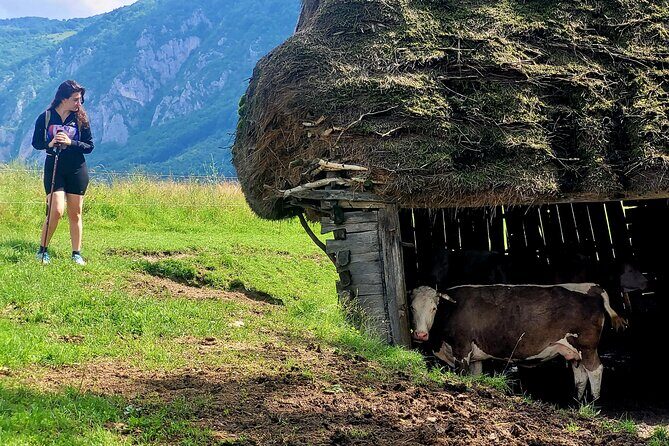
The hike is the centerpiece, but you may get a bonus on the way back: a visit to Sipote waterfall, plus time in Dumesti village. The tour keeps this as “if there’s time left,” which is honest and practical.
That optional structure is smart. It means you don’t feel stressed about hitting every stop no matter how your body feels. If you reach the return window with energy, you get something different from the climbing and plant-spotting: water and a small village atmosphere.
If time is tighter, you still get the core experience—the Botanical Reserve hike with its flora, fungi, and ridge-to-peak viewpoints. Either way, you’re ending the day back in Cluj-Napoca in the evening.





Lunch, snacks, and water: the difference between a hike and a full day
One of the best “value” signals is simple: lunch, snacks, and water are provided. In mountain hiking, food logistics can quietly wreck a day—people show up underpacked, then spend energy foraging for snacks or worrying about hydration.
Here, you can focus on the hike itself. Bring yourself, wear proper footwear, and plan for a day in the mountains that lasts roughly 9 hours total. That’s long enough that the included fuel matters.
Also, having snacks on hand makes plant-hunting easier. It’s hard to enjoy mushrooms and wildflowers while feeling lightheaded or running on empty, so this kind of support turns the hike from a “challenge” into a calmer, more enjoyable outing.
Price and value: what $120.15 buys you in the Apuseni Mountains
At $120.15 per person for about 9 hours, you’re not just paying for a route. You’re paying for the pieces that make this kind of hike meaningful:
- A licensed guide who can point out wildflowers, fungi, and endemic plants
- Pickup from Cluj-Napoca, which removes a lot of logistics stress
- A max group size of 8, which keeps attention on you
- Lunch, snacks, and water, which keeps energy steady
- English support for the nature-focused content
If you’ve ever tried to self-guide a botanical or fungi-focused hike, you know the difference. You can certainly hike in the area on your own, but you won’t get the same level of identification and interpretation built into the day’s flow.
So for me, this price reads as fair—especially if you care about the biology and photography side, not just the view. If your main goal is a simple scenic walk, you might choose something gentler. But if you’re looking for a guided day in the reserve with real attention to what you’re seeing, it’s strong value.
A guide who adjusts the hike: why Tudor’s approach matters
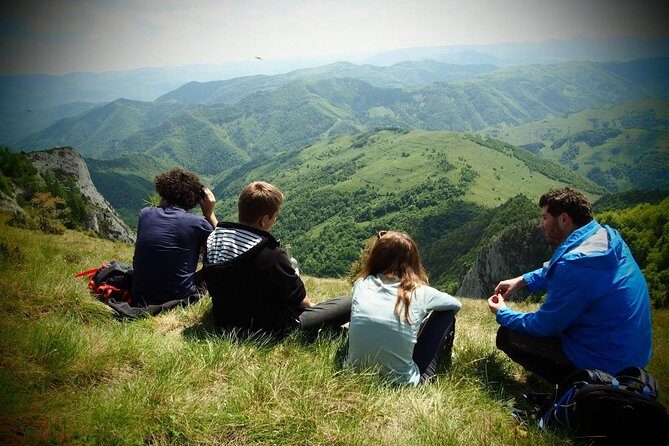
A standout theme in the experience is the guide’s ability to make the day feel workable for real people, not just “ideal hikers.” Tudor is described as attentive and supportive, including modifying the tour to fit someone joining with different needs and helping them along the way.
That tells me the guide isn’t running a rigid, factory-style schedule. The hike is structured, yes, but the human side matters: encouragement, willingness to help, and an ability to keep the experience special rather than purely transactional.
You also get the benefit of the guide’s storytelling about the landscape and what you’re seeing. That’s not fluff. When a guide ties history, natural details, and practical observations together, the trail feels clearer and more interesting.
What to bring (so your hike stays fun, not miserable)
The tour is clear about footwear: bring mountain sneakers or hiking boots. I’d treat that as a baseline, because you’re climbing through uneven forest and alpine terrain. You’ll want shoes with grip and ankle support you trust.
Beyond that, keep your pack simple. Since water, snacks, and lunch are included, you don’t need to haul heavy supplies. Still, consider bringing:
- A light layer for temperature changes when you reach the alpine zone
- Sun protection, especially once the canopy drops
- A rain layer, since mountain weather can shift
Also plan on walking for hours and being on your feet early. Start the day rested, and pace yourself so you can enjoy the peak without turning it into a race.
Who should book this Scarita hike (and who might not)
This tour is a great match if you like:
- Flora and fauna spotting, especially wildflowers and fungi
- Hiking with a guide who will help you identify what you’re seeing
- Photography stops that feel natural instead of forced
It’s also a good fit if you want a relaxed hike rather than a strict training session. The “own pace” style helps a lot.
You may want to think twice if you don’t handle steady uphill walking or if moderate hiking feels like a stretch. The combination of altitude and an abrupt forest path means the day takes effort. Bring the fitness you have, and choose it confidently only if you’re comfortable with that reality.
Should you book the Discover Apuseni Mountains day?
I’d book this tour if you want more than a pretty walk. The Scarita-Belioara Botanical Reserve focus makes it worth your time, especially if you enjoy learning what you’re looking at—wildflowers, mushrooms, and endemic plants—and you like getting your questions answered without rushing.
It’s also a strong choice for a small group day from Cluj-Napoca where logistics are handled for you. The included lunch, snacks, and water turn it into a genuinely full-day experience, not a “bring your own and hope” outing.
If you’re uncertain, use one simple test: can you handle moderate uphill hiking for several hours, and do you care about nature identification? If yes, this is a very satisfying way to spend your day in the Apuseni Mountains.
FAQ
What time does the hike start?
The tour starts at 8:00 am.
Is pickup included?
Yes. Pickup is offered from your accommodation in Cluj-Napoca.
How long is the tour?
It lasts about 9 hours.
What is the hiking difficulty level?
You need moderate fitness. The hike includes an abrupt path through beech forest and reaches Scarita peak at 1,384 m.
What’s included in the price?
Lunch, snacks, and water are included, along with a licensed guide and pickup. The tour also offers a mobile ticket and is in English.
How big is the group?
The maximum group size is 8 travelers.
Will I see Sipote Waterfall and Dumesti village?
You’ll visit Sipote waterfall and Dumesti village on the return if there is time left.
What should I wear or bring for the hike?
You’ll need mountain sneakers or hiking boots.
What happens if weather is bad?
This experience requires good weather. If it’s canceled due to poor weather, you’ll be offered a different date or a full refund.
Is free cancellation available?
Yes. You can cancel for a full refund up to 24 hours in advance of the experience’s start time.