REVIEW · BUCHAREST
Bucharest: The “Last Days of Communism” Tour
Book on GetYourGuide →Operated by TravelMaker · Bookable on GetYourGuide
Bucharest reads like a timeline of power. This tour maps the final years of communism onto real streets, from Revolution Square to the House of People at the Parliament Palace, with a guide who keeps the story human instead of just monumental. I love how the route is timed for a short visit, and I love that you also get the supporting sights like Free Press Square and University Square, not just the headline buildings.
The main consideration is access and cost inside: entrance fees for the Parliament Palace and Primaverii Palace are not included, and visits aren’t guaranteed if places are closed for meetings and conferences. Still, even with that uncertainty, the drive-and-walk format helps you build a clear picture of what changed, and what stayed the same, in 1989 and after.
You’ll be picked up from your Bucharest hotel in the morning and spend about 5 hours total (with around 4 hours of touring). Expect an English-speaking guide/driver, ID checks at the ready, and a packed downtown route that moves along the city’s political geography fast.
In This Review
- Key things you’ll notice on this tour
- Why Bucharest’s late-communist story hits harder than you expect
- Price, timing, and what makes the value work
- Revolution Square: where the city’s loudest ending happened
- Entering the House of People at the Parliament Palace
- Free Press Square and University Square: the city’s communication and education axis
- The driving route through triumph, power, and public squares
- Primaverii Palace: the presidential bubble, seen from the outside and in
- Who should book this tour, and who might want a different plan
- Should you book the Last Days of Communism Tour?
- FAQ
- How long is the Bucharest Last Days of Communism tour?
- Does the tour include hotel pickup and transportation?
- Are entrance fees included for the Parliament Palace and Primaverii Palace?
- What stops are included on the itinerary?
- What ID should I bring?
- What happens if the palace visits are closed?
Key things you’ll notice on this tour
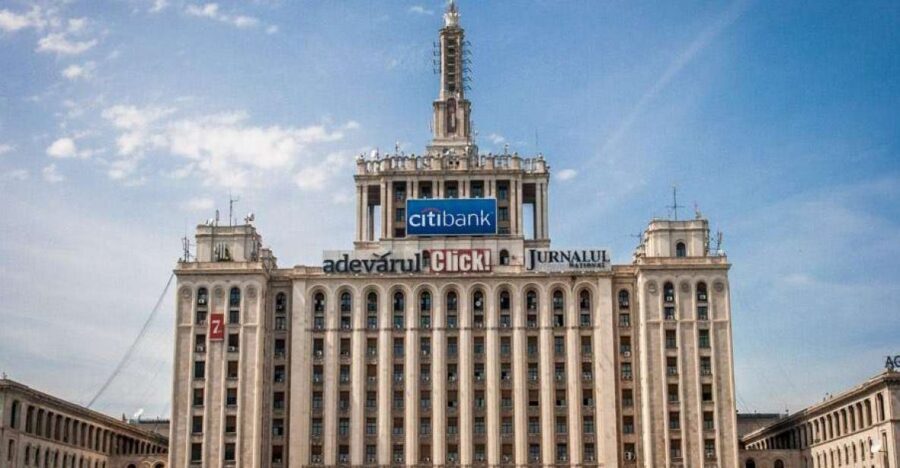
- Revolution Square’s balcony moment: see the site tied to Ceaușescu’s last speech
- The House of People at the Parliament Palace: a must-see for anyone curious about how regimes build
- Free Press Square: learn why this media/communications location matters in the story
- Downtown squares in sequence: you’ll connect Revolution Square to University Square and more
- Primaverii Palace: former presidential residence gives a more private, less official angle
Why Bucharest’s late-communist story hits harder than you expect
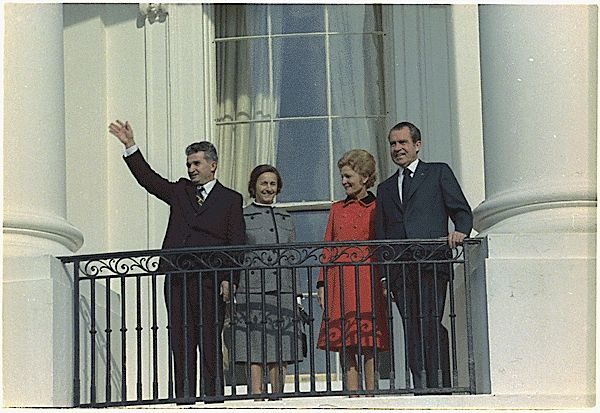
Bucharest wasn’t just a backdrop during communism. It was a stage. Romania lived under communist rule for more than 40 years, from 1948 to December 1989, and the country’s system became inseparable from the buildings, squares, and sightlines you still see today.
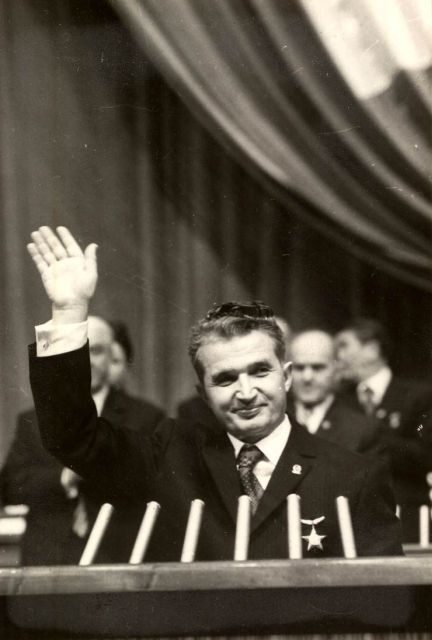
What I like about this tour is that it treats the late years of communism as a story with momentum. Nicolae Ceaușescu took power in the party in 1965 and became president in 1974, and then, about 15 years later, he was removed and executed after the violent revolution in winter 1989. That context matters because it changes how you read each site: you stop viewing them as random monuments and start seeing them as tools of control, persuasion, and finally collapse.
This is also one of those trips where “controversial” isn’t just a footnote. The guide’s job is to balance the message of the era with the reality that people had to live under. If you’re the type who wants to understand why people followed, feared, resisted, and then reinterpreted power after 1989, this tour fits well.
You can also read our reviews of more tours and experiences in Bucharest.
Price, timing, and what makes the value work
At $69 per person for about 5 hours total, this tour is priced like a focused, downtown experience. The value comes from two things: hotel pickup and transportation by car/minibus, plus an English-speaking guide/driver who connects the sites into a single timeline.
What you should plan for, though: entrance fees for the Parliament Palace and Primaverii Palace are not included. If you’re watching your budget, that’s the one predictable add-on. Also remember that visits are not guaranteed because institutions sometimes close for meetings and conferences, so the exact mix of inside vs. outside access can shift.
One more practical note: the tour runs with minimum group sizes depending on the season. From March to October and from December 16 to January 6, it needs at least 4 people. From January 7 to February 29 and from November 1 to December 15, it runs with at least 2 people. If the minimum isn’t met, you’ll get an alternative date or a full refund.
If you want a quick, structured way to get oriented in Bucharest while learning the 1989 story, this is a strong use of one morning.
Revolution Square: where the city’s loudest ending happened
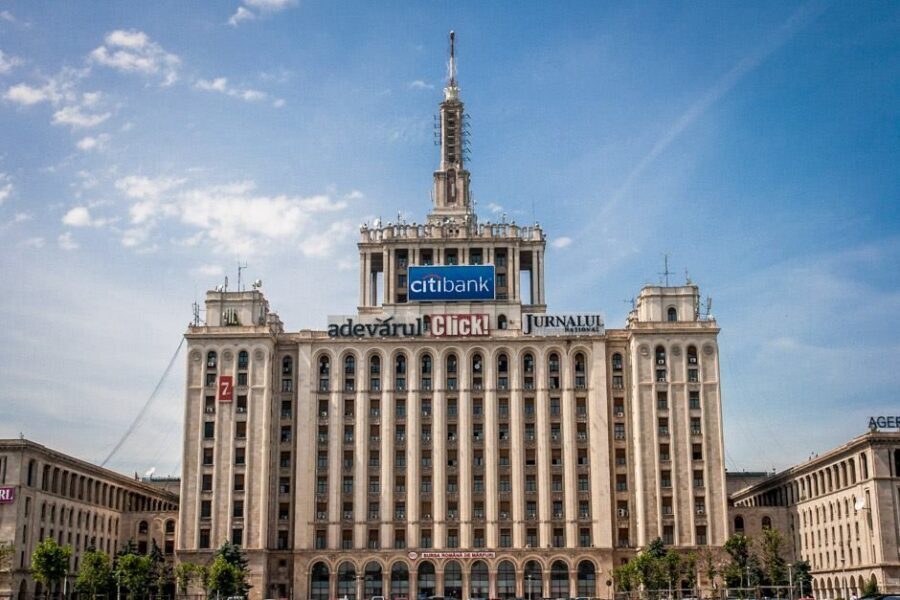
Revolution Square is the centerpiece for the entire concept: the final act in 1989 is tied to the balcony where Ceaușescu gave his last speech. Standing in the same urban space where that moment unfolded makes the revolution feel less like a chapter in a book and more like a shift you could almost hear.
This stop also works because the tour doesn’t treat the revolution as a single event. The guide links the square to the broader downtown route you’ll follow, so you can see how power once tried to present itself in public space—and how quickly that presentation broke down.
A small drawback: if you’re expecting tons of time to roam independently, this isn’t that kind of stop. The flow is designed for efficiency, and you’ll get the most value if you stay close to the guide and soak up context while you’re there.
Still, for many people, this is the moment that turns a city sightseeing day into a real story day.
Entering the House of People at the Parliament Palace
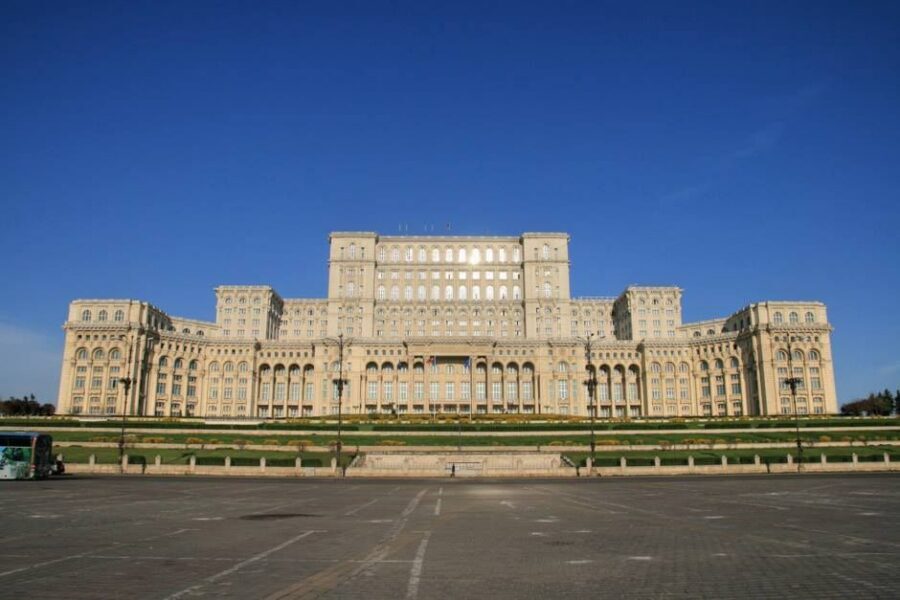
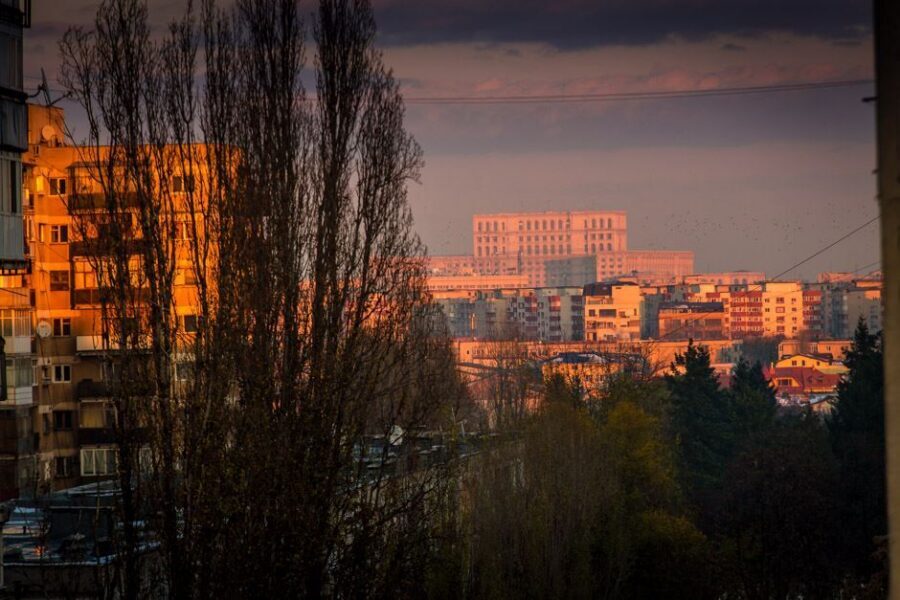
The Parliament Palace—often called the House of People—is a highlight for a reason. The building is majestic on the outside, but the bigger point is what it represents: a regime trying to make itself permanent through scale, symbolism, and ceremony.
In this tour, you get entrance to the Parliament Palace. That matters because some sites only work when you can see how they function, not just how they look from the street. The tour’s focus on this location is also smart: if you want to understand how communism shaped Bucharest physically, this is where you’ll feel it most.
There are two considerations to keep in mind. First, entrance fees are not included in the $69 price, so budget for it. Second, visits are not guaranteed if the palace is closed for meetings and conferences.
Weekend access can be especially tricky for smaller groups. Weekend visits to the Parliament Palace are available only for groups of 10 or more. If your group is smaller on a weekend, the palace is replaced with an alternative attraction or a guided walking tour of the Old Town. That doesn’t mean you’ll lose the experience—it just changes which part of the city you’ll walk and interpret.
If you’re going on this tour on a weekend, I’d plan your expectations around the possibility of an alternative stop and keep your camera ready for the exterior views either way.
Free Press Square and University Square: the city’s communication and education axis
After the major revolution stop, you shift into the “supporting cast” locations—places that help explain how the communist system filled daily life with official messaging.
The tour includes time to learn more about Free Press Square (Piata Presei Libere). Even though the tour doesn’t promise a long standalone visit here, it’s still a key context stop because media, information, and visibility were central to how regimes shaped reality. When your guide ties this square into the broader 1989 storyline, you start seeing why communication buildings and state-facing institutions were so carefully positioned.
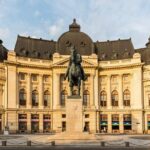
You’ll also pass by or visit University Square (Piata Universitatii), often connected by the tour with the area around the Romanian Atheneum and Revolution’s Memorial. This is where history feels public and civic. University-related space naturally invites questions like: who got to speak, who got to learn, and who was allowed to organize? The tour helps you connect those questions to the layout of Bucharest.
One practical thing: because this is a car/minibus route with downtown stops, you’ll get the most out of it if you keep an eye on street names and the sequence of squares. The point isn’t just where you went—it’s how each location relates to the next, like a map of ideas drawn across the city.
The driving route through triumph, power, and public squares
Between the major stops, you’ll cover a classic chunk of central Bucharest. You’ll pass by the Arch of Triumph (Arcul de Triumf), Victoriei Square (Piata Victoriei), and Charles de Gaulle Square (Piata Charles de Gaulle). You’ll also include Union Square (Piata Unirii) and Romana Square (Piata Romana), with the route weaving through major intersections that help you understand Bucharest’s scale and street geometry.
Why does this matter? Because communism didn’t only build one signature monument. It shaped how people moved through the city and how state narratives framed public life. Seeing these squares and landmarks in one route gives you a sense of where authority was meant to feel inevitable.
The other benefit of this section is simply orientation. If you’re new to Bucharest, you’ll come away with a mental map that makes the city easier to explore after the tour. You’ll know where you are relative to the big downtown anchors, and you’ll feel less like you’re guessing.
The only “watch it” part: because you’re passing many sites by car, you won’t get extended time at every stop. That’s normal for a 5-hour tour. If you prefer slow, lingering visits, you may want to plan a longer return trip on another day for the locations that catch your interest most.
Primaverii Palace: the presidential bubble, seen from the outside and in
Primaverii Palace is the last big highlight on the tour, and it adds an important angle. This was the former residence of the presidential couple, so it shifts the story from the public arena to the private living space of power.
The palace stop (with entrance as part of the visit, though fees are not included) gives you a different lens on the communist era. It’s one thing to see buildings meant for the state to project authority. It’s another to think about the everyday distance between leaders and ordinary people—especially in a period where loyalty and image mattered.
If the palace is open, you’ll get more of the interior experience. If it’s not open due to conferences or meetings, your time may be adjusted by the guide, since visits aren’t guaranteed. Either way, the exterior and the guide’s framing usually help you understand why the residence matters in the broader narrative.
This stop is also a good payoff because it ends the tour on a contrast: the revolution and major public sites are loud and civic; the presidential residence is more intimate and controlled.
Who should book this tour, and who might want a different plan
Book this if you want a structured route through Bucharest’s communist-era landmarks without spending the whole day researching on your own. It’s also a good fit if you like learning through context: how major events connect to the buildings where people lived, worked, and watched official messages.
It’s less ideal if you hate guided pacing or prefer long, quiet museum time. This is a sight-and-story tour designed to cover a lot of ground in limited hours.
It’s also best for people who can handle a little uncertainty around access. Visits can be affected by closures for meetings and conferences, and weekend Palace of Parliament access depends on group size. The guide should work with what’s available, but you’ll get the best experience if you keep expectations flexible.
Should you book the Last Days of Communism Tour?
Yes, if you want the fastest way to connect Bucharest’s streets to the 1989 revolution and the communist era’s physical footprint. The $69 price is fair for a hotel-pickup route with an English-speaking guide/driver and a strong set of headline sites like Revolution Square and the Parliament Palace, plus the extra context stops like Free Press Square and University Square.
Just plan for the two key realities: entrance fees for the Parliament Palace and Primaverii Palace are extra, and access can change based on closures. If you go in expecting a guided, timeline-driven morning rather than a freeform tour, you’ll get a clear, memorable sense of how Bucharest’s power story ended.
FAQ
How long is the Bucharest Last Days of Communism tour?
The total duration is about 5 hours, with around 4 hours of sightseeing included. You’ll be picked up in the morning from your Bucharest hotel.
Does the tour include hotel pickup and transportation?
Yes. Hotel pickup is included, and you’ll travel by car or minibus with an English-speaking guide/driver.
Are entrance fees included for the Parliament Palace and Primaverii Palace?
No. Entrance fees for the Parliament Palace and Primaverii Palace are not included in the $69 per person price.
What stops are included on the itinerary?
The tour centers on Revolution Square, the Parliament Palace House of People, Free Press Square, and University Square, with additional passes through areas like the Arch of Triumph, Victoriei Square, Union Square, Romana Square, and Charles de Gaulle Square. It also includes Primaverii Palace.
What ID should I bring?
Bring your original passport or ID card.
What happens if the palace visits are closed?
Visits are not guaranteed, since institutions sometimes close for meetings and conferences. On weekends, Palace of Parliament visits are available only for groups of 10 or more; smaller groups get an alternative attraction or a guided walking tour of the Old Town. If minimum group size isn’t met, you’ll be offered another date or a full refund.