REVIEW · OLD TOWN BUCHAREST
Bucharest: The Italian emigration in Romania
Book on GetYourGuide →Operated by Transylvanian Wonders SRL · Bookable on GetYourGuide
Bucharest has a second face, if you know where to look. This 2-hour walk links Italian emigration with the city’s landmark architecture, starting by the Dambovita River and drifting into the story-rich streets of Victory Road. I like how the route mixes big-name buildings with practical street-level details, and I also like the live Italian-speaking guide who explains the why behind the scenes. One drawback to plan for: the tour is short but it is still real walking, so you’ll want sturdy shoes and decent stamina.
You’ll begin at Piata Natiunile Unite and cross the river into Calea Victoriei territory, where the buildings feel like they belong to a careful mix of eras. The highlights you’re targeting include the Palace of Justice on the Dambovita banks, plus stops around the CEC Palace, Revolution Square, and the Atheneum. The tour wraps in Bucharest’s old town with a quick recap so the Italian influence lands in your head, not just on your camera roll.
Because the tour language is Italian, you’ll get the most out of it if you follow spoken Italian at least comfortably. If you don’t, I’d still go for the sights, but manage expectations: you won’t be able to rely on audio recording, and the guide’s explanations are the main value here.
In This Review
- Key Points You’ll Care About
- Why the Italian Emigration Story Fits Bucharest So Well
- Meeting at Bulevardul Natiunile Unite and Getting Oriented Fast
- Crossing the Dambovita River Toward Palace-of-Justice Drama
- Victory Road (Calea Victoriei): Where the City’s Italian Links Feel Walkable
- National History Museum: Big Institutions, Big Motivation
- CEC Palace and Revolution Square: Money and Public Life in Plain Sight
- The Atheneum: Culture as a Signal, Not Just Decor
- Italian Church: When the Legacy Gets Personal
- Finishing in Bucharest Old Town: The Quick Recap That Makes It Stick
- Price and Value: Why $11 Can Be a Smart Deal
- Walking Practicalities: What Will Actually Matter on the Day
- Who This Tour Is For (and Who Should Skip It)
- Should You Book This Italian Emigration Walk in Bucharest?
- FAQ
- Where do I meet the guide for this tour?
- What is the duration of the tour?
- How much does the tour cost?
- Is the tour conducted in Italian?
- What should I bring?
- Are audio recordings allowed?
- Is the tour suitable for everyone?
Key Points You’ll Care About
- Victory Road (Calea Victoriei) is the spine of the tour, tying Italian influence to some of Bucharest’s most iconic facades
- Dambovita River viewpoints and the Palace of Justice set the mood early
- CEC Palace and Revolution Square help you understand power, money, and public life, not just pretty buildings
- You’ll pass big cultural landmarks like the National History Museum and the Atheneum as part of one connected story
- The walk includes the Italian Church, where the cultural footprint becomes more personal
- Guides like Roberto and Daniel (Italian-speaking) are known for energetic explanations and good pacing
Why the Italian Emigration Story Fits Bucharest So Well
This isn’t a generic “top sights” loop. The point is to show how Italian presence helped shape Bucharest’s development from the late 1700s into the early 1800s, and how that influence still shows up in the city’s look and institutions. I like the approach because it turns architecture into something you can actually interpret.
When you walk with this theme, buildings stop being stand-alone postcards. You start seeing patterns: where public life concentrates, where culture signals status, and how immigration leaves clues in institutions rather than just old family names.
And yes, Victory Road is part of it. It’s the kind of street where the eye keeps finding details—so even if you don’t love history, you’ll still enjoy the walk.
Meeting at Bulevardul Natiunile Unite and Getting Oriented Fast
You meet your guide at the Transylvanian Wonders office on Bulevardul Natiunile Unite 4, Bloc 107/A, then you’ll be in Piata Natiunile Unite within about 100 meters. That’s close enough that you won’t feel like you’re playing city scavenger hunt for hours, but far enough that you should arrive on time and have your phone ready to check the exact spot.
The tour is listed as 2 hours, so think of it as a concentrated heritage stroll. That matters because you won’t have time to wander off for detours. You’ll want to keep your energy for the stops, not for getting lost.
Also note the basics that help the experience stay smooth: bring comfortable shoes, wear weather-appropriate clothing, and skip audio recording. The rules also say no alcohol or drugs, and bare feet aren’t allowed. It’s a respectful walking tour—quiet enough to listen.
Crossing the Dambovita River Toward Palace-of-Justice Drama
One of the smartest early moves on this route is the Dambovita River crossing. It’s where Bucharest starts to feel like a planned city with strong visual axes, not just a cluster of streets.
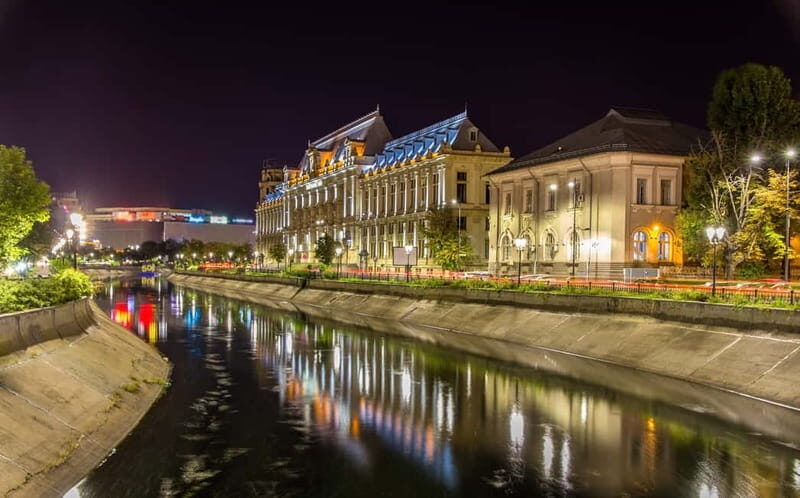
The Palace of Justice sits prominently along the river. Even if you don’t know Romanian law or court history, you’ll quickly get why it’s visually important: it signals authority and permanence. For an Italian-emigration theme, it also sets the tone—this is about institutions and civic development, not only neighborhoods.
If you like photos, this is a good place to get your bearings. If you don’t, it’s still worth looking up and around before the tour carries you into the long stretch of Victory Road.
Victory Road (Calea Victoriei): Where the City’s Italian Links Feel Walkable
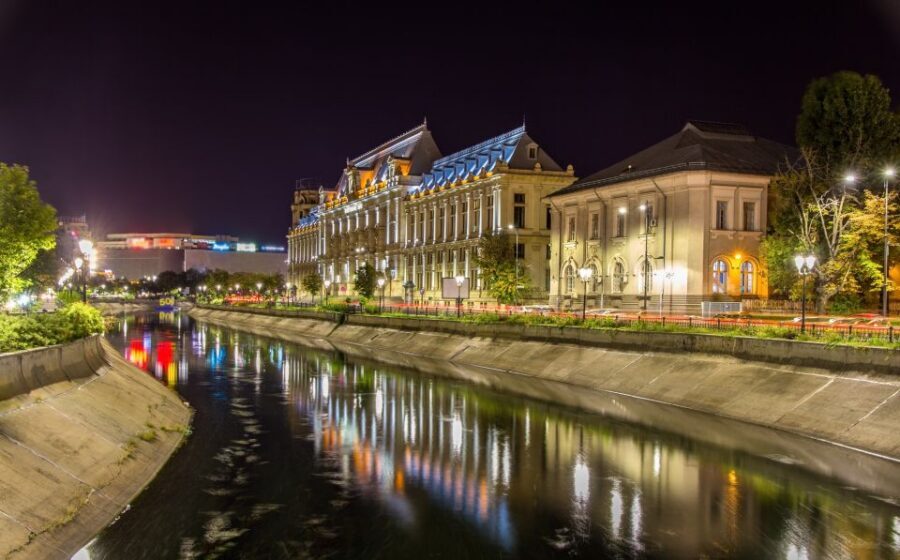
Victory Road is the centerpiece, and walking it with a guide makes a difference. Without context, you might enjoy the architecture and move on. With the migration story, you start connecting the dots: why certain styles and public spaces show up where they do.
This avenue is also practical for the tour format. It’s famous enough that you can keep your sense of direction, but it still contains the kind of “pause and notice” details you don’t get from a quick drive-by.
I like that the tour route is built to let you absorb history through sight lines. You’re not trapped indoors. You’re moving along the city’s main stage, so every new landmark feels like a chapter that naturally follows the previous one.
National History Museum: Big Institutions, Big Motivation
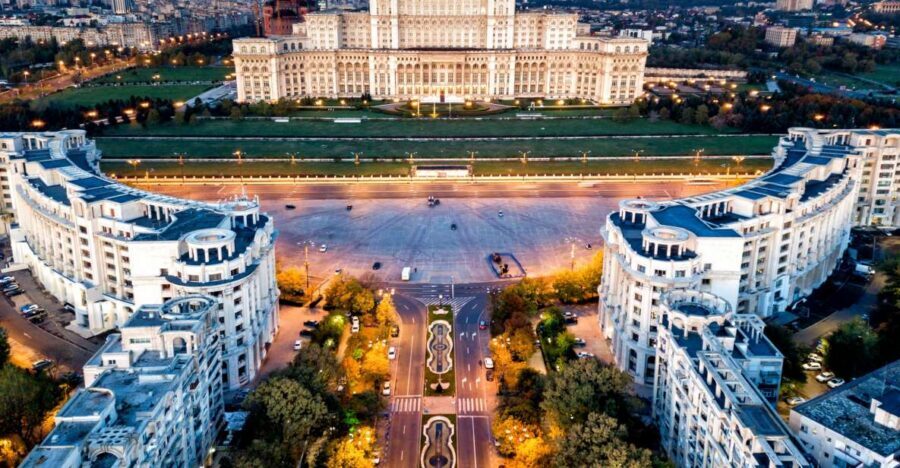
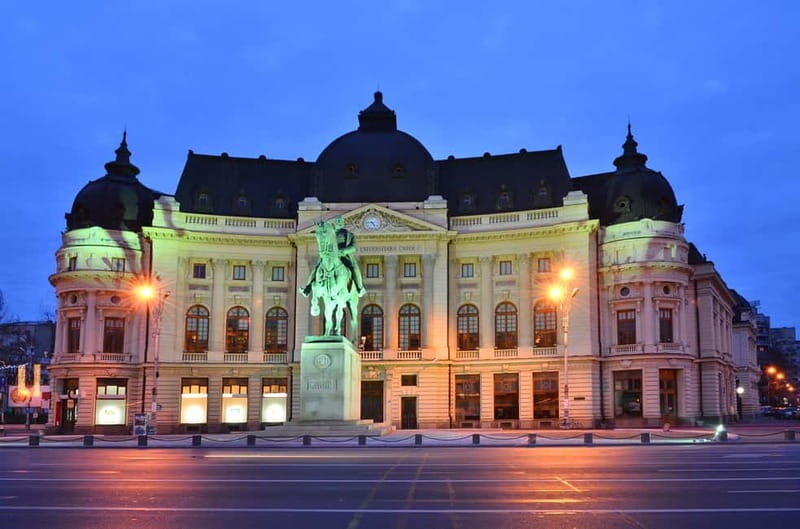
As the tour moves along, you pass by the National History Museum. Even if you’re not going in, it works as a thematic checkpoint. Museums are where a city decides what to remember, and memory matters for immigration stories.
From a practical point of view, this stop also gives you a brief mental reset. You’ve already seen architecture tied to civic life; now the tour helps you connect that civic development to broader cultural identity—why communities migrate, how they integrate, and how their contributions become part of official narratives.
This is one of those stops where the guide’s explanations are doing real work. I’d treat this as your “listen carefully” moment, because it helps you understand later landmarks like CEC and the Atheneum.
CEC Palace and Revolution Square: Money and Public Life in Plain Sight
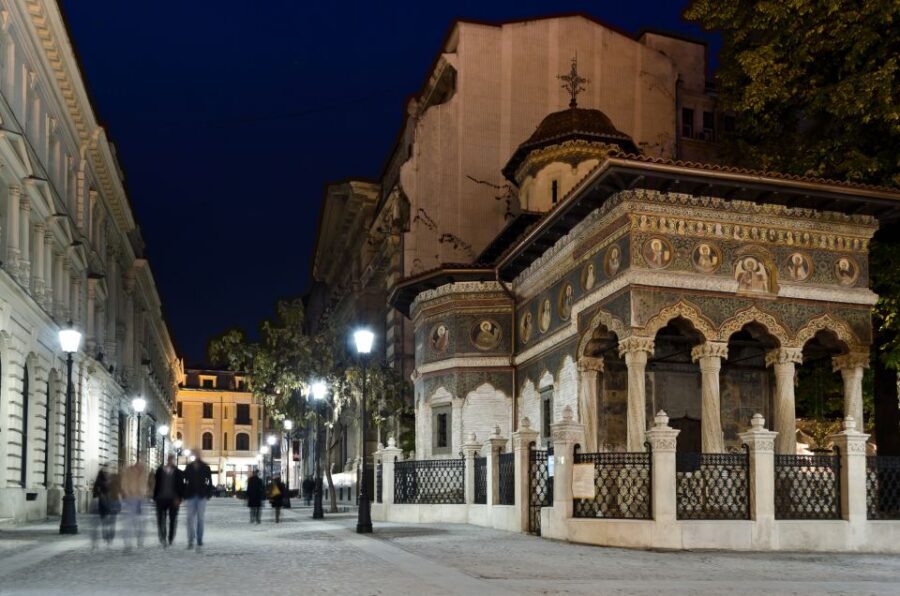
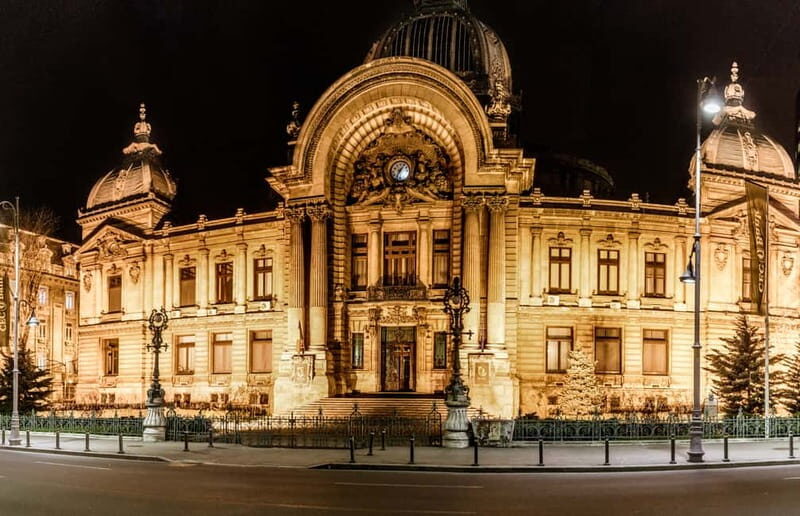
Then comes the CEC Palace, a standout building that helps explain how economic power and public life take physical form. CEC isn’t just another facade—it’s part of how modern institutions grew, which is exactly where immigration influence can show up.
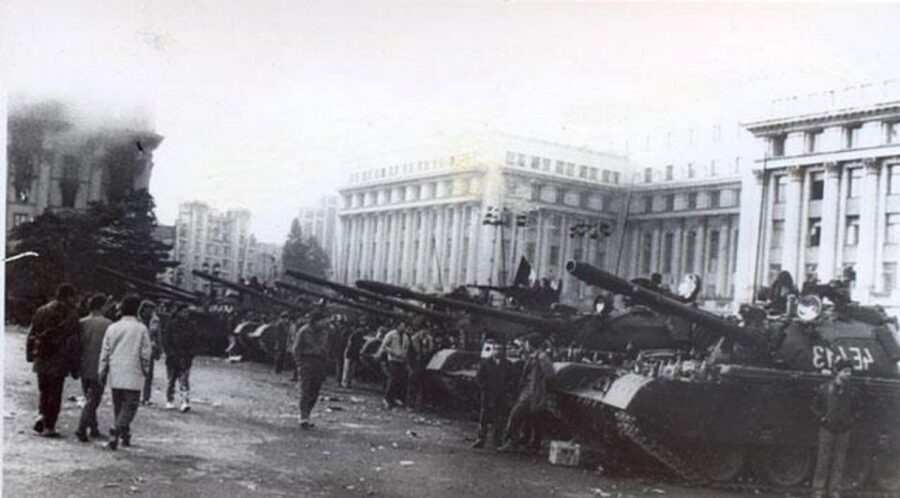
From there, you head toward Revolution Square. This square theme is useful because it shifts the focus from buildings as objects to buildings as stages for social change. Even if you’re not focused on political history, squares tell you where people gather, where decisions happen, and how the city organizes collective life.
I like these stops together because they create a balanced picture: culture and civic identity in one direction, and economy and public momentum in the other.
The Atheneum: Culture as a Signal, Not Just Decor
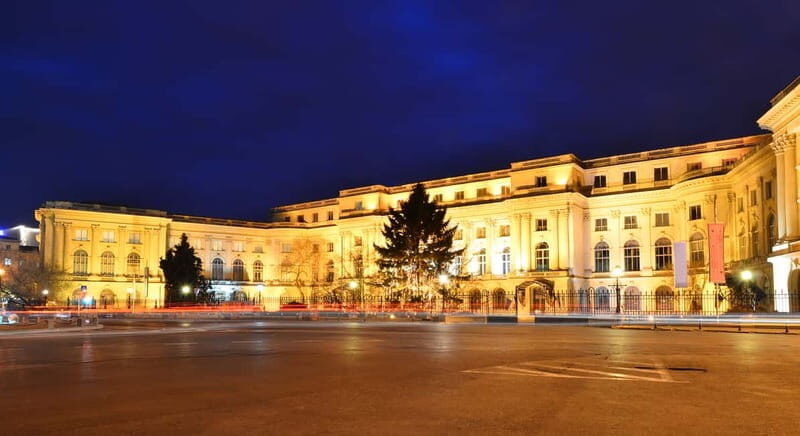
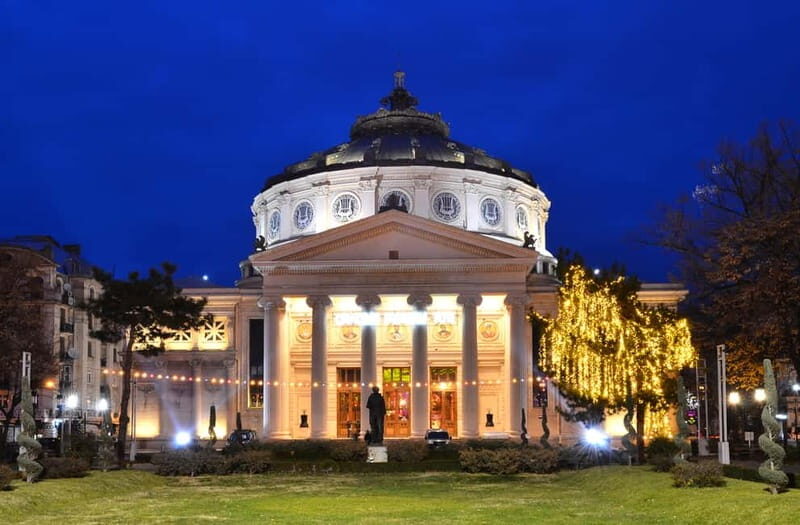
The Atheneum is one of those landmarks people photograph because it looks impressive. But on this tour, it’s more than impressive. It’s a cultural marker—something a city builds to show it values arts, learning, and public performance.
Italian emigration influences are often discussed through names and communities. Here, you see influence through institutions and public-facing culture. It’s the difference between reading about a story and recognizing the way it shaped urban priorities.
This is also a stop that rewards a slow look. Pause, look at surroundings, and let your eyes catch the architectural cues. With a theme like this, small details start to feel intentional.
Italian Church: When the Legacy Gets Personal
One stop that really matters on this walk is the Italian Church. Even if you’re not a church-goer, it’s the kind of place that changes your mood. The story goes from civic architecture to community presence.
A good guide helps you notice what you might otherwise miss—how a religious building can act as a cultural anchor for immigrants. It’s not just a landmark. It’s a reminder that migration isn’t only about work or politics; it’s also about maintaining identity, language, and ritual.
The tour continues on toward Bucharest’s old town afterward, and the Italian Church is a strong emotional bridge. It makes the recap feel earned, not tacked on.
Finishing in Bucharest Old Town: The Quick Recap That Makes It Stick
The tour ends back in Bucharest’s old town with a quick recap of why Italian immigration mattered to Bucharest and Romania’s development. That recap is small but important. It gives you closure and helps you connect what you saw on Victory Road to the larger time period the tour focuses on.
I like that the finish stays in the older area of the city. Even after two hours, you can keep exploring with your brain switched on. You’ll spot landmarks faster because you’ve already learned what to look for.
If you’re the type who likes to walk into dinner with a story in your head, this ending style works well.
Price and Value: Why $11 Can Be a Smart Deal
At around $11 per person for a guided 2-hour walk, the value comes from three places: the theme, the guidance, and the time efficiency.
First, a themed tour like this saves you effort. Instead of researching Italian emigration yourself and trying to map it onto buildings, you get the connection explained. Second, the guide is the real product here. This is a live, Italian-language tour, so you’re paying for interpretation—not just being pointed at statues.
Third, 2 hours is a manageable chunk. You get a compact route through major landmarks, which means you can fit it into a day without sacrificing your whole afternoon.
One caution on value: because the explanations are in Italian, make sure you can follow at least a good portion of the conversation. If you struggle with Italian, you may still enjoy the sights, but the deeper value depends on understanding the story.
Walking Practicalities: What Will Actually Matter on the Day
This is a walking tour, so the “boring” details affect your enjoyment. Bring comfortable shoes, and dress for weather because you’ll be outdoors during the route. The rules also say no audio recording, so plan to remember with photos and mental notes instead.
Also keep in mind the tour isn’t suitable for people over 95 years. If you’re choosing this for a family group, it’s worth checking who can comfortably handle steady walking.
Finally, your meeting point is clearly defined (Piata Natiunile Unite near the office), but it’s still worth arriving a few minutes early and confirming you’re standing at the right spot.
Who This Tour Is For (and Who Should Skip It)
This tour is a good match if you want more than scenery. I’d steer you toward it if you like architecture, love migration stories, or enjoy tours where buildings connect to real-world development.
It also works well if you’re traveling with someone who wants the story side and you want the photo side. The route has both.
It might be less ideal if your Italian is limited and you mostly want narration. Since the guide talks in Italian, you’ll still see landmarks, but the main value is in the explanations.
Should You Book This Italian Emigration Walk in Bucharest?
I’d book it if you’re in Bucharest for only a day or two and you want a focused way to understand how Italian presence shaped the city. The route is concentrated, the landmarks are real, and the theme gives the walk meaning beyond sightseeing.
Book with confidence if you enjoy walking and you can handle Italian narration at least enough to catch the thread. If Italian is a struggle, consider it mainly as a high-quality architecture walk with a story theme—then you might use your spare attention to look up details on your own afterward.
Either way, for the price and the landmark density, it’s hard to beat.
FAQ
Where do I meet the guide for this tour?
Meet your guide at the Transylvanian Wonders office on Bulevardul Natiunile Unite 4, Bloc 107/A. You’ll meet your guide in Piata Natiunile Unite, about 100 meters from the office.
What is the duration of the tour?
The tour lasts 2 hours.
How much does the tour cost?
It costs $11 per person.
Is the tour conducted in Italian?
Yes. The live tour guide speaks Italian.
What should I bring?
Bring comfortable shoes and weather-appropriate clothing.
Are audio recordings allowed?
No, audio recording is not allowed.
Is the tour suitable for everyone?
It is not suitable for people over 95 years.