REVIEW · BUCHAREST
Bucharest: Contrasts of Communism – Small Group Walking Tour
Book on GetYourGuide →Operated by Elena Ciobanu Turism SRL · Bookable on GetYourGuide
Bucharest has two faces, and you see both. This small-group tour mixes major communist landmarks with quieter, more unsettling places tied to the 1989 revolution, starting in Revolution Square and moving through the city with public transportation. I like how the route doesn’t just look backwards at power—it also shows how daily life was shaped by fear, propaganda, and the cult of personality around Nicolae Ceausescu.
I also love the human touch that guide Elena Ciobanu brings to the story. The tour is designed around contrast: Ceausescu’s iconic balcony moment, then an off-the-beaten-path ride to the Memorial Cemetery of the Heroes of 1989 and even a lesser-known monument connected to communist leadership. The main drawback is simple: it involves a lot of walking and covers heavy political themes, so wear comfortable shoes and be ready for a serious tone.
In This Review
- Key things that make this tour worth your time
- Entering Bucharest’s communist story in 3 hours
- Meeting at Boteca13 and getting your bearings fast
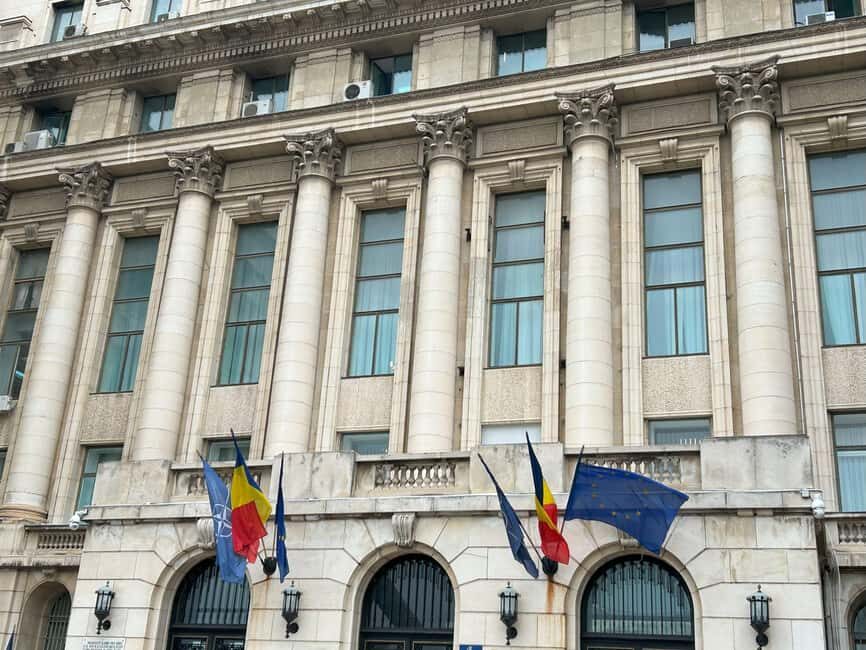
- Revolution Square: the balcony moment that explains power
- University Square to Eroii Revolutiei: from public messaging to public memory
- Carol I Park and the tram: learning the city by moving through it
- Memorial Cemetery and the contrast you don’t forget
- Palace of the Parliament, Unirii Boulevard, and the human cost
- Price and logistics: what $29 buys you (and what it doesn’t)
- Who should book this tour, and who may want to skip it
- Should you book Bucharest: Contrasts of Communism?
- FAQ
- How long is the Bucharest contrasts of communism tour?
- What does the tour cost?
- How big is the group?
- Is the tour in English?
- Where do I meet the guide?
- Will public transportation tickets be included?
- What major stops are included?
- Is this tour suitable for children or mobility needs?
Key things that make this tour worth your time
- Ceausescu’s balcony in Revolution Square: you’ll see the place associated with the dictator’s public performance and rise-and-fall story.
- Eroii Revolutiei and the 1989 revolution memory: you connect the geography of Bucharest to what changed in 1989.
- A metro and tram mix that actually works: transit time becomes part of the lesson, not a chore.
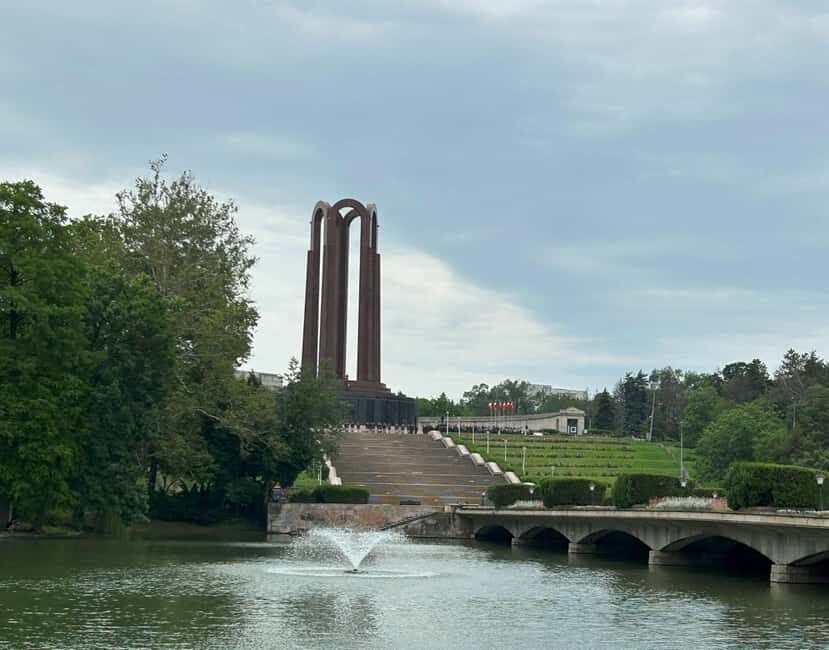
- The Heroes of 1989 cemetery plus a communist leadership mausoleum: you’ll get the sharp contrast in memorial styles.
- A look at Parliament from the outside, with the cost: you learn about architectural achievements alongside 1980s demolitions.
- Elena’s street-level storytelling: the tour is guided in English with humor and local context that make the facts stick.
Entering Bucharest’s communist story in 3 hours
This is a tight, 3-hour format, priced at $29 per person, that tries to do something hard: explain communism’s logic in Romania through real places, not just names. For the money, you get more than a sightseeing walk. You also get a certified local guide, English narration, and public transportation tickets, which helps the tour reach spots you might miss if you only stick to the center.
The tour’s value is in the contrast. You’ll stand in one of the most symbolic squares in Bucharest tied to the end of the regime, then move to memorial spaces where the tone flips from political theater to remembrance. You come away with a clearer picture of how people lived under communism—economy, propaganda, and the role of religion—plus how the secret police and fear shaped daily routines.
It also helps that the group stays small, limited to 8 participants. In a topic like this, you’ll probably have questions, and the format makes it easier to get answers as you walk.
You can also read our reviews of more walking tours in Bucharest

Meeting at Boteca13 and getting your bearings fast
You’ll meet your guide outside Boteca13 at Street Boteanu 3. It’s just around the corner from Revolution Square, which is a smart setup because it means you start close to the main anchor of the story. You’re not spending the first half of the time figuring out where to begin.
From that starting point, the tour follows a practical rhythm: guided segments at each main stop, then short transit chunks where you move on quickly. It’s built for momentum, and it keeps the “contrast” theme moving without dragging.
Also, plan for the walking. The tour clearly warns you to bring comfortable shoes, and that’s not just legal wording. The route includes multiple guided stops plus time on the subway and tram.
Revolution Square: the balcony moment that explains power
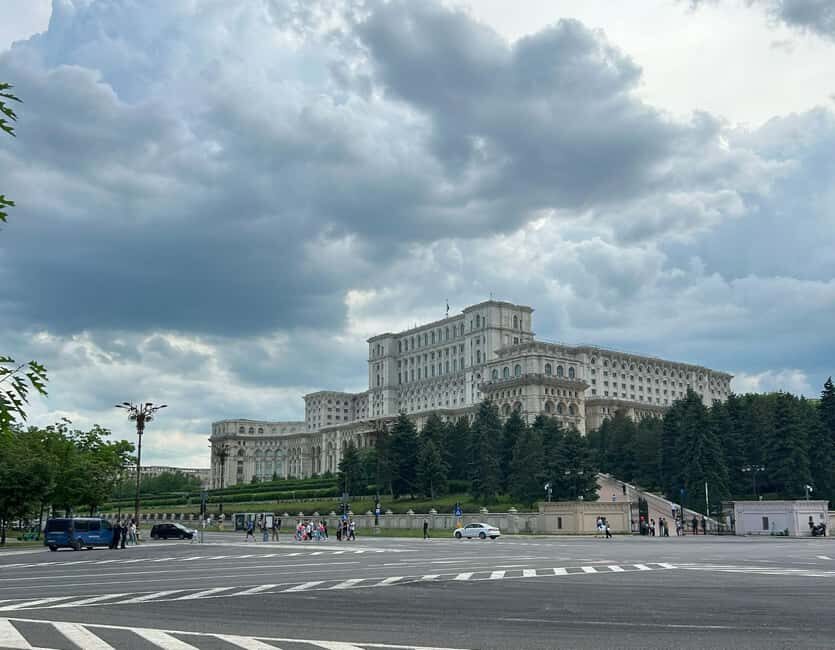
The first big guided block is at Revolution Square. This is where the tour centers on one of the most famous visual symbols of Nicolae Ceausescu’s reign: his balcony.
What I like about this stop is that it’s not treated like a photo-op. The story is framed around the dictator’s craving for applause, and how that performance mindset helped set the stage for his overturn in the violent anti-communist revolution of 1989. Standing in the square, you can understand why the regime cared so much about optics and staged unity.
If you’re coming from elsewhere in Europe where communism is more distant in your imagination, this stop gives you something concrete: a physical stage for the personality cult. It’s easier to grasp why propaganda worked when you can connect it to the spaces designed for it.
Then you’ll move onward to University Square for another guided segment, which helps widen the setting beyond just one dramatic moment.
University Square to Eroii Revolutiei: from public messaging to public memory
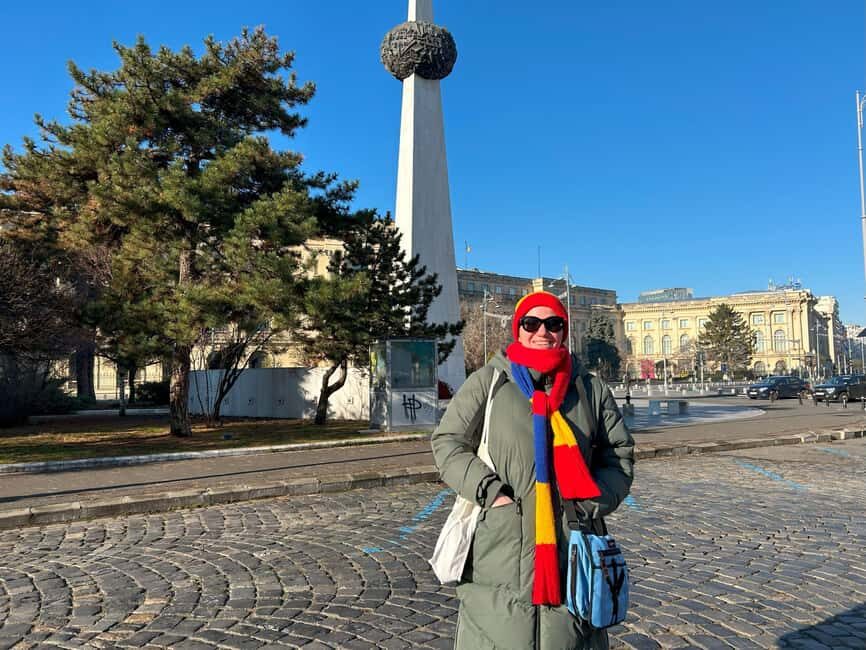
After Revolution Square, the tour shifts to University Square, another 30-minute guided stop. This matters because it keeps you from treating the story as only a single square-and-bust event. You start to see how Bucharest’s layout supported the regime’s messaging and how that messaging became part of the city’s everyday stage.
From there, you’ll take the subway/metro for about 15 minutes, then arrive at Eroii Revolutiei for a guided 30-minute look. This is where memorial geography starts doing its job. Instead of focusing only on the dictator, the tour brings you to the revolution’s human scale—what gets remembered, what gets honored, and how a city chooses to represent change.
If you like understanding history through spatial clues, this segment will feel satisfying. You’re not just reading about 1989. You’re watching the city’s memory take shape in front of you.
Carol I Park and the tram: learning the city by moving through it
The tour continues to Carol I Park for another 30-minute guided stop. Parks can be good breaks in intense subject matter, and this one also helps you see Bucharest as more than monuments. It’s part of the “day-to-day” angle too, because the communist system didn’t only exist in government buildings. It shaped how people moved, gathered, and lived in ordinary public spaces.
Then you’ll take the tram for around 15 minutes. This short ride is one of the tour’s clever choices. Instead of making transit a dead time, the tour uses it to connect you to how Bucharest functions. It also keeps the pace realistic for a 3-hour experience.
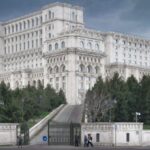
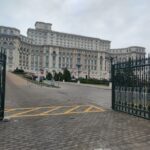
You’ll then reach the most important final political landmark: the Palace of the Parliament, which is where the tour ties together power, architecture, and real-world suffering.

Memorial Cemetery and the contrast you don’t forget
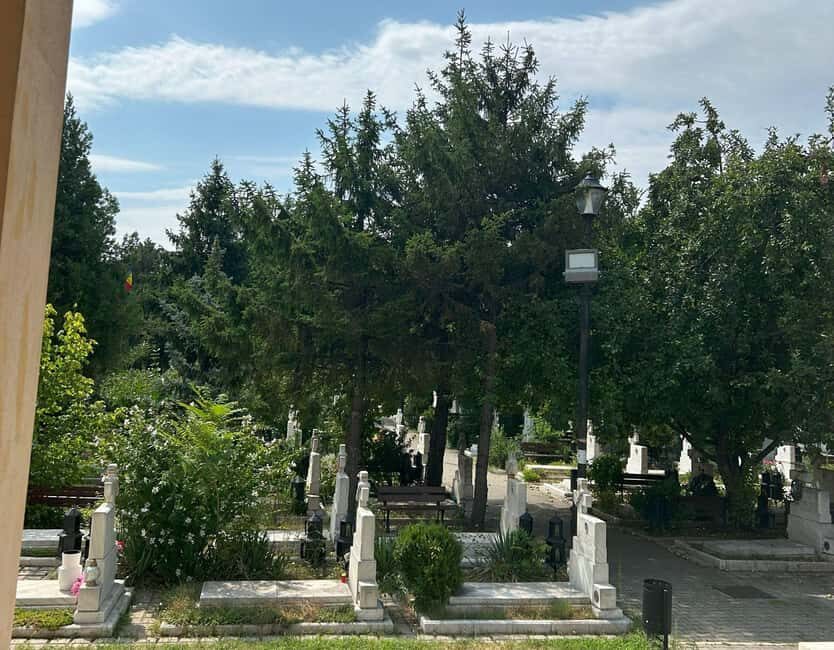
One of the tour’s strongest promises is the off-the-beaten-path element. After using the metro, you’ll go to the Memorial Cemetery of the Heroes of 1989. This is handled with guided storytelling for about 30 minutes, and the tour frames it as the opposite of the personality cult you saw earlier.
Here, the emphasis shifts from a single dominating figure to the costs and consequences of rebellion. It’s a place built to remember those who were tied to the turning point.
Then comes another standout: the tour also includes a huge mausoleum associated with the communist leadership, plus a stop at a unique forgotten monument related to communist party leaders. That pairing is the heart of the whole experience. You see how one side of history builds permanent, monumental messages, while another side builds memorials meant to honor sacrifices and define what 1989 meant.
If you want history with emotional weight and visual clarity, this is the section where it clicks.
Palace of the Parliament, Unirii Boulevard, and the human cost
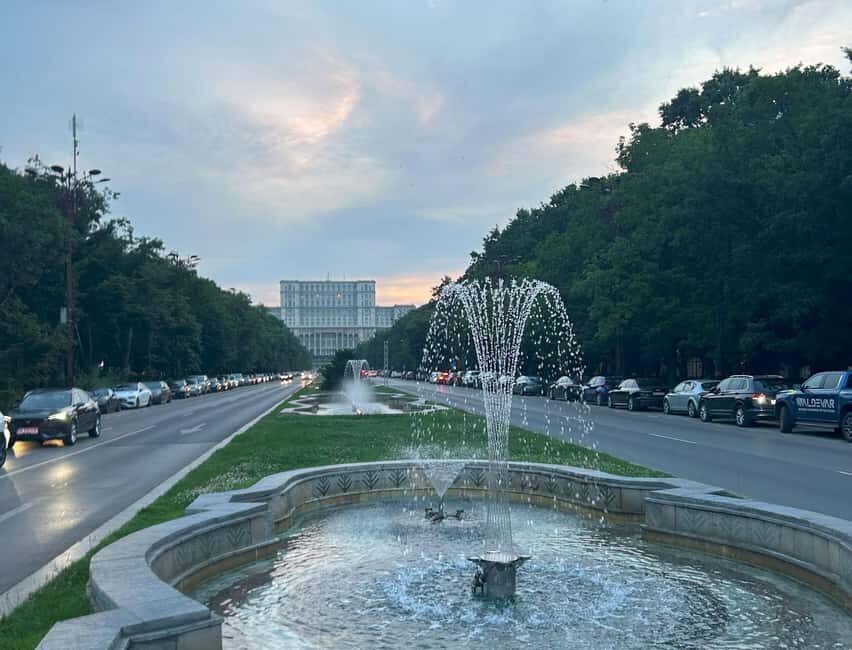
The final major stop is the Palace of the Parliament. You’ll get about 30 minutes of guided time, and the focus is the exterior. The tour also provides an overview of Parliament and Unirii Boulevard, finishing near Bulevardul Unirii nr. 23.
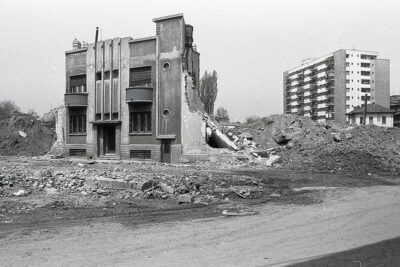
What I appreciate here is the tour’s balanced approach. It talks about the architects’ achievements, but it also explains the sacrifices for the local community, including demolitions during the 1980s. That pairing matters. Without it, the building can feel like only a spectacle. With it, the structure becomes part of the story of how power used land, people, and resources.
You leave this part with a better sense of how communism tried to project strength through grand design while ordinary residents paid the price. Even if you’re not a design nerd, the “achievement vs. cost” framing gives you an honest way to read the building.
Price and logistics: what $29 buys you (and what it doesn’t)
At $29 per person for 3 hours, this is priced as a value-focused walking tour with transit included. You’re not paying extra for the metro/tram because public transportation tickets are included. You also get a small group capped at 8, guided in English, led by Elena Ciobanu Turism SRL as the experience provider.
What you should consider is scope. This is not a museum-heavy, slow-tour experience, and it’s not built for people who want minimal walking. Also, because the subject is specifically tied to communism and the 1989 revolution, the mood stays serious. If you’re hoping for a light history stroll, this may feel heavy.
Still, as a first or second visit to Bucharest’s central area, it’s a strong use of time. You’ll cover the key political geography, plus a couple of less obvious stops that add real texture.
Who should book this tour, and who may want to skip it
This tour is a great fit if you want your Bucharest history to connect to real places and real memory, not just a list of dates. It’s especially good for you if you like stories that cover propaganda, the economy, and the relationship with religion, and you’re curious how fear and the secret police shaped everyday life.
You’ll also likely enjoy it if you prefer small groups and don’t want to get stuck waiting for a big crowd to move. The pace supports questions, and the guide’s style is described as engaging and passionate, with humor that helps the heavy material land.
It’s not suitable for people with mobility impairments, and it’s not for children under 18, so plan accordingly if you’re traveling as a family.
Should you book Bucharest: Contrasts of Communism?
Book it if you want a short, focused tour that covers the most important communist-era landmarks and the 1989 turning point, while still using public transport like a local. The balcony moment in Revolution Square plus the trip to the Heroes of 1989 memorial spaces is the kind of pairing that’s hard to replicate on your own in just a few hours.
Skip it if you dislike walking, want a lighter tone, or need a more accessible route. Also skip if you prefer only upbeat city sightseeing. This one is built around contrasts, and that includes uncomfortable history.
If you’re the kind of traveler who likes understanding a city by reading its past into its streets, this tour is a smart use of time in Bucharest.
FAQ
How long is the Bucharest contrasts of communism tour?
It lasts about 3 hours.
What does the tour cost?
The price is $29 per person.
How big is the group?
It is a small group limited to 8 participants.
Is the tour in English?
Yes, the live guide speaks English.
Where do I meet the guide?
Meet outside the coffee shop Boteca13 on Street Boteanu 3.
Will public transportation tickets be included?
Yes. The tour includes public transportation tickets and uses metro and tram during the route.
What major stops are included?
You’ll see Revolution Square (including Ceausescu’s balcony), University Square, Eroii Revolutiei, Carol I Park, the Palace of the Parliament exterior, and you’ll visit the Memorial Cemetery of the Heroes of 1989 plus a communist leadership mausoleum and a forgotten monument.
Is this tour suitable for children or mobility needs?
It is not suitable for children under 18 and not suitable for people with mobility impairments. The tour involves a lot of walking, so wear comfortable shoes.