REVIEW · SINAIA
Bucharest : Ceaușescu Mansion , Parliament & Village Museum
Book on GetYourGuide →Operated by Tour & trips srl · Bookable on GetYourGuide
Dictatorship and marble collide in one day. This guided loop mixes Romania’s rural roots with the Village Museum and the mind-bending Palace of Parliament.
I especially like how an expert guide ties the stops together, so you don’t just see buildings—you understand why they matter. You get enough time for guided walkthroughs, plus breaks for photos and getting your bearings.
One thing to watch: tickets aren’t included, and you’ll also need the right ID for the Parliament. If you’re traveling on a Monday, the Ceaușescu Mansion is closed and the schedule will adjust.
In This Review
- Key highlights worth your attention
- A Six-Hour Bucharest Loop That Actually Makes Sense
- Getting There: Central Pickup and Air-Conditioned Coach Comfort
- Dimitrie Gusti Village Museum: Romania’s Rural Past, Walkable and Visual
- Ceaușescu Mansion: The Opulent Life Behind the Communist Leader
- Palace of Parliament: Marble Halls, Massive Scale, and ID Checks
- Price and Logistics: What the Coach Costs, and What You Still Pay
- Guide Quality: Clear Explanations Make the Differences
- What to Bring (and What Security Will Care About)
- Should You Book This Tour or Skip It?
- FAQ
- How long is the Bucharest tour?
- Where is the meeting point?
- Are entrance tickets included in the price?
- Does the tour include the Ceaușescu Mansion every day?
- What ID do I need for the Palace of Parliament?
- Is food included?
- What languages are available for the guide?
Key highlights worth your attention
- Three big sites, one smooth route: coach transfers keep the day moving without the stress of navigating.
- Dimitrie Gusti National Village Museum: traditional houses, windmills, and churches from across Romania.
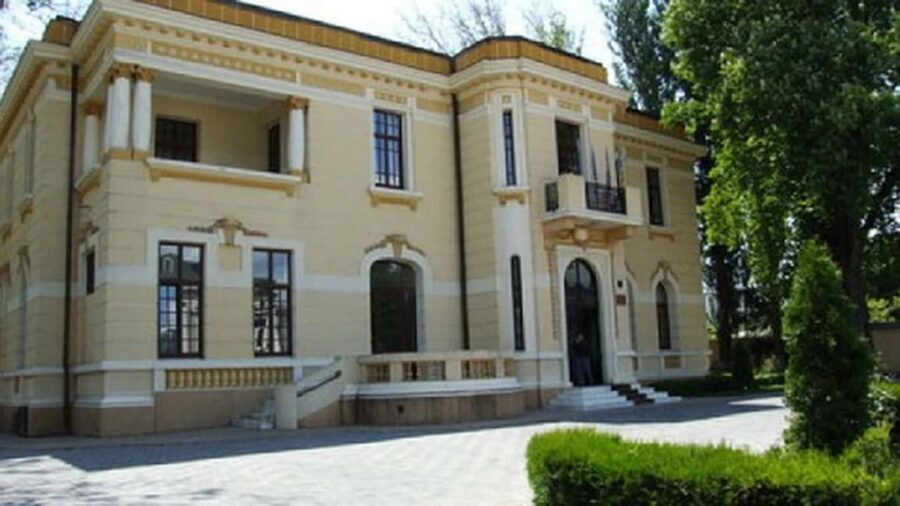
- Ceaușescu Mansion: opulent, communist-era interiors connected to Nicolae Ceaușescu’s life.
- Palace of Parliament scale: a monumental stop that’s known for its overwhelming size and marble halls.
- Skip-the-line help for tickets: you can have your guide assist with day-of ticket purchase to reduce queue time.
- A real guide, not just transport: you’ll have live interpretation (English, Italian, Spanish, Bulgarian).
A Six-Hour Bucharest Loop That Actually Makes Sense
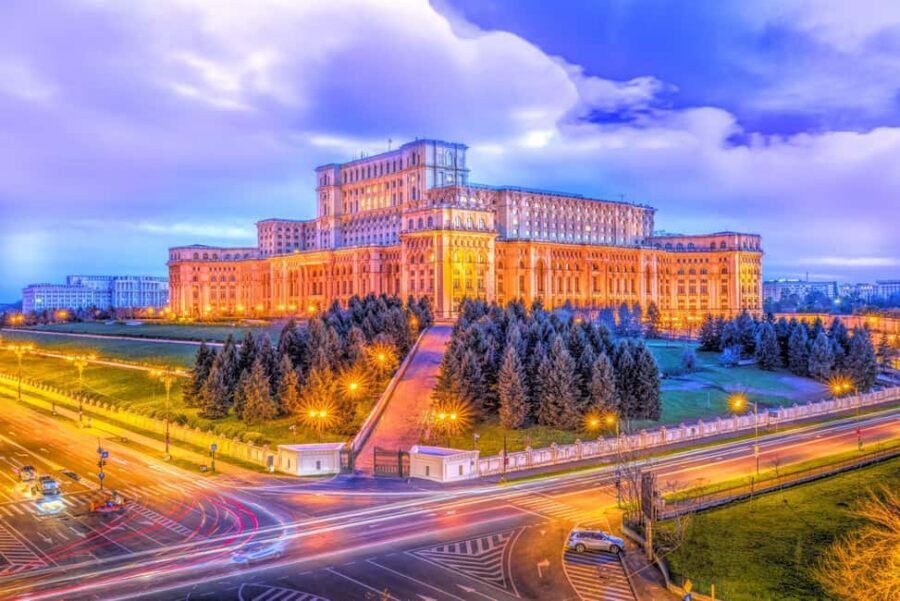
This tour works because it stitches together three sides of Romania—rural culture, communist power, and modern state theater—all in one compact day. You’re not doing random stops. You’re walking from what ordinary life looked like in the past, to what the dictatorship built for its leader, to what the country uses as a symbol of political weight.
The route is also practical for time-crunched travelers. In about six hours, you’ll see major sights that are spread out enough that doing it solo can become a schedule headache. The coach covers the hops between each location (short transfers with break time along the way).
The vibe is part educational, part visual overload—in a good way. One moment you’re looking at traditional rural architecture outside. The next you’re inside a mansion tied to power. Then comes the Palace of Parliament, which is the kind of building that forces you to slow down and look up.
You can also read our reviews of more museum experiences in Sinaia
Getting There: Central Pickup and Air-Conditioned Coach Comfort
You meet near University Square in central Bucharest, around Bulevardul Regina Elisabeta (the provided pickup point is in that area). Then you board a modern, air-conditioned coach for the transfers.
What I like about the transport setup is simple: you’re not spending your brainpower on logistics. Each transfer is short (there’s a 20-minute coach segment between stops), and you get built-in break time and photo stops. It’s the kind of pacing that helps you stay sharp for guided visits.
The group format is also worth noting. The tour can run as private or small groups, which usually makes it easier to hear your guide and ask practical questions. If you’re sensitive to crowds, this is often a better option than a very large bus day.
One more practical angle: you’ll be entering buildings where security checks matter. Having a planned group schedule means you’re less likely to lose time wandering around for tickets or entry rules.
Dimitrie Gusti Village Museum: Romania’s Rural Past, Walkable and Visual
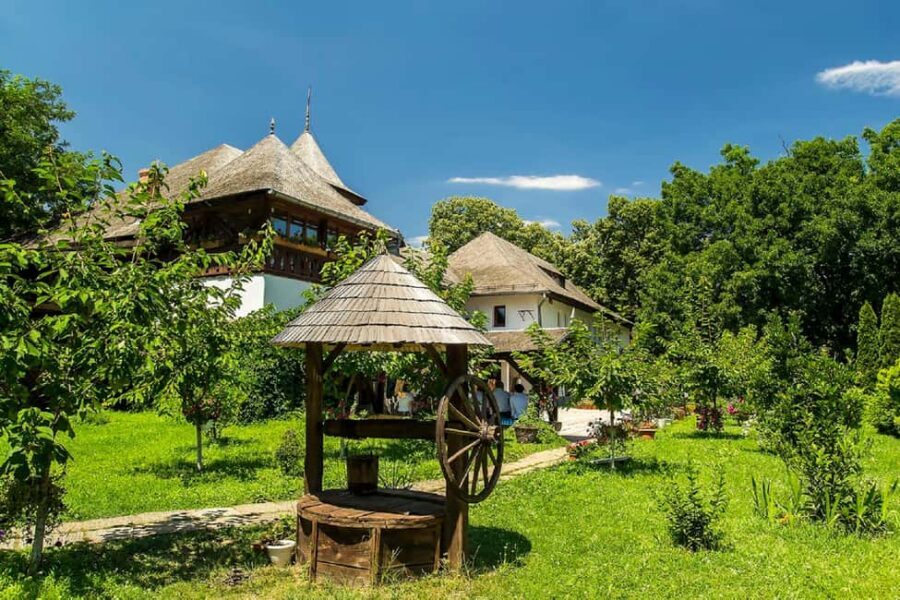
Your first major stop is the Dimitrie Gusti National Village Museum, an open-air collection of traditional houses, windmills, and churches brought together from different parts of Romania. This is where the day earns its cultural grounding.
Here’s why this stop is valuable: it gives you context. When you later see the Ceaușescu Mansion and the Parliament’s scale, you’ll understand that Romania’s story isn’t only about politics. It’s also about how people lived, worked, and worshipped long before modern state power took center stage.
You’ll have a guided tour, plus time to walk and take photos. The museum setup is built for roaming at a comfortable pace. So if you like architecture, textures, and everyday details (not just grand landmarks), this is a strong start.
A potential drawback: open-air museums mean you’ll feel the weather. Even in mild conditions, you may want a light layer because you’ll be outside for walking and photo time. If you don’t like standing around outdoors, plan to focus on the guided route first.
Ceaușescu Mansion: The Opulent Life Behind the Communist Leader
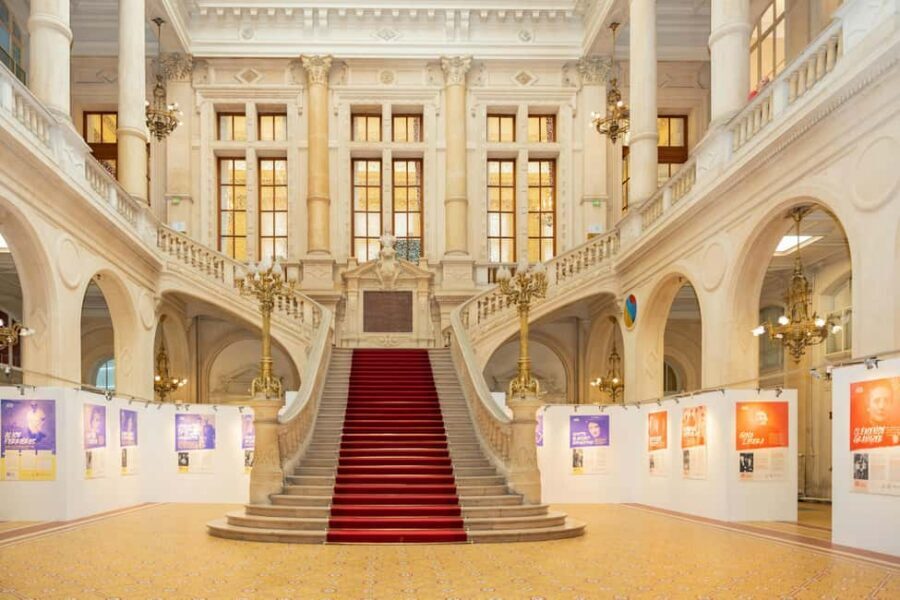
Next comes the House of Ceaușescu, the communist-era leader’s mansion. This isn’t a neutral “period home” display. It’s a place designed to show status, and the contrast between luxury and control is hard to ignore.
You’ll tour opulent rooms with personal artifacts and stories tied to Nicolae Ceaușescu’s life and rule. The guided portion matters here. Without context, a lavish interior can blur into a generic museum scene. With an expert guide, you’re more likely to connect the décor to the power structure it was meant to support.
One practical consideration: this stop has a catch on Mondays. The Ceaușescu Mansion is closed on Mondays, and the itinerary is adjusted accordingly. If you’re planning a trip where Mondays are in play, double-check your day’s schedule so you know what the replacement plan is.
As for timing, the tour includes break and photo time before and after the guided visit. That helps because this kind of mansion tour benefits from pauses—your brain needs a moment to process what you’re seeing.
Palace of Parliament: Marble Halls, Massive Scale, and ID Checks
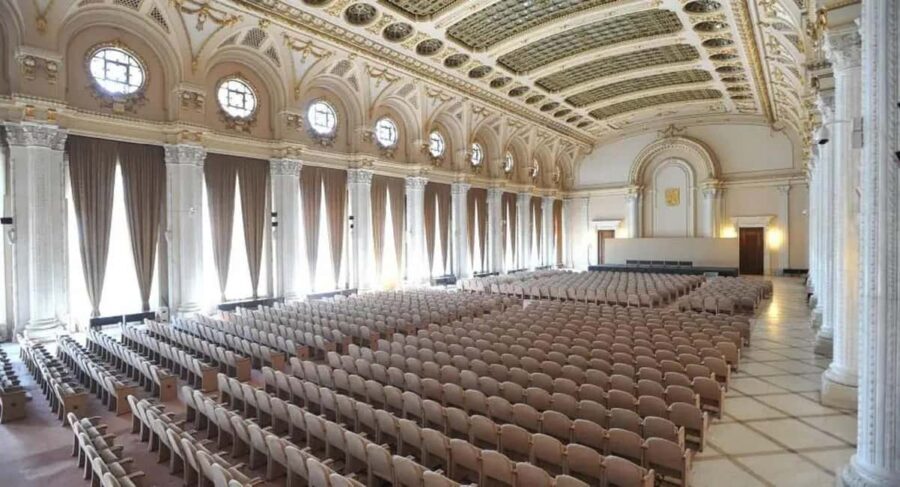
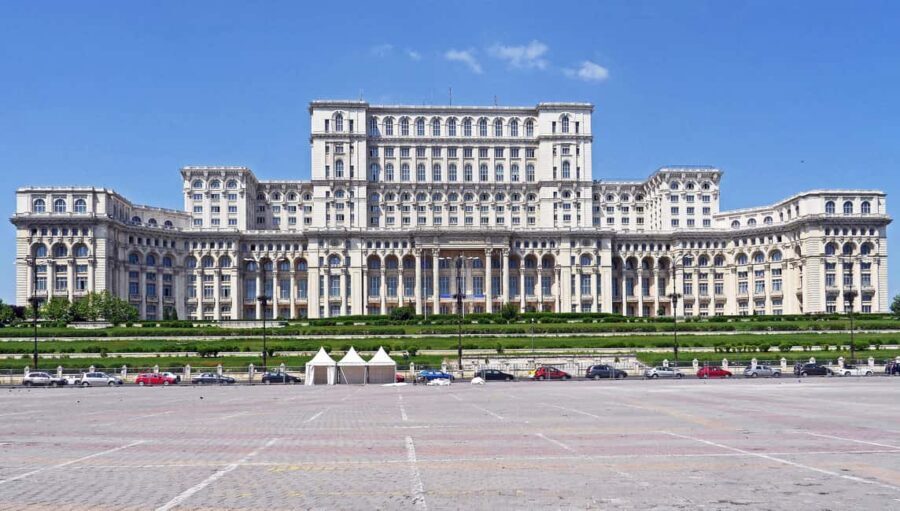
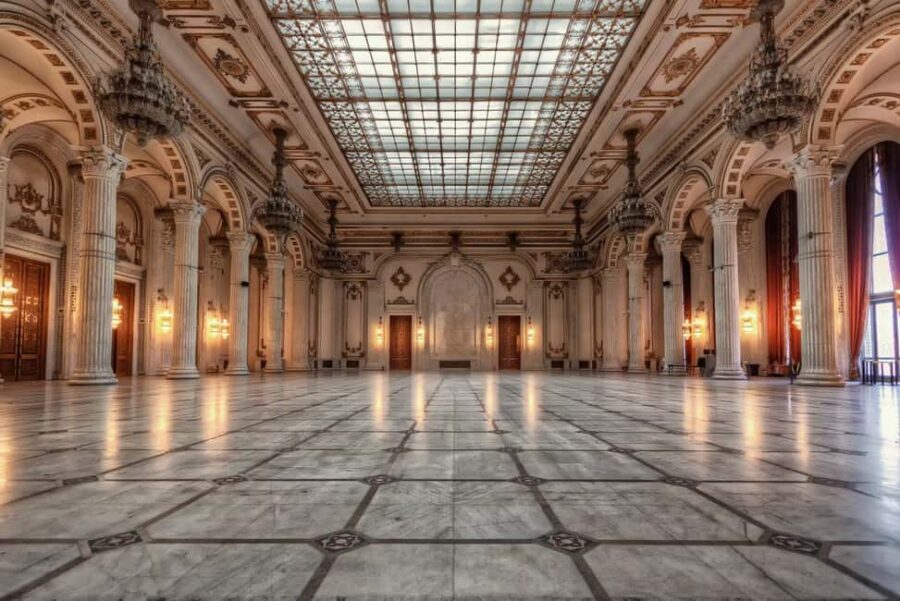
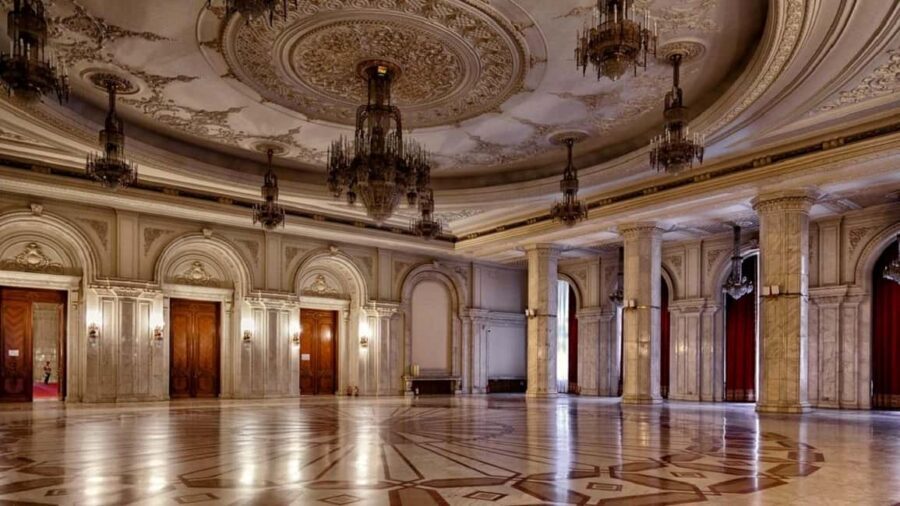
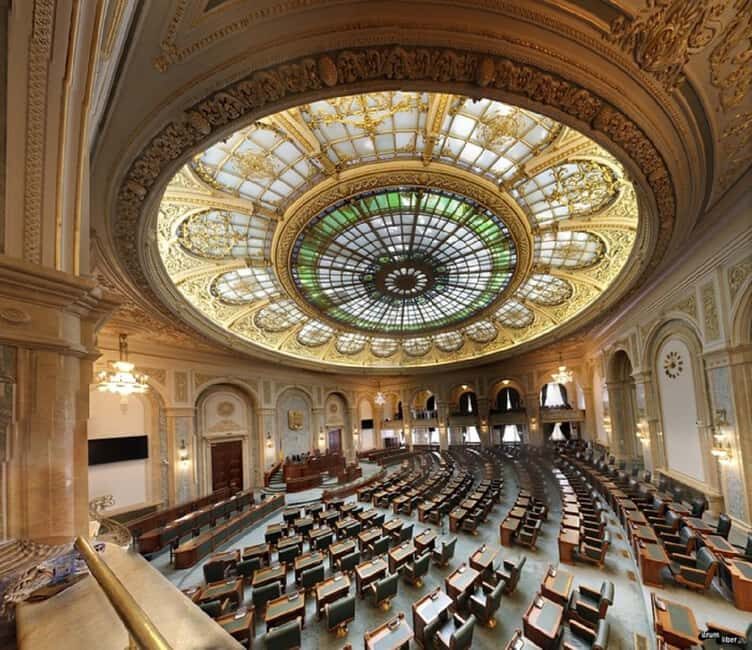
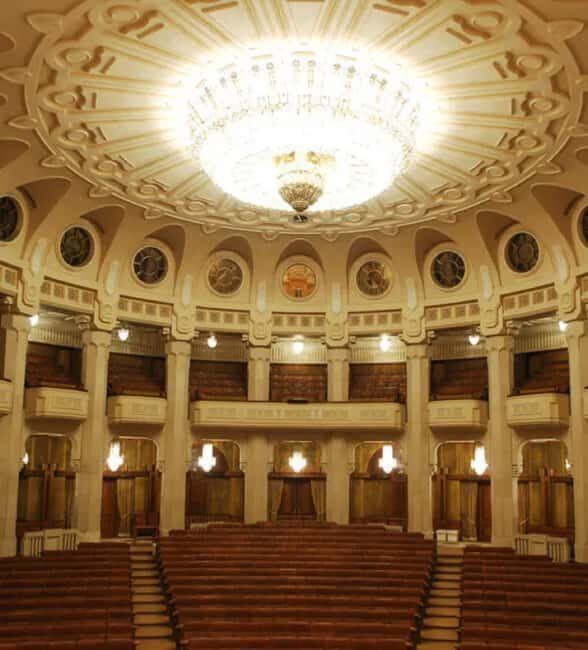
The day’s grand finale is the Palace of Parliament, the second-largest administrative building in the world. Even if you’ve only seen pictures, you’ll likely feel the scale in person once you’re inside those imposing marble halls.
This is also where the tour turns from history into an experience of architecture-as-politics. The chandeliers, grand rooms, and sheer size aren’t just decoration. They’re part of how power announces itself.
Here’s the rule you cannot skip: mandatory ID requirement. To enter the Palace of Parliament, you must present a valid photo ID—passport or national identity card. If you show up without it, security can deny access and tickets can’t be refunded in that case.
So pack your ID where you can reach it fast. Don’t treat this like a “bring it if you remember” stop. It’s the one museum visit where forgetting is genuinely a problem.
You’ll get a guided tour plus break and photo time. If you’re the type who likes to take in details slowly, aim to spend a little extra time during those guided moments. That’s when you’ll pick up the design cues and why specific spaces are built the way they are.
Price and Logistics: What the Coach Costs, and What You Still Pay
The listed price is $1.27 per person, which is unusually low on its face. The key to the value calculation is what’s included: you’re paying for professional guiding during your travel, air-conditioned coach transport, and the guided visits as part of the day. You’re also getting pickup and return transfer to the starting point.
What’s not included is the real variable: entrance tickets for the Village Museum, the Ceaușescu Mansion, and the Palace of Parliament. Plan to budget separately for those entry fees.
The practical win is that the experience is designed to reduce your hassle. After booking, the operator can assist you with purchasing tickets on the day of the tour so you can get skip-the-line access and avoid long queues.
In one of the guide experiences shared in the info I received, the guide handled ticket payments together as a group, and tickets were paid in cash on the day. That doesn’t mean it’s always the exact same method, but it’s a good reminder to be ready to follow the group process the guide sets for ticket collection.
If you’re traveling with only a little time flexibility, the day’s structure helps. You still have three major stops, and the coach keeps the day from ballooning into a half-day of commuting.
Guide Quality: Clear Explanations Make the Differences
This tour leans hard on the guide. That’s not a marketing line—it’s what makes the contrast between the three stops click.
The tour description lists live guide languages including English, Italian, Spanish, and Bulgarian. There’s also an optional audio guide with multiple language options like French, German, Russian, Swedish, Turkish, and others. If you’re choosing based on language comfort, you’ll want to confirm which live language is available for your specific departure.
On the guidance side, one name shows up in the info you provided: Gabriel. The feedback describes him as expert and very clear, with explanations that are easy to follow and interesting enough to keep you focused during the guided portions. If you’re the kind of traveler who likes to understand what you’re looking at, that’s the kind of guide you want.
Also, the pacing helps. You’re not only herded from door to door. You get guided tours inside each major site, plus time allocated for photo stops and breaks. That structure supports both people who want information and people who mainly want photos—without turning the whole day into one long sprint.
What to Bring (and What Security Will Care About)
You should bring a passport or ID card for entry. The Parliament stop especially depends on this, so don’t put the ID in a bag you won’t have access to quickly.
The tour also includes a clear restriction: no alcohol and drugs. Security and museum policies can be strict in these kinds of locations, so it’s best to keep things simple.
Weather matters more here than in a purely indoor tour. Since the Village Museum is open air, wear comfortable walking shoes and plan for some outdoor time. Even if you’re not walking far, you’ll still be moving between areas for guided tour stops.
There’s also a suitability note: it’s not suitable for people over 95 years. If that applies to your group, check with the operator for alternatives.
Should You Book This Tour or Skip It?
Book it if you want one day that links Romania’s culture and politics without spending hours planning. You’ll get coach comfort, live expert guiding, and three headline sights that are easier to manage as a packaged day than on your own.
Skip it if you dislike intense, stop-heavy schedules or if you want a longer, slower pace at just one location. This is a “cover the big story” day, not a “linger forever in one museum” day.
Also, consider your calendar. If you’re traveling on a Monday, the Ceaușescu Mansion is closed and the itinerary shifts. If Ceaușescu’s mansion is your must-see, choose another day if you can.
If you like architecture, photo opportunities, and guided context, this is a strong value use of your time in Bucharest—especially with the ticket-line help.
FAQ
How long is the Bucharest tour?
The duration is 6 hours.
Where is the meeting point?
You meet near University Square in central Bucharest, around Bulevardul Regina Elisabeta 3.
Are entrance tickets included in the price?
No. Entrance tickets to the Village Museum, Ceaușescu Mansion, and the Palace of Parliament are not included.
Does the tour include the Ceaușescu Mansion every day?
No. On Mondays, the Ceaușescu Mansion is closed, and the itinerary is adjusted accordingly.
What ID do I need for the Palace of Parliament?
You must present a valid photo ID, either your passport or your national identity card. Access can be denied without it.
Is food included?
Food and drinks are not included.
What languages are available for the guide?
The live guide is available in English, Italian, Spanish, and Bulgarian, and there is also an optional audio guide in many other languages.