REVIEW · SINAIA
From Braşov: Bran Castle Peles Pelisor Cantacuzino & Sinaia
Book on GetYourGuide →Operated by Fit2Fit Tours · Bookable on GetYourGuide
If you like castles with real stories, this trip fits. You start with Bran Castle and its Dracula-era legend, then move on to Peleș Castle and its royal-world interior details, all in one day. I also liked the way the route ties together legends, monarchy, and mountain views. One heads-up: entry tickets cost extra (about €15 to €20 per adult), and the walking is moderate on uneven surfaces.
This tour runs with a live English guide and a small group size (up to 8), so it stays organized without feeling like cattle herding. You also get practical extras like bottled water and umbrellas/ponchos, which matters when weather shifts in the Carpathians. The tradeoff is that some rooms or areas can be restricted due to renovation work, so you may not see every corner of every site.
In This Review
- Key highlights worth your attention
- The real value of a Brașov castles day trip
- Pickup, transport, and how the day stays smooth
- Bran Castle: the Dracula legend, plus the medieval fortress reality
- The drive toward Sinaia: mountain scenery and built-in breathing room
- Peleș Castle: where royal style becomes very specific
- Pelișor: the smaller castle stop that adds context
- Sinaia Monastery: a short pause that changes the mood
- Cantacuzino Castle: Neo-Romanian style with Bucegi mountain views
- Price and ticket reality: what €56 gets you
- The guide effect: why small group time matters
- What to bring, and how to move through these castles
- Who this tour suits best
- Should you book this Bran, Peleș, Pelișor and Cantacuzino tour from Brașov?
Key highlights worth your attention
- Bran Castle with Dracula legend context and a full 75 minutes on site to see more than the quick photo spots.
- Peleș Castle’s royal design, including its ornate rooms and the atmosphere of a former summer residence.
- Pelișor and Cantacuzino as bonus depth, so the day isn’t just one dramatic stop.
- Sinaia timing that mixes views and stops, including a short monastery visit and time in the Bucegi region.
- Skip-the-ticket-line access, plus support from the guide and team so you spend more time inside.
The real value of a Brașov castles day trip
This is a classic Transylvania-and-Carpathians route that works best if you want momentum without stress. You’re not piecing together separate buses or figuring out ticket timing between towns. You get a guided day that connects the dots between medieval fortress vibes, royal Romania, and the mountain resort of Sinaia.
I like that the itinerary is structured, but not packed to the point of chaos. Bran gets 75 minutes, Peleș gets 1.5 hours, and Cantacuzino gets a full hour, which is enough time to roam a bit and not just queue. The small group size (8 max) also makes it easier to ask questions and keep moving.
You can also read our reviews of more tours and experiences in Sinaia.

Pickup, transport, and how the day stays smooth
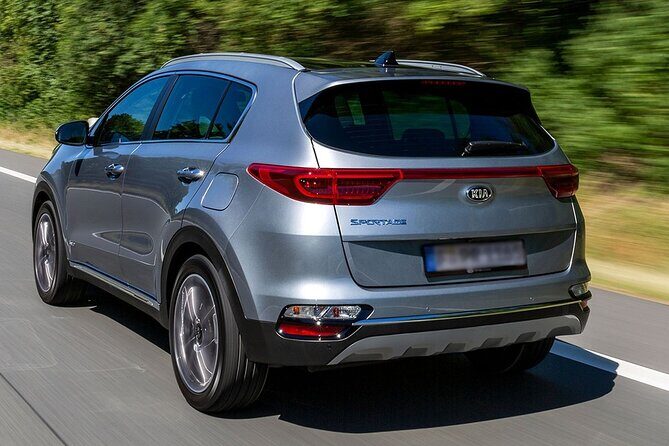
You’ll meet at Modarom and your tour includes hotel pickup and drop-off, so you don’t have to drag yourself to a random pickup point. Once you’re in the van, you get the practical comforts that matter on a day trip: bottled water and umbrellas/ponchos if the weather turns.
The drive legs are long enough to feel like a real outing, but short enough that you still get multiple stops that don’t blur together. In total, the tour spans a full day, with van time built in between castles and towns around the Bucegi Mountains and Transylvanian Alps.
A small but meaningful detail: you’re getting access to a fast line for ticket purchase. That matters most at popular sites like Bran, where waiting can eat into the limited hours you have.
Bran Castle: the Dracula legend, plus the medieval fortress reality
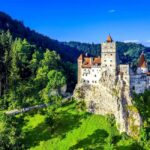
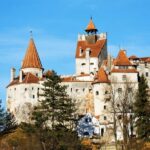
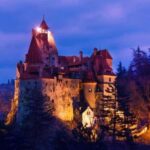
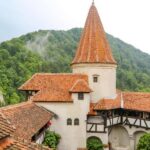
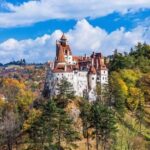
Bran Castle is the kind of place that looks cinematic the moment you see it on its rocky cliff. The fortress dates to 1382, tucked between Măgura and Dealul Cetății, and the views from the area give you that “high ground” feeling you can’t fake.
Inside, you’ll spend about 75 minutes, which is a solid block of time. You’ll be shown the halls and spaces tied to the castle’s famous Dracula-era legends. Even if you’re not chasing horror myths, Bran still works because it’s a medieval structure with a strong sense of function: walls, height, and defensibility shaped how people moved and lived here.
What I’d watch for at Bran is pacing. It’s easy to want only the big dramatic points, but the better use of your time is to slow down and notice how the castle layout supports the story the guide is telling.
The drive toward Sinaia: mountain scenery and built-in breathing room
Between stops, the van ride is part of the experience. You get about an hour of drive time moving toward Sinaia, then another short van segment before Peleș. This isn’t just transport; it’s the chance to reset and take in what makes central Romania feel different from city tourism.
If weather cooperates, you get those wide Carpathian views and a sense of elevation around the Bucegi region. If it doesn’t, you still have time to stay dry with the ponchos/umbrellas and keep the day moving.
On this route, towns like Bușteni and Predeal come into play on the way back, so you’re not only seeing castle scenery. You also get glimpses of everyday resort life in the mountains, which helps the day feel grounded instead of staged.
Peleș Castle: where royal style becomes very specific
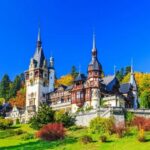
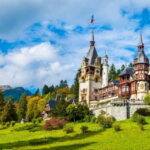
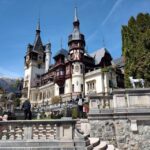
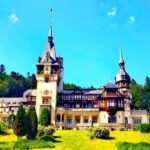
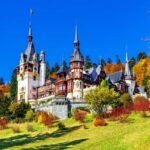
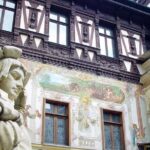
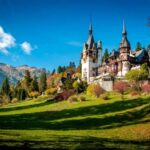
Peleș is the star for a reason. It’s often described as one of Europe’s most beautiful castles, and once you’re there, you can see why. It sits in Sinaia, a royal summer retreat, and the setting feels made for slow walking and careful looking.
You’ll have about 1.5 hours here, which is the difference between rushing through rooms and actually getting something from the visit. The castle’s fairy-tale architecture is real, but the more interesting part is the meaning behind it.
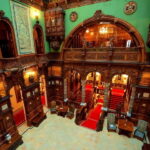
Peleș Castle was built between 1899 and 1902 for the future King Ferdinand I and Queen Maria, ordered by King Carol I. That timeframe and purpose matter. You’re not just looking at pretty rooms; you’re stepping into a residence designed for status, comfort, and representation during a specific moment in Romania’s royal story.
When you’re inside, I’d treat your time like this: pick a few rooms that catch your eye, take your time, then come back for the details you missed. With 1.5 hours, you can do both without guilt.
Pelișor: the smaller castle stop that adds context
Next up is Pelișor (Pelișor Castle), with around 30 minutes on the site. It’s easy to think of this as a quick add-on, but it works because it gives you a fuller picture of the royal presence in Sinaia.
Pelișor is tied to the same royal world around Peleș, built as a residence for the future King Ferdinand I and Queen Maria (1899–1902). That continuity helps. After Peleș, Pelișor feels like a different chapter rather than a random detour.
If you like architecture or how residences change for different roles, this short stop is a smart use of time. You may not see every detail like you could at Peleș, but you’ll come away with better context.
Sinaia Monastery: a short pause that changes the mood
You’ll stop at Sinaia Monastery for about 15 minutes. This is brief, but it’s a useful contrast to castle interiors and fortress drama.
A monastery stop gives you a sense of the area’s spiritual and cultural rhythm. It also gives your feet a chance to recharge between the larger walking blocks at Bran and Peleș.
With only 15 minutes, I’d keep expectations simple: take a few minutes to absorb the setting, then use the rest of the time for a short look and a couple of photos.
Cantacuzino Castle: Neo-Romanian style with Bucegi mountain views
Cantacuzino Castle is a great way to finish. It’s completed in 1911, designed by the architect Grigore Cerchez, and requested by Prince Gheorghe Grigore Cantacuzino. The style is often described as Neo-Romanian, and that label shows up in the overall feel: it feels both grand and distinctly Romanian, not just “European palace” generic.
You’ll have about 1 hour here. I like that this stop isn’t only about walking through rooms. It also has an art-gallery element and the kind of sweeping mountain views you remember after the photos fade.
The castle sits with views toward the Bucegi Mountains, and this is one of those moments where you can step outside and let your eyes catch up with everything your brain learned inside.
Price and ticket reality: what €56 gets you
At $56 per person for the day, the big value is the bundle: transport, hotel pickup/drop-off, and help at ticket time. You’re also getting bottled water and umbrellas/ponchos, which is small-budget friendly and actually useful.
The only major cost to plan for is entry fees. The tour notes that tickets are not included and run about €15 to €20 per adult. That might sound like an extra surprise, but it’s pretty normal for this kind of castle-heavy day in Romania.
Here’s how I’d judge the value:
- If you’d otherwise spend time coordinating buses, you’re paying for the smooth logistics.
- If you care about context while you walk, the English live guide is part of the value.
- If you’re aiming to see multiple major sites in one day without rushing, the time allocation helps justify the base price.
Also, the tour includes access to a fast line for ticket purchase. That’s one of those “you notice it only when it’s missing” benefits, and it tends to save real time at peak sites.
The guide effect: why small group time matters
The tour runs with a live English guide, and the vibe from recent experiences is that the guide makes the day feel personal. Guides named Mario, Alin, Nico, and Marco show up in past groups, and the consistent theme is clear explanations tied to what you’re seeing.
I like the way good guides handle the day flow. One guide approach that comes through is keeping everyone comfortable and making time work, even when conditions change (like weather or a site closing earlier). That flexibility is useful because castles are weather and operations sensitive.
Small groups also help you ask questions without waiting your turn. With up to 8 people, you’re not trapped in a one-way lecture.
My practical tip: ask your guide one question at each stop, not five at the first one. You’ll get better answers and you’ll stay present in the rooms instead of collecting trivia overload.
What to bring, and how to move through these castles
This day is totally doable if you plan for comfort. You’ll want comfortable shoes, and the tour warns about uneven surfaces. It also says it’s not recommended for wheelchair users, so mobility matters.
I’d also bring layers. The route moves from Brașov area up to Sinaia, and weather can shift fast in the mountains. You’ll get umbrellas/ponchos, but you’ll still feel the chill if you’re underdressed.
Food is the other thing people forget on day trips. One practical suggestion from past experience is to bring snacks. You don’t want to be stuck searching for something when your best window for photos is happening.
For photos, a simple strategy works: take one set of wide shots early at each major viewpoint, then come back once you’ve heard the story. You’ll start noticing details that add meaning to your pictures.
Who this tour suits best
This is a strong fit if:
- You want a one-day view of Transylvania’s most famous castle triangle.
- You care about royal history and how it shapes what you see at Peleș and Pelișor.
- You like mountain resort scenery around Sinaia and the Bucegi region.
- You prefer small-group pacing over long bus tours.
It might not be ideal if you:
- Have serious heart conditions (the tour notes it’s not recommended).
- Need wheelchair-friendly access (uneven surfaces and wheelchair users are not supported).
- Want a slow, sit-down museum style day with long breaks. This is a see-and-walk day.
Should you book this Bran, Peleș, Pelișor and Cantacuzino tour from Brașov?
If you’re deciding between doing it yourself or booking a guided day, I’d lean toward booking. The combination of sites is efficient, and the guide time plus skip-the-ticket-line access makes it feel like your hours are spent inside, not stuck at logistics.
Book it if your goal is a memorable overview: Bran’s Dracula-era legend, Peleș’ royal interiors, Pelișor’s context, and Cantacuzino’s Neo-Romanian elegance with mountain views.
Hold off or re-think if you don’t want to pay separate entry tickets, or if uneven walking surfaces are a deal-breaker. Also, if you’re traveling during renovation-heavy periods, expect that some areas may be restricted.
If you want one day that stitches together fortress drama and royal palace design in central Romania, this itinerary delivers.