REVIEW · SINAIA
Brașov: Bran, Râșnov, and Peleș Castles Tour with Guide
Book on GetYourGuide →Operated by Active Travel Day Tours · Bookable on GetYourGuide
Gothic towers and real electrical engineering in one day. This 9-hour loop from Brasov ties together Peleș Castle’s astonishing details with Bran’s hilltop legend, plus medieval Râșnov fortress views from up on the cliffs.
I especially love the small group feel (max 8) and the way the day runs like a plan, not a pile of random stops. I also like how the guide connects what you see to what’s behind it: from Neo-Renaissance design and early electricity at Peleș to the Vlad/Stoker threads around Bran.
One key consideration: Râșnov Fortress is closed, so you’ll focus on the exterior walls and court instead of going inside the fortress grounds.
In This Review
- Key things I’d plan around
- A tight 9-hour route that actually feels doable
- Peleș Castle in Sinaia: where style meets serious tech
- Bran Castle: Gothic legends on a hill, with the Vlad-to-Stoker thread
- Râșnov Fortress: when the big medieval stop is outside-only
- The lunch break: don’t skip the timing
- Guide energy and pacing: this is where the tour earns its stars
- Price and value: $80 is the easy part
- Who should book this tour (and who should skip it)
- Should you book this Bran, Râșnov, and Peleș day trip?
- FAQ
- How long is the tour?
- Where does the tour start in Brasov?
- What’s included in the price?
- Are the castle entrance fees included?
- Is Râșnov Fortress open?
- Can the guide accompany you inside Peleș and Bran?
- What group size should I expect?
Key things I’d plan around
- Peleș Castle’s engineering flex: electrical power, an electrical elevator, hot and cold water, central heating, and even a vacuum cleaner (yes, really).
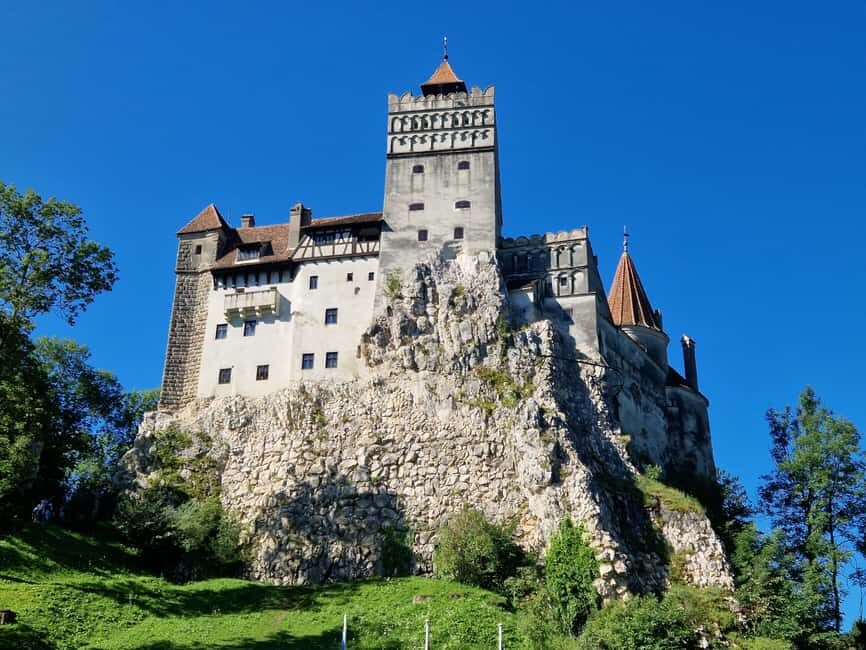
- Bran’s Gothic story links: you’ll hear how the setting relates to Bram Stoker’s Dracula ideas and Vlad the Impaler.
- Râșnov closure changes the deal: you still get the dramatic fortress character from outside.
- Guides often help you beat crowds: you may arrive when lines are shorter, and some guides even queue early to get you moving.
- You get structure without feeling rushed: guided time is built in for each stop, then you can linger when you want.
- English tour, air-conditioned ride: easy day travel without stressful logistics.
A tight 9-hour route that actually feels doable
This is a full-day tour designed to connect three of Transylvania’s big-name sights without you spending the day stuck in traffic. You start in Brasov at the George Barițiu County Library area around 8:00 AM, then the driving portion is paced so you’re not arriving at each castle in a food-coma haze.
The format is also practical: transportation is by air-conditioned car or minibus, and you’re with an English-speaking guide throughout. With a group size capped at 8, it’s the kind of day where you can ask questions without shouting over ten strangers.
One more detail that matters: pick-up and drop-off are only within Brasov (including guests outside the old town), and your pick-up time shifts based on where you’re staying. If you need a different drop-off location, there can be an extra fee—but the baseline setup is meant to be smooth.
You can also read our reviews of more guided tours in Sinaia
Peleș Castle in Sinaia: where style meets serious tech
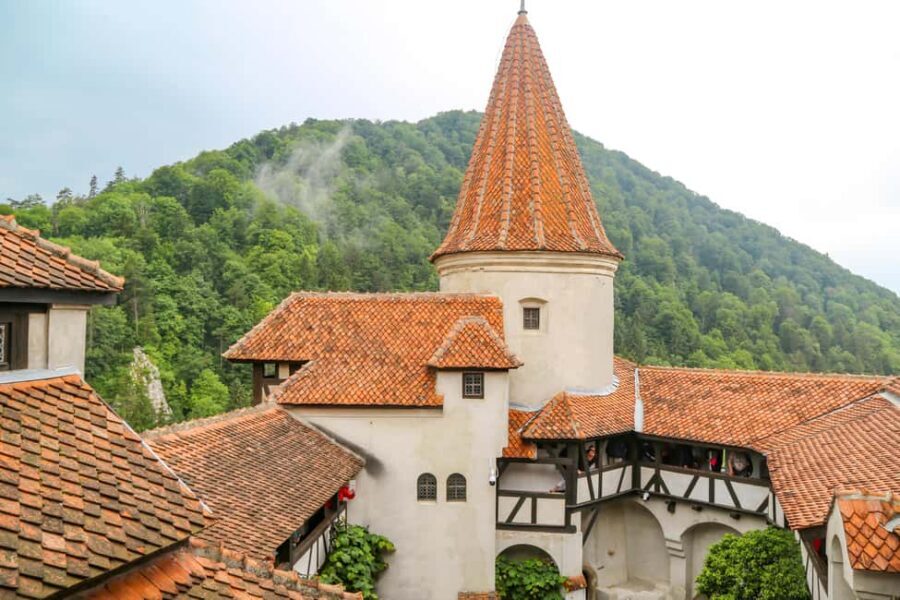
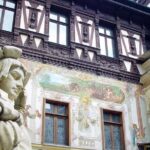
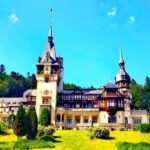
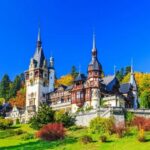
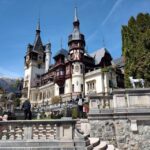
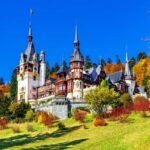
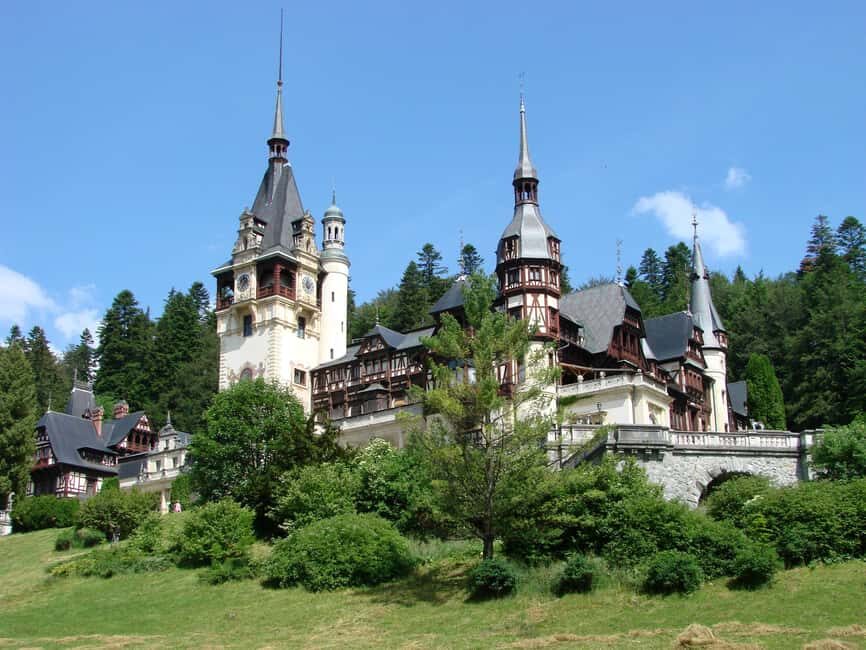
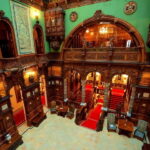
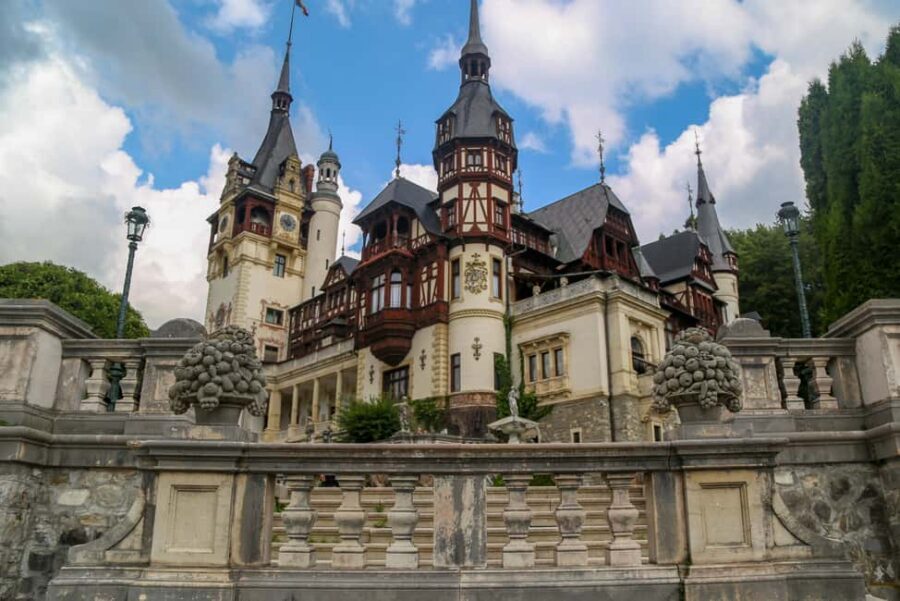
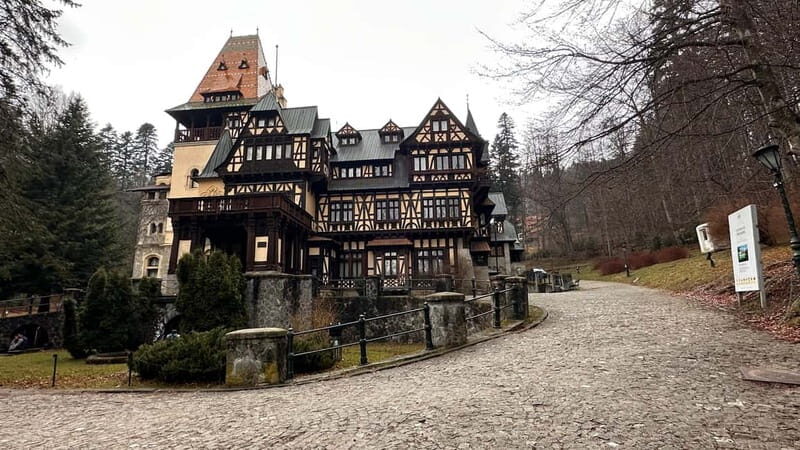
Your first real stop is Peleș Castle in Sinaia, and this is where the tour surprises people who expect only dramatic exteriors. Peleș is a Neo-Renaissance masterpiece, but the standout for me is how much attention you get to details—from the look of the rooms to the way the whole place was designed for comfort.
The guided visit is about 1.5 hours, which is long enough to see the key rooms without turning it into a speed-run. That said, note the current reality: Peleș tickets are sold only online at bilete.peles.ro for specific time slots, and the time you book matters because the castle has a max capacity per slot. Also, starting November 1st, the company managing ticketing requires guides to pay the entrance fee, and the result is that guides may no longer accompany guests inside. In practice, you should expect the guide’s interpretation to happen before and after your walk through inside halls.
What makes Peleș worth your attention even if you’ve seen photos is the mix of beauty and function. You’re not just looking at carvings and grand rooms—you’re being pointed to the fact that Peleș was among the first in Europe to have electrical power, with an electrical elevator, hot and cold running water, central heating, and even a vacuum cleaner. That combination is a big part of why the castle feels slightly more modern than its fairytale exterior.
Time your expectations: Peleș is famously popular, so arriving at the right slot helps you avoid wasting your visit time in a queue. If your schedule depends on tight timing, plan around the ticket window rather than assuming you can walk up.
Bran Castle: Gothic legends on a hill, with the Vlad-to-Stoker thread
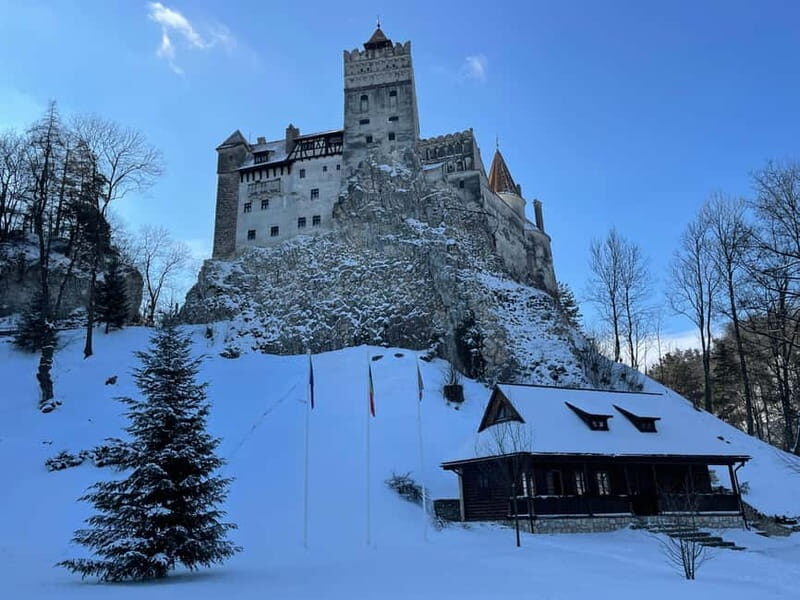
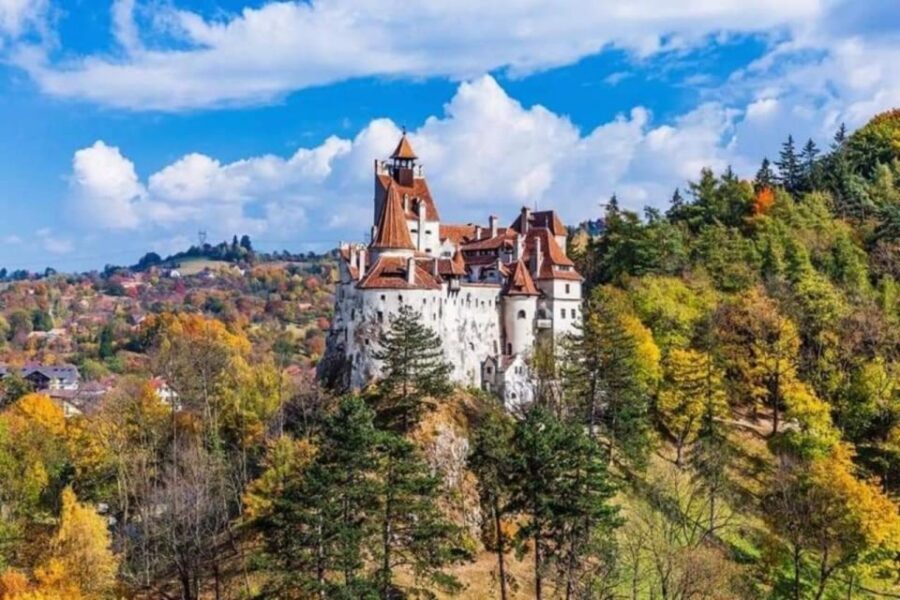
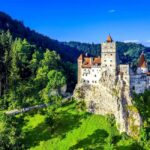
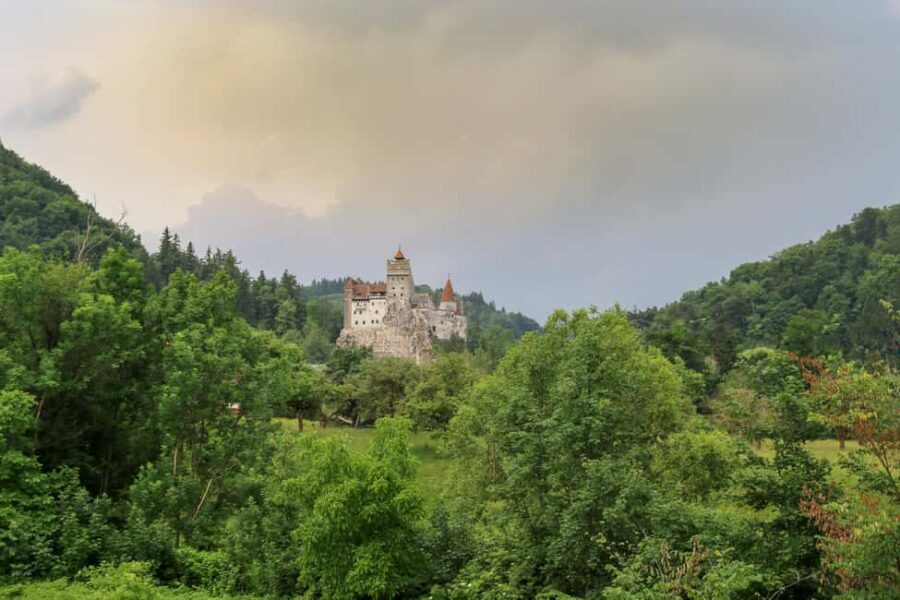
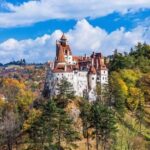
After Peleș, you head to Bran Castle, the one people instantly recognize from Dracula imagery. The setting is hilltop and dramatic, with Gothic turrets and that postcard feel that makes your brain start inventing bats in the windows. It’s easy to treat Bran like pure theater, but your guide gives you a useful reality check: what you’re seeing is tied to actual border defense, customs, and later royalty—then filtered through 19th-century imagination.
Your Bran stop includes about 1 hour with guide time for context. But here’s the policy shift to know: starting August 1st, 2025, guided tours inside Bran are conducted exclusively by Bran’s official guides or independently, without your tour guide accompanying you inside. Your tour guide can still provide introductions and explain connections before you enter, then you’ll experience the interior visit under the castle’s own system.
What I like about Bran is that the tour helps you separate three layers:
- Medieval function: Bran was originally associated with defense of the south-eastern border of Transylvania with Wallachia.
- Customs and trade: merchants paid taxes there before entering Transylvania, so the castle wasn’t just a scary viewpoint—it was part of the economy.
- Legend and literature: your guide connects Vlad the Impaler inspiration and Bram Stoker’s Dracula ideas to how this place became mythologized.
Bran is also strategically placed on rock (called Dietrich rock in the background you’ll hear), which explains the views and why this location made sense for controlling movement. Even if you’re not a “castle architecture” person, these points help the building feel purposeful rather than just spooky.
If you’re the type who loves a good story, Bran is fun. If you’re the type who needs historical grounding, Bran is still worth it because your guide fills in what the legend likely leaves out.
Râșnov Fortress: when the big medieval stop is outside-only
The tour’s third major sight is Râșnov Fortress, also associated with the idea of a peasant castle. This is the fortress you’re meant to understand as community protection: thick walls, defensive openings, and practical life inside during danger.
One challenge, though: Râșnov Fortress is closed right now, so you won’t get the full inside experience. Instead, you’ll visit the exterior walls and court. The guide can still point out what mattered here—how villagers used the fortress as shelter during invasions, and how the fortress concept included dwellings, shooting and pouring holes, and even a deep well to secure water.
Your guided time at Râșnov is short (around 30 minutes), which is exactly the right length when you’re focusing on exterior structure and views. You’ll get enough time to understand the defensive layout and take photos without the day turning into “stand and look for an hour.”
There’s also a change coming on specific grounds: from Aug 13, 2025, Garden & Báthory Tower require a ticket (10 lei/adult, 12+), card only, with free entry under 12. So depending on when you go, you might find parts of the site accessible even if the main fortress area is still closed. The safe expectation: bring your appetite for exterior walls and historical interpretation, not a full fortress circuit.
The lunch break: don’t skip the timing
Between the castles, you’ll have a lunch stop at a local restaurant. Lunch is not included in the tour price, but the break is built into the schedule so you can refuel without derailing the route.
What I like about this setup is that lunch is placed after Bran and before Râșnov. It helps you avoid the classic day-trip problem where everyone eats at random times and then you’re too hungry (or too full) for the next walk. You get a real pause, then you finish with the fortress exterior.
Practical tip: if you’re the sort who wants a quick bite and extra photos, eat efficiently when the group does. You’ll still have time to wander, but you won’t be left staring at your guide waiting for you to decide between two dessert options.

Guide energy and pacing: this is where the tour earns its stars
The best part of this tour isn’t just the castles. It’s how the day gets translated into something you can remember later.
Across the guides who have led this tour (I’ve seen names like Dan, Charlie, Tiberiu, and Simon), the common thread is clear communication and a willingness to answer questions. Some guides also help with timing—like getting ahead of larger groups by queueing early—so you spend more time looking at castles and less time standing in line. That’s a big deal at popular sights like Peleș.
You’ll also notice the pacing is flexible in a common-sense way. You’re given guided blocks, but the day isn’t so rigid that you feel punished for spending 10 extra minutes staring at a detail. One departure even included a short stop at Sinaia Monastery for a bit of extra context, which can be a nice change of pace if timing allows.
Language is English, and the group stays small. That combination tends to create a more human experience: you can ask why a room is decorated the way it is, or what a particular defensive feature was for, and the answer can be tailored instead of recited like a recording.
Price and value: $80 is the easy part
At $80 per person, the tour price is relatively straightforward for a 9-hour day with door-to-door transport in Brasov and a licensed English guide. Where the real math happens is in the entrance fees and how they interact with castle policies.
Entrance fees are not included, and they vary by site:
- Bran Castle: 90 lei to 200 lei
- Râșnov Fortress: 12 lei
- Peleș Castle: 100 lei
So the full day cost can rise depending on which ticket categories you choose and what’s accessible during your dates. But here’s the value angle: you’re paying for the guide to connect the dots—architecture, defensive purpose, and legend—so your time in each place feels productive rather than like you’re flipping through guidebook pages.
Also, because Peleș and Bran have changed how guides can participate inside, your interpretation time may shift to pre- and post-visit. That doesn’t automatically mean less value—it means you should expect more storytelling around the threshold and less “walk-through commentary” inside the rooms.
If you’re the type who hates waiting in lines, this tour’s structured timing can be worth it all by itself. When guides help you reduce idle time, the day feels like it has momentum.
Who should book this tour (and who should skip it)
This tour works best if you want a guided day that connects Peleș, Bran, and Râșnov in one loop without renting a car. It’s also a strong pick if you like mixing art-and-craft details (Peleș), Gothic legend (Bran), and medieval defense ideas (Râșnov).
On the other hand, it’s not suitable for wheelchair users, people with low level of fitness, babies under 1 year, or people over 95 years. If you have mobility limits, you’ll likely find the walking and outdoor terrain tougher than you want, especially at the fortress area.
Finally, if you’re going specifically for a full “fortress hike” inside Râșnov, pause. The fortress is closed for now, so your experience is more about the exterior and historical framing than completing a full interior circuit.
Should you book this Bran, Râșnov, and Peleș day trip?
I’d book it if you want a smart, guided way to see three of the most famous Transylvanian sights while keeping the day organized. I’m a fan of how the tour treats each stop as something more than a photo op: Peleș’s early electrical comforts are a real jaw-drop moment, Bran becomes more meaningful once you hear the defensive and customs logic, and Râșnov still delivers atmosphere even in exterior-only mode.
I wouldn’t book it if your priority is maximum interior access at every site. Râșnov’s closure and the newer rules about guide participation inside Peleș and Bran can change the feel of the experience. In that case, you might want a more flexible plan where you focus on one or two castles deeply instead of trying to do all three.
If you’re going for the full “best of” day and you like learning while you walk, this tour is a solid value—and with a small group and English guide, it stays fun instead of turning into a rushed checklist.
FAQ
How long is the tour?
It runs for about 9 hours.
Where does the tour start in Brasov?
The meeting point is in front of Biblioteca Județeană George Barițiu at Bulevardul Eroilor 33-35 at 8:00 AM from Wednesday to Sunday.
What’s included in the price?
The tour includes air-conditioned transportation by car or minibus and a licensed English-speaking tour guide.
Are the castle entrance fees included?
No. Museum and castle entrance fees are not included (Peleș, Bran, and Râșnov each have their own ticket costs).
Is Râșnov Fortress open?
Râșnov Fortress is currently closed, so you’ll visit the exterior walls and court.
Can the guide accompany you inside Peleș and Bran?
New castle policies affect this. For Peleș, guides may no longer accompany guests inside due to ticketing rules. For Bran, guided tours inside are conducted by Bran’s official guides or independently without the tour guide accompanying you.
What group size should I expect?
It’s a small group capped at 8 participants.