You get three eras of Transylvania history in one day. It’s a private route from Sibiu that threads Dacian mysteries, medieval power, and fortress-era politics into a smooth, chauffeured experience. The best part is how your guide keeps it from feeling like a checklist.
I love the front-door hotel pickup/drop-off. It saves you time and hassle, and you can start the day focused instead of figuring out transit. I also love the way the stops connect: Sarmizegetusa shows early origins, Hunyadi Castle brings the political muscle of medieval Transylvania, and Alba Iulia explains how later Romania was shaped.
One consideration: it’s a long, active day across multiple historical sites, so plan on comfortable shoes and a moderate pace. If you prefer slow travel at one place, this might feel packed.
In This Review
- Key things that make this day trip worth it
- Why this Dacian Fortresses and Alba Iulia route works from Sibiu
- Getting there: pickup, air-conditioned comfort, and a realistic day pace
- Stop 1: Sarmizegetusa Ulpia Traiana and the UNESCO Dacian fortress scene
- Stop 2: Hunyadi Castle—John of Hunyadi, Matthias Corvinus, and fortified architecture
- Stop 3: Alba Iulia Citadel—Roman town ruins to Vauban-style fortifications
- The guide factor: Ion Dima and why storytelling changes everything
- Price and value check: what $191 buys you on this private day
- Practical tips: how to prep for a full-day fortress marathon
- Who should book this tour, and who might skip it
- Should you book this Sibiu day trip?
- FAQ
- What time does the tour start?
- How long is the day trip?
- Is hotel pickup and drop-off included?
- Is this a private tour?
- Do I need to pay for food during the tour?
- What fitness level do I need?
- Can I cancel for a full refund?
Key things that make this day trip worth it
- Sarmizegetusa (UNESCO): a rare chance to see the Dacian fortress complex and the sacred area described in historical context
- Hunyadi Castle: 15th-century grandeur tied to John of Hunyadi and Matthias Corvinus, plus plenty of military design history
- Alba Iulia Citadel: Roman ruins, medieval defenses, and later Vauban-style fortifications in one walkable storyline
- A high-quality guide: the tour’s strength is the history talk—especially with Ion Dima, known for clear English and an upbeat style
- Private and flexible: only your group, with time for questions instead of being swept along
Why this Dacian Fortresses and Alba Iulia route works from Sibiu
Sibiu is a great base because you can do big history days without losing the whole trip to transit. This itinerary is built for that: you start in the morning, hit major sites in sequence, and return the same day.
What makes it work is the storyline. You don’t just jump from one famous building to the next. You move from Dacia’s world to medieval Transylvania power, then into Alba Iulia’s layered fortifications and cathedrals.
This is also a smart fit if you have limited time. If you want the highlights—without the stress of driving yourself—this kind of private day trip is the quickest path.
A few more Sibiu tours and experiences worth a look
Getting there: pickup, air-conditioned comfort, and a realistic day pace
The tour starts at 8:00 am, with hotel pickup and drop-off included. You travel by a private vehicle, described as an air-conditioned minivan, which matters in Romania when the day gets hot.
You’ll also have both a driver/guide and guide support included. That typically means fewer gaps between places—less waiting around, more time spent actually seeing.
A practical note: your day is structured around moving between sites. That’s great for coverage, but it means you’ll want to be ready for walking during each stop and switching from indoor cathedral time to outdoor fortress ruins.
Stop 1: Sarmizegetusa Ulpia Traiana and the UNESCO Dacian fortress scene
Your first big target is Sarmizegetusa Ulpia Traiana, described as the former capital of Dacia State. This is where the day becomes more than “pretty ruins.” It’s about origins and the clash between Dacian and Roman worlds.
The site you visit is a UNESCO Dacian fortress. You’ll get context on what came before the Roman conquest and why this place mattered. That explanation helps when you’re standing among stone remains that might otherwise feel confusing.
The highlight is the sacred area connected to historical accounts of human sacrifices. It’s one of those sections where you’ll want the guidance and pacing from your tour leader. Even if you’re not into ancient history, the emotional weight and historical framing make the stop memorable.
What to expect on the ground: you’ll be outdoors, looking at archaeological layout rather than restored walls. Bring patience for scanning ruins and understanding how the complex was organized. If you like history you can picture, this part delivers.
Potential drawback: archaeological sites can involve uneven surfaces. If you have mobility issues, ask your guide early how much walking the plan includes so you can judge comfortably.
Stop 2: Hunyadi Castle—John of Hunyadi, Matthias Corvinus, and fortified architecture
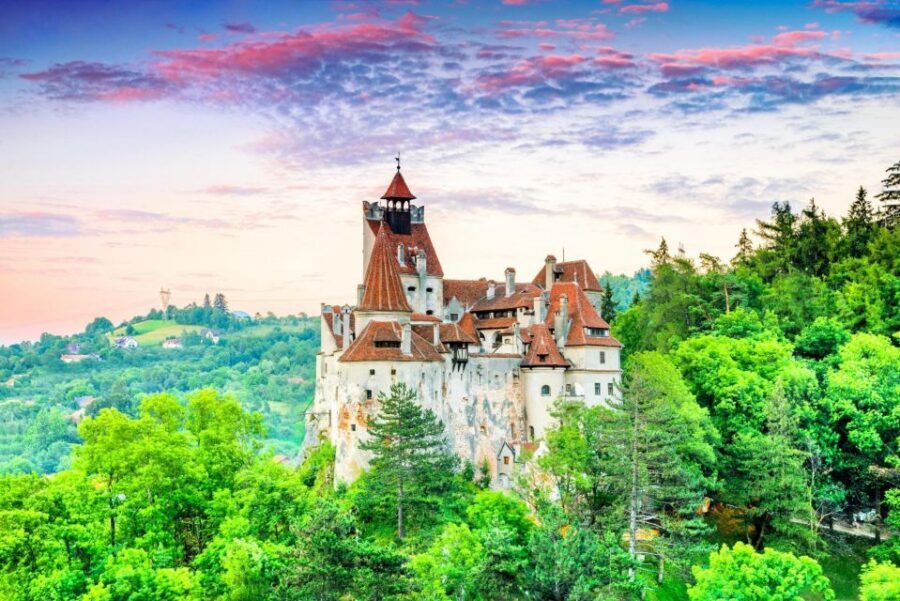
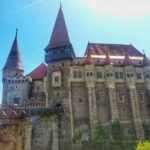
Next comes Hunyadi Castle, tied to one of the key names in medieval Transylvania: John of Hunyadi. The tour connects the site to Hunyadi’s family and notes that he left the castle to his son, Mathias Corvinus.
This is the kind of stop that makes medieval history feel personal. You’re not just learning dates; you’re seeing where political power and defense strategies would have played out.
A standout detail is the castle’s reputation as one of the more haunted places in the world. Even if you’re skeptical, the way your guide frames the legends alongside the real architecture can make it fun in a not-too-serious way.
Architecturally, the castle is described as integrating various styles due to military innovations. That’s important because it explains why the castle doesn’t look like one clean, uniform “style.” It looks like a site adapted for real threats, not a movie set.
What I think you’ll enjoy most here: the contrast between luxury and defense. The tour presents it as a residence for Hunyadi’s reign, but also a strategic point against attacks. When you hear that, you start noticing defensive features instead of just admiring the stones.
Best fit: if you like castles beyond postcard views—especially the logic behind fortification—this stop is a strong one.
Stop 3: Alba Iulia Citadel—Roman town ruins to Vauban-style fortifications
Then you shift to Alba Iulia, where the day broadens from medieval muscle to long-term strategy in fortress design. The city’s roots go back to Roman times, with origins in the 2nd century mentioned for the Roman era.
You’ll see the ruins of the Roman town, then move forward through the city’s medieval fortifications. That transition matters because it shows how ideas of defense evolve over time.
One of the more interesting layers is the mention of modern fortifications made in Vauban style. That detail tells you the story doesn’t stop at the Middle Ages. The defenses got updated as warfare changed, and Alba Iulia became part of a larger European defensive mindset.
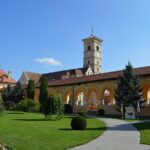
The tour also includes major religious landmarks. You’ll visit the Catholic Cathedral, noted as the oldest in Transylvania, and the Reunion Cathedral, which commemorates the Union of all Romanian provinces in a single country.
Why these cathedrals matter in a fortress day: they’re not random stops. In cities like Alba Iulia, religion, politics, and identity are tied together. Your guide’s explanation is what turns them from impressive buildings into part of the national story.
Practical reality: cathedral interiors are a good break from outdoor ruins. Even with a history-heavy route, you’ll get a bit of variety in your walking and footing.

The guide factor: Ion Dima and why storytelling changes everything
The biggest praised element from the tour experience is the guide quality. Ion Dima stands out in the information you were given as someone with strong English, a welcoming personality, and a clear way of explaining history.
That matters more than people expect. With ancient sites and castles, your brain needs a map: what you’re looking at, why it matters, and how it fits into Transylvania’s larger story. A good guide keeps you from feeling like you’re just reading stones.
Another helpful detail: your guide is described as friendly and funny, and also willing to offer tips for further experiences in Romania. That’s the kind of bonus that can improve the rest of your trip, especially if you’re only doing a few days in the region.
When you book, take advantage of that. Ask questions as you go, not only at the end. If you want context on Dacian-Roman conflict, medieval governance, or why Vauban-style design showed up here, this is where your time pays off.
Price and value check: what $191 buys you on this private day
At $191 per person, you’re paying for a private, chauffeured format that covers multiple major stops in one day. That price isn’t just “transport.” It includes hotel pickup/drop-off, vehicle service, and guide support.
Whether it feels like a bargain depends on your travel style. If you’re going alone or in a small group, private tours often cost more than public buses. But you’re also buying time efficiency and comfort: you’re not coordinating separate tickets, drivers, or timing between far-apart sites.
You’re also getting a day that targets several top draws: UNESCO Dacian fortress context, a major medieval castle, and Alba Iulia’s layered citadel with cathedrals. For many visitors, that lineup would take multiple days to do well on your own.
Food isn’t included—no food and drinks are listed as part of the package. That’s normal for this kind of tour, but it’s worth factoring into your budget. You’ll want to plan for lunch and any snacks so you don’t end up spending time hunting for something simple mid-day.
Bottom line: if your priority is a smooth, history-packed day without driving stress, the price-to-coverage ratio is usually solid.
Practical tips: how to prep for a full-day fortress marathon
This is listed for moderate physical fitness, which is the polite way of saying you should be ready to walk and stand for stretches. You’re touring outdoor archaeological ground and then moving through castle and citadel areas.
Wear shoes with grip. Stone sites and fortress steps can be uneven. Bring water, especially if you’re traveling in warmer months. Even with air-conditioned rides, time outdoors is time outdoors.
Since food isn’t included, decide in advance how you’ll handle lunch. If you like to eat well, you can use the guide for advice on what to look for in town. If you prefer light and quick, plan for a simple midday stop so you stay on schedule.
Also: use the time for questions. The tour is described as having room for in-depth history and plenty of time to ask. Don’t be shy. If you’re wondering about the Dacian sacred area details, medieval defense design, or why Alba Iulia’s fortifications look the way they do, this is your moment.
Who should book this tour, and who might skip it
Book it if you want big Transylvania history in one day with less hassle than self-driving. It’s ideal for first-time visitors using Sibiu as a base, and for anyone who likes guided context more than just wandering.
It’s also a good choice if you care about guide-led storytelling. The strong emphasis on Ion Dima’s English and engaging personality suggests this tour works particularly well when you want someone to explain what you’re seeing.
You might skip it if you hate packed itineraries or want food included and fully managed. Since food and drinks aren’t included, you’ll need to manage that part yourself. And if you prefer one or two sites with long stays, this route will feel like a sprint.
Should you book this Sibiu day trip?
If your goal is a high-value history day—Dacian UNESCO site, Hunyadi Castle, and Alba Iulia Citadel—this tour makes sense. The private format, hotel pickup, and guide-led explanations help you see more with less stress.
I’d book it if you want the highlights with strong interpretation, especially if you’re excited by how Transylvania’s story shifts from ancient origins to medieval defense and later fortification design.
If you’re unsure, compare your preferences: do you want coverage and guidance, or do you want slow, flexible wandering? This tour is built for coverage.
FAQ
What time does the tour start?
It starts at 8:00 am.
How long is the day trip?
The duration is listed as about 1 day.
Is hotel pickup and drop-off included?
Yes. Hotel pickup and drop-off are included.
Is this a private tour?
Yes. It’s described as private, and only your group will participate.
Do I need to pay for food during the tour?
Yes. Food and drinks aren’t included, so you’ll want to plan for your own meals.
What fitness level do I need?
The tour asks for moderate physical fitness.
Can I cancel for a full refund?
Yes. You can cancel up to 24 hours in advance for a full refund. If you cancel less than 24 hours before the start time, the amount paid won’t be refunded.