REVIEW · BUCHAREST
Bucharest: Communism, Revolution & City Highlights Tour
Book on GetYourGuide →Operated by Unveil Romania Travel Planner · Bookable on GetYourGuide
Bucharest history hits hard, fast. I like how this tour pairs Revolution Square drama with real architectural contrasts, so you see communism’s rise and fall instead of just hearing about it. I also love the chance to get your bearings in a walk that stays slow-paced and photo-friendly. One thing to consider: you’ll admire the big sights from the outside, since interior visits (like Parliament) aren’t included.
The pacing works well for a first visit. You’ll cover under 2 miles total, with short stops and breaks, and the guide can adjust the tempo for your group. If you’re expecting a museum-style tour where you go room to room, you might feel the lack of interior access—so plan to come for context and visuals.
And yes, Bucharest really is a city of contrasts—Belle Époque elegance right next to Soviet-style bluntness. That mix turns a simple walking route into a story you can read in stone.
In This Review
- Key points you should know before you go
- Bucharest Through Two Lenses: Old Town Elegance vs. Communist Design
- Revolution Square and the Landmarks That Still Set the Tone
- Victory Avenue and University Square: Where Power Meets Daily Life
- Old Town First, Then the Civic Center Coldness
- Inside the Ceaușescu Story: A Timeline Written in Buildings
- Palace of Parliament Exterior: The World’s Heaviest Building
- How the 4 Hours Actually Feel on Your Feet
- Price and Value: Is $90 Worth It?
- Who This Tour Fits Best (and Who Might Want a Different Plan)
- Should You Book This Communism, Revolution & City Highlights Tour?
- FAQ
- How long is the Bucharest Communism, Revolution & City Highlights Tour?
- Is it a walking tour, and how much walking is involved?
- Do you visit the Palace of Parliament inside?
- Is hotel pickup included?
- Where does the tour end?
- What languages are the tour guide speaking?
Key points you should know before you go
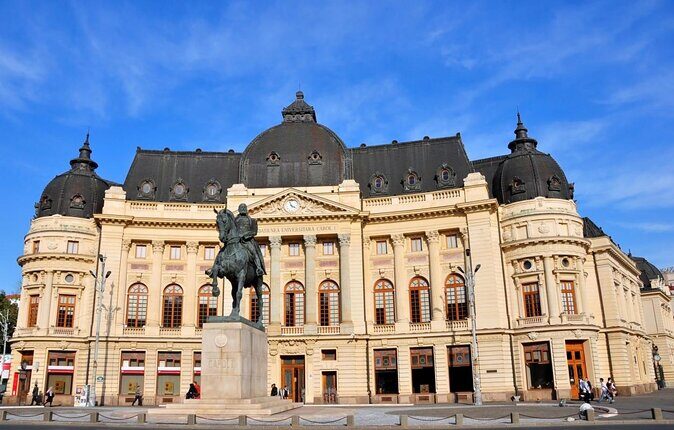
- Revolution Square, Ceaușescu’s final speech, and the moment Romania’s path changed
- Old Town’s restored charm before you step into the colder world of the Civic Center
- Clear contrasts: Belle Époque buildings beside stark communist-era design
- Victory Avenue and University Square stories about students, oppression, and surveillance
- Palace of Parliament exterior views plus the facts behind its scale
- A private, licensed guide (often Mihai) who can answer tough questions without rushing you
Bucharest Through Two Lenses: Old Town Elegance vs. Communist Design
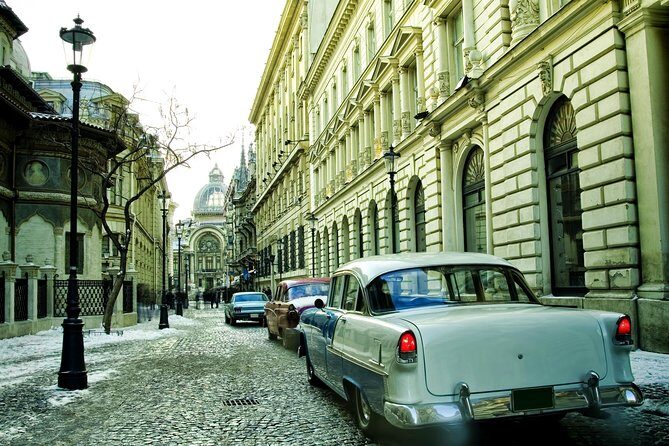
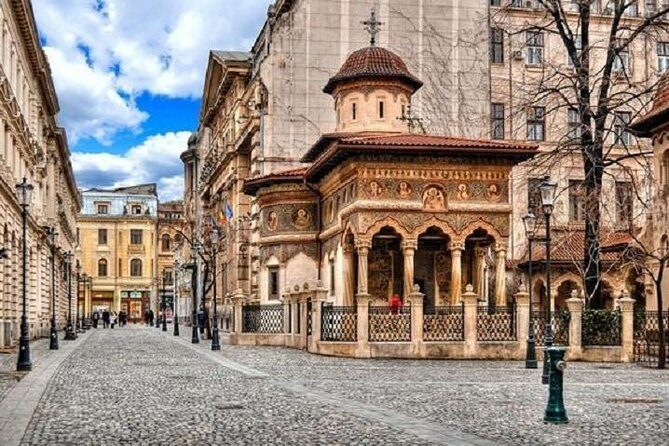
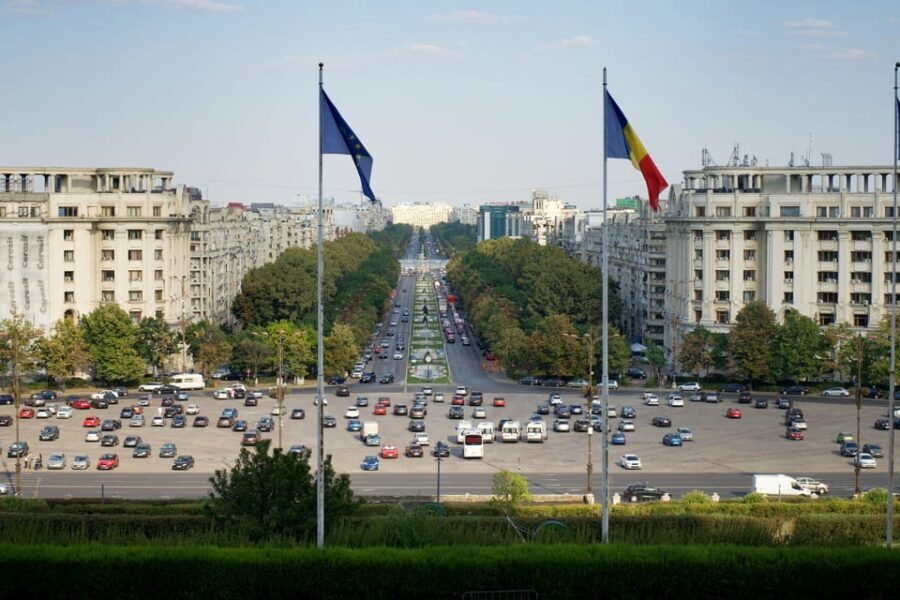
Bucharest can feel like two different cities drawn next to each other. In one direction, you get restored mansions, cobblestones, and the 19th-century ambition that once earned the nickname Little Paris. In the other direction, you run into grand, rigid state planning—wide boulevards and buildings designed to overwhelm.
That contrast isn’t just pretty or political. It explains behavior. Under communism, public space was shaped to control movement and reinforce power. Under the earlier era, architecture pushed style and status. When you walk between them, you start understanding how regimes use cities as tools.
This is why the route matters. Instead of hopping randomly between landmarks, you move through districts that show you the before-and-after in a way your eyes can actually track. You’ll also get photo stops along the way, so you’re not stuck listening the whole time.
You can also read our reviews of more city tours in Bucharest

Revolution Square and the Landmarks That Still Set the Tone
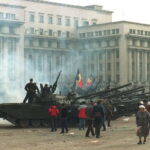
Your tour begins near Revolution Square, the place that marks the turning point of 1989. This is the kind of stop where the city’s meaning becomes personal. You’re standing where Nicolae Ceaușescu delivered his final speech—Romania’s last communist leader, and the man whose words became part of history’s rapid reversal.
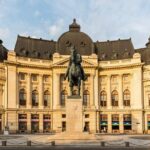
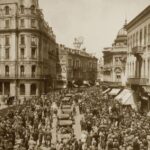
From there, you’ll also get a feel for Bucharest’s older grandeur. You’ll stop by the Romanian Athenaeum, a major symbol of the city’s past prestige, then the Royal Palace area for more of that Belle Époque style. There’s also the Memorial of Rebirth, which frames the revolution as both an end and a reset. Even if you’re not a big monument person, these stops work because they connect story to setting.
One practical note: most stops are quick photos and orientation moments. That’s a feature, not a flaw. You’ll see the key buildings and understand where to aim your own future time—like where to return for longer walks or a focused photo session.
Victory Avenue and University Square: Where Power Meets Daily Life

Next you head along Victory Avenue, once tied to aristocratic Bucharest. Today it’s lined with embassies and elegant palaces, but you’ll also spot communist-era structures mixed into the streetscape. Walking here gives you a real-world lesson: regimes don’t wipe a city clean. They repaint it, reuse it, and also build over it.
You’ll learn why that matters at University Square, where student uprisings and the Cold War atmosphere come into focus. This is where the tour leans into daily life under repression—constant surveillance, political pressure, and the ways normal people got squeezed. You’ll connect the political slogans to what they meant on the ground, not just in speeches.
This part is also a great place to ask questions. A licensed private guide like Mihai (the most commonly mentioned guide name in the supplied bookings) can explain the timeline clearly and keep it human. The best moments are when you stop seeing communism as one big label and start recognizing specific mechanisms: censorship, fear, punishment, and propaganda.
Old Town First, Then the Civic Center Coldness
Once you reach Old Town, you’ll get a brief break and a guided portion focused on the restored neighborhood charm. Think cobblestones, older facades, and an atmosphere that feels made for strolling. It’s also where you can breathe for a second after the more intense revolution and oppression stories.
Then the tour turns. You shift from the warm-looking streets into the mindset that created the former Communist Civic Center—Ceaușescu’s grand vision for Bucharest. The guide’s stories make the shift feel physical: the buildings and open spaces start to look less like architecture and more like a policy choice.
This is where you learn about the human cost behind the big, showy plans. The Civic Center vision displaced 40,000 residents and erased neighborhoods. That number isn’t just a fact to memorize. It explains why parts of the city feel socially scarred—because the space you’re walking through used to belong to real communities.
Old Town gives you contrast. The Civic Center gives you consequence.
Inside the Ceaușescu Story: A Timeline Written in Buildings
A big strength of this tour is how it walks you through the arc of Ceaușescu’s rule. You start with the idea of early reforms and defying the Soviet Union, then you move toward austerity and tighter control. You learn how the system leaned on propaganda and rationing—and how those pressures fed the anger that later fueled the 1989 revolution.
The guide also ties policy to lived experience. Food rationing isn’t abstract when you hear how it shaped routine. Propaganda isn’t just posters when you understand what it did to public trust. And human rights abuses aren’t just political terms; they’re part of why people finally pushed back.
This makes the tour valuable even if you’re not a hardcore history fan. You don’t have to love dates. You just have to pay attention to the patterns: control leads to resistance; resistance leads to change; change leaves scars you can still see in a city layout.
If you’re the type who likes to understand what you’re looking at, this tour gives you the vocabulary.

Palace of Parliament Exterior: The World’s Heaviest Building
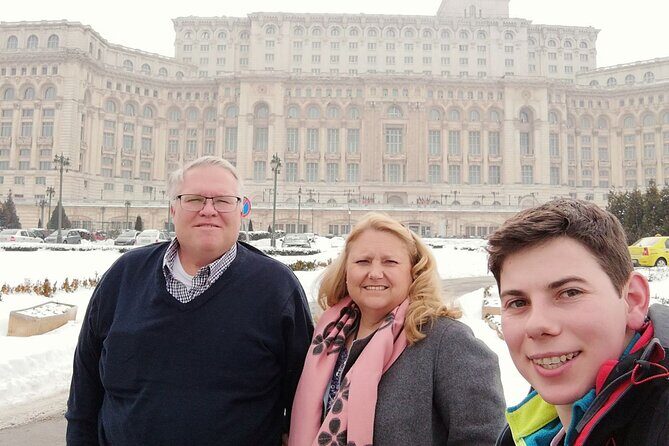
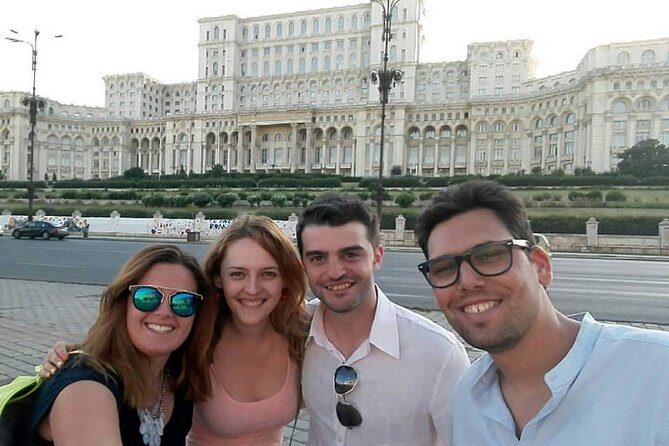
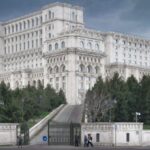
Then comes the stop that most people come for: the Palace of Parliament. You won’t go inside, but you will get an exterior viewing and photo time that lets you take in its sheer scale. It’s known as the world’s heaviest building, and standing near it (even from outside) helps you understand why the Civic Center idea was meant to dwarf everyone else.
You’ll also hear the political framing behind the structure—how it was designed to symbolize a socialist utopia. The problem is that symbolism doesn’t feed anyone. It also doesn’t replace homes. So the Palace becomes a physical reminder of priorities that ignored ordinary people.
In practical terms, plan to bring your best “wide-angle lens” mindset. This is architecture you experience with your whole body, not just your eyes. Also keep in mind this is a government building with limited visitor access and a reservation process mentioned as phone reservation one day prior, with availability restrictions and occasional closures for conferences. If you want interior access, ask your guide about assistance—but don’t assume it’s guaranteed.
And even without going in, the exterior stop is still worth it. It’s the kind of sight you’ll recognize later when you’re back on your own.
How the 4 Hours Actually Feel on Your Feet
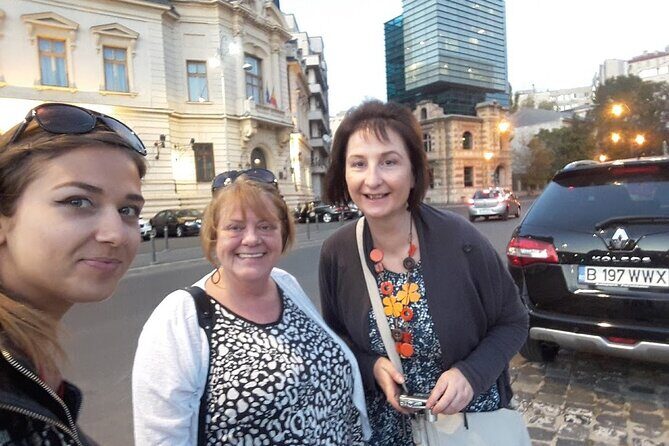
This is a walking tour, but it’s not punishing. The route is described as less than 2 miles (about 3 km) total, and it’s slow-paced with frequent stops for photos and breaks. You’re looking at 4 hours, but the time passes quickly because the guide keeps shifting between viewpoints and story beats.
Pickup is included, which is a big deal in Bucharest. Your guide meets you in the hotel lobby next to reception. If your accommodation doesn’t have a lobby, the guide waits downstairs in front of the building. That small detail saves energy and avoids the usual start-of-tour awkwardness.
The tour is also private, which matters for comfort and pacing. You can ask follow-ups, and the guide can adapt the walking speed to your needs. This is especially useful in winter or bad weather. In one past experience described in the booking notes, Mihai drove participants to the Parliament building before moving on by foot during heavy snowfall—an example of the practical thinking you’ll want in a city with sudden weather.
End point is in the city center near Old Town, which makes it easy to continue your day. You can immediately pivot to restaurants, museums, or another self-guided stroll without needing more logistics.
Price and Value: Is $90 Worth It?
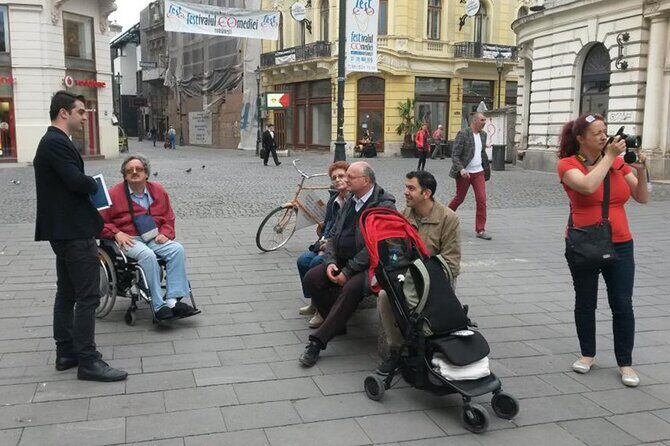
At $90 per person for a private 4-hour tour, the value depends on what you want from Bucharest. If you’re hoping to tick off photos quickly, a cheaper group tour might do the job. But if you want context—why the city looks the way it does—this price starts to make sense fast.
Here’s what you’re buying:
- A licensed English-speaking guide who can explain the communism-to-revolution-to-rebirth story clearly.
- Free hotel pickup, which often costs extra on other tours.
- Private format, meaning you’re not competing for the guide’s time and attention.
- A tight set of stops that cover the city’s most important contrast zones without wasting time.
You’re also saving time by not trying to plan and connect multiple “history stops” on your own, especially if you’re visiting for the first time. The tour doesn’t include meals, and it doesn’t include interiors. So budget for your own snack breaks during the tour and any optional add-ons after.
For the right traveler, $90 is less about price tag math and more about buying clarity. You leave with a mental map and a story that connects what you see in photos to what those buildings meant.
Who This Tour Fits Best (and Who Might Want a Different Plan)
I’d especially recommend this if you:
- want a first-pass orientation to Bucharest that explains what you’re looking at
- care about how politics shaped everyday life, not just famous dates
- enjoy walking tours with lots of photo stops
- like asking questions and getting straight answers from a guide
You might reconsider if you strongly prefer museum-style time inside buildings. This tour is built around streets, squares, and exteriors, with no visits inside public or government buildings such as the Parliament or museums.
It also helps if you can handle moderate walking. Even though it’s under 2 miles, it’s still on your feet for a few hours, with a slow pace rather than a lot of sitting.
Should You Book This Communism, Revolution & City Highlights Tour?
Book it if you want Bucharest to make sense fast. The strongest payoff is the way the tour turns architecture into explanation: Old Town charm paired with the former Communist Civic Center story, then the Palace of Parliament exterior to close the loop. You’ll get a clear view of why the city looks the way it does and why the revolution wasn’t just political theater.
Skip it only if your top priority is going inside major buildings or spending most of your time in museums. This tour is about understanding the city’s logic from the street level.
If you’re on the fence, do this simple check: if you’d enjoy learning how surveillance, rationing, propaganda, and human rights abuses shaped the road to 1989, you’ll be in the right place. If you just want casual sightseeing, you may prefer something lighter.
FAQ
How long is the Bucharest Communism, Revolution & City Highlights Tour?
It lasts 4 hours.
Is it a walking tour, and how much walking is involved?
Yes. It’s a moderate walking tour with less than 2 miles (about 3 km) total, slow-paced with several stops for photos and rest.
Do you visit the Palace of Parliament inside?
No. The tour includes a photo stop and exterior sightseeing of the Palace of Parliament, but it does not include entry. Interior access is not included.
Is hotel pickup included?
Yes. Free hotel pickup is included, and the guide meets you in the hotel lobby next to the reception desk (or downstairs if there is no lobby).
Where does the tour end?
It ends in the Old Town city center area, where many hotels, restaurants, museums, and shops are located.
What languages are the tour guide speaking?
The tour is available with a live English-speaking guide, and the guide can also speak Romanian.