REVIEW · BUCHAREST
Bucharest City Tour 4h – Small Group Tour by Car
Book on GetYourGuide →Operated by Nicolas Experience Tours SRL · Bookable on GetYourGuide
Bucharest gets personal fast when the streets explain the politics. I like the small-group setup (up to 5) and the way this tour pairs historic contrasts in a tight route, from Ceaușescu-era symbolism to the Romanian Orthodox church. One thing to weigh: the schedule is packed, so each stop is short—great for orientation, less ideal if you want a slow, museum-by-museum day.
The guides can make the difference, and the feedback here is consistently about friendly, question-friendly explanation. You’ll also be dealing with real-world timing: 4 hours means you’ll focus on the most important visuals, then move on, rain or shine.
In This Review
- Key tour takeaways
- First minutes matter: pickup, timing, and how the tour flows
- Palace of the Parliament: seeing communism’s scale in real life
- Patriarchal Cathedral: why the Orthodox church belongs in your history map
- Revolution Square and Ceaușescu’s escape: the story behind the drama
- Victory Avenue: when royal glamour and party power stand side by side
- Dimitrie Gusti National Village Museum: rural Romania made of earth, wood, and stone
- Calea Victoriei and the Bucharest orientation drive: a helpful afternoon reset
- Guides and what makes this tour feel worth it
- Price and value: what $185 buys in 4 hours
- Who should book this tour (and who may want to skip it)
- Should you book: my practical take
- FAQ
- How long is the Bucharest City Tour?
- How big is the group?
- Is hotel pickup and drop-off included?
- Which stops are part of the route?
- Are entrance fees included?
- Is food or drinks included?
- What languages is the guide available in?
- Does the tour run in bad weather?
- Is free cancellation available?
Key tour takeaways
- Up to 5 people keeps the vibe relaxed and questions possible
- Hotel pickup and drop-off saves you time and hassle in Bucharest
- Palace of the Parliament + Revolution Square gives the communist story real street context
- Victory Avenue shows contrasts at a glance (royal grandeur next to party-era power)
- Dimitrie Gusti National Village Museum spotlights everyday life, not just monuments
- Patriarchal Cathedral adds the Romanian Orthodox perspective to the historical mix
First minutes matter: pickup, timing, and how the tour flows
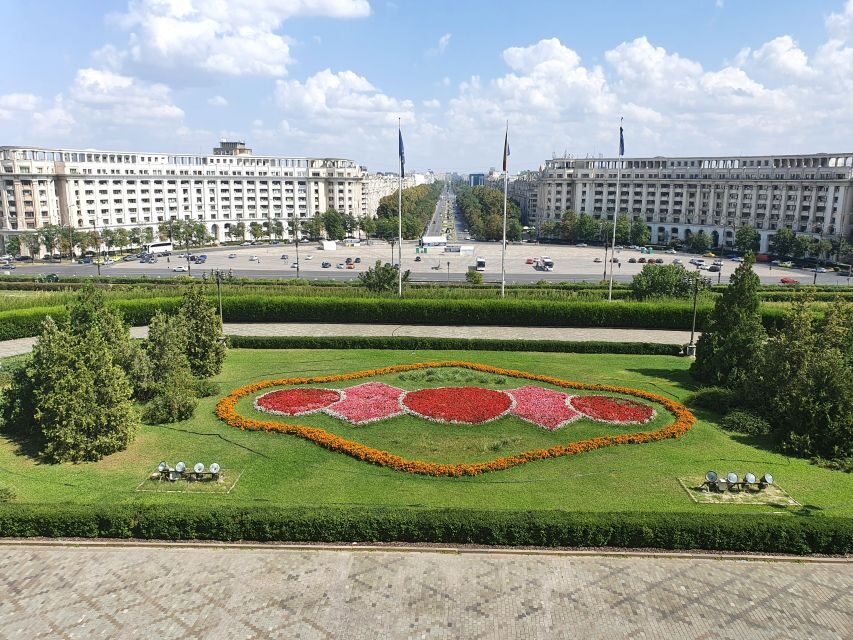
This tour is built around one big convenience: you’re collected from your accommodation and brought to the main sights by car for a 4-hour circuit. That matters in Bucharest because transfers can eat time. Here, you’re using that time to actually look at things, ask questions, and get a guided storyline instead of bouncing around solo.
The pacing is also designed to be beginner-friendly. You get a mix of guided stops (with time to listen) and short sightseeing segments (with time to look and take photos). It’s the kind of format that helps you get your bearings fast, especially if it’s your first day in town.
If you’re choosing between this and a slower walking tour, think of it like this: this is a concentrated city lesson in four acts. You’ll leave with a clear sense of where power sat, how regimes changed, and how tradition still shapes the city’s identity.
You can also read our reviews of more city tours in Bucharest

Palace of the Parliament: seeing communism’s scale in real life
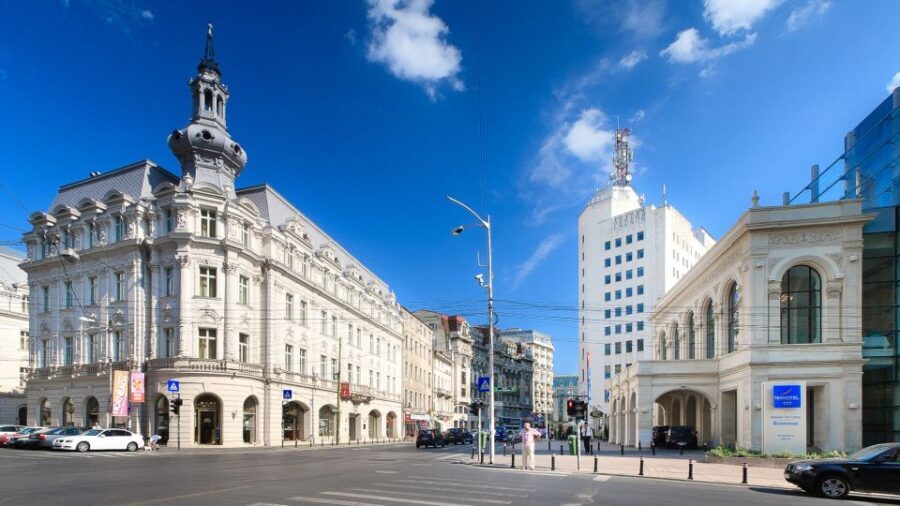
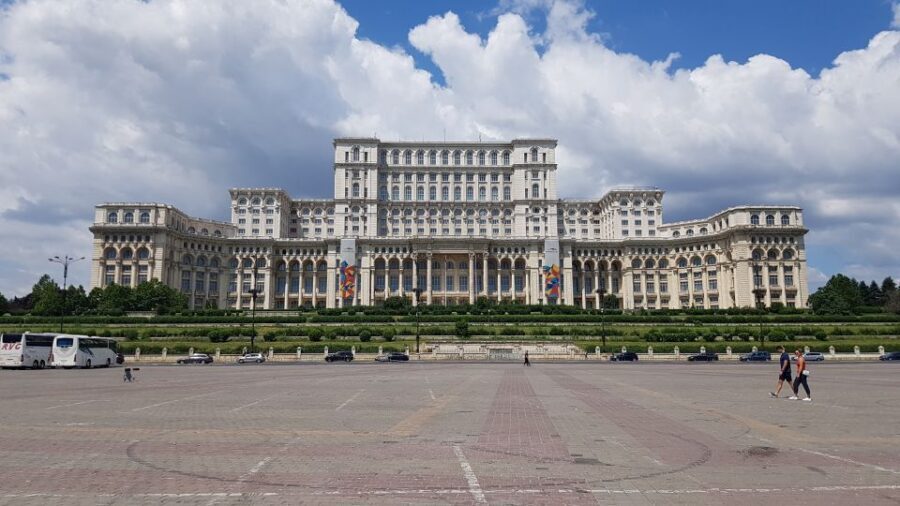
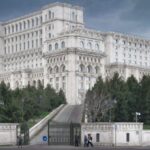
The tour starts with a stop at the Palace of the Parliament for about 30 minutes of sightseeing. This building is a centerpiece for anyone trying to understand Romania’s communist era. Even if you’re not a “history nerd,” the value here is visual: you’re seeing how government power expressed itself through architecture.
In a short visit, you’re not meant to master every detail—you’re meant to build the mental picture. Your guide ties what you see to the political atmosphere of the time, including the idea of opulence and administrative control. The best part is that this stop isn’t treated as a random landmark. It becomes a reference point you’ll carry to later scenes like Revolution Square and Victory Avenue.
Practical note: because your time there is limited, decide early what matters to you most—photos from the exterior, quick orientation, or focused listening from the guide. Pick one priority and let the rest be “good to see,” not “must linger.”
Patriarchal Cathedral: why the Orthodox church belongs in your history map
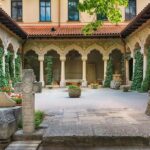
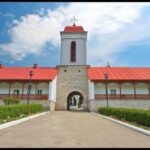
Next comes the Patriarchal Church (Cathedral) stop, also about 30 minutes, with a guided look. The tour frames this as more than a pretty building. It’s a chance to understand the Romanian Orthodox church in a historical context, and it’s tied to Romania’s cultural continuity beyond the communist chapter.
This is one of the most useful pivots in the itinerary. After the Palace of the Parliament’s heavy political symbolism, the cathedral adds a different kind of Romanian identity—faith, tradition, and long continuity. And since it’s described as a 17th-century site, it naturally shifts your mental timeline.
If you’re someone who likes your travel with at least a little depth of meaning, you’ll appreciate this stop. It gives you a fuller picture of how Bucharest isn’t only about regimes and squares—it’s also about belief systems that predate them.
Revolution Square and Ceaușescu’s escape: the story behind the drama
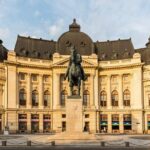
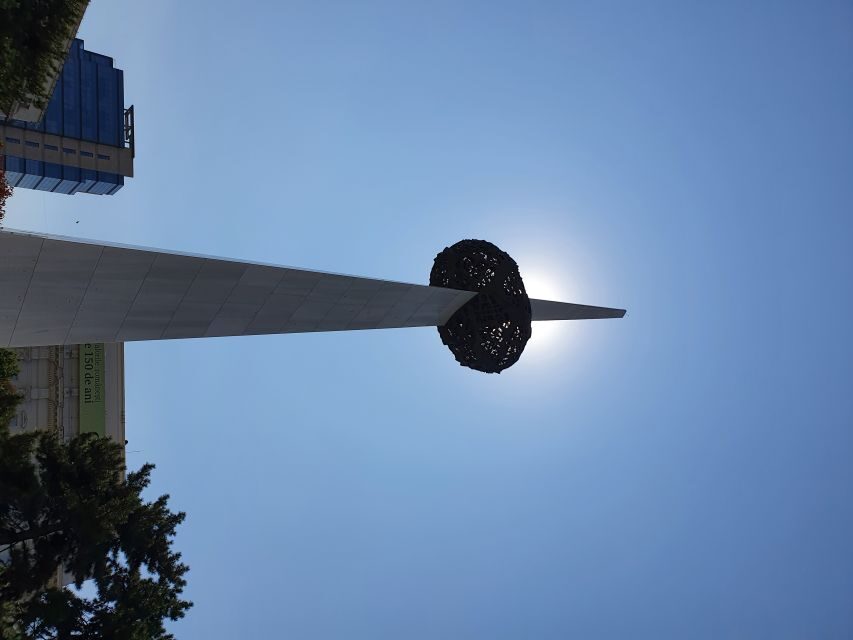
Revolution Square is where the tour turns from architecture to action. You get about 30 minutes of guided touring focused on the ousting of leader Nicolae Ceaușescu, and the guide connects the square to the moment he fled by helicopter.
This is a powerful pairing with the previous stop. The Palace of the Parliament sets up the theme of centralized power. Revolution Square shows the other side: the breakdown and the escape. Even with limited time, the guided framing helps you avoid treating the square like a photo spot only.
You’ll likely get some perspective on what Ceaușescu’s era left behind—both the fortune and the controversy, as the tour description puts it. The value here is not just knowing what happened, but understanding why people still talk about it. That’s the difference between reading about history and seeing how a city keeps it visible.
Victory Avenue: when royal glamour and party power stand side by side
Then you move to Victory Avenue (paired with a broader look along Calea Victoriei in the afternoon). The tour positions this stretch as a visual lesson in contradictions—specifically, how you can spot the grand Royal Palace alongside the old Central Committee of the Romanian Communist Party.
That contrast is the whole point. You’re not just looking at impressive facades; you’re seeing how one street can hold multiple eras and multiple versions of authority. It’s the kind of detail that sinks in fast because it’s visible at street level.
This is also where the small-group size really helps. You can pause for a question without holding up the whole day. And if you enjoy photography, this part is usually easier to “work the angle” since the scenery is so clearly layered.


Dimitrie Gusti National Village Museum: rural Romania made of earth, wood, and stone
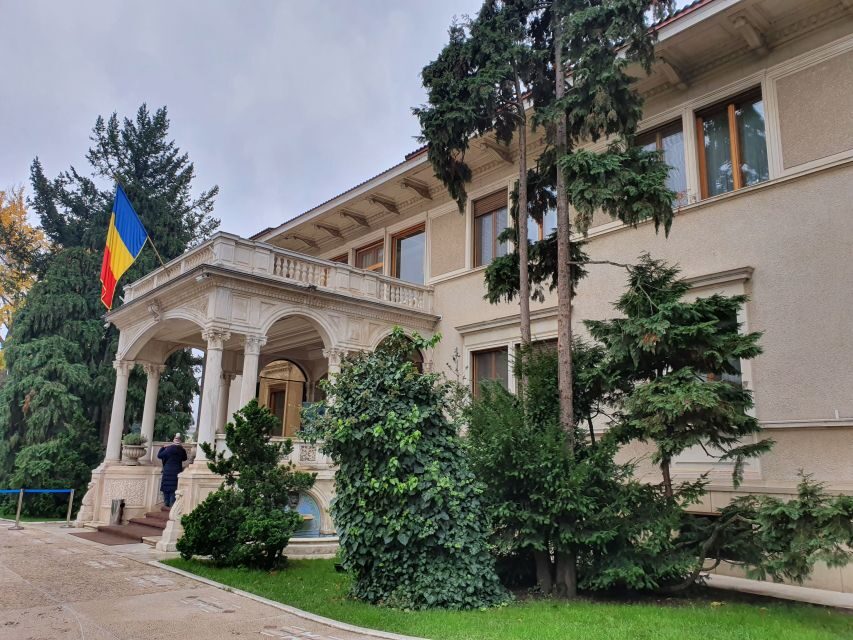
One of the biggest strengths of this tour is that it doesn’t only cover big-name politics. You get an hour at the Dimitrie Gusti National Village Museum (about 1 hour of sightseeing).
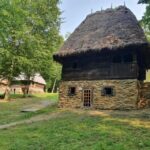
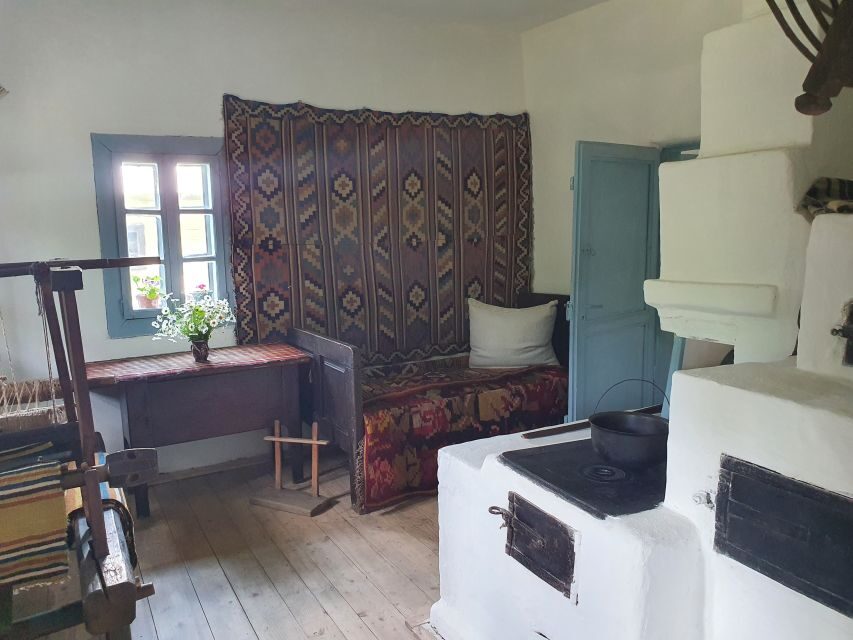
The museum is described as an open-air ethnographic museum, and it’s set up as a walk through traditional village life. You have the chance to see an old wooded church and traditional houses made from earth, wood, and stone. That material detail is important. It helps you feel how everyday Romanian life was shaped by local building resources, not just by historic leaders.
There’s also a ticket moment to plan for: you can purchase tickets to see the open-air exhibits, and the tour includes a skip the ticket line benefit. So while entrance fees aren’t included, the time cost of buying tickets is reduced.
If you’re the type who wants one stop that feels like you’re meeting Romania beyond the capital, this is it. The museum helps balance the heavy themes of communism and revolution with something calmer and more human-scale.
Calea Victoriei and the Bucharest orientation drive: a helpful afternoon reset
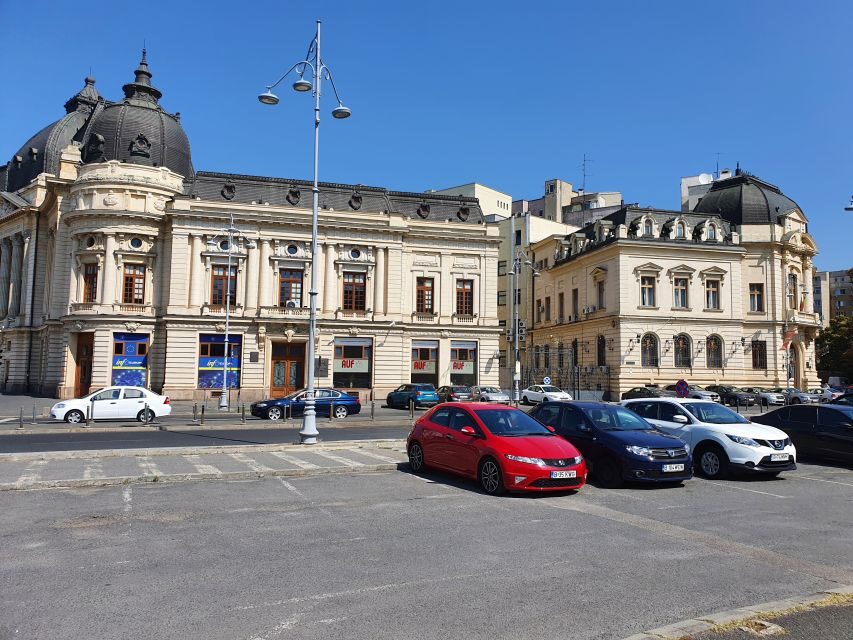
After the museum, the tour continues with sightseeing along Calea Victoriei for about 45 minutes, followed by another 45 minutes of general Bucharest sightseeing before returning you to your hotel.
These segments are often underrated because they don’t feel like “one big headline attraction.” But in a compact city tour, this is where you get to connect the dots. You’ll likely get guidance on how to read the city—where to look for government power symbols, how the city layout supports the historical narrative, and where the story continues beyond the main stops.
If this is your first time in Bucharest, this two-part sightseeing block can be a lifesaver. It helps you figure out what you want to return to later with more time—whether that’s the cathedral area, a museum revisit, or another chance to linger around the big political landmarks.
Guides and what makes this tour feel worth it
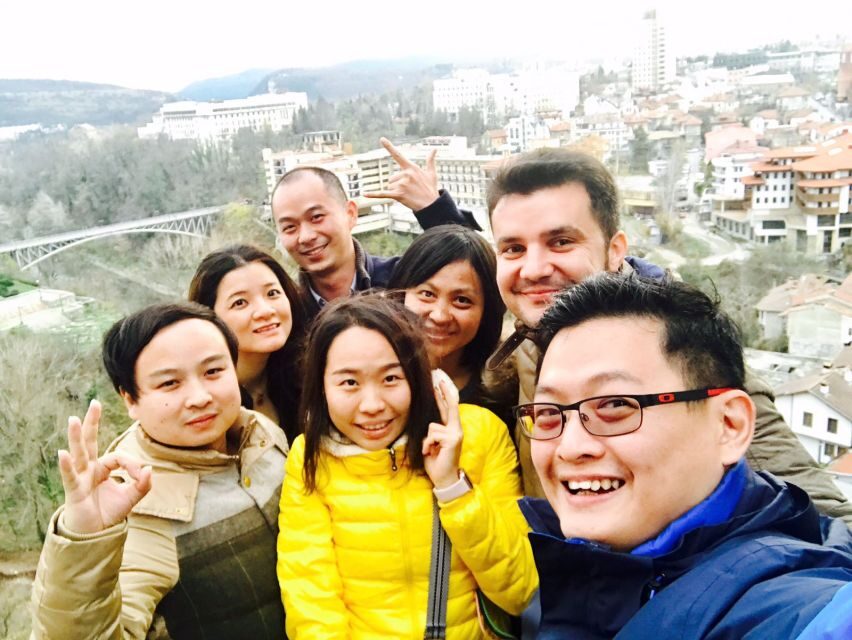
The guides are a consistent standout. Names that have been praised include Dan, Nico/Nicolas, Alex, Nicu, and other English-speaking Romanian/Italian/English guides. Across the feedback, the common thread is clear: they explain things in a way that’s easy to follow and they’re patient with questions.
That’s not a small detail. Bucharest’s history can feel complicated if you only know headlines. A good guide helps you turn that into a storyline: power, ideology, cultural continuity, then everyday life. In a tour that lasts only 4 hours, clarity matters.
So if you like your travel with direct answers—why a place matters, what you’re seeing, what to pay attention to—this kind of guiding is exactly what you want.
Price and value: what $185 buys in 4 hours
At $185 per person for a 4-hour small-group tour, you’re paying for three things: (1) the guided explanation, (2) the car transport with hotel pickup and drop-off, and (3) the concentration of major Bucharest themes in one outing.
Is it a budget deal? Not really. But it can be good value if you’re trying to avoid decision fatigue. Instead of figuring out routes, ticket logistics, and which sights connect to each other, the tour hands you a structured path: Parliament, Orthodox faith, Revolution Square, Victory Avenue contrasts, then the Village Museum.
Also, the small group limit (up to 5 participants) helps justify the price compared with larger bus tours where you’re just herded between stops. You’re paying to experience the city with more attention per person, and the stops themselves are the kind where context matters.
One more cost reality check: entrance fees and food/drinks aren’t included. The museum is the big ticket item in the itinerary, and you’ll have to purchase entry there. If you go in knowing that, you won’t feel surprised.
Who should book this tour (and who may want to skip it)
This tour is a great fit if you:
- want a first-day orientation to Bucharest’s history and layout
- like political history paired with cultural context (not just one theme)
- prefer a calm small-group experience with an English-speaking guide
- don’t want to fight transfers and logistics on your own
You might want to look elsewhere if you:
- want a deep, slow museum day with long time per site
- dislike tours that touch heavy political topics (the Ceaușescu and communist focus is a core part of the story)
- expect food to be provided (it isn’t)
Should you book: my practical take
If your goal is to understand Bucharest in one efficient visit—especially the way communist power, revolution, and Romanian tradition all show up in the city—this is a strong choice. The hour at the Village Museum, the guided stops at Revolution Square and the Patriarchal Cathedral, and the visual contrast of Victory Avenue create a complete storyline without wasting your day.
My main caution is time. This is not a “linger everywhere” tour. It’s a “hit the key scenes and build the map in your head” tour. If that matches how you like to travel, you’ll probably feel like you got your money’s worth.
FAQ
How long is the Bucharest City Tour?
The tour lasts 4 hours.
How big is the group?
It’s a small group limited to 5 participants.
Is hotel pickup and drop-off included?
Yes. Pickup and drop-off are included, and you should be waiting in your hotel lobby about 10 minutes before the scheduled pickup time.
Which stops are part of the route?
The tour includes the Palace of the Parliament, the Patriarchal Cathedral, Revolution Square, Dimitrie Gusti National Village Museum, Calea Victoriei, and additional Bucharest sightseeing.
Are entrance fees included?
No. Entrance fees are not included. You can purchase tickets for the open-air ethnographic museum at the Dimitrie Gusti National Village Museum, and the tour includes skip-the-ticket-line help.
Is food or drinks included?
No. Food and drinks are not included.
What languages is the guide available in?
The live tour guide is available in Romanian, Italian, and English.
Does the tour run in bad weather?
Yes. It runs rain or shine.
Is free cancellation available?
Yes. You can cancel up to 24 hours in advance for a full refund.