REVIEW · BUCHAREST
10-Day Private Tour of Romania with Pick Up
Book on Viator →Operated by Romania Private Guide · Bookable on Viator
Romania hits hard when you see it in one loop. This private 10-day route strings together big-ticket history, fairytale churches, and castle-country views with the ease of a dedicated driver. I like that it’s private from door-to-door, and I also like how the guide keeps the story moving from place to place, not just from photo-stop to photo-stop.
Two things I’d pick as standouts: the flexibility to adjust your daily plan after it starts, and the steady presence of a licensed English-speaking guide/driver (Nicolas) who’s there throughout. One thing to think about up front is cost creep: the price covers driving and the guide’s logistics, but entrance fees for you are not included on most stops.
In This Review
- Key highlights you’ll feel on the ground
- Price and Logistics: What you’re really paying for
- Starting in Bucharest: From communist monuments to cozy old streets
- Palace of Parliament: big, blunt, and hard to ignore
- Village Museum: Romanian tradition, told through everyday life
- Romanian Athenaeum: the culture symbol on Calea Victoriei
- Revolution Square and the start of December 1989
- Old Town: Hanul lui Manuc and a walkable mix of old Bucharest
- Courtyard Churches and the cliff fort: Argeș and Poienari’s Vlad story
- Curtea de Argeș Monastery and ruins of royal power
- Poienari Castle: high cliff, famous escape
- Transfagarasan Highway: the road that steals the scene
- Sibiu’s Piata Mare: Transylvania’s old-town rhythm
- Hunedoara’s castles and Dacian strongholds: where Romania flexes its deep roots
- Corvin Castle (Castelul Corvinilor): Gothic-Renaissance scale
- Densuș Church: oldest stone church energy
- Sarmizegetusa Regia: Dacian capital on a high mountain
- Transylvania off the beaten track: salt mines and wooden church craft
- Salina Turda: a salt mine that feels like an indoor world
- Gradina Botanica Alexandru Borza and Cluj’s old center
- Surdesti Wooden Church: 54m towers built in 1721
- Maramureș: folk art fun plus a hard lesson on communism
- Merry Cemetery: colorful crosses and funny poems
- Memorial museum for victims of communism and resistance
- Bukovina monasteries: Voroneț blue and fortified church survival
- Barsana Monastery: tall wooden church and a courtyard reset
- Tihuța Pass and the Dracula connection
- Ciocănești: painted houses by the river
- Voroneț: the Sistine Chapel of the East
- Humor, Sucevita, Moldovița: fortified survival and painted walls
- Moldovița to Bicaz Gorges: eggs, sculptures, and a mountain cut through stone
- Lucia Condrea’s egg museum: 5,500 artistic pieces
- Popa Museum: art as resistance
- Bicaz Gorges: the walk you remember after photos fade
- Medieval towns and Saxon fortifications: Sighișoara and Biertan
- Sighișoara Clock Tower and the medieval citadel feel
- Biertan Fortified Church: UNESCO walls and bastions
- Brasov and Dracula Castle Country: Black Church, Bran, and Peles
- Brasov Old Town and the Black Church
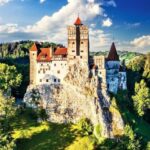
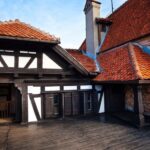
- Bran Castle: Dracula folklore plus market-time snacks
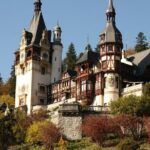
- Peles Castle: royal summer residence vibes
- Should you book this private Romania tour?
- FAQ
- What does the tour include?
- Are pickup and drop-off included?
- How long is the tour?
- Is this a private tour?
- Are entrance fees included?
- What language is the tour offered in?
- Can I cancel and get a refund?
Key highlights you’ll feel on the ground
- Pick-up included so you’re not starting the trip stressed about transfers
- Private car just for your group, with comfortable Wi‑Fi onboard
- A strong mix of Cold War history, castles, and UNESCO-style monastery art
- Scenic drives timed for seasonality, including the Transfagarasan route (best June–October)
- Stops that include small surprises, like the egg museum in Moldovița and the Merry Cemetery
- Clear pacing between major sights, since you’re not juggling multiple public options
Price and Logistics: What you’re really paying for
At about $3,918.13 per person for a 10-day private tour, this isn’t a “cheap and cheerful” trip. You’re paying for time savings and stress reduction: a private vehicle, an English-speaking guide/driver (Nicolas), and the whole machine that keeps you moving.
Here’s the practical breakdown: the tour includes a private car/minibus only for your group, all car expenses (fuel, parking, road tolls), and wireless internet in the vehicle. It also includes accommodation, meals, and entrance fees for the guide. What it does not include: your accommodation, meals, and the entrance fees as per the itinerary.
So the best way to judge value is to look at the total day costs. If you’d rather pay once for transportation + expert guidance (instead of piecing it together yourself), the price can make sense. If you’re trying to keep every euro tight, the entrance fees will be the part you feel most.
You can also read our reviews of more private tours in Bucharest

Starting in Bucharest: From communist monuments to cozy old streets
Bucharest is a city of contrasts, and this tour uses that contrast on purpose.
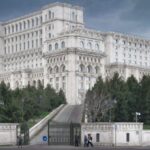
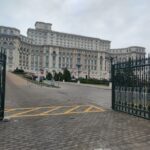
Palace of Parliament: big, blunt, and hard to ignore
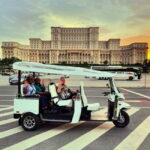
You’ll visit the Palace of Parliament (People’s House)—one of the most controversial administrative buildings in the world. Even if you’ve seen photos, being close to it changes the scale of everything around you. The experience is less about beauty and more about power, symbolism, and the cost of totalitarian thinking.
Practical note: it’s listed as 2 hours, and admission isn’t included, so plan for that extra cost. Also, expect the building’s size to limit how close you can get for photos in some angles—space feels tight.
Village Museum: Romanian tradition, told through everyday life
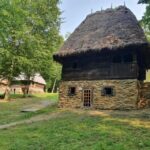
Then you shift tone with the Bucharest Village Museum (Dimitrie Gusti National Village Museum). This is where Romanian rural life gets shown in an “in one place” way—traditions, homes, and how villagers built a sustainable environment around them. It’s a good reset from the heavy weight of the Parliament.
Again, admission is not included, but the time is friendly—about 1 hour.
Romanian Athenaeum: the culture symbol on Calea Victoriei
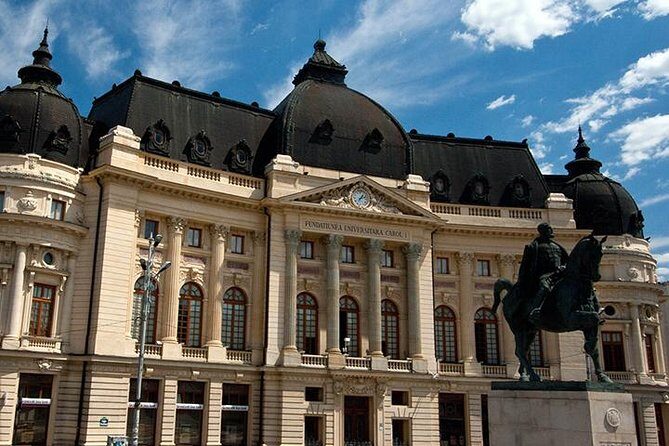
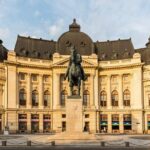
The Romanian Athenaeum is one of Bucharest’s most recognizable cultural landmarks. Even if you don’t catch a performance, it’s worth seeing as a symbol—bookended by grand architecture and the sense that culture is something people fought to preserve.
This stop is about 45 minutes.
Revolution Square and the start of December 1989
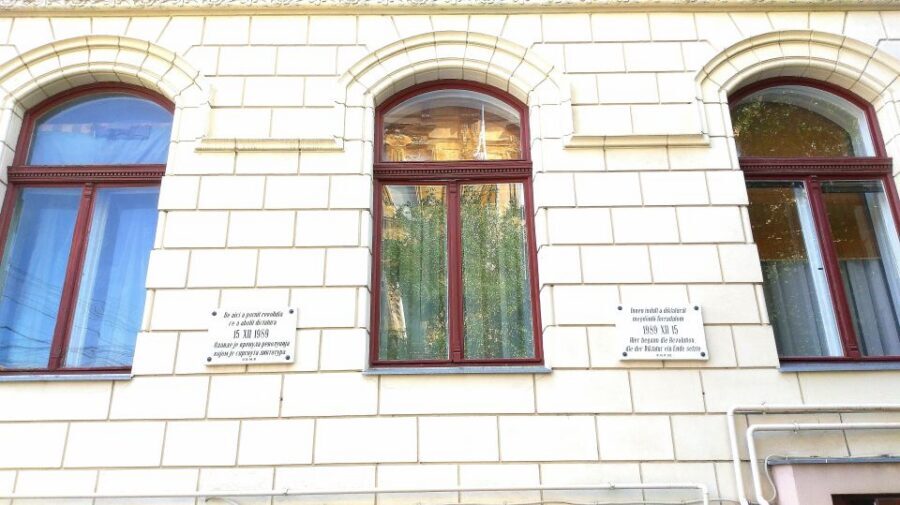
Next comes Revolution Square (Piaka Revolukiei)—a key place tied to the 1989 overthrow of Nicolae Ceaușescu. You’ll also see the nearby building linked to the Communist Party Central Committee and how the revolution process kicked off there. The tour frames this in human terms: force, sacrifice, and the mess left behind.
Time is about 45 minutes. Admission isn’t included, but the value is the explanation—this is the kind of site that makes more sense with context.
Old Town: Hanul lui Manuc and a walkable mix of old Bucharest
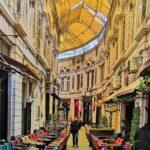
You end with a guided wander through the Historical City Centre, starting around Hanul lui Manuc, a fortified inn built in 1806. It worked as a cultural and economic hub for merchants, which is a nice way to understand the Old Town beyond “pretty streets.”
You’ll also get help finding museums, older churches, and an experiential library/shop for souvenirs like books and music. The time here is about 2 hours, and it’s the part where you’ll enjoy the city’s human scale most.
Courtyard Churches and the cliff fort: Argeș and Poienari’s Vlad story
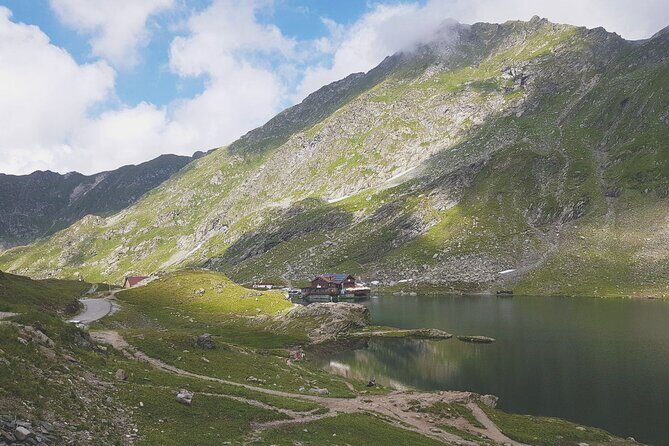
Leaving Bucharest, the tour moves you toward the royal and defensive history of Wallachia.
Curtea de Argeș Monastery and ruins of royal power
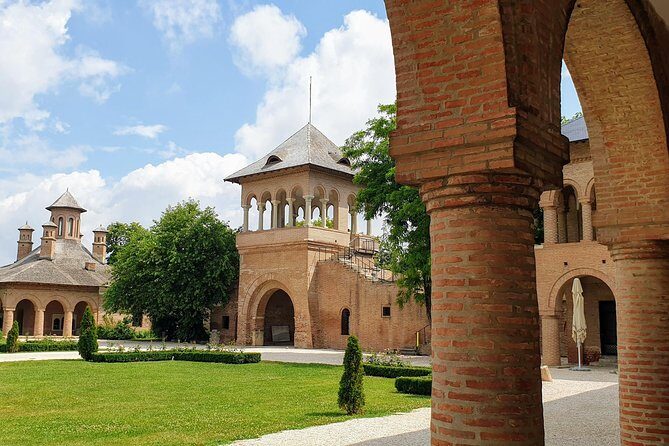
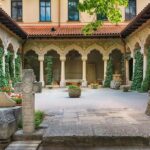
At Curtea de Argeș, you’ll see the ruins tied to the Wallachian princely court plus the 13th-century Royal Church and the famous monastery. The tone is reflective—this is where Romania’s medieval royal story mixes with tragedy. Time is short—about 30 minutes—but it’s a concentrated stop.
Poienari Castle: high cliff, famous escape
Then comes Poienari Fortress, built around the early 13th century and later reshaped into a main fortress. The story you’ll hear is the Vlad connection: when the Turks attacked and took the castle in 1462, he’s described as escaping via a secret passage through the mountains.
The stop is about 2 hours—and it fits the setting. Expect it to feel dramatic because you’re literally looking down on the Argeș River from the cliff line.
Transfagarasan Highway: the road that steals the scene
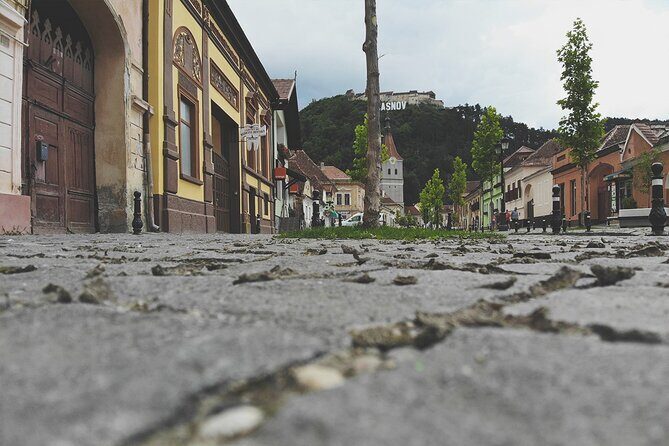
One of Romania’s most famous drives is the Transfăgărășan Highway, and this tour schedules it as a highlight.
You’ll spend about 2 hours here, and the route is described as fully open June to October, with a highest point around 2,042 meters near Lake Balea. The practical takeaway: if you travel outside that window, you might not get the full experience described. The tour notes the season clearly, so check your dates.
Also, the entry here is marked free, so you won’t add another site fee in your budget for this stop.
Sibiu’s Piata Mare: Transylvania’s old-town rhythm
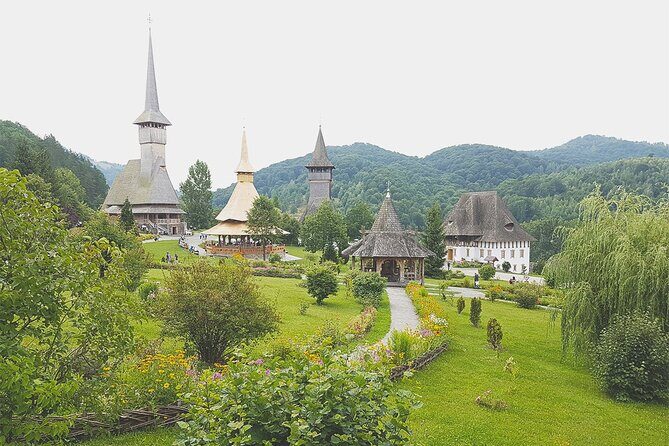
After dramatic roads and fortresses, you land in the calmer cadence of Sibiu—specifically Piata Mare (Big Square) and the old-city feel around it.
This part of the itinerary leans on why Sibiu earned European Capital of Culture status: architecture, street layout, cultural and artistic heritage, and the mountains flanking the town. You’ll get about 1 hour, with the focus on the old center atmosphere rather than a long museum marathon.
Admission isn’t included for this stop, but it’s also the type of place where the “worth it” factor is simply the streets and viewpoints.
Hunedoara’s castles and Dacian strongholds: where Romania flexes its deep roots
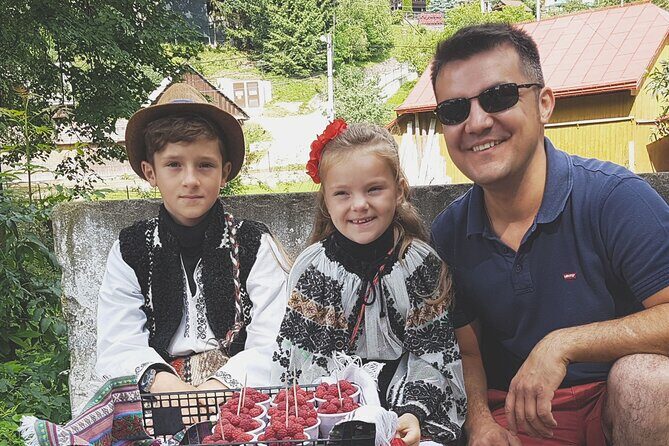
Transylvania’s story is often told through castles, but this route goes further—into Dacian sites and medieval architecture.
Corvin Castle (Castelul Corvinilor): Gothic-Renaissance scale
At Corvin Castle (also known as Huniazilor / Hunedoara Castle), you’ll see a Gothic-Renaissance giant. It’s described as one of Europe’s largest castles and a Seven Wonders of Romania feature.
Time: about 2 hours. Admission isn’t included, so add that cost. The value here is how the castle reads as both spectacle and history, not just “a cool exterior.”
Densuș Church: oldest stone church energy
Next is Densuș Church (St Nicholas’ Church) in Densuș village. It’s framed as the oldest stone church in Romania, with a present form dating to the 13th century and built on earlier Roman temple materials. Inside, you’ll see mural paintings from the 15th century describing Jesus in Romanian traditional clothes, plus later additions.
Time is about 1 hour, and admission isn’t included. This stop is small enough to feel personal, but old enough to feel like you stepped back into layers of time.
Sarmizegetusa Regia: Dacian capital on a high mountain
Finally, Sarmizegetusa Regia, the Dacians’ capital and major political/military/religious center, built on top of a 1,200-meter mountain. It’s described as part of a strategic defense system across the Orăștie Mountains with multiple citadels.
Time: about 3 hours. Admission isn’t included. This is one of those “if you’re into the story of how places worked” stops—less about one building and more about understanding how an entire defensive world was laid out.
Transylvania off the beaten track: salt mines and wooden church craft
This section balances big indoor wow with outdoor craft.
Salina Turda: a salt mine that feels like an indoor world
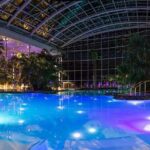
You’ll visit Turda Salt Mine (Salina Turda), one of Transylvania’s most interesting sites. The tour describes it as visually striking and physically pleasant, with emphasis on saline air that can be beneficial for respiratory issues like allergies or asthma.
Time: about 2 hours. Admission isn’t included. If you don’t care about health claims, you’ll still likely enjoy the setting’s unusual scale and the “you’re underground, but it doesn’t feel gloomy” effect.
Gradina Botanica Alexandru Borza and Cluj’s old center
The stop with Gradina Botanica Alexandru Borza comes bundled with a look at Cluj-Napoca’s Old Town center, with reference to baroque, renaissance, and gothic architecture. You’ll also get time for local cuisine on your own.
Time is about 1 hour. Admission isn’t included. Even if you’re not a “garden person,” this pairing works because it gives you both a photo spot and a city-walk outcome.
Surdesti Wooden Church: 54m towers built in 1721
Then you reach Surdesti Wooden Church, described as a wooden masterpiece with towers around 54 meters and a build date of 1721. The tour points out how long wooden construction like this is a feat even with modern tech, and the scale of the church helps that claim feel real.
Time: about 1 hour. Admission isn’t included.
Maramureș: folk art fun plus a hard lesson on communism
Maramureș is where the tour turns emotional in two directions: humor and pain.
Merry Cemetery: colorful crosses and funny poems
At Sapanta’s Merry Cemetery, the concept is instantly memorable. The tour describes Dacian belief about laughter and tears at opposite life events, and then shows how Sapanta carries that spirit into the cemetery. You’ll see colorful crosses and tombstones with humorous poems about the deceased.
Time: about 1 hour. Admission isn’t included. If you usually find cemeteries heavy, this one is designed to feel different.
Memorial museum for victims of communism and resistance
Right after that, the route hits the Memorial Museum for the Victims of Communism and of the Resistance. This is where the tour explains how damaging totalitarian rule was and how quickly it brought suffering.
Time: about 2 hours. Admission isn’t included. This stop is not for casual mood tourists. It’s important, and you’ll want to go in with a bit of mental space.
Bukovina monasteries: Voroneț blue and fortified church survival
This stretch is probably the biggest reason people choose this route: the painted monasteries of Bukovina.
Barsana Monastery: tall wooden church and a courtyard reset
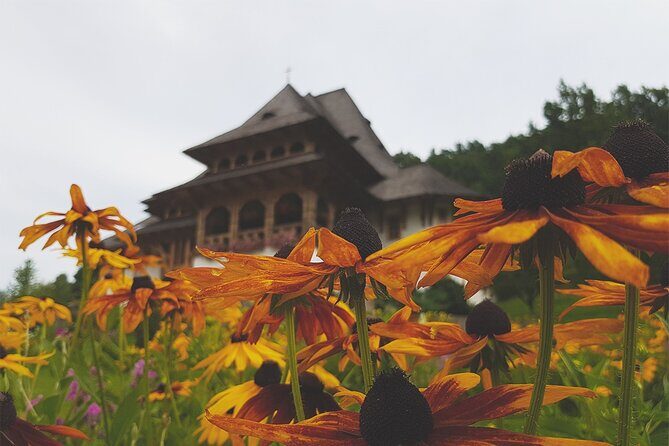
Start with Barsana Monastery, described as one of the tallest wooden churches in Romania at 57 meters. The description leans spiritual and sensory—barefoot walking in grass, then stepping into the courtyard. Even if you don’t care about the spiritual framing, the architecture and setting tend to do the job.
Time: about 45 minutes. Admission isn’t included.
Tihuța Pass and the Dracula connection
At Tihuța Pass, the tour ties in the Bram Stoker naming link: it references the Borgo Pass angle connected to Dracula lore. You’ll also see Hotel Castel Dracula at 1,116 meters, built in 1976 in a medieval-villa style and later renamed after 1989.
Time: about 2 hours. Admission is marked free for this stop. This is one of those places where you can appreciate the story even if you’re not a “Dracula person.”
Ciocănești: painted houses by the river
Next, you visit Ciocănești, known for merry-painted houses with traditional motifs along the Golden Bistrița River. The tour frames it as scenic—forests and meadows—and also notes its proximity to Vatra Dornei.
Time: about 1 hour. Admission is marked free.
Voroneț: the Sistine Chapel of the East
Then comes Voroneț Monastery, famous for its intense shade of blue known as Voroneț blue. The tour describes it as Stephen the Great’s work, built in 1488 over a short period, tied to a victory. The comparison to the Sistine Chapel works because the fresco colors are such a big part of the wow-factor.
Time: about 1 hour. Admission isn’t included.
Humor, Sucevita, Moldovița: fortified survival and painted walls
You’ll continue with other painted monasteries:
- Humor Monastery, a fortified one that endured. The tour notes the first church around 1400 was destroyed, and the second built in 1530 with thick river rock walls was meant to last. Time: about 45 minutes.
- Sucevita Monastery, described as an open-book of biblical scenes and icons, and included on UNESCO World Heritage. Time: about 45 minutes.
- Moldovița Monastery, built in 1532, combining Byzantine, Gothic, and Moldavian styles, with mural artwork on the inside and outside. Time: about 1 hour.
For all of these, admission isn’t included. The value is how the art and architecture connect: defenses, faith, and survival show up in the same physical walls.
Moldovița to Bicaz Gorges: eggs, sculptures, and a mountain cut through stone
This portion adds variety so the monasteries don’t take over your whole trip.
Lucia Condrea’s egg museum: 5,500 artistic pieces
At the Muzeul International al Oualor Lucia Condrea, you’ll see an egg museum with an unusually specific focus. The tour says it opened in 1993, has over 5,500 exhibits, and uses 56 display cases across two levels.
Time: about 1 hour. Admission isn’t included. It’s a fun tonal shift that still feels local rather than touristy.
Popa Museum: art as resistance
Then you visit the Popa Museum near Târgu Neamț, founded by sculptor Nicolae Popa in his own house. The story given is that he was wounded in WWII, imprisoned by communists for fighting the regime, and later used his art drive to stand up for Romanian values.
Time: about 1 hour. Admission isn’t included.
Bicaz Gorges: the walk you remember after photos fade
Finally, you get outside: Bicaz Gorges, described as a river carved through mountains and forests. The tour schedules about 3 hours, and says admission is included for this stop.
This is where you’ll enjoy actual walking time, and where the views feel less like a “site” and more like a natural experience.
Medieval towns and Saxon fortifications: Sighișoara and Biertan
Two stops show you two different ways Europe stayed defended and lived.
Sighișoara Clock Tower and the medieval citadel feel
In Sighișoara, you’ll visit the Clock Tower and Arms museum. The tour frames it as a living medieval fortress with residents for over 700 years, and it also mentions Sighișoara as Vlad the Impaler’s birthplace.
Time: about 2 hours. Admission isn’t included.
Biertan Fortified Church: UNESCO walls and bastions
Then Biertan Fortified Church, a UNESCO World Heritage site tied to Transylvanian Saxon history. It’s described as built on a hillock with defensive walls and 7 bastions, plus the context that it dates to early Saxon settlement history.
Time: about 2 hours. Admission isn’t included. This one pays off if you like how buildings were designed for protection first, aesthetics second.
Brasov and Dracula Castle Country: Black Church, Bran, and Peles
You end in a classic mix: city walk, myth-meets-history castle, then royal grandeur.
Brasov Old Town and the Black Church
In Brașov, you’ll have a walking tour focused on the Black Church, the Old Town square, and medieval city walls. The tour also includes free time for cafés, which matters because it lets the day feel like yours.
Time: about 1 hour. Admission isn’t included.
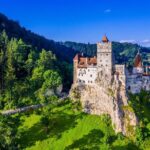
Bran Castle: Dracula folklore plus market-time snacks
At Bran Castle, the tour frames it as sitting between myth and history, widely believed as Bram Stoker’s inspiration for Dracula’s castle. Outside the castle you’ll have the chance to try traditional foods like handmade cheeses, pálinka (plum and pear brandy), and ham and sausages.
Time: about 2 hours. Admission isn’t included.
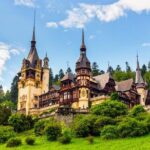
Peles Castle: royal summer residence vibes
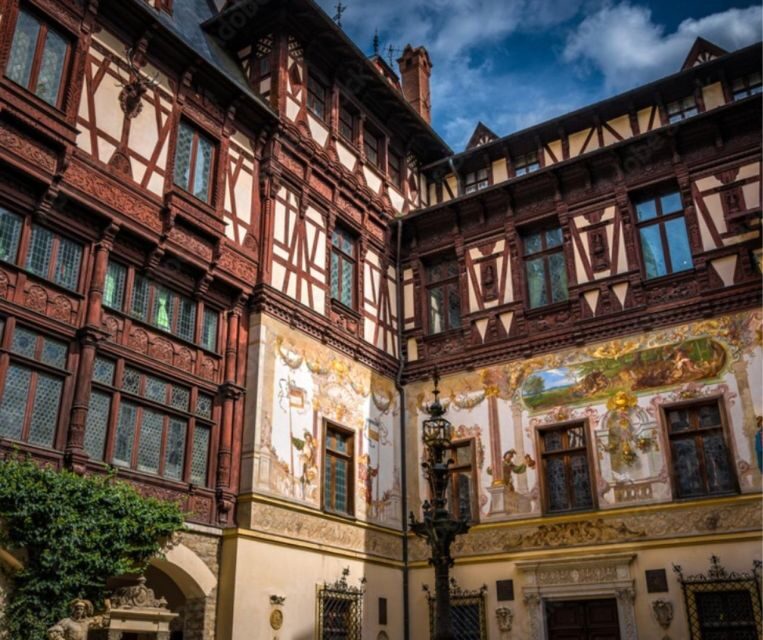
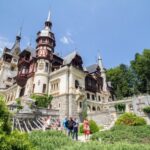
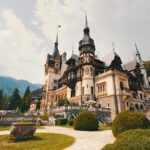
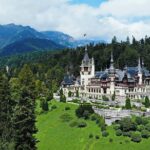
Last, Peleș Castle, described as the Romanian royal family’s summer residence and one of Europe’s key castle attractions. Time is about 2 hours. Admission isn’t included.
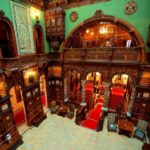
This final stop feels like a payoff: after fortified walls and cliff fortresses, you switch to a royal interior aesthetic.
Should you book this private Romania tour?
You should book it if you want a private, English-led route that covers major regions in one shot: Bucharest, the Carpathians (including Transfăgărășan in the best season), Transylvania’s castles and Dacian sites, and Bukovina’s monastery art. You’ll also like it if you care about context—seeing communist history, Dacian defensive planning, and religious art with explanations built in.
Skip it (or plan carefully) if you’re trying to keep costs tight, since entrance fees are mostly not included and some of the most famous sights can add up. Also note that road-trip timing matters: the tour says Transfăgărășan is fully open June to October, so your travel month will shape what you actually get.
If you want, I can help you estimate a realistic “on top of the tour price” budget for entrances based on the kinds of places you care most about.
FAQ
What does the tour include?
It includes a private car for your group, a private licensed English-speaking guide/driver (available throughout), accommodation, meals, and entrances for the guide, Wi‑Fi in the vehicle, and all car expenses like gasoline, parking, and road tolls.
Are pickup and drop-off included?
Pickup is offered. You’ll need to provide your pickup time and address, plus a phone number to help coordinate.
How long is the tour?
The tour is listed as 10 days (approx.).
Is this a private tour?
Yes. It’s a private tour/activity, meaning only your group participates.
Are entrance fees included?
Entrance fees are not included as per the itinerary. Some items are marked as free or included, but the standard rule is that you’ll pay most site admissions.
What language is the tour offered in?
The tour is offered in English.
Can I cancel and get a refund?
Yes—free cancellation is available up to 24 hours in advance for a full refund.