REVIEW · BUCHAREST
Transylvania Castles 4-day tour from Bucharest
Book on Viator →Operated by Rolandia · Bookable on Viator
Castles in Transylvania, with real context. This 4-day trip is built around big names like Peleș and Bran, but it also takes you through hilltop citadels and fortified churches that explain why this region defended itself for centuries. I love the small-group setup (max eight) because it’s easier to ask questions, and I love that you’re not only chasing Dracula’s mood—you’re learning how these sites fit Romanian and medieval European history. One possible drawback: the days are full, so you’ll spend plenty of time in the car between stops.
What makes this tour feel extra practical is the pacing plus a professional English-speaking guide. You’ll start at 9:00 am in Bucharest, get hotel pickup, and then move from castle to citadel without the hassle of trains, tickets, and transfers. If you want the stories with your photos—and not just a checklist—this route is set up for that.
At about $1,154.55 per person (double room based), the value hinges on what’s included: three nights in centrally located hotels, breakfasts, entrance fees, and guided visits plus one traditional lunch. Single-room travelers should expect to pay a single supplement, and that’s the main way this can get pricier.
In This Review
- Key highlights that matter on the ground
- Small-group Transylvania castles: what you really get
- From Bucharest at 9:00 to Sinaia and Bran: your first castle day
- Râșnov citadel and Brașov’s Council Square: medieval views plus a flexible evening
- Făgăraș Fortress and Rupea Citadel: the defenses that survived the siege story
- Crit and Sighișoara: UNESCO streets, performers, and Vlad Tepes House context
- Biertan fortified church and Alba Iulia’s Vauban star: where defense becomes religion and math
- Corvin Castle to Sibiu: Gothic dragons and a boutique night you’ll feel
- Sibiu’s Bridge of Lies and Curtea de Argeș: finishing with two very different classics
- Price and value: does $1,154.55 per person make sense?
- Guide quality and small-group pace: why names like Emil and Traian keep showing up
- Should you book this Transylvania castles tour?
- FAQ
- What time does the tour start, and how does pickup work?
- How many people are in the group?
- What’s included in the price?
- Are entrance fees covered for the castles and sites?
- Is the price based on sharing a room?
- Can I cancel for a full refund?
Key highlights that matter on the ground
- Max eight people keeps the tour personal and easier to manage at busy ticket lines
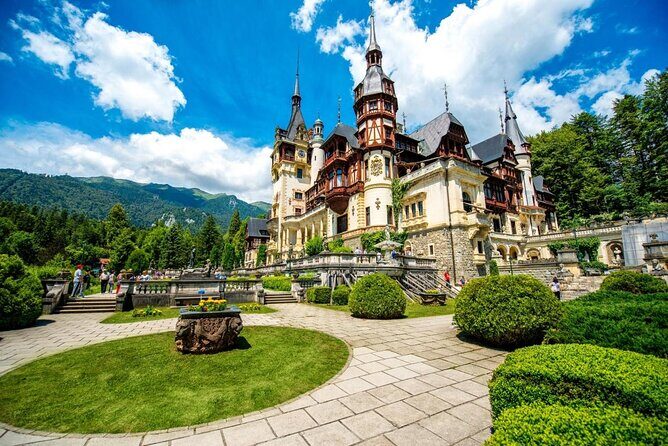
- Peleș + Bran + Vlad connections give you both royal splendor and Dracula-adjacent context
- Fortified architecture, not just castles: Făgăraș, Râșnov, Biertan, Alba Iulia
- UNESCO Sighișoara with street performers and a stop at the Vlad Tepes House area
- Sibiu’s medieval “German” vibe plus the Bridge of Lies and city walking time
- Entrance fees are covered, so you don’t get surprise add-ons mid-trip
Small-group Transylvania castles: what you really get
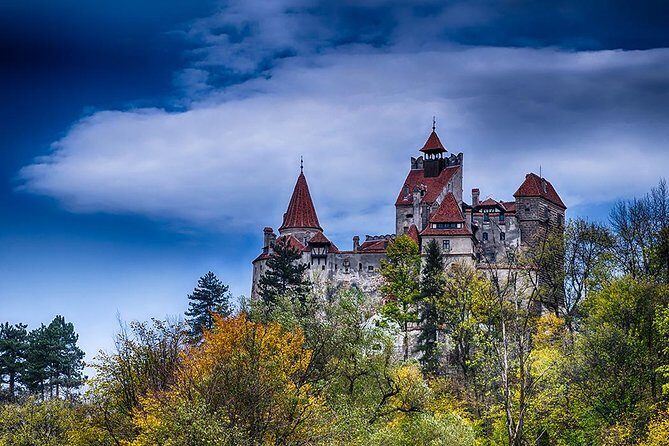
This tour is a classic Transylvania circuit, but with a smart twist: it keeps returning to defense. Yes, you’ll see famous castles, but you’ll also see the fortified systems that shaped daily life—moats, wall rows, towers, star-shaped forts, and thick church fortifications.
The group size (up to eight) matters more than you might think. Hilltop sites mean stairs, uneven stone, and brief windows for photos. With a small group and a guide calling the pace, you spend less time searching for each other and more time actually looking.
You’ll also notice the guide-led format. You’re paying for stories and interpretations while you’re walking, not later in a museum label blur. Past guides like George, Emil, Laurentiu, and Traian are specifically praised for being friendly, careful drivers, and patient with questions—exactly what you want when you’re learning a region full of names and legends.
A few more Bucharest tours and experiences worth a look
From Bucharest at 9:00 to Sinaia and Bran: your first castle day
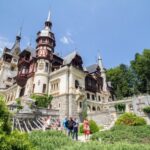
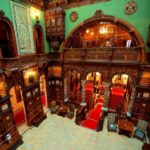
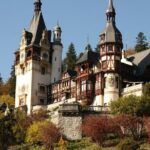
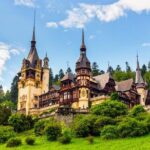
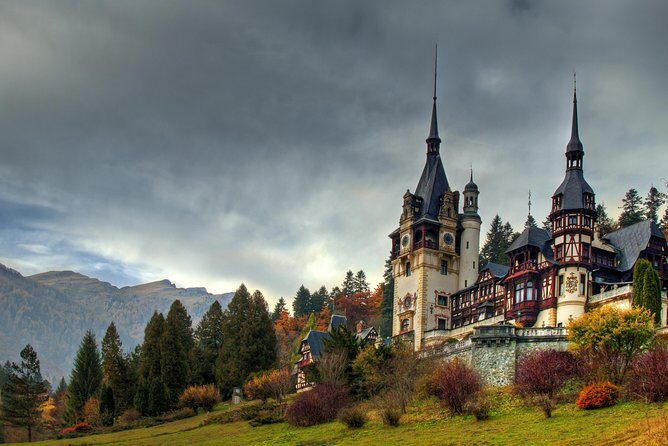
The tour begins with hotel pickup in Bucharest and a 9:00 am start. Then it’s a road trip to Sinaia for Peleș Castle, one of Romania’s most prestigious palaces. You’ll get about an hour inside, and it’s worth treating that time as a “focus visit,” not a quick scan. Peleș is all about refined architecture and the feeling of being in a royal summer world—until you learn how it changed under the communist regime.
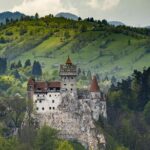
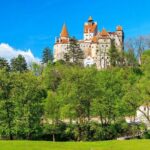
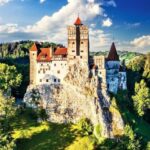
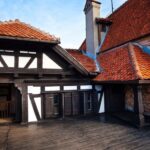
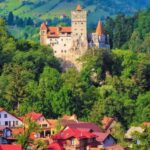
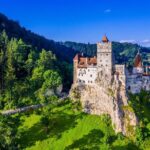
Next comes Bran Castle, near Brașov. Bran is famous because it became attached to Bram Stoker’s Dracula story, and that “Dracula’s Castle” reputation still drives the vibes today. The guide’s job here is important: you’ll hear how Vlad the Impaler became tied to the legend, and you’ll get the medieval groundwork too. Bran sits in a context of Saxons of Brașov building in the 13th century, with an older wooden fortification linked to the Teutonic Knights. That mix helps you understand why Bran looks the way it does—more than just a spooky movie set.
Bran’s practical upside is timing and flow. You’re not stuck in one overloaded place for hours; you’re moving through three distinct settings in a day: royal palace, Dracula-linked castle, then a medieval hilltop citadel.
Râșnov citadel and Brașov’s Council Square: medieval views plus a flexible evening
After Bran, you head to Râșnov Citadel, perched on a hill since the 14th century. This is the part of the tour where the scenery helps the story: you follow the old trade route idea through the Carpathian region, and once you’re on the hill, the defensive logic clicks.
Râșnov is also where your walking habits matter. Hill citadels tend to mean uneven footing and slopes, so comfortable shoes help a lot. You’ll spend about an hour here, then return to the medieval city of Brașov for the night.
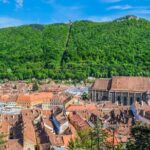
If there’s time, you can add an evening walk around Council Square in Brașov. That’s the “breathing space” moment after castle concentration. I like optional evening time like this because it lets you choose: you can wander for atmosphere, or you can get an early night if your legs are tired.
Făgăraș Fortress and Rupea Citadel: the defenses that survived the siege story
Day two brings you into heavier fortification mode with Făgăraș Fortress. This citadel dates back to feudal ages and is known for a defensive system that’s described as extremely difficult to conquer. You’ll hear about a moat plus two rows of walls. The key value here is understanding how layered defense worked in real life: you’re not just seeing a wall, you’re seeing multiple “failsafes” designed to slow attackers down.
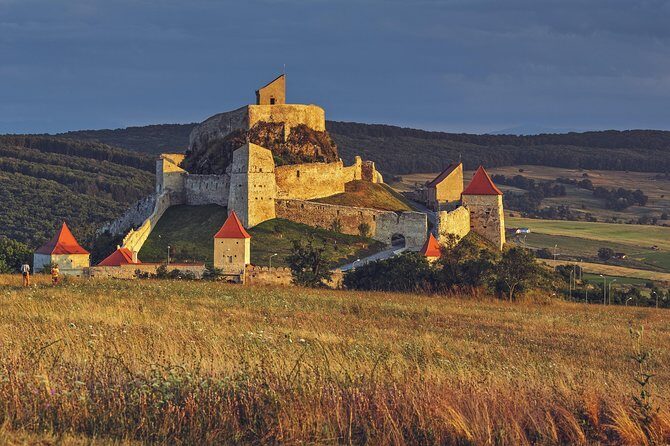
From there, you go to Cetatea Rupea. Rupea’s appeal comes from age and continuity. The site is tied to documentary records in the 14th century, but there are traces of human settlement that reach back to Paleolithic and early Neolithic periods. That means you’re looking at more than a single “castle era”—you’re standing on a long human timeline.
There’s also a modern touch: Rupea was fully refurbished in 2013. So you’re not touring a ruin that feels half-forgotten; the place is meant to be visited. A local legend about Dacian king Decebalus committing suicide here during the Second Dacian War in 106 AD adds the human drama—just remember, legends are not the same thing as documented dates.
This stretch is great for people who love architecture, not just vibes. If you’d like Dracula-adjacent stops but still want real medieval engineering, this is where the balance lands.
Crit and Sighișoara: UNESCO streets, performers, and Vlad Tepes House context
On your way to Sighișoara, you’ll stop in Crit, a Saxon village with traditional houses. There’s time for a meal of local products, and this part is one of those “small stops that make the day better.” Food breaks up the driving and gives you a chance to taste what “traditional local products” actually means on the ground.
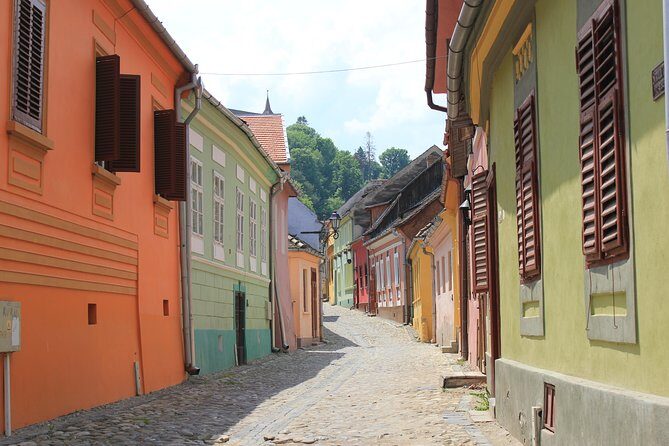
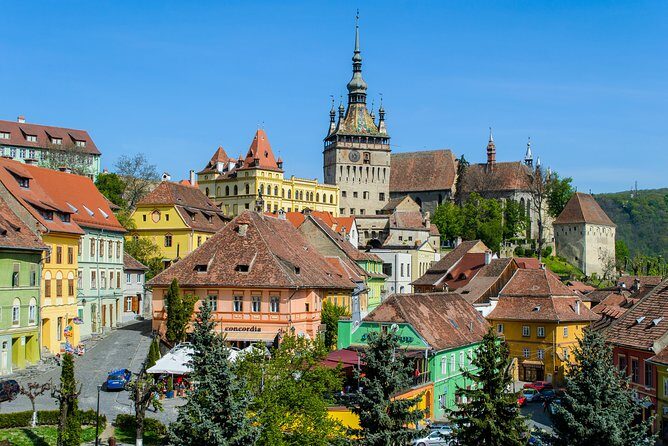
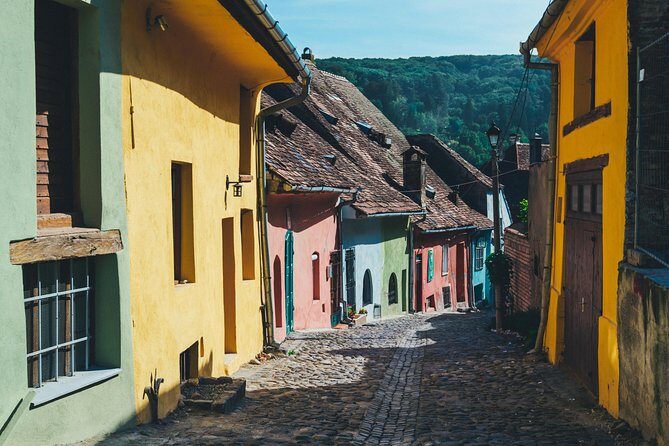
Then it’s Sighișoara, a medieval town and UNESCO World Heritage Site since 1999. You’ll walk the old citadel area with narrow cobblestoned paths and colorful houses—exactly the kind of street layout that makes guided commentary worth it. The town is also described as continuously inhabited since the 13th century, so you’re not looking at an empty reenactment set. It still feels lived-in.
What I like about the Sighișoara segment is how it mixes history with local craft culture. The city is known for street performers and craftsmen demonstrations. Even if you’re not actively shopping, watching people work keeps the day human.
The tour also points you toward Vlad Tepes House (Count Dracula) in Citadel Square. You’ll learn that until 1435 Vlad Tepes lived in an ocher-colored house with his father. Today, the ground floor is a restaurant and the first floor includes a museum of weapons. That’s a practical way to understand how legend tourism overlaps with actual artifacts and interpretation.


Biertan fortified church and Alba Iulia’s Vauban star: where defense becomes religion and math
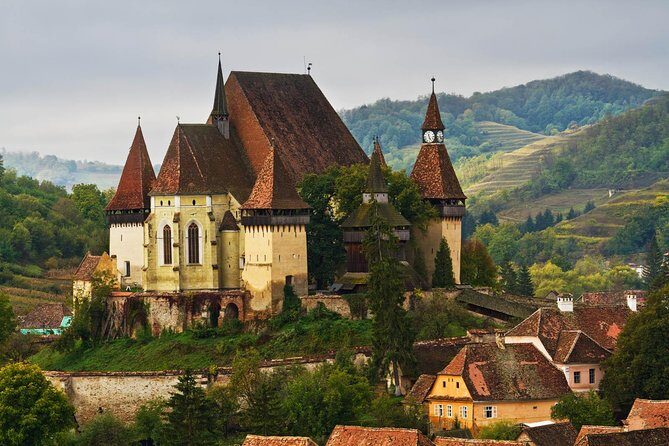
Day three focuses on places where faith and fortification meet. The first stop is Biertan, preceded by a drive near Richis to see the gothic fortified church area. Biertan itself is described as home to the largest fortified church in Romania, surrounded by three rows of walls, protected by six towers and three bastions. It’s a lot of structure for one complex, and it’s precisely the point: this church was built to keep villagers safe.
The 500+ year age detail matters too. You’re not just touring a pretty church; you’re touring a defensive system that shaped a whole community’s survival strategy. The guide’s narrative makes it easier to visualize how people used these walls and towers in everyday terms, not just during a dramatic siege.
From Biertan, you head to Cetatea Alba Iulia. This is one of the best “big picture” stops for understanding Romanian history. The place is described as having housed a Roman fort, a medieval defense fortress, and later a large stellar-shaped fortress built in a Vauban style. That “star fortress” design is a useful concept: sharp angles help defenders cover approaches more effectively.
You’ll spend about an hour, which means you’ll likely get the key design ideas without getting lost. Still, if star forts are your thing, take your time walking the lines the way your guide suggests.
Corvin Castle to Sibiu: Gothic dragons and a boutique night you’ll feel
Next comes Castelul Corvinilor, also known as Hunyad Castle. This one is a fantasy-feel stop with a real medieval backbone. It’s built in Gothic style, with tall towers carved with dragon decorations in stone. That detail tends to grab attention fast—then your guide connects it to the story of John Hunyadi, a legendary hero linked to resisting the Ottoman invasion.
If you’re worried this tour will get too Dracula-centered, this stop is a nice correction. Corvin Castle is dramatic for its architecture and history beyond the popular myths.
After Corvin, you drive to Sibiu, where you’ll spend the night in a boutique hotel. The tour frames Sibiu as the next “walkable” base, and that matters: it sets you up for a city tour next day instead of yet another single-site drive-and-leave schedule.
Sibiu’s Bridge of Lies and Curtea de Argeș: finishing with two very different classics
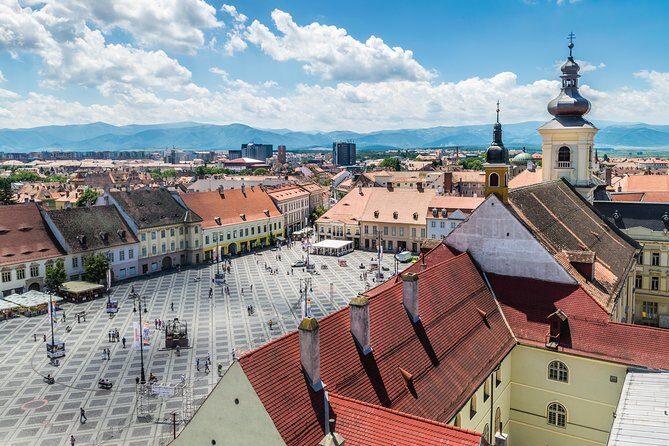
Your final day starts with Sibiu. The city is presented as having a German medieval town character, with a big central square ringed by representative buildings. You’ll take a walking tour through the historic area and cross the Bridge of Lies to reach defensive walls. Even if you don’t know the bridge legend, the structure itself gives you a memorable transition from old city streets to fortification thinking again.
After Sibiu, it’s back toward Bucharest via the Carpathian Mountains route and along the Olt River. You’ll get the window for scenery, but the emphasis is still on arrival.
Your last guided stop is Curtea de Argeș Monastery, known for its Orthodox church and the necropolis of Romania’s great kings. This is a quieter ending than the castles, but it fits the tour’s overall theme: power, survival, and legacy—told through different kinds of stone buildings.
At night you return to Bucharest and the tour ends.
Price and value: does $1,154.55 per person make sense?
Let’s talk money like adults. The price is $1,154.55 per person for a 4-day experience based on two people sharing a double room. Single rooms cost extra via a single supplement.
So what are you actually buying for that number?
- 3 nights of accommodation in centrally located hotels
- 3 breakfasts
- entrance fees for the stops included
- hotel pickup and drop-off in Bucharest
- modern vehicle transportation for the intercity drives
- a professional English-speaking guide
- one included lunch with traditional local products
What’s not included is also clear: airfare, travel insurance, tips, and any extra meals or drinks beyond what’s specified. Photography fees are also listed as not included, which is a small detail worth checking if you’re planning lots of paid interior shots.
Is the price worth it? For many people, yes—because the tour reduces planning friction and also bundles the big-ticket admissions. If you’d be pricing out a similar route on your own (hotels + guides + tickets + transfers), the guided package starts to look like a time-saver more than a luxury.
Guide quality and small-group pace: why names like Emil and Traian keep showing up
This kind of tour works or fails based on the guide. The standout pattern in the feedback is that the guides are praised for being kind, patient, and good at making you feel safe on the road. Names that come up include George, Emil, Laurentiu, and Traian, each described with qualities like friendliness, calm driving, and strong explanations.
You’ll also benefit from a cap of eight travelers. At places like Bran, Sighișoara, and the fortified sites, it’s easy for a large group to turn the experience into a “follow the leader” blur. A small group makes it more likely you can pause, ask, and then get back on track without losing the whole day.
Also, if you’re a first-time solo traveler, this structure can feel reassuring. One of the most repeated positive themes in the feedback is how guides handle nervous moments with patience and calm problem-solving, instead of rushing you through.
Should you book this Transylvania castles tour?
Book it if you want the best-known Transylvania stops but also care about the defensive architecture that shaped the region. I’d especially recommend it if you like guided context at each site—Peleș’s royal story, Bran’s Vlad association, fortified churches like Biertan, and a “why these places look like this” approach to stone and walls.
Skip it if you hate long car days or need lots of free, unstructured time. This trip is packed, and while you get optional evening walks in Brașov, it’s still a schedule built around efficient sight coverage.
If you can travel with flexibility and you’re okay sharing a double room (or paying the single supplement), this is a strong value way to see a wide slice of Transylvania in four days.
FAQ
What time does the tour start, and how does pickup work?
The tour starts at 9:00 am, and pickup is offered from any hotel in Bucharest.
How many people are in the group?
The tour has a maximum group size of eight travelers.
What’s included in the price?
Included are hotel pickup and drop-off in Bucharest, 3 nights of accommodation in centrally located hotels, a professional English-speaking guide, transportation by modern vehicle, entrance fees, breakfasts (3), and one lunch with traditional local products.
Are entrance fees covered for the castles and sites?
Yes. Entrance fees are included.
Is the price based on sharing a room?
Yes. The price is per person based on two people sharing a double room. A single supplement applies if you want a single room.
Can I cancel for a full refund?
Yes. You can cancel up to 24 hours in advance for a full refund. If you cancel less than 24 hours before the experience start time, the amount paid is not refunded.