REVIEW · ROMANIA
Orsova: Danube’s Cauldrons Boat Tours with Audio Guide
Book on GetYourGuide →Operated by Water Taxi Orsova · Bookable on GetYourGuide
Danube caves and monuments, all in one boat ride. I like how the tour mixes headline sights like Decebalus Rock Sculpture with smaller, memorable stops. You also get a 14-seat boat and a multilingual audio guide so you can actually track what you’re seeing. The one caution: the boat ride can be noisy and there’s a small, extra paid option for Veterani Cave, so plan for that choice up front.
From Orșova, you cruise into the dramatic stretch people call the Danube Cauldrons, where the river squeezes through cliffs and layers of history show up around every bend. You’ll have photo stops and short guided moments, plus a real break for your eyes at caves and the monastery.
If you’re sensitive to noise, or you have back issues or mobility limits, this trip may not feel comfortable. The boat is not designed for wheelchair users, and it’s listed as not suitable for pregnant women, recent surgery, or people with back problems.
In This Review
- Key highlights you’ll notice fast
- Cruising the Danube Cauldrons from Orșova: what it’s like onboard
- Meeting point by Hotel Apolodor: how to find Debarcader WT without stress
- Trajan’s Plaque: starting the story with Roman presence
- Rock Sculpture of Decebalus: the big monument you’ll remember
- Mraconia Monastery: a calmer pause with real atmosphere
- Veterani Cave and Peștera Ponicova: caves with an option, not a trap
- Veterani Cave
- Peștera Ponicova – Vest
- Tabula Széchenyi: engineering and text you can actually picture
- Ada Kaleh and the Iron Gates stretch: the famous area, with a twist
- Ada Kaleh
- Iron Gates
- Price and value: what $277 per group up to 6 gets you
- Comfort level: who this boat tour fits best (and who should skip it)
- Should you book this Orșova Danube Cauldrons tour?
- FAQ
- How long is the Danube Cauldrons boat tour from Orșova?
- What is the meeting point for Debarcader WT?
- Is the audio guide included, and which languages are available?
- Are any stops optional or extra cost?
- Do I need to bring headphones?
- What’s included in the tour price?
- Is this tour suitable for people who use wheelchairs or have mobility issues?
Key highlights you’ll notice fast
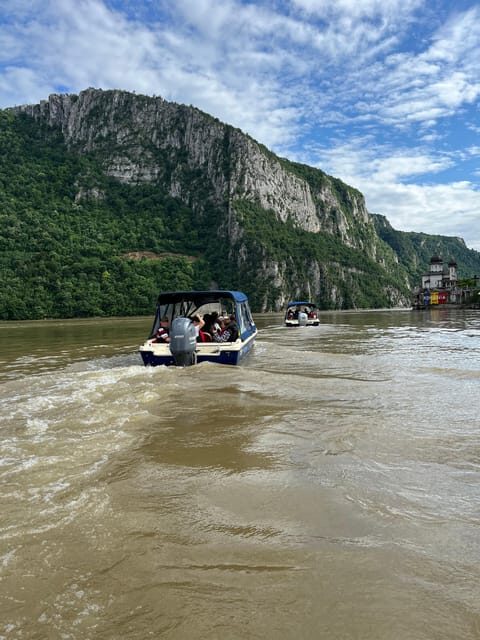
- Small group feel on a 14-seat boat with a sunroof and provided life jackets
- Major landmarks in one sweep, from Trajan’s Plaque and Decebalus to Tabula Széchenyi
- Photo stops built in, so you’re not just rushing past scenery
- Optional Veterani Cave visit with an extra entry fee and a different drop-off process
- Ada Kaleh history angle, including the fact the island is now submerged
Cruising the Danube Cauldrons from Orșova: what it’s like onboard
This tour runs about 110 minutes and is set up as a private group experience. That matters on the Danube, where timing and river conditions can make bigger group tours feel hectic. With room for 14 passengers on the boat, you get a calmer rhythm: you look, you hear the story, you snap photos, you move on.
The boat includes practical comfort features: a sunroof for better viewing in daylight, an engine designed for smooth sailing, and life jackets provided for everyone. Since you’re on the river for real, you’ll want to dress for the wind and changeable air—especially if you go in warmer months when temperatures can swing between dockside and open water.
One more practical point: the tour includes an audio guide, but they ask you to bring headphones. That’s not optional if you want the narration to cut through the boat noise. A couple of experiences on similar river trips show how sound can get lost on faster boats, so headphones are your best friend here.
You can also read our reviews of more boat tours in Romania
Meeting point by Hotel Apolodor: how to find Debarcader WT without stress
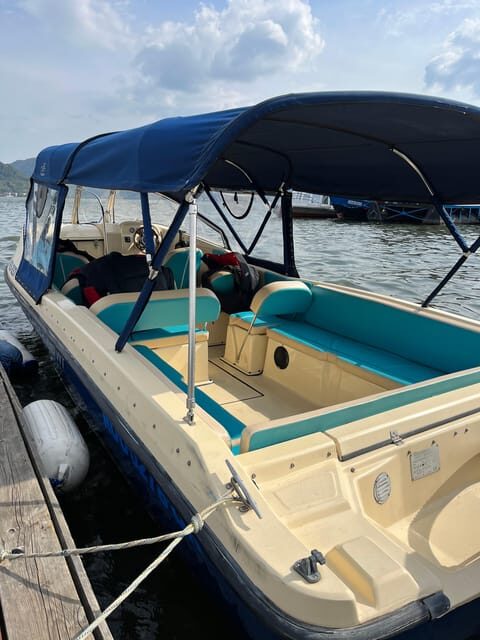
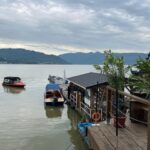
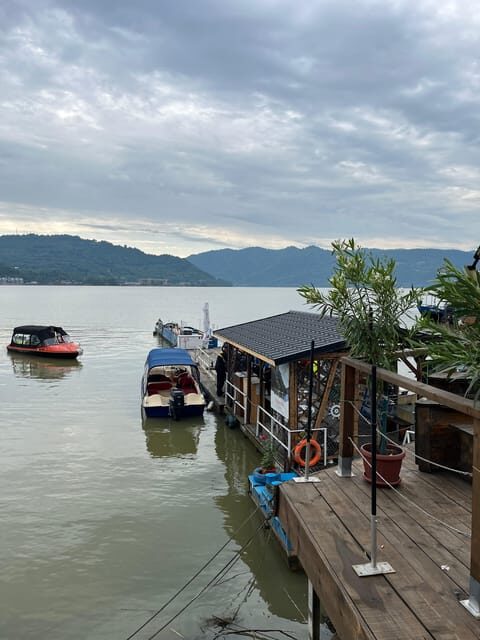
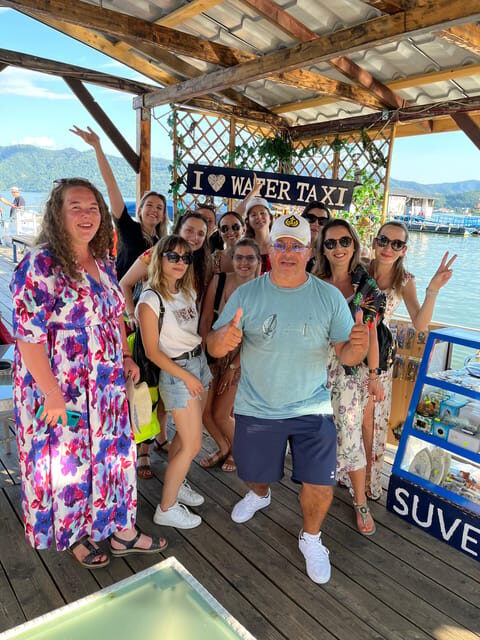
You’ll meet at Debarcader WT, on a wooden platform by the shore’s walking path. Look for a pontoon with a black roof, and then the two banners with the company logo a short walk from Hotel Apolodor.
If you’re trying to get there quickly, plan a little buffer. Dock areas can be confusing, and you don’t want your whole day to revolve around being one minute late. (The good news: the meeting point is designed to be easy to identify.)
Bring the basics they request:
- Comfortable shoes (dock surfaces can be slick)
- Sunglasses and sunscreen
- Comfortable clothes
- Headphones
- Cash (important if you choose the Veterani Cave option)
Trajan’s Plaque: starting the story with Roman presence
Right as you begin, you’ll hit the first major historical stop: Trajan’s Plaque. This is a photo stop with a guided component, so you’ll get both the quick visual moment and the context to understand why the site matters.
Even if Roman history isn’t your specialty, this kind of start works well. It gives you a reference point for the rest of the journey: what you see on the riverbanks wasn’t just decoration—people used this corridor strategically, and it’s still readable in the monuments.
Practical tip: use the early stop to orient yourself. Once you know what they’re calling out, you’ll spot other details with less effort later.
Rock Sculpture of Decebalus: the big monument you’ll remember
Next comes the show-stopper: the Rock Sculpture of Decebalus. This is another photo stop with a guided sightseeing moment, and it’s listed as Europe’s tallest and the world’s third-largest rock sculpture.
From the water, you get scale in a way you just don’t on foot. The river changes your viewpoint: you’re looking at the monument as part of the cliff face, not as a standalone statue. It also makes the history feel physical—this isn’t a plaque on a wall. It’s art cut into a landscape of stone and water pressure.
If you care about details, keep your camera ready and your eyes flexible. You’ll likely want a few angles: one wide for the rock face, one tighter framing for the sculpture.
Mraconia Monastery: a calmer pause with real atmosphere
After the bigger monument moments, you’ll slow down at Mraconia Monastery. This stop includes a photo stop and a guided tour component.
Monasteries along rivers often work like waypoints for travelers—places to stop, rest, and mark time. Here, the setting supports that feeling. You’ll get a break from pure sightseeing and a chance to see how religious life and river geography have intertwined over centuries.
What to watch for: how the building reads against the riverbank. Even if the architecture isn’t what you normally chase, this is a good spot for “let your eyes rest” time.
You can also read our reviews of more guided tours in Romania

Veterani Cave and Peștera Ponicova: caves with an option, not a trap
This is where the trip gets interesting for people who like nature without making the day a strenuous hike.
Veterani Cave
You’ll have a visit and a guided tour segment for about 20 minutes. The catch: there’s an entry ticket cost at the entrance (listed at around $2). Also, the drop-off at their pontoon depends on security measures first.
Here’s the key decision point: if you agree to visit, you’ll be handled by guides from that cave area, not by the boat company’s staff. If you skip the cave visit, you’ll still stay on the boat and continue with the audio guide.
That means you don’t lose the tour’s story if you don’t want the extra stop. You’re choosing how active you want to be, not whether you get information.
Peștera Ponicova – Vest
Later, you’ll make time for Peștera Ponicova – Vest. This includes a photo stop, a visit, and a guided tour component. The name alone may not tell you much at first, but this cave is known for a striking formation: a through-and-through structure that creates an interesting visual effect from inside.
Caves are also one of those places where the “right expectations” help. You’re not going to see a theme-park walkthrough. You’re going to see rock, passages, and the kind of quiet that only happens underground.
Tabula Széchenyi: engineering and text you can actually picture
Next is Tabula Széchenyi (often written as the Széchenyi Plate). You’ll get a photo stop plus guided touring.
This stop hits a different side of the story. Roman monuments explain long-distance movement. Monastery stops show cultural life. Tabula Széchenyi shifts you toward infrastructure—human work that shaped how the river could be navigated safely and consistently.
In practical terms, this is a great moment for history buffs and “how did they do that” types. It also helps non-specialists: you start noticing the pattern of why people built what they built right here.
Ada Kaleh and the Iron Gates stretch: the famous area, with a twist
As you head toward the later part of the cruise, you’ll cover two major names: Ada Kaleh and the Iron Gates.
Ada Kaleh
Ada Kaleh includes a guided tour and sightseeing. Here’s the part that makes it feel real even if you’ve never heard the name before: the island is now 30 meters under the water. The tour’s information includes the idea of stopping where Ada Kaleh used to be, which turns a submerged fact into a story you can follow.
That’s also why this segment works emotionally. You see the river; you hear how the island’s disappearance changed the geography; you connect a map fact to a living water route.
Iron Gates
You’ll also get an Iron Gates guided sightseeing moment. The Iron Gates area is famous for cliffs and the tight passage, and from the boat you understand why ships needed careful navigation here.
If there’s a 40-minute extra downstream option, it’s described as a close-up sightseeing extension near Iron Gates, including that Ada Kaleh stop location. That extra time is basically more viewpoints plus more historical notes—helpful if you want extra photo opportunities without changing to a different tour.
Price and value: what $277 per group up to 6 gets you
The price is $277 per group for up to 6 people. That breaks down differently depending on how many of you book.
- If you book the full group of 6, you’re roughly around $46 per person.
- If you book smaller, the per-person cost rises, but you still keep the private-group feel.
What you’re paying for isn’t just “a boat.” You’re paying for:
- Round-trip boat ticket from Orșova
- Stops at 6 main attractions, with photo opportunities
- A multilingual audio guide (English, Hungarian, Spanish, German)
- A boat designed for comfort with sunroof and life jackets
What you should budget extra for:
- Food and drinks are not included.
- Veterani Cave entry is listed at around $2 (if you choose to go).
Overall, this feels like strong value if you’re traveling with 3–6 people who want the convenience of one booking and a tight plan in a limited time window.
Comfort level: who this boat tour fits best (and who should skip it)
This experience is intended for a range of travelers: families, couples, nature lovers, and history-minded visitors. It’s also a good choice if you want a structured day with built-in stops and audio explanations—no guesswork, no racing against the clock between viewpoints.
But it’s not suitable for:
- Pregnant women
- People with back problems
- People with mobility impairments
- Wheelchair users
- People with recent surgeries
If any of those apply, skip it or ask for an alternative plan with different access and slower pacing.
Also, consider the format if you’re sensitive to sound. Even with an audio guide, you’ll be on moving water with engine noise. Bring headphones and choose comfort over bravado.
Should you book this Orșova Danube Cauldrons tour?
Book it if you want a private-feeling Danube experience that hits big names fast: Decebalus Rock Sculpture, Mraconia Monastery, caves, and Tabula Széchenyi, plus Ada Kaleh and Iron Gates context. The combination of boat comfort, audio guidance in multiple languages, and multiple stops in one outing is the main reason this works.
I’d hold off if you can’t handle cave entry add-ons or if you have physical limitations listed as not suitable. And if sound quality matters to you, plan to use your headphones and accept that the river has a loud personality.
If you can match those needs, this is a straightforward, high-value way to see the Danube Cauldrons without turning your day into a logistics project.
FAQ
How long is the Danube Cauldrons boat tour from Orșova?
The duration is listed as 110 minutes.
What is the meeting point for Debarcader WT?
You meet at Debarcader WT, a wooden platform by the shore’s walking path. It’s near a pontoon covered with a black roof, with two banners showing the logo, a short distance from Hotel Apolodor.
Is the audio guide included, and which languages are available?
Yes, the multilingual audio guide is included. It’s listed in English, Hungarian, Spanish, and German.
Are any stops optional or extra cost?
Veterani Cave has an entry ticket cost at the entrance (about $2). The drop-off for the cave visit depends on security measures first. You can also choose not to visit the cave and stay on the boat with the audio guide.
Do I need to bring headphones?
Yes. The tour’s what to bring list includes headphones so you can listen to the audio guide.
What’s included in the tour price?
Included are the guided tour along the Danube River, stops at 6 main attractions with photo opportunities, the multilingual audio guide, the comfortable boat with sunroof, and the round-trip boat ticket from Orșova.
Is this tour suitable for people who use wheelchairs or have mobility issues?
No. It’s listed as not suitable for wheelchair users and people with mobility impairments, and also not suitable for pregnant women, people with back problems, and those with recent surgeries.